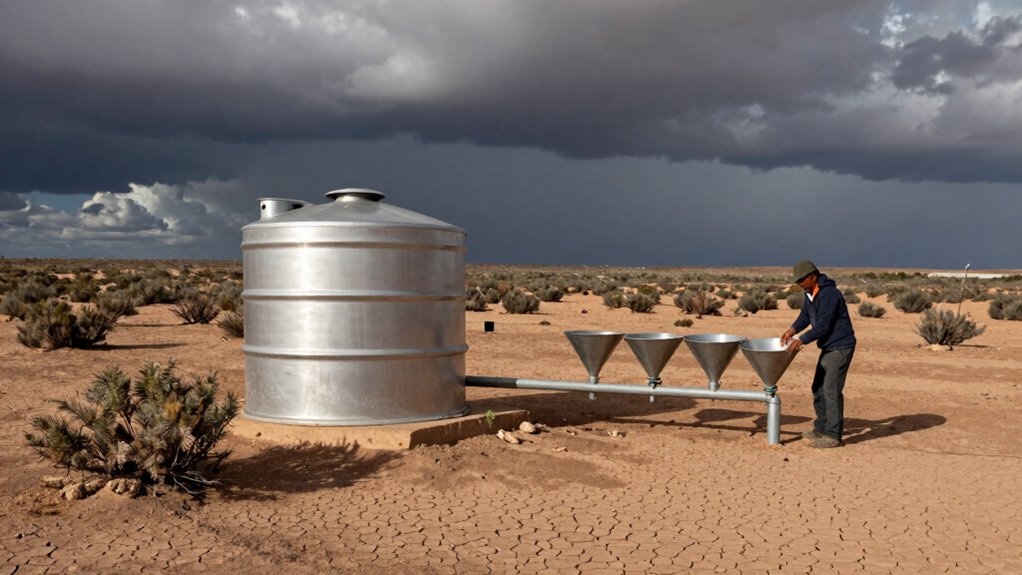

To plan for water collection in uncertain conditions, assess seasonal rainfall patterns and use rooftops with safe, easy-to-clean materials as catchment surfaces. Install gutters, filters, and overflow outlets to manage water flow and prevent contamination. Choose durable storage tanks with secure lids and consider adding filtration or chlorination for safety. Develop contingency plans, such as supplementing with wells, to improve resilience. Exploring these strategies further will help you build a reliable and adaptable water system.

Get emergency and outdoor gear delivered free with Prime
- Fast, free delivery on millions of items
- Prime Video, Amazon Music and more included
- Member-only deals all year
Key Takeaways
- Assess seasonal rainfall patterns to predict water availability and adjust collection and storage plans accordingly.
- Incorporate flexible, modular storage systems to accommodate changing water demands and climate variability.
- Develop contingency strategies, such as alternative sources like boreholes or wells, for prolonged droughts.
- Regularly maintain and inspect collection infrastructure to ensure efficiency and prevent system failures.
- Monitor water quality continuously and implement filtration or treatment to safeguard health during uncertain conditions.
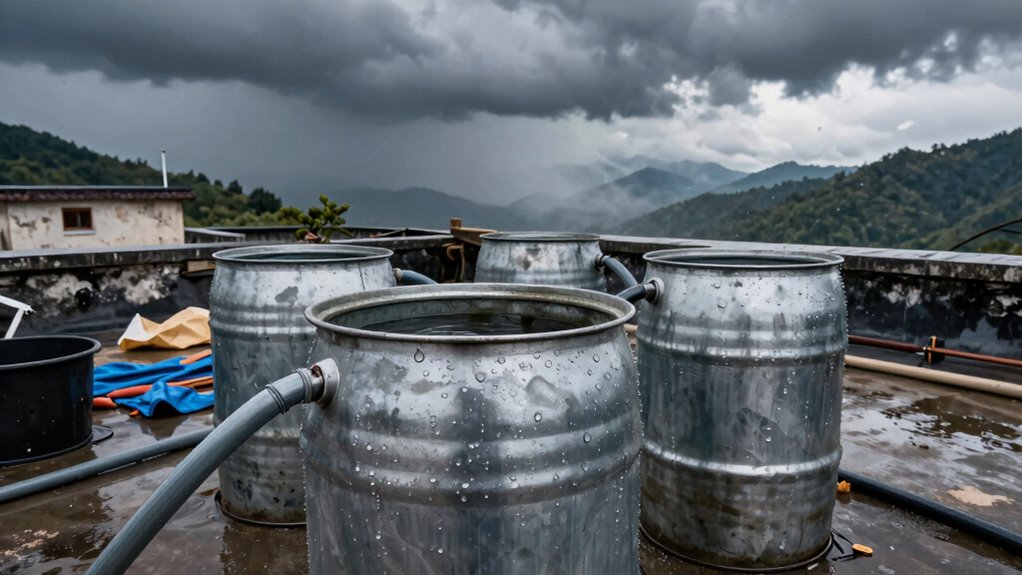
Have you ever considered how effective water collection planning can transform your community’s access to clean water? In uncertain conditions, where droughts or irregular rainfall threaten water availability, having a solid plan is essential. Rainwater harvesting stands out as a practical solution, allowing you to capture and store rainwater for future use. To maximize its benefits, you need to focus on storage system design. Properly designed storage systems guarantee that you can hold enough water during rainy periods and distribute it efficiently during dry spells.
When planning for rainwater harvesting, start by evaluating your community’s rainfall patterns. Understanding seasonal variations helps you determine how much water can be collected and how often you’ll need to rely on stored resources. Next, consider the catchment area—rooftops are commonly used because they’re accessible and effective. Make sure to select roofing materials that are safe and easy to clean, preventing contamination of the collected water. Installing gutters and downspouts directs rainwater toward your storage system, so proper alignment and maintenance are key. Incorporating water quality standards into your planning ensures the water remains safe for use. Additionally, considering technology advancements can help optimize water collection efficiency and monitoring. Staying informed about innovative tools can further enhance your system’s performance and adaptability.
Designing a reliable storage system is equally important. You want containers that are durable, safe, and capable of handling the volume of rainwater you expect to collect. Large tanks or cisterns are ideal for community-scale projects, but size should match your community’s needs and available space. Incorporate first-flush diverters in your system to discard the initial runoff, which often contains debris and contaminants, ensuring cleaner water in storage. Covering tanks with secure lids prevents mosquito breeding and contamination, maintaining water quality. Additionally, selecting appropriate storage materials can extend the lifespan of your system and reduce maintenance needs.
In uncertain conditions, flexibility in your storage system is essential. Consider modular designs that can be expanded as needs grow or as rainfall patterns change. Incorporate overflow outlets to prevent spillage during heavy rains, and think about integrating treatment options like filtration or chlorination if the stored water is intended for drinking. Regular maintenance of your rainwater harvesting system, including cleaning gutters and inspecting tanks, guarantees continuous performance and water safety. Additionally, understanding emerging trends in digital publishing can help you access innovative tools and resources to enhance your water management practices.
Finally, develop a contingency plan for periods of prolonged drought or unexpected shortages. This might involve supplementing rainwater harvesting with other sources, such as boreholes or community wells. By carefully planning your rainwater harvesting and prioritizing smart storage system design, you’ll be better prepared to face uncertain weather conditions. This approach not only secures a sustainable water supply but also empowers your community to become more resilient and self-sufficient in managing water resources.
Popular right now

Philips Café Aromis Automatic Espresso Machine with LatteGo Pro Milk System

Ninja CM401 Specialty Coffee Maker with 10-Cup Carafe and Fold-Away Frother

Dyson V15 Detect Cordless Vacuum
As an affiliate, we earn on qualifying purchases.
Frequently Asked Questions
How Do I Estimate Future Water Needs Accurately?
To estimate your future water needs accurately, start by analyzing your current usage patterns, including household activities and outdoor needs. Incorporate rainwater harvesting options to supplement supply during dry periods. Focus on water conservation practices to minimize waste, and adjust your estimates based on weather forecasts and seasonal changes. Regularly monitor consumption and update your plans accordingly, ensuring you have enough water without over-reliance on uncertain sources.
What Are the Best Emergency Water Storage Options?
When thinking about emergency water storage, you might find that rainwater harvesting is your best option, especially with reliable collection systems. Store water in durable, food-grade containers, and always incorporate water purification methods like filtration or boiling. Having a mix of large tanks and portable bottles ensures accessibility and safety. Keep backups, check for leaks regularly, and stay prepared for unexpected situations by maintaining your storage system.
How Can I Identify Hidden Water Sources Nearby?
To identify hidden water sources nearby, start with groundwater exploration techniques like observing lush vegetation, damp soil, or moss-covered rocks, which indicate underground water. Look for signs of hidden springs, such as small depressions or moist patches in the ground. Use tools like a soil probe or a metal detector to locate underground water. Research local geological maps and ask experts to better understand groundwater flow and uncover potential hidden springs.
What Permits Are Required for Water Collection?
You need to check local legal regulations and permit procedures before collecting water. Many areas require permits for water collection to guarantee environmental safety and legal compliance. Contact your local government or water authority for specific requirements. Prepare necessary documents, submit applications, and wait for approval. Following these steps guarantees you’re collecting water responsibly and legally, avoiding potential fines or legal issues.
How Do Climate Change Impacts Affect Water Planning?
Climate change impacts challenge your water planning by causing unpredictable weather patterns and reducing water availability. To build climate resilience, you should prioritize water conservation and diversify your sources to adapt to these changes. You must stay informed about climate trends and adjust your collection strategies accordingly. This proactive approach helps guarantee a reliable water supply despite the uncertainties posed by climate change, safeguarding your community’s future needs.
Conclusion
In uncertain conditions, your water collection plan is your best armor—think of it as your trusty sidekick in a quest for survival. Stay flexible, stock up on essentials, and keep an eye on the forecast, just like a modern-day explorer with a GPS. Remember, even in the age of smartphones, the basics still matter. So, prepare now, and you’ll be ready to face whatever surprises the future throws your way—just like a hero from a classic adventure novel.