
To camp more efficiently with better systems thinking, start by viewing your trip as an interconnected system. Organize gear by zones for quick access, create routines that streamline setup and packing, and plan your campsite layout based on natural features like shade and wind. Consider how each element influences others to reduce chaos and save time. By thinking holistically, you’ll enhance your outdoor experience. Keep exploring to discover how to implement these strategies effectively.
Key Takeaways
- View all camping elements—gear, campsite, routines—as interconnected systems to identify efficiencies and reduce chaos.
- Organize gear systematically using labels and designated zones to enable quick access and streamline packing.
- Establish standardized routines for setup and packing to ensure consistency and save time during transitions.
- Plan campsite layout considering natural features and environmental factors for optimal functionality and comfort.
- Incorporate regional insights and natural surroundings to adapt systems for sustainability and enhanced outdoor experience.
When you approach camping with a systems thinking mindset, you can optimize your entire experience rather than just focusing on individual tasks. Instead of tackling each part of your trip in isolation, you see how everything interconnects—your gear, your campsite, your routines—and you plan accordingly. This holistic view helps you identify efficiencies and reduce stress, making your outdoor adventure more enjoyable and less chaotic.
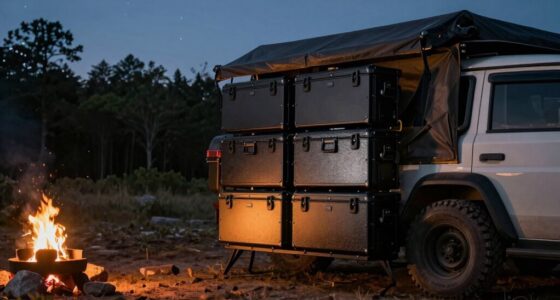
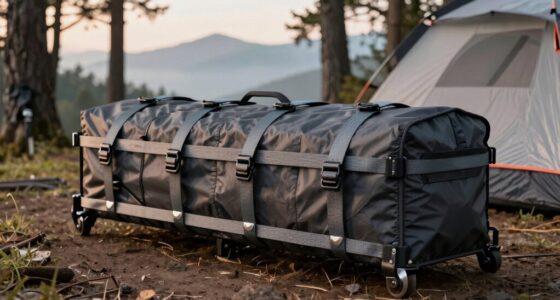
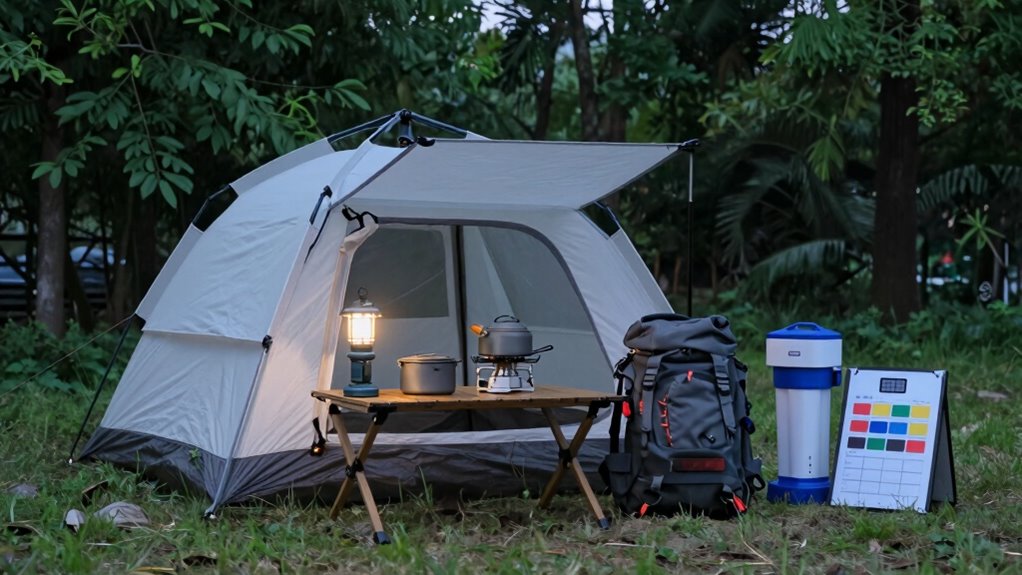
One of the key aspects of this approach is paying attention to gear organization. When your gear is systematically packed and stored, it’s easier to find what you need quickly and avoid unnecessary disruptions. Think about creating designated zones for different items—cookware, clothing, first aid, and tools—and keep similar items together. Using labeled containers or color-coded bags can streamline access, so you don’t waste time rummaging through everything. By developing a reliable system for gear organization, you minimize the time spent packing, unpacking, and searching during your trip, freeing you up to focus on the experience itself. Incorporating gear organization principles based on systems thinking can further enhance your efficiency. Additionally, establishing standardized routines can help streamline your setup and packing processes, saving you time and effort.
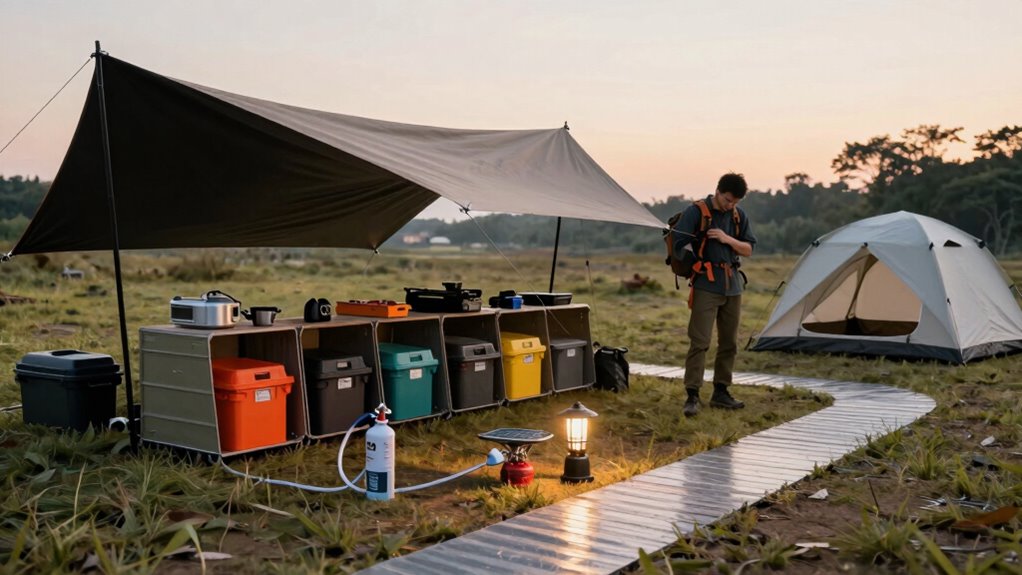
Campsite layout plays a vital role too. Instead of setting up randomly, plan your campsite layout with purpose. Consider the natural features of the site—shade, wind direction, proximity to water—and position your tent, cooking area, and seating accordingly. This strategic placement reduces the need to move things around later and makes your campsite more comfortable. For example, placing your cooking station away from your sleeping area prevents smoke and food odors from disturbing your rest. Also, think about accessibility—keep frequently used items close by, so you’re not constantly walking back and forth. When you design your campsite layout with systems thinking, each element complements the others, creating a harmonious environment that functions smoothly. Additionally, understanding the importance of contrast ratio in your gear setup can help ensure that your visual cues and organization are visible even in low-light conditions, improving overall efficiency. Incorporating regional flavors and insights into your campsite setup, such as local materials or natural camouflage, can enhance your experience and connection to the environment. Recognizing the regional characteristics of your camping area can help you adapt your systems for greater sustainability and effectiveness.

Gregory Alpaca 45L Waterproof Gear Organization/Camping Gear Box with Transparent Removable Lid, Mirage Tan
Clearview Lid designed with a gasket seal for waterproof and dustproof protection
As an affiliate, we earn on qualifying purchases.
As an affiliate, we earn on qualifying purchases.
Frequently Asked Questions
How Can I Adapt Systems Thinking for Solo Camping Trips?
You can adapt systems thinking for solo camping by focusing on solo preparedness and resource management. Plan your gear and supplies carefully, understanding how each item connects and supports your safety and comfort. Monitor your resources constantly, adjusting your plans as needed. Think of your trip as a system, where small changes affect overall success. This approach helps you stay efficient, safe, and prepared, making your solo adventure more enjoyable and sustainable.
What Tools Can Enhance My Camping Planning With Systems Thinking?
Think of your camping planning as weaving a tapestry—each tool adding to its strength. Use checklists and apps like Evernote or Trello to coordinate your camping gear and meal planning, ensuring nothing’s forgotten. These tools act as your compass, guiding you through complex decisions and helping you see how each piece fits. With them, you’ll streamline preparations, making your solo trip smoother and more enjoyable.
How Do I Balance Spontaneity and Planning Using Systems Thinking?
To balance spontaneity and planning, you use flexible planning combined with spontaneous decision making. You create a solid overall plan but leave room for adjustments based on real-time conditions or new ideas. By understanding your system’s limits and opportunities, you can adapt quickly without losing sight of your goals. This approach keeps your camping experience both enjoyable and efficient, allowing you to embrace surprises while staying organized.
Can Systems Thinking Improve Campsite Safety and Emergency Responses?
Yes, systems thinking can markedly improve campsite safety and emergency responses. You analyze how different elements—like risk assessment, safety protocols, and communication channels—interact, allowing you to identify vulnerabilities. By understanding these relationships, you can develop thorough safety plans and establish clear protocols. This proactive approach helps you respond faster to emergencies, minimizes risks, and creates a safer environment for everyone at your campsite.
How Does Weather Variability Impact My Systems-Based Camping Strategy?
Weather variability is like unpredictable waves at sea—your camping plans can shift suddenly. You need to monitor weather patterns closely and adapt your systems accordingly. Climate adaptation involves flexible strategies, such as choosing resilient gear and alternative shelter options. Staying alert to changing forecasts helps you respond proactively, ensuring safety and efficiency. By integrating weather insights into your planning, you can better navigate the uncertainties of nature.
camping tent with optimal campsite layout
As an affiliate, we earn on qualifying purchases.
As an affiliate, we earn on qualifying purchases.
Conclusion
So, next time you head out with your perfectly optimized camping system, don’t forget—your efficiency might just make the wilderness too easy. Ironically, overthinking every detail could turn your adventure into a well-oiled machine, missing the raw, unpredictable charm of nature. Sometimes, the best camping moments happen when you let go of the system, embrace the chaos, and realize that no plan can truly replace the joy of spontaneous discovery. Happy camping—unsystematically!
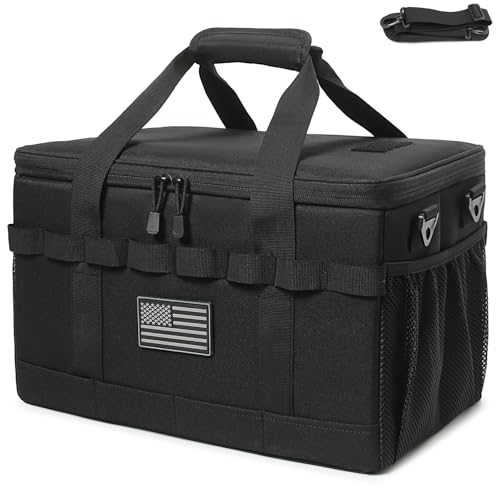
Lemubeane Tactical Camping Storage Bag 28L Tactical Utility Tote Bag Camping Cookware Organizer Trunk Organizer (Black)
One item includes a 28L camping storage bag, a shoulder strap and an US flag patch. Made of…
As an affiliate, we earn on qualifying purchases.
As an affiliate, we earn on qualifying purchases.

THTYBROS 17pcs Camping Cookware Kit, 0.45Gal Pot, 7inches Pan,0.30Gal Kettle Set with 2 Set Stainless Steel Cups Plates Forks Knives Spoons for Hiking,Camping,Backpacking,Outdoor Cooking and Picnic
CAMPING COOKWARE SET: THTYBROS Camping Cookware Set includes: 1.70L(0.45gal) pot +1.15L(0.30gal) kettle + 7 inch frying pan, 2…
As an affiliate, we earn on qualifying purchases.
As an affiliate, we earn on qualifying purchases.