To make outdoor tech more helpful and less distracting, prioritize devices with long-lasting batteries or use portable chargers, and turn off features like Bluetooth and Wi-Fi when not needed. Keep only essential information on your screens, and set notifications to urgent alerts only. Mount or organize your devices for quick access and familiarize yourself with controls beforehand. Paying attention to balancing tech tools with environmental awareness can enhance focus—learn how to optimize this balance for your outdoor adventures.

Get emergency and outdoor gear delivered free with Prime
- Fast, free delivery on millions of items
- Prime Video, Amazon Music and more included
- Member-only deals all year
Key Takeaways
- Customize device displays to show only essential information, reducing visual clutter and distraction.
- Turn off non-urgent notifications and alerts to maintain focus on the outdoor environment.
- Mount or organize devices for quick access, minimizing operational complexity during activities.
- Use simple, intuitive interfaces to operate devices efficiently without diverting attention.
- Prioritize long-lasting batteries or portable chargers to ensure device availability when needed most.
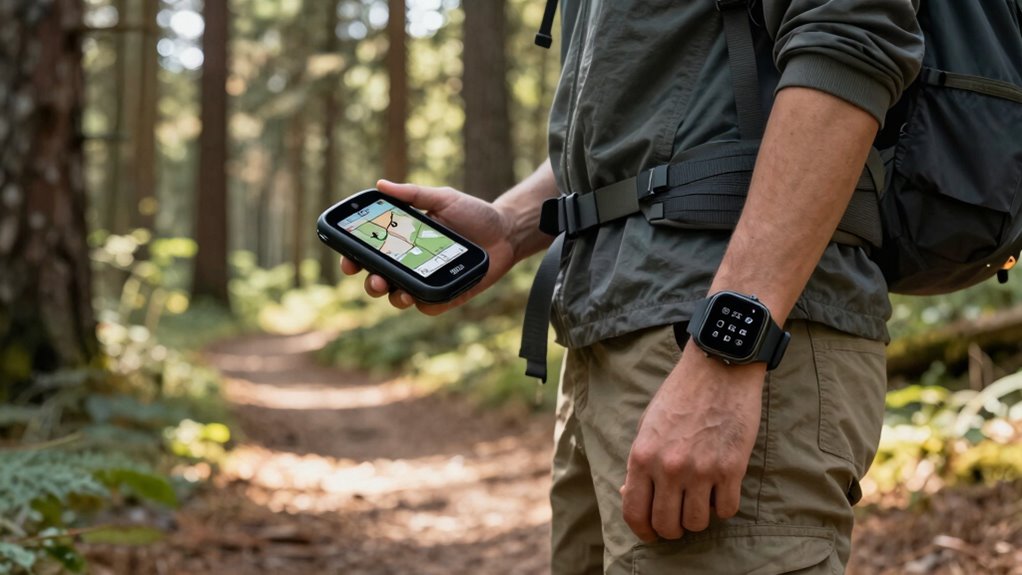
Outdoor technology can enhance your adventures, but it often feels more distracting than helpful if not managed properly. The key lies in understanding how to streamline your devices so they serve you instead of cluttering your experience. One major aspect to contemplate is battery management. When you’re out in the wild, running out of power can turn a great day into a frustrating one. To avoid this, prioritize devices with long-lasting batteries or pack portable chargers. Turn off features you don’t need, like Bluetooth or Wi-Fi, which drain power unnecessarily. Keep spare batteries or power banks handy, and consider investing in solar chargers if you’re planning extended trips. Proper battery management ensures your devices stay functional when you need them most, reducing the distraction of worrying about power. Additionally, understanding how to manage device usage effectively can make your outdoor experience more seamless and enjoyable. Being aware of how your devices impact your environment can also help you minimize unnecessary distractions and stay more connected to nature.
Another vital factor is your user interface. Modern outdoor tech often comes with complicated menus or confusing displays that can pull your focus away from nature. Instead, look for devices with simple, intuitive interfaces. You want to be able to access essential functions quickly, without hunting through layers of options. Devices with clear displays, large buttons, and straightforward controls make a big difference. When your user interface is designed with outdoor use in mind, you spend less time fiddling with gadgets and more time enjoying the scenery. This also minimizes the risk of accidental presses or misreads, which can be frustrating and distracting. If your device supports customization, set it up beforehand to show only the information you need—like navigation cues, weather updates, or emergency contacts—so your screen isn’t cluttered with unnecessary data.
Managing your outdoor tech also involves knowing when and how to use it. Keep your devices accessible but out of the way, so they become tools rather than distractions. For example, mount your GPS device securely on your backpack or bike, and set it to show only the essential info. Use notifications sparingly, turning off alerts that aren’t urgent. This way, your tech becomes a helpful assistant rather than a constant source of interruptions. It’s also worth practicing how you interact with your devices before heading out—familiarity with their controls helps you operate them efficiently, without fumbling or taking your eyes off your surroundings. Remember, tech etiquette can also help you maintain harmony with fellow outdoor enthusiasts and the environment.
In the end, making outdoor tech more helpful and less distracting is about balance. Prioritize devices with good battery management and simple user interfaces, and set them up thoughtfully before your trip. When you do, your gear will support your adventure instead of overshadowing it, letting you focus on the experience rather than the gadgets.
As an affiliate, we earn on qualifying purchases.
Frequently Asked Questions
How Can I Reduce Outdoor Tech Distractions for Children?
You can reduce outdoor tech distractions for children by setting clear boundaries on screen time and using parental controls. Limit how long they can use devices outside, and choose specific times for tech use. Enable parental controls to restrict access to distracting apps or content. Encourage outdoor activities that don’t involve screens, like games or nature exploration, so children stay engaged without constant tech interruptions.
What Are the Best Outdoor Tech Devices for Safety?
Think of outdoor tech as your guardian angel in disguise. The best safety devices include drone photography for aerial views and quick rescues, plus solar-powered gadgets that keep communication alive even in remote spots. These tools act like a safety net, ensuring you stay connected and aware. With solar-powered tech, your safety doesn’t depend on outlets—just sunlight. Choose these devices to turn outdoor adventures into secure, worry-free experiences.
How Do I Balance Tech Use With Outdoor Activity Time?
To balance tech use with outdoor activity time, set clear boundaries for digital detox periods, like turning off devices during hikes or outdoor meals. Practice mindful usage by being intentional about when and why you use technology, avoiding constant checking. This helps you stay present, enjoy nature fully, and reduce distractions. Scheduling tech-free times fosters a healthier balance, making your outdoor experiences more enriching and less dominated by screens.
Are There Eco-Friendly Outdoor Tech Options?
Yes, eco-friendly outdoor tech options exist. You can choose solar chargers that harness sunlight to power your devices sustainably. Look for biodegradable gadgets made from eco-conscious materials that break down naturally, reducing environmental impact. These options help you stay connected while respecting nature. By selecting solar-powered and biodegradable tech, you minimize your carbon footprint and enjoy outdoor adventures responsibly, making your tech use both helpful and environmentally friendly.
How Can I Troubleshoot Outdoor Tech Devices in Remote Areas?
Imagine you’re in a remote area with a device acting up. First, check device calibration to guarantee it’s functioning correctly. If signals are weak, try signal boosting by moving to higher ground or removing obstructions. Keep a portable charger handy to prevent power loss, and carry a manual or digital guide for troubleshooting. These steps help you stay connected and troubleshoot effectively, much like a knight facing a digital dragon in the wild.
As an affiliate, we earn on qualifying purchases.
Conclusion
By tuning your outdoor tech like a skilled gardener pruning a wild bush, you can keep it helpful without the chaos. Focus on what truly guides and supports you, trimming away distractions that clutter your experience. When your devices serve as trusty compass points instead of noisy sirens, your outdoor adventures become clearer and more enjoyable. Remember, you control the tools — shape them wisely, and they’ll become your loyal allies on every journey.
As an affiliate, we earn on qualifying purchases.
As an affiliate, we earn on qualifying purchases.
Halloween Picks
halloween
As an affiliate, we earn on qualifying purchases.