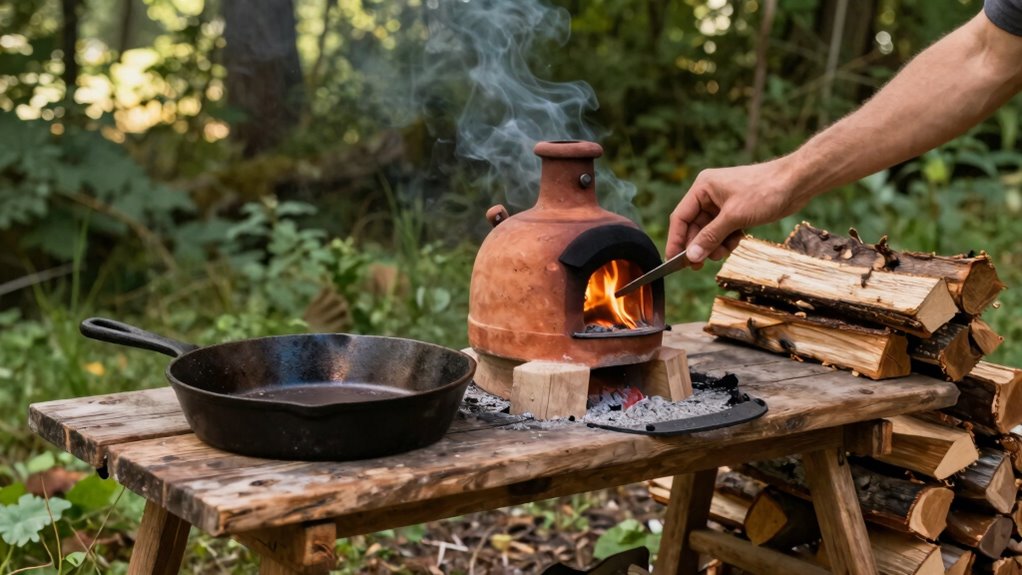

Off-grid cooking systems need more thought than you might expect because they rely on multiple factors like sunlight, weather, and fuel storage to work reliably. Poor planning can lead to longer cook times, safety issues, or no food during cloudy days or winter. Proper system design, quality components, and maintenance are essential to keep everything running smoothly. Keep exploring to discover how balancing these elements creates a dependable, efficient off-grid cooking setup.
Key Takeaways
- Effective off-grid systems require careful integration of solar, fuel storage, and backup sources to ensure reliability.
- Optimizing solar efficiency depends on precise placement, quality components, and weather conditions.
- Proper fuel storage must prioritize safety, accessibility, and protection from environmental factors.
- Climate variations influence the balance between solar reliance and fuel backup, affecting system design.
- Regular maintenance and technology upgrades are essential to sustain system performance and safety.
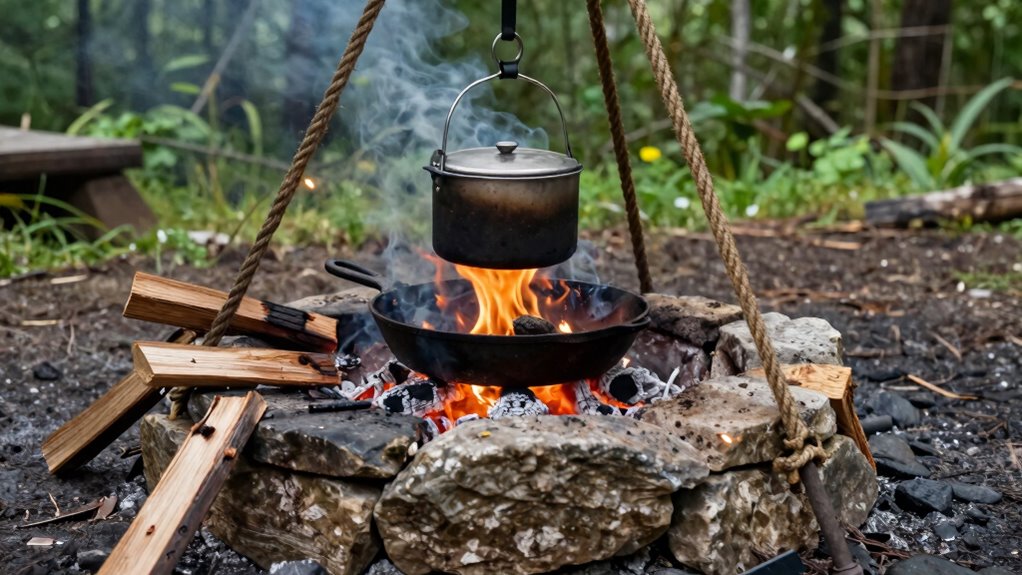
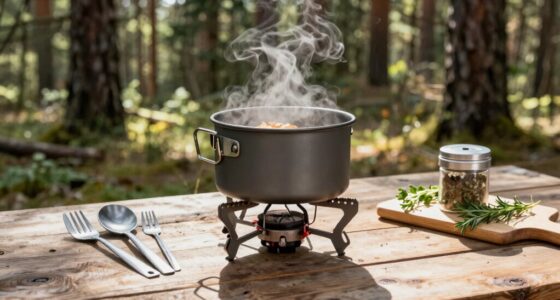
When you’re off the grid, traditional cooking methods often aren’t an option, but that doesn’t mean you have to go without warm meals. Off-grid cooking systems require careful planning and understanding of how different energy sources work. One of the most crucial considerations is solar efficiency. Solar-powered stoves and ovens rely on sunlight to generate heat, but their effectiveness depends heavily on your location, weather conditions, and the design of the system. If your solar setup isn’t optimized for efficiency, you might find yourself waiting longer for meals or unable to cook altogether during cloudy days or winter months. That’s why investing in high-quality solar panels and reflective surfaces can make a big difference. You want your system to capture as much sunlight as possible and convert it into usable heat with minimal loss. This means paying attention to placement, angle, and panel quality to maximize solar efficiency. Additionally, understanding the role of technology in maximizing energy output can help you choose the most effective components for your setup. Proper maintenance and monitoring of your solar equipment can also significantly improve overall system performance. A well-designed system that integrates solar energy with backup fuel sources can provide greater reliability during adverse weather conditions. Incorporating battery storage solutions can also help store excess energy for use during times when solar generation is low, further enhancing system reliability.
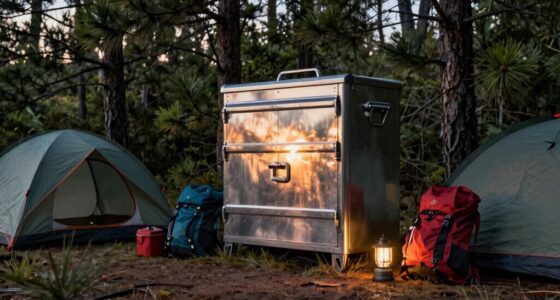
Fuel storage is another crucial aspect that often gets overlooked. Many off-grid cooking systems depend on fuels like propane, wood, or kerosene, but these fuels require proper storage solutions. You need enough fuel on hand to cook meals consistently without running out unexpectedly. Proper fuel storage isn’t just about quantity; it’s about safety and accessibility. You should store fuels in approved, well-ventilated containers away from living spaces and heat sources. Additionally, consider how easy it is to replenish your fuel supply, especially if you’re in a remote area. Having a reliable, organized storage system ensures you won’t be caught unprepared when hunger strikes. Also, understanding the safety considerations associated with fuel storage can help prevent accidents and ensure peace of mind. Being aware of weatherproof storage options can help keep your fuel supplies dry and safe over time. Recognizing the importance of fuel type selection can influence the efficiency and safety of your cooking system.
Balancing solar efficiency with fuel storage also means understanding your available resources and climate. For instance, if you live in an area with long, cloudy winters, relying solely on solar might not be practical. In such cases, having a robust fuel backup becomes essential. Conversely, if you’re in a sunny region, investing in solar efficiency can drastically reduce your dependence on fuels, making your system more sustainable and economical.
In essence, off-grid cooking isn’t just about choosing a stove or oven. It’s about integrating multiple energy sources thoughtfully, considering solar efficiency to maximize sunlight use, and ensuring your fuel storage is safe, sufficient, and convenient. When you plan carefully, your off-grid cooking system becomes reliable, efficient, and capable of providing warm meals no matter the circumstances.

Teenyyou 1 Pack Portable Foldable Solar Oven & Solar Cooker Mini Camp Stove with Sun-powered Heating Outdoor Cookware for Food Reheating & Compost Acceleration (Green)
- Includes Portable Green Solar Oven: Foldable, lightweight, with storage bag
- Easy Installation Method: Zipper and adhesive strip setup
- Additional Support for Lid: Wooden sticks prevent sagging
As an affiliate, we earn on qualifying purchases.
As an affiliate, we earn on qualifying purchases.
Frequently Asked Questions
How Do Off-Grid Cooking Systems Handle Extreme Weather Conditions?
Off-grid cooking systems handle extreme weather by focusing on weather resilience and system durability. You should choose designs that withstand wind, rain, and cold, like insulated cook stoves or solar setups with protective covers. Regular maintenance and strategic placement also help. By prioritizing weather resilience and system durability, you guarantee your cooking system remains reliable, no matter the conditions, keeping your off-grid experience safe and efficient.
What Safety Precautions Should Be Taken With Off-Grid Stoves?
A stitch in time saves nine, so prioritize safety with off-grid stoves. Always guarantee proper ventilation safety to prevent dangerous fumes buildup. Keep fire risk management in check by keeping flammable materials away, never leaving the stove unattended, and regularly checking for leaks or damage. Use heat-resistant surfaces and have a fire extinguisher nearby. These precautions protect you and your environment, making off-grid cooking safer and more reliable.
Can Off-Grid Cooking Systems Be Used for Baking or Roasting?
Yes, off-grid cooking systems can be used for baking and roasting, but indoor compatibility and cooking versatility vary. Portable wood stoves or rocket stoves often excel outdoors, but might not be suitable inside due to ventilation issues. You need to evaluate your setup carefully, ensuring safe airflow and proper insulation. With the right system, you can enjoy versatile cooking options, including baking and roasting, even in off-grid environments.
How Long Do Fuel Sources Typically Last in Off-Grid Systems?
Fuel sources in off-grid systems typically last anywhere from a few hours to several days, depending on fuel efficiency and your usage. To maximize duration, you should focus on maintaining your system regularly and following proper maintenance routines. Efficient fuel use means you get more cooking time out of each tank, so staying vigilant with upkeep guarantees your off-grid cooking system remains dependable and effective for longer periods.
Are Off-Grid Cooking Systems Environmentally Sustainable?
Off-grid cooking systems can be environmentally sustainable if you choose renewable energy sources like solar or wind power. These options greatly reduce your carbon footprint compared to traditional fuels, making your cooking practices eco-friendly. By prioritizing renewable energy, you lessen reliance on fossil fuels, decrease emissions, and support a sustainable lifestyle. Properly designed systems ensure efficiency and minimal environmental impact, helping you cook responsibly while protecting the planet.

RotopaX – 3 Gallon Gasoline Pack – Leakproof Portable Fuel Container, Red
- Leakproof Design: Seamless construction prevents leaks
- Durable Construction: Crush-resistant with three-layer molding
- Easy to Use: Quick twist-and-lock attachment
As an affiliate, we earn on qualifying purchases.
As an affiliate, we earn on qualifying purchases.
Conclusion
Thinking through your off-grid cooking system isn’t just about choosing a stove—consider factors like fuel availability, safety, and sustainability. For instance, a family in rural Montana initially relied solely on a wood stove, but during winter, fuel scarcity became a challenge. By integrating solar-powered appliances and a small propane backup, they created a more reliable, eco-friendly setup. Careful planning guarantees your off-grid cooking system meets your needs, no matter the season or circumstance.

SOLUPUP Solar Panels 30W Portable Foldable Solar Charger with 5V USB-A and USB-C Fast Charging Compatible with iPhone, iPad, Samsung, Power Banks, IPX5 Waterproof Perfect for Camping, Hiking, Outdoor
- High-Efficiency Solar Panel: 23%+ energy conversion rate for faster charging
- Dual USB Output Ports: Charges two devices simultaneously with USB-A and USB-C
- IPX5 Waterproof & Dustproof: Resistant to rain, dust, and harsh weather
As an affiliate, we earn on qualifying purchases.
As an affiliate, we earn on qualifying purchases.

Off the Grid Eating: Recipes for Survival and Enjoyment without Electricity (Prepper's Kitchen)
As an affiliate, we earn on qualifying purchases.
As an affiliate, we earn on qualifying purchases.