
Better device placement boosts your safety by ensuring alarms and sensors detect hazards early and alert you quickly. Proper positioning helps you recognize risks, like fires or carbon monoxide leaks, before they become dangerous. It also prevents devices from being blocked or hidden, improving their effectiveness. Moving appliances to open areas and avoiding clutter keeps hazards at bay. Keep these tips in mind, and you’ll discover even more ways to improve your safety setup and protect your loved ones.
Key Takeaways
- Improves early detection of hazards like fires or gas leaks, enabling quicker responses.
- Ensures devices function properly, reducing false alarms or missed alerts.
- Minimizes physical obstructions and trip hazards, promoting safer movement around the home.
- Enhances overall hazard awareness, helping to identify and prevent risks proactively.
- Supports effective coverage of the environment, increasing safety for all household members.
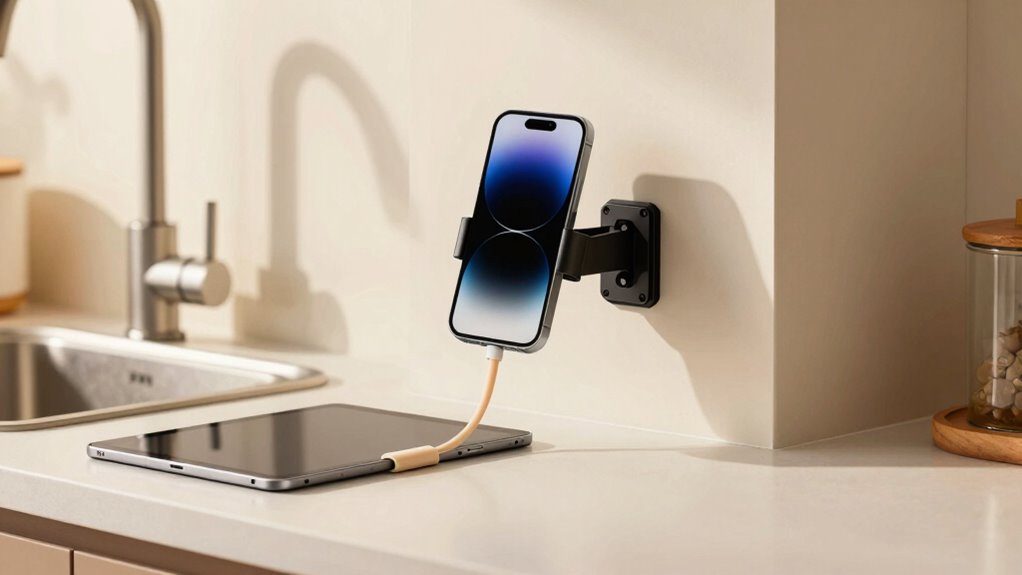
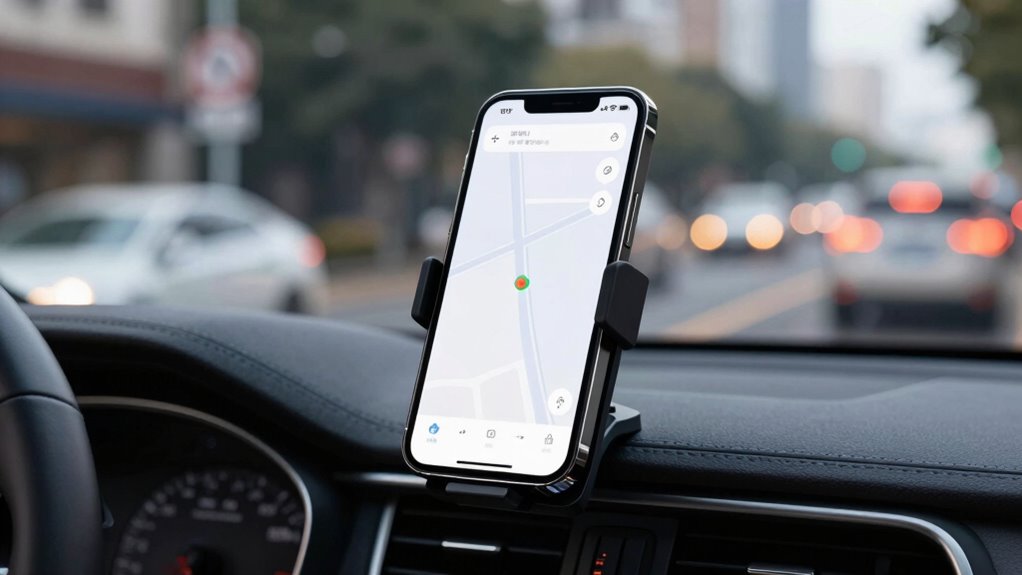
Have you ever considered how the placement of devices in your home can impact safety? The way you position everyday gadgets isn’t just about convenience — it directly influences hazard awareness and your ability to respond quickly in emergencies. Proper device orientation makes a huge difference, especially with items like smoke alarms, carbon monoxide detectors, and even small appliances. When these devices are correctly oriented, they function at their best, alerting you promptly and reducing potential risks. For example, smoke alarms should be mounted on the ceiling or high on walls to detect smoke early, while carbon monoxide detectors should be placed at knee or chest level where you’re most likely to notice symptoms or alerts.
Proper device placement enhances safety and ensures quick alerts during emergencies.
You might not realize it, but poor device placement can create hazards rather than prevent them. If a smoke alarm is hidden behind furniture or placed too far from sleeping areas, its signal might be delayed or muffled, leaving you vulnerable during a fire. Similarly, placing a device with a cord or sharp edges near walkways increases the risk of trips or electrical hazards. By paying attention to device orientation, you help guarantee these devices are positioned in the safest possible spots, making them more effective in alerting you to danger. Additionally, device placement guidelines from safety experts can provide valuable insights into optimal positioning, helping you make informed decisions for your home.
Hazard awareness goes hand in hand with thoughtful device placement. When you’re mindful of where you put devices, you’re better equipped to recognize potential risks. For instance, placing a small appliance like a space heater near curtains or combustible materials increases fire risk. Moving it to a clear, open area reduces that hazard. Moreover, incorporating landscaping elements such as barriers or pathways can help prevent accidental bumps or knocks that may damage devices or cause trips. Understanding the importance of hazard awareness can further enhance your safety measures, ensuring you’re prepared for unexpected situations. Positioning outlets and switches in accessible, well-lit locations enables quick action if something goes wrong, like unplugging a malfunctioning device before it causes damage or injury.
Good device placement also means considering the flow of your home. You want devices to be accessible but not intrusive, avoiding cluttered spaces that can cause confusion or accidents. Regularly inspecting and adjusting device orientation ensures they serve their purpose without becoming hazards themselves. Thinking about the placement of security cameras or smart sensors — they should be positioned to maximize coverage while avoiding blind spots or obstructions that reduce their effectiveness. Proper hazard prevention depends on understanding how device positioning impacts safety and ensuring all devices are configured in ways that enhance overall hazard awareness.
In the end, better device placement isn’t just about neatness; it’s a crucial step in hazard prevention. When you make conscious choices about device orientation and location, you create a safer environment for everyone in your home. You’ll have greater hazard awareness, quicker responses to emergencies, and peace of mind knowing that your devices are working as they should, helping you avoid accidents before they happen.
best smoke alarms for ceiling mounting
As an affiliate, we earn on qualifying purchases.
As an affiliate, we earn on qualifying purchases.
Frequently Asked Questions
How Often Should I Check My Device Placement for Safety?
You should check your device placement at least once a month to guarantee safety. Regular device maintenance helps identify any shifts or issues that could compromise its effectiveness. Keep an eye on placement improvement by making sure the device is securely positioned and functioning properly. Frequent checks prevent potential accidents and ensure your device operates at its best, providing you with the safety and peace of mind you need every day.
Can Device Placement Prevent All Types of Accidents?
Think of device placement as a lighthouse guiding your safety, but it can’t illuminate every hidden hazard. While proper placement reduces false alarms and prevents some accidents, it doesn’t cover all dangers. You still need awareness and precautions, because unseen risks lurk behind corners. Good placement is a crucial tool, but staying alert and cautious helps you navigate safely through life’s unpredictable waters.
Are There Specific Devices Better Suited for Certain Environments?
Yes, specific devices are better suited for certain environments based on device compatibility and environmental considerations. For example, rugged, waterproof devices work well outdoors, while compact, lightweight gadgets suit indoor spaces. You should assess factors like moisture, temperature, and potential impacts to select the right device. Proper placement guarantees safety, durability, and effective use, helping you adapt your devices to different settings and minimize risks.
How Does Device Placement Affect Battery Life?
You might notice your device’s battery drains faster when placement isn’t optimized. Proper placement strategies improve battery life by reducing heat, avoiding interference, and enhancing signal strength. Coincidentally, placing devices away from direct sunlight or heat sources, and in areas with stable signals, supports battery optimization. Thoughtful positioning guarantees your device uses power efficiently, giving you longer usage and peace of mind, especially during vital moments.
What Are Common Mistakes to Avoid in Device Placement?
You should avoid poor device ergonomics and placement hazards, like placing your device in awkward positions or near edges where it could fall. Don’t keep devices in cluttered areas or at awkward angles that strain your neck or wrists. Also, steer clear of blocking vents or ports. Proper placement guarantees safety, comfort, and reduces the risk of accidents, making your daily use safer and more efficient.
carbon monoxide detectors at chest level
As an affiliate, we earn on qualifying purchases.
As an affiliate, we earn on qualifying purchases.
Conclusion
By placing your devices thoughtfully, you’re not just setting up gadgets—you’re weaving a safety net that catches you before trouble strikes. Think of your devices as vigilant guardians, standing guard at every corner, ready to alert you of danger’s approach. When you position them wisely, you’re turning your space into a fortress of security, where peace of mind blooms like a sturdy tree in a storm. Stay alert, stay safe, and let your devices be your silent protectors.
As an affiliate, we earn on qualifying purchases.
fire and gas leak safety devices
As an affiliate, we earn on qualifying purchases.
As an affiliate, we earn on qualifying purchases.