Using bear-resistant storage is key to responsible camp planning because it helps prevent wildlife conflicts and protects the environment. When you store food properly, you reduce the chances of attracting bears and other animals, which can lead to dangerous encounters and damage to natural habitats. Securing trash and leftovers also keeps wildlife wild and undisturbed. By making these smart choices, you support conservation efforts and keep wilderness areas pristine—exploring more will show you how to implement these practices effectively.
Key Takeaways
- Incorporating bear-resistant storage reduces attractants, promoting wildlife safety and minimizing human-wildlife conflicts during camping.
- Proper use aligns with Leave No Trace principles, preserving the natural environment and preventing ecosystem disruption.
- Using designated bear-proof containers demonstrates responsible outdoor behavior and compliance with park or wilderness regulations.
- Strategic placement of storage minimizes trail and water source contamination, supporting sustainable camping practices.
- Educating campers on bear-resistant storage fosters conservation awareness and enhances overall responsible camping efforts.

When camping in bear country, responsible planning and proper storage practices are crucial to keep both you and wildlife safe. Using bear-resistant storage is a key part of this planning. It minimizes the chances of attracting bears to your campsite, which is essential for wildlife safety. When bears are drawn to food or scented items, they become habituated to human presence, increasing the risk of dangerous encounters. Proper storage not only protects you from potential bear attacks but also helps maintain the natural behaviors of local wildlife, preventing unnecessary conflicts. This approach aligns with a commitment to reducing the environmental impact of camping. When bears are not attracted to campsites, they are less likely to venture into human areas, which decreases the chances of bears being killed or relocated due to conflicts. Responsible camp planning involves understanding how your actions influence the environment and working to minimize negative effects. Using bear-resistant containers, such as metal lockers or bear-proof food canisters, ensures that your food and scented items are inaccessible to bears. These containers are designed to withstand significant force, making it difficult for bears to open them, which discourages bears from associating human campsites with easy food sources. Incorporating this into your camping routine demonstrates respect for wildlife and their habitats. It also shows that you’re committed to preserving the wilderness for future visitors. Besides safety, proper storage helps you avoid unintended consequences that could harm the environment, such as food waste or garbage left exposed, which can attract a variety of wildlife, not just bears. Proper storage practices also involve selecting appropriate storage locations away from trails and water sources, to further reduce environmental impact. When trash and leftovers are secured properly, you prevent other animals from becoming dependent on human food, which can alter their natural foraging behaviors and disrupt local ecosystems. Additionally, education about proper storage can empower campers to make informed decisions that support conservation efforts. Responsible camp planning also involves understanding how your actions influence the environment and working to minimize negative effects. Proper storage practices are essential for wildlife conservation and ensuring that ecosystems remain balanced. By doing so, you’re helping keep the area undisturbed and pristine. Overall, integrating bear-resistant storage into your camping routine is a proactive step that supports wildlife safety and environmental preservation. It shows respect for the natural balance and promotes a sustainable outdoor experience. When everyone adopts these practices, we collectively reduce conflicts with wildlife, protect vulnerable species, and ensure that future generations can enjoy untouched nature. Proper storage isn’t just a safety measure; it’s a crucial part of being a responsible camper in bear country.

UDAP Bear-Resistant Food Canister – IGBC Approved Lightweight Bear-Proof Container for Backpacking, Camping & Hiking, 2.1 Gallon / 8 Liter, 8” x 10”
DESIGNED BY A GRIZZLY BEAR ATTACK SURVIVOR – Created by Mark Matheny, who survived a grizzly bear attack…
As an affiliate, we earn on qualifying purchases.
As an affiliate, we earn on qualifying purchases.
Frequently Asked Questions
How Do Bear-Resistant Containers Differ From Regular Storage Options?
Bear-resistant containers differ from regular storage options by prioritizing wildlife safety and storage durability. They are specifically designed to withstand bear attempts to access food or scented items, reducing the risk of bears becoming habituated to human food. Regular storage options often lack this robustness, making them less effective at deterring bears. Using bear-resistant containers helps protect both wildlife and campers while ensuring your supplies stay secure during your outdoor adventure.
Are Bear-Resistant Storage Solutions Legally Required in All Camping Areas?
You might think all camping areas require bear-resistant storage, but that’s not always true. Legal requirements vary by location, and enforcement policies can be strict or lax depending on the region. In some national parks, it’s mandatory to use bear-resistant containers, while in others, recommendations suffice. Always check local regulations before your trip to make sure you’re complying, as failure to follow laws could lead to fines or other penalties.
What Maintenance Is Needed to Keep Bear-Resistant Storage Effective?
To keep your bear-resistant storage effective, you need to follow regular cleaning protocols and inspection routines. Clean the storage containers after each use to prevent food odors that attract bears. Routinely inspect for damage, cracks, or wear that could compromise its bear-resistant features. Promptly repair any issues to guarantee the storage remains secure. Consistent maintenance helps ensure your storage stays effective and protects wildlife while you enjoy your camping experience.
Can Bear-Resistant Storage Be Used for Non-Food Items?
You might find it surprising, but bear-resistant storage isn’t just for food; it’s also great for non-food items. You use it to secure gear, toiletries, or anything that could attract bears. This helps address security concerns, ensuring your belongings stay safe and undisturbed. Plus, it’s a responsible way to protect wildlife by reducing their dependency on human food sources. So yes, it’s versatile and essential for responsible camping.
How Do Bear Behaviors Influence Storage Choices for Campers?
Bear activity greatly influences your storage choices, as high bear activity means you should prioritize bear-resistant containers. Their keen sense of smell makes food scent control essential, so using bear-resistant storage minimizes attracting bears. During periods of increased bear activity, you must be diligent, ensuring all scented items are stored properly. This reduces the chance of bears approaching your campsite, keeping both you and wildlife safe.
UDAP Bear-Resistant Food Canister – IGBC Approved Lightweight Bear-Proof Container for Backpacking, Camping & Hiking, 2.1 Gallon / 8 Liter, 8” x 10”
DESIGNED BY A GRIZZLY BEAR ATTACK SURVIVOR – Created by Mark Matheny, who survived a grizzly bear attack…
As an affiliate, we earn on qualifying purchases.
As an affiliate, we earn on qualifying purchases.
Conclusion
By choosing bear-resistant storage, you protect wildlife, preserve natural habitats, and guarantee your safety. It’s about respecting the environment, preventing conflicts, and setting a good example. It’s about being responsible, being prepared, and being conscientious. Remember, responsible camp planning isn’t just about your trip—it’s about leaving a positive impact behind. Embrace bear-resistant storage as part of your adventure, and you’ll enjoy peace of mind, harmony with nature, and a memorable experience that respects the wild.
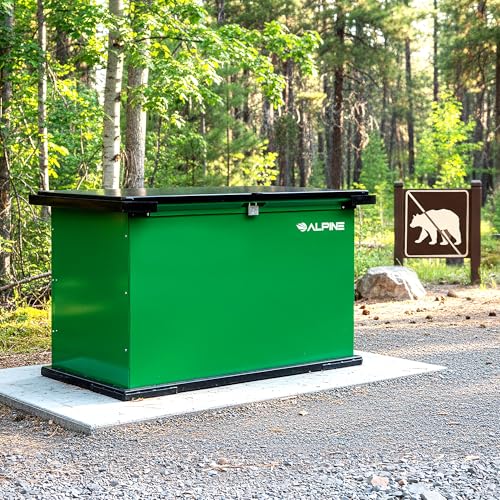
Alpine Bear Proof Garbage Can – IGBC Certified 197 Gallon Commercial Bear Resistant Outdoor Trash Can with Locking Lid, Heavy Duty Steel Build for Wildlife Control in Parks & Campgrounds
✔️ IGBC Certified Protection: Tested against real grizzlies and meets official bear-resistant standards required in parks and regulated…
As an affiliate, we earn on qualifying purchases.
As an affiliate, we earn on qualifying purchases.

GSI Outdoors Infinity Storage Set I 3 Piece Food Storage for Camping and Backpacking
VERSATILE SIZES: Includes 12, 16, and 24 oz containers for various food storage needs
As an affiliate, we earn on qualifying purchases.
As an affiliate, we earn on qualifying purchases.