
As you venture into remote areas, you’ll find that safety technology and portable power sources are becoming essential for your preparedness. Modern equipment like satellite phones, personal locator beacons, and solar chargers guarantee you stay connected and powered up in isolated environments. These innovations help you navigate risks more confidently and independently. If you want to discover how these advancements are shaping safer, more adventurous journeys, there’s much more to explore.

Get emergency and outdoor gear delivered free with Prime
- Fast, free delivery on millions of items
- Prime Video, Amazon Music and more included
- Member-only deals all year
Key Takeaways
- Advances in technology have made safety devices more reliable, rugged, and suitable for extreme remote environments.
- Increased remote travel popularity drives demand for specialized, portable safety and communication equipment.
- Modern devices like satellite phones and PLBs enable quick emergency response in areas without traditional networks.
- Portable power sources ensure continuous device functionality, supporting communication and navigation in remote areas.
- Customizable and user-friendly safety gear enhances self-reliance and risk management during remote expeditions.

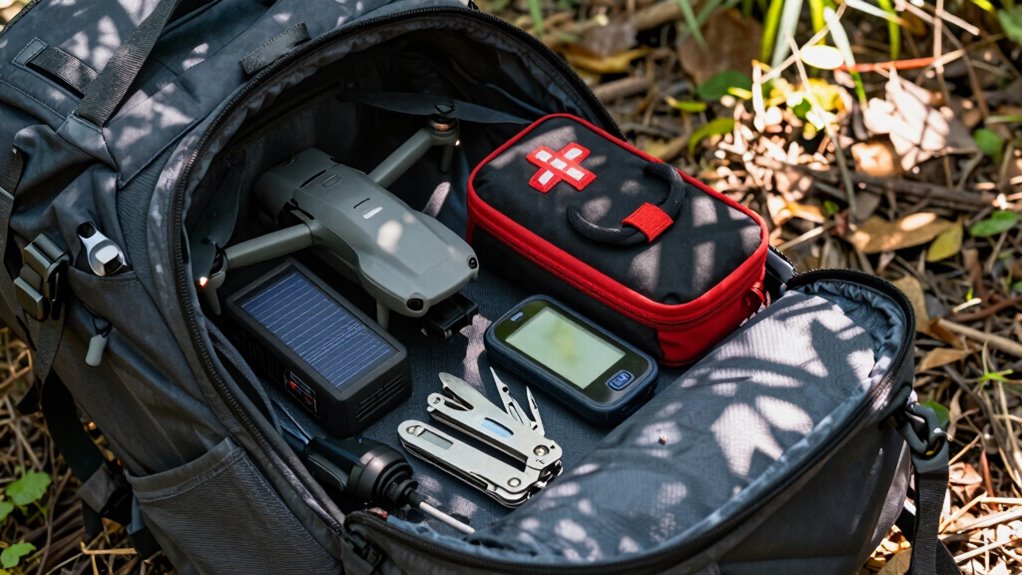
When venturing into remote areas, being prepared with the right travel equipment can make all the difference between a safe journey and a risky situation. As you explore farther from civilization, traditional means of communication often become unreliable or completely unavailable. That’s why emergency communication devices are now essential components of any travel kit. Whether it’s a satellite phone, a personal locator beacon (PLB), or a two-way satellite messenger, these tools enable you to reach help or alert others if trouble arises. They provide peace of mind, allowing you to venture further with confidence that help is just a button press away. The growing availability and affordability of these devices reflect the increasing importance placed on safety in remote travel.
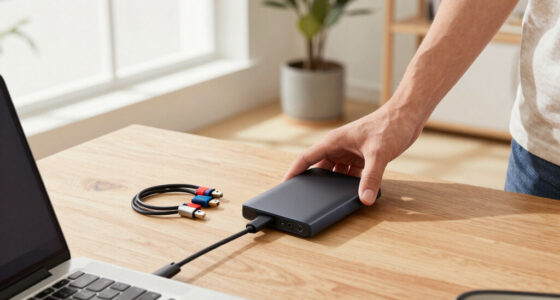
Alongside emergency communication, portable power sources have become a fundamental part of modern travel gear. Your devices—smartphones, GPS units, cameras, and even portable medical devices—depend on reliable power, especially in areas where electricity isn’t accessible. Portable power banks, solar chargers, and compact generators ensure your gear stays functional throughout your trip. This shift toward more equipment-driven travel is driven by the need to stay connected and safe without relying on local infrastructure. You no longer have to worry about your devices dying at critical moments; instead, you can keep your communication tools active and your navigation accurate, no matter how remote the location. Additionally, the increasing use of emergency communication devices highlights how technology is transforming remote safety practices. As technology continues to evolve, advanced safety features are becoming more integrated into these devices, further enhancing their reliability and usefulness. Innovations in remote safety technology are also making these devices more rugged and adaptable to extreme conditions, ensuring they function reliably in harsh environments.
This increased focus on equipment isn’t just about convenience; it’s about safety and self-reliance. As the challenges of remote travel grow, so does the array of specialized gear designed to address those challenges. For example, lightweight, durable emergency communication devices can operate in extreme weather, while portable power solutions are designed to be efficient and easy to carry. Innovations in technology mean that these devices are becoming more accessible and user-friendly, making remote safety more attainable for travelers of all experience levels. The integration of advanced communication technology ensures that even in the most isolated environments, help is within reach. These innovations mean that you can customize your setup based on the environment and length of your trip. The trend toward more equipment-driven travel underscores the reality that remote areas demand more than just a map and a backpack. It’s about integrating technology seamlessly into your adventure to ensure you’re prepared for anything.
Ultimately, the reason remote travel preparedness is leaning heavily toward equipment is simple: technology enhances safety, increases independence, and reduces risks. With better emergency communication tools and reliable portable power sources, you’re better equipped to handle unforeseen challenges. This gear allows you to explore more confidently, knowing you’re prepared for the unexpected. As remote travel continues to grow in popularity, so will the sophistication and accessibility of the equipment, making adventures safer and more enjoyable for everyone willing to venture off the beaten path.
satellite phone for remote travel
As an affiliate, we earn on qualifying purchases.
As an affiliate, we earn on qualifying purchases.
Frequently Asked Questions
How Often Should Remote Travel Equipment Be Updated?
You should update your remote travel equipment regularly, ideally following its maintenance schedule. Check batteries, firmware, and hardware components at least every 6 to 12 months, especially before long trips. Proper storage solutions help preserve equipment quality, so store items in a cool, dry place when not in use. Regular updates guarantee your gear remains reliable, functional, and ready when you need it most, preventing unexpected failures.
What Are the Most Lightweight Essential Tools?
You need lightweight gear and essential tools that are easy to carry, quick to set up, and reliable in any situation. Think compact multi-tools, slim power banks, lightweight flashlights, and foldable water bottles. Prioritize items that combine functionality with portability, so you stay prepared without weighing yourself down. These essentials help you adapt to remote environments efficiently, ensuring you’re equipped and agile without sacrificing mobility.
Can Equipment Handle Extreme Weather Conditions?
Yes, equipment designed for remote travel can handle extreme weather conditions, thanks to enhanced climate resilience and gear durability. You’ll find gear made with tough materials that resist water, wind, and temperature fluctuations. This guarantees your equipment stays functional and reliable in harsh environments. By choosing high-quality, weather-resistant gear, you improve your safety and preparedness, making it easier to adapt to unpredictable weather while exploring remote locations.
How to Ensure Equipment Compatibility Across Regions?
Imagine you’re deploying equipment across Europe and Asia; to guarantee compatibility, you focus on regional power standards and equipment customization. You’d select devices adaptable to different voltage and plug types, and customize power adapters accordingly. Conduct thorough regional assessments beforehand, and work with local suppliers to verify equipment meets specific standards. This proactive approach minimizes issues, ensuring your gear functions seamlessly regardless of regional differences, keeping your remote operations smooth and reliable.
What Are the Safety Risks of Relying on Equipment?
Relying on equipment poses safety risks, especially if emergency communication devices fail or are incompatible with local networks. You might also face personal safety gear issues, like malfunctioning or inadequate protection, which can jeopardize your well-being. Always test your equipment beforehand, carry backup communication options, and confirm your personal safety gear meets regional standards. Staying prepared minimizes risks and keeps you safe during remote travels.
As an affiliate, we earn on qualifying purchases.
Conclusion
So, stay savvy and stay prepared. Packing the right equipment isn’t just about safety; it’s about securing your serenity, strengthening your spirit, and soothing your stress. Equip yourself with essentials, embrace the expedition, and empower your experience. When you’re well-equipped, worries wane, and wonders wait. Remember, preparedness isn’t just practical—it’s powerful, paving the way for worry-free adventures. Get gear, get going, and glide confidently into every incredible encounter ahead.
As an affiliate, we earn on qualifying purchases.
As an affiliate, we earn on qualifying purchases.
Fall Picks
fall essentials
As an affiliate, we earn on qualifying purchases.