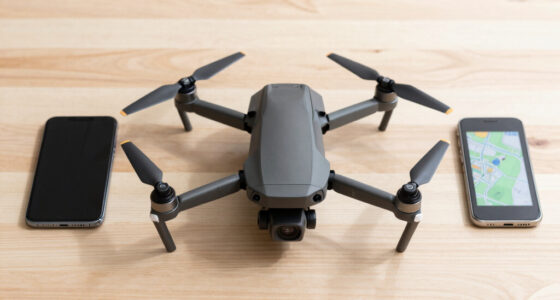
To adapt to extreme weather caused by climate change, equip yourself with essential tech gear like solar-powered chargers, portable weather radios, and GPS devices. These tools keep you informed, maintain communication, and guarantee safety during storms or heatwaves. Using eco-friendly batteries and sustainable gear also minimizes your environmental impact. Staying prepared with this technology helps you enjoy your outdoor experience safely and responsibly. Keep exploring to discover more ways to stay resilient in changing conditions.
Key Takeaways
- Use portable, real-time weather radios for timely updates on changing conditions during camping trips.
- Employ solar-powered chargers and extra batteries to keep essential devices operational in remote or stormy environments.
- Incorporate GPS devices for reliable navigation and safety in unpredictable weather and challenging terrains.
- Opt for weather-resistant tech gear like durable smartphones and protective cases to withstand rain and wind.
- Select eco-friendly, durable camping equipment that minimizes environmental impact while providing reliable weather protection.
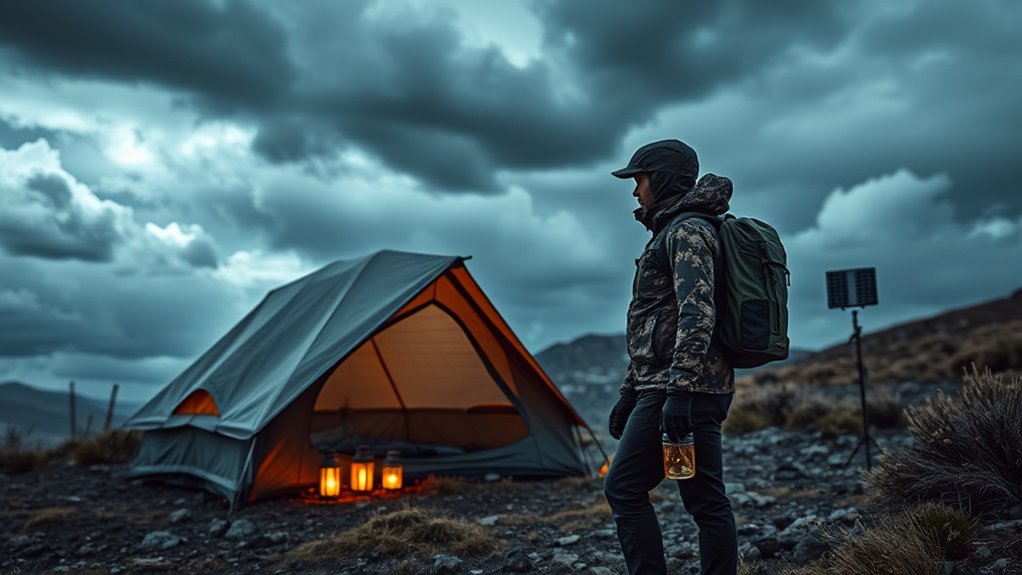
As climate change accelerates, camping trips are more than just a chance to unwind—they’re an opportunity to connect with and safeguard the environment. But with unpredictable weather becoming the norm, you need to be ready for anything. Weather preparedness is essential to keep yourself safe and comfortable, especially as storms, heatwaves, and heavy rains become more frequent. One way to do this is by investing in sustainable gear that minimizes your environmental impact while offering reliable protection against the elements. Choosing eco-friendly tents, sleeping bags, and cookware made from recycled or renewable materials ensures you’re reducing waste and supporting responsible manufacturing practices.
Being prepared for extreme weather also means staying informed. Before your trip, check detailed weather forecasts and pay attention to alerts for storms or sudden temperature shifts. Pack versatile clothing layers that can keep you warm during cold snaps and cool during heatwaves. Think moisture-wicking base layers, insulating mid-layers, and waterproof outer shells. These items will help you adapt quickly to changing conditions without overpacking. Additionally, bring weather-resistant gear like tarps or tents designed for high winds and heavy rain, so you’re protected no matter what Mother Nature throws your way.
Stay informed and pack versatile, weather-resistant layers to adapt safely to changing conditions.
When your focus is on weather preparedness, you should also consider tech gear that enhances your safety. Portable weather radios, solar-powered chargers, and GPS devices can be lifesavers if conditions worsen. Solar chargers, in particular, align with sustainable principles, allowing you to keep your devices powered without relying on disposable batteries or fossil fuels. This tech ensures you stay connected and informed, especially if you’re far from help or in areas prone to sudden storms or heat waves. Also, consider bringing extra batteries or power banks, so your essential devices remain functional during prolonged bad weather.
In addition to gear, your campsite setup can help you better withstand extreme weather. Use sustainable materials for stakes and pegs, and set up your tent in a sheltered spot away from flood-prone areas or loose branches. Elevate your gear off the ground to avoid water damage during heavy rains. Proper site selection and preparation can make a significant difference in weather resilience. By combining weather preparedness with sustainable gear choices, you’re not only protecting yourself but also minimizing your environmental footprint. It’s about being thoughtful and proactive, ensuring your outdoor experience remains enjoyable and safe regardless of shifting climate patterns.
Ultimately, embracing weather preparedness with eco-friendly gear allows you to adapt to the new climate realities while respecting nature. Your efforts help preserve the very environment you’re exploring, making each trip more responsible and rewarding. As you gear up for your next adventure, remember that being prepared isn’t just about personal safety—it’s also a step toward protecting our planet for future generations.
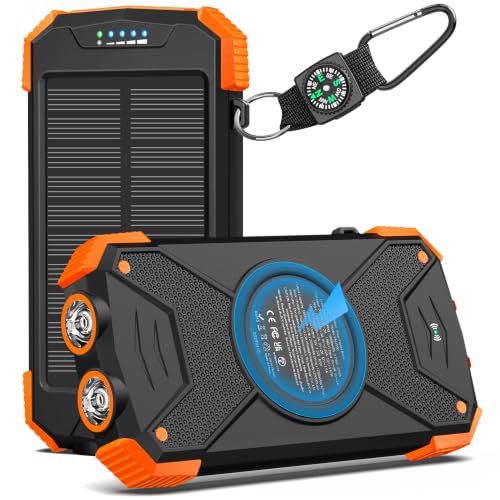
BLAVOR Solar Power Bank 10,000mAh, Portable Wireless Charger, 20W Fast Charging External Battery Pack with USB C for Cell Phones, Solar Panel Charging with Dual Flashlight for Camping
- Trusted Brand with Outdoor Focus: Over 10 years of solar power expertise
- Fast USB-C & Wireless Charging: 20W fast charging for multiple devices
- Supports 3 Devices Simultaneously: Multiple input/output options for convenience
As an affiliate, we earn on qualifying purchases.
As an affiliate, we earn on qualifying purchases.
Frequently Asked Questions
How Can I Find Climate-Resilient Camping Gear?
You can find climate-resilient camping gear by looking for items with sustainable design and innovative insulation. Search for brands committed to eco-friendly materials and durability, ensuring your gear withstands extreme weather. Check reviews and product details for features like waterproofing, breathability, and temperature regulation. Additionally, visit outdoor stores or websites specializing in eco-conscious gear to discover the latest innovations that adapt to changing climate conditions.
Are There Eco-Friendly Materials for Extreme Weather Gear?
Yes, eco-friendly materials for extreme weather gear include biodegradable fabrics and recycled materials. You can find jackets made from recycled PET bottles or tents using sustainably sourced, biodegradable fabrics that break down naturally. These options help reduce environmental impact while offering durability. When shopping, look for gear labeled with eco-certifications or made from innovative, sustainable textiles to guarantee you’re choosing gear that’s both resilient and kind to the planet.
What Safety Tips Suit Unpredictable Climate Conditions?
To stay safe in unpredictable climate conditions, always check weather forecasting before your trip. Pack emergency preparedness gear, including extra clothing, a first aid kit, and reliable shelter. Stay alert for sudden weather changes, and have a plan to seek shelter quickly if needed. Keep communication devices charged, and inform someone of your itinerary. Being prepared guarantees you can adapt swiftly to extreme weather and stay safe during your camping adventure.
How to Maintain Gear Durability in Severe Weather?
To maintain gear durability in severe weather, you should regularly clean your gear to prevent damage from dirt or moisture. Use appropriate storage solutions like waterproof containers or sealed bags to protect your equipment from elements and humidity. Always dry your gear thoroughly before storing, and inspect it for wear and tear. Taking these steps guarantees your gear stays resilient and ready for unpredictable conditions.
Can Technology Reduce Environmental Impact During Camping?
Think of your camping gear as a tiny eco-ship sailing through a stormy sea. You can reduce your environmental impact by using solar power to charge devices, turning sunlight into clean energy instead of relying on batteries. Water filtration systems allow you to access safe drinking water without plastic waste. These technologies help you enjoy nature responsibly, minimizing your footprint while keeping your adventure sustainable and eco-friendly.

FosPower NOAA Emergency Weather Radio A1 7400mWh Portable Power Bank, AM/FM, USB/Solar/Hand Crank Charging, Battery Operated, SOS Alarm & Flashlight for Indoor/Outdoor Emergency – Orange
- Power Bank Capacity: 7400mWh (2000mAh) portable power
- Multiple Power Sources: Crank, solar, AAA batteries
- Built-in Lighting: LED reading light and flashlight
As an affiliate, we earn on qualifying purchases.
As an affiliate, we earn on qualifying purchases.
Conclusion
As you gear up for future adventures, remember that adapting to climate change isn’t just about tech—it’s about mindset. Embrace innovative gear and stay flexible, like a true 21st-century explorer. Prepare for sudden storms or scorching days, and keep your spirit of adventure alive. After all, in this brave new world, your preparedness is your best armor—just like a knight in shining armor, ready for whatever tomorrow throws your way.

Garmin 010-02256-00 eTrex 22x, Rugged Handheld GPS Navigator, Black/Navy
- Reliable Handheld GPS: Explore confidently with this device
- Sunlight-Readable Display: 2.2-inch color screen with 240×320 pixels
- Preloaded Topo Maps: Includes routable roads and trails for cycling and hiking
As an affiliate, we earn on qualifying purchases.
As an affiliate, we earn on qualifying purchases.
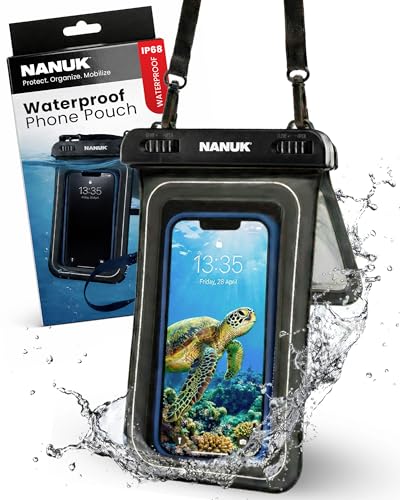
NANUK Waterproof Phone Pouch – IP68 Floating Underwater Dry Bag for Snorkeling & Beach – Touchscreen Case with Adjustable Crossbody Strap, Dual Pockets – Fits All Smartphones (9.45" x 5.43") – Black
- Waterproof and Floats: IP68-rated protection with floating design
- Touchscreen Compatibility: Responsive clear window for easy use
- Adjustable Crossbody Strap: Comfortable, customizable fit for all-day wear
As an affiliate, we earn on qualifying purchases.
As an affiliate, we earn on qualifying purchases.