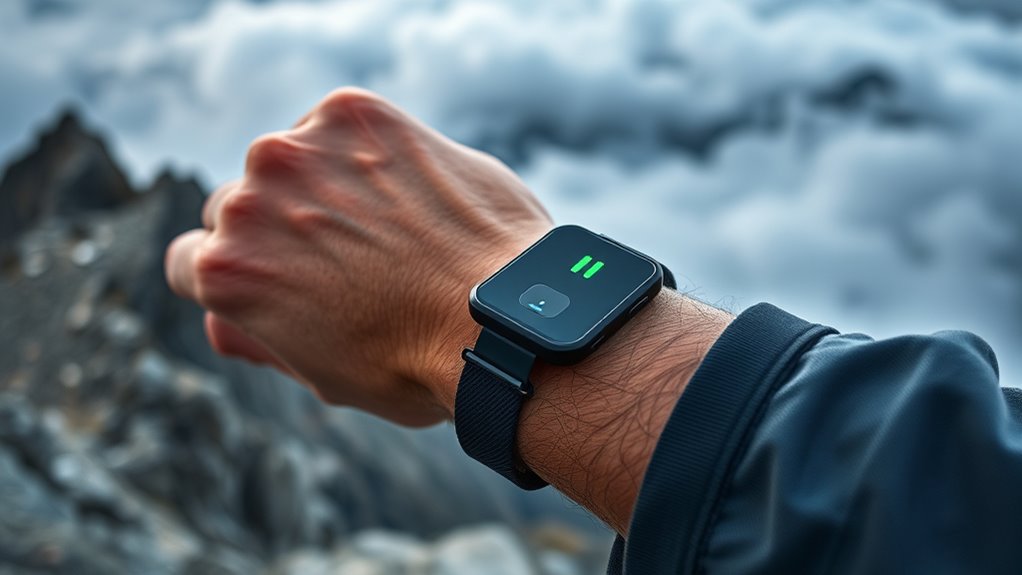

Wearable lifesavers use cutting-edge tech to boost your safety during adventures. They monitor your essential signs in real time, send immediate alerts if something’s wrong, and share your precise location with rescue teams. Built to withstand tough environments, they offer features like GPS tracking, fall detection, and hydration monitoring. With this gear, you can explore confidently and respond swiftly to emergencies. Discover how these devices are transforming outdoor safety as you explore more.

Get emergency and outdoor gear delivered free — and shop member deals
- Fast, free delivery on millions of items
- Access to Prime Big Deal Days deals on October 6–7
- Prime Video, Amazon Music and more included
Key Takeaways
- Advanced health monitoring devices detect vital sign irregularities and send immediate alerts to prevent emergencies during outdoor activities.
- GPS-enabled wearables enable quick location sharing, facilitating rapid rescue in remote or challenging environments.
- Continuous health tracking and activity insights empower adventurers to manage exertion, hydration, and sleep for safer outdoor experiences.
- Durable, waterproof designs with fall detection features ensure safety even in harsh conditions or if users become unconscious.
- Integrated alert systems and real-time data enhance rescue efficiency, boosting confidence and safety for outdoor explorers.
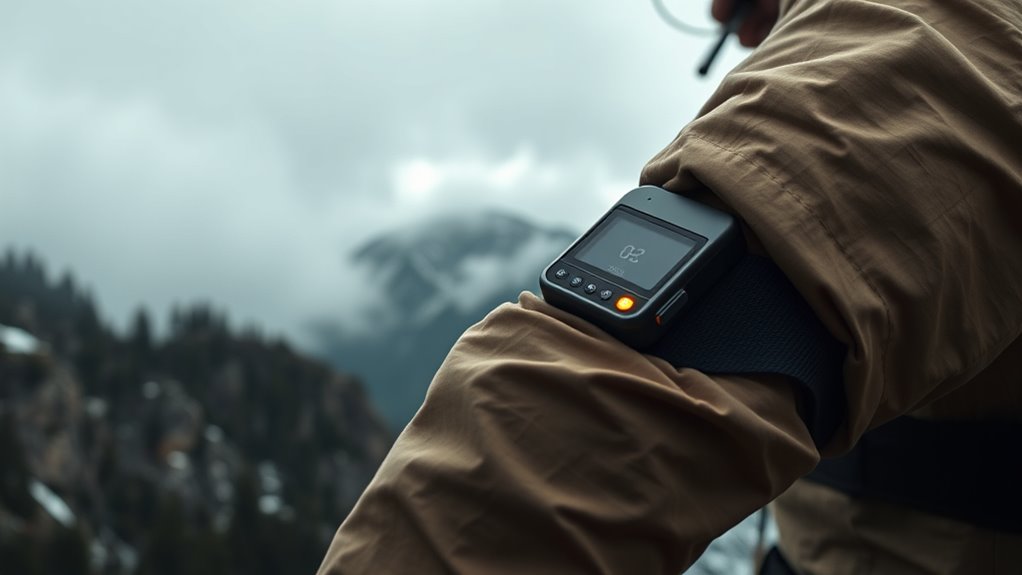
Wearable lifesavers are transforming emergency response by providing real-time health data and rapid alerts when it matters most. Whether you’re hiking remote trails, mountain biking, or exploring unfamiliar terrains, these devices keep you connected to help quickly in critical moments. At the core of this technology are advanced emergency alert systems that detect sudden changes in your essential signs, such as heart rate, blood oxygen levels, or signs of fatigue. When irregularities are identified, these alert systems immediately notify designated contacts or emergency services, often before you even realize there’s a problem. This proactive approach can be the difference between a minor incident and a life-threatening situation.
Wearable lifesavers deliver instant alerts and vital data, ensuring quick help during emergencies in remote or challenging environments.
GPS tracking devices embedded in these wearables further enhance safety by providing precise location data. If you get lost or injured, your exact coordinates are transmitted instantly, allowing rescue teams to locate you without delay. This feature is particularly valuable in wilderness areas where cell service may be unreliable or unavailable. With GPS tracking, you can set safe zones or check-ins, ensuring someone always knows your whereabouts. When combined with emergency alert systems, these devices create a thorough safety net that responds swiftly to emergencies, giving you peace of mind during your adventures.
Moreover, these wearable lifesavers aren’t just about responding to crises—they also actively monitor your health as you go. Many devices sync with smartphone apps, providing detailed insights into your activity levels, hydration status, and sleep patterns. If your heart rate spikes unexpectedly or your activity exceeds safe thresholds, you receive an immediate alert, prompting you to rest or seek help if needed. This continuous monitoring helps prevent overexertion and can flag early signs of health issues, especially if you’re far from medical facilities. Additionally, wearable health technology is continually evolving to offer even more comprehensive data, further enhancing safety and health management.
The design of these wearables emphasizes durability and convenience, so you can wear them comfortably during vigorous activities or long excursions. Waterproof, lightweight, and easy to use, they’re built to withstand the elements while keeping you safe. Some models even include features like fall detection, automatically triggering alerts if you’ve taken a hard tumble. This ensures help is on its way even if you’re unconscious or unable to call for assistance yourself.
In essence, wearable lifesavers leverage cutting-edge technology like emergency alert systems and GPS tracking devices to redefine safety for explorers. They empower you to push boundaries confidently, knowing that if something goes wrong, help is just a moment away. With real-time data, rapid alerts, and pinpoint location sharing, these devices are revolutionizing how adventurers stay safe in the wild.
wearable GPS safety device for outdoor activities
As an affiliate, we earn on qualifying purchases.
As an affiliate, we earn on qualifying purchases.
Frequently Asked Questions
How Durable Are These Wearable Lifesavers in Extreme Conditions?
You’ll find these wearable lifesavers extremely durable in extreme conditions thanks to rigorous material testing and impact resistance features. They’re built to withstand harsh environments, including drops, knocks, and exposure to water or dirt. The impact-resistant design ensures they won’t break or malfunction easily, giving you confidence during adventures. So, whether climbing, kayaking, or trekking, you can depend on their durability to keep you safe in challenging situations.
Can These Devices Be Used Underwater for Diving Adventures?
Yes, these devices are designed with underwater functionality, making them suitable for diving adventures. You can rely on them to track your location, monitor vital signs, and guarantee safety while submerged. Their diving suitability means they’re built to withstand water pressure, resist corrosion, and operate seamlessly underwater. Just ensure you check the specific model’s depth rating and features before diving to make the most of its capabilities underwater.
What Is the Battery Life of the Latest Wearable Lifesavers?
You’ll find that the latest wearable lifesavers offer impressive battery longevity, typically lasting 24 to 48 hours on a single charge. They feature advanced power management systems that optimize usage, ensuring you stay connected longer during your adventures. To maximize their lifespan, it’s smart to enable energy-saving modes when possible. This way, you can rely on your device for extended periods, whether you’re exploring the wilderness or diving into new challenges.
Are These Devices Compatible With All Smartphone Brands?
These wearable lifesavers are compatible with most smartphone brands, ensuring seamless device compatibility. You can easily connect them through smartphone integration features, whether you use Android or iOS devices. Just make sure your phone meets the app’s system requirements, and you’ll enjoy real-time alerts and GPS tracking during your adventures. This compatibility makes it simple to stay connected and safe, no matter what brand of smartphone you have.
How Secure Is the Data Privacy for Users of These Wearables?
Just like the legendary encryption of the Enigma machine, your data privacy with these wearables is quite secure. They use advanced data encryption to protect your information and prioritize user anonymity. While no system is entirely foolproof, manufacturers implement strict security measures to keep your personal data safe. You can confidently use these devices, knowing your privacy is a top priority, even in the wildest adventures.
emergency health monitoring smartwatch for hikers
As an affiliate, we earn on qualifying purchases.
As an affiliate, we earn on qualifying purchases.
Conclusion
As you gear up with these next-gen wearable lifesavers, it’s almost like they’re made for your adventures. Coincidentally, just last month, I found myself relying on similar tech during a hike, feeling grateful for how seamlessly it kept me safe. These innovations aren’t just gadgets—they’re your reliable companions, ready to step in when you need them most. So, next time you set out, trust that your wearable lifesaver might just be the best accidental find yet.
waterproof fall detection wearable for adventurers
As an affiliate, we earn on qualifying purchases.
As an affiliate, we earn on qualifying purchases.
personal safety alert device with real-time tracking
As an affiliate, we earn on qualifying purchases.
As an affiliate, we earn on qualifying purchases.
Fall Picks
fall essentials
As an affiliate, we earn on qualifying purchases.