
TL;DR

Get emergency and outdoor gear delivered free with Prime
- Fast, free delivery on millions of items
- Prime Video, Amazon Music and more included
- Member-only deals all year
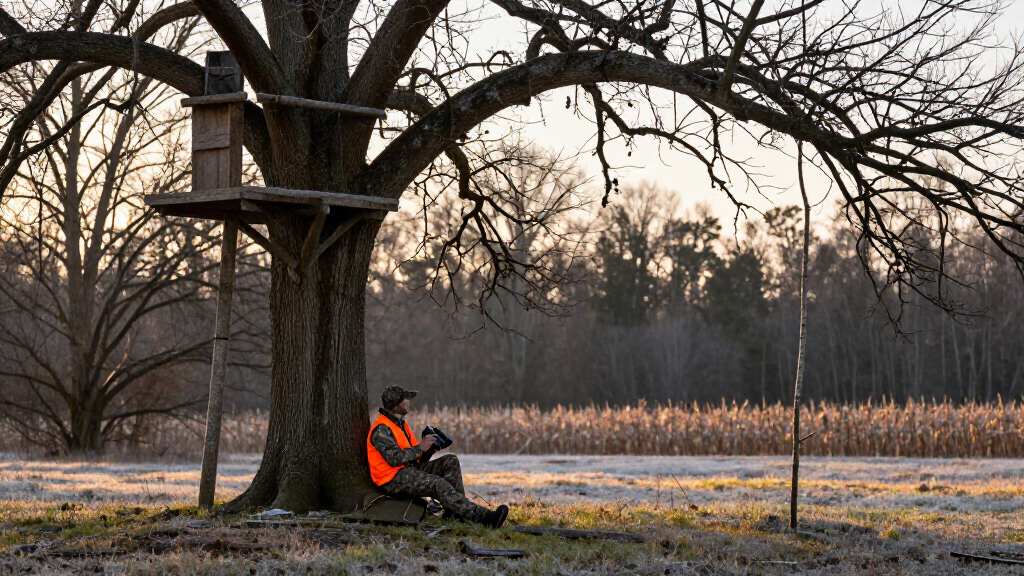
Outdoor Life published a report on Sept. 30, 2026 ranking the ten best stand locations for hunting the whitetail rut. The picks draw on interviews with expert hunters and deer biologists. Buck bedding areas topped the list as a counterintuitive but productive choice.
Outdoor Life published a ranked guide on September 30, 2026 identifying the ten best stand locations for hunting the whitetail rut, drawing on interviews with expert whitetail hunters and deer biologists as well as the publication’s field experience. The report comes as hunters across the country prepare for the November breeding season, when buck movement peaks and stand-placement decisions carry the most consequence. Topping the list is a counterintuitive pick: buck bedding areas, the thick cover where mature bucks live rather than the open travel corridors most hunters favor.
The report’s top-ranked location is buck bedding areas — the thickest, nastiest cover bucks use all season. According to Dan Infalt of The Hunting Beast, hunting these areas strategically is where he kills most of his mature deer, even during the rut, because those bucks rarely move elsewhere in daylight. He notes that bedding cover gives bucks an advantage in detecting danger by sight, sound, or smell before it reaches them.
The rest of the list includes doe bedding areas (especially their downwind sides, where cruising bucks pass), pinch points and funnels such as creek crossings, fence lines, and saddles, food sources, benches along ridges, and leeward ridges. The report cites research from Duane Diefenbach, a wildlife biologist at Penn State University, showing that female deer make forays outside their traditional home ranges during the breeding season — a finding that contradicts the conventional wisdom that mate selection is driven entirely by bucks.
The report also warns that classic funnels can stop producing under heavy hunting pressure. Infalt said that on private land, bucks learn where stands are placed and will route through the woods avoiding them. ‘You’ll get on a mature buck’s tracks and watch him go through the whole woods without going past one of those stands,’ he said, arguing it takes a mobile approach to kill pressured bucks. Art Helin of Own the Season advised a seasonal split: hunt food sources early and late in the day during the first part of the rut, then shift to funnels and hunt midday by the first week of November, when bucks cruise between bedding areas.
Why Stand Selection Decides the Rut
The rut is the narrow window when even mature, nocturnal bucks move in daylight, and the report’s central point is that positioning — not luck — determines whether hunters see those bucks. Because rutting bucks may travel miles outside their home range, a hunter in the wrong spot can go days without an encounter while bucks pass through nearby cover. The guide matters to readers because it consolidates field-tested tactics from named experts and current university research, including Diefenbach’s finding that does actively participate in mate selection, which affects where hunters should expect breeding activity to occur.
The report’s emphasis on bedding-area hunting and mobility also challenges the common strategy of hunting established funnels and food plots, which Infalt says pressured bucks learn to avoid. For hunters on small properties or heavily hunted public land, that distinction can be the difference between filling a tag and an empty season.
The Rut Chaos Problem
The whitetail rut — the breeding period, typically peaking in early-to-mid November across much of the whitetail’s range — is widely considered the best time to hunt because bucks abandon caution to search for does. As Outdoor Life notes, the breeding drive can push bucks to travel miles from their typical home range, giving hunters a chance at bucks they have never seen before.
The trade-off is unpredictability: if a buck could show up anywhere, he could also never show up where you’re sitting. The report frames its ten locations as the answer to what it calls the biggest question in rut hunting: where to sit. The picks reflect a blend of traditional stand sites (funnels, food, ridges) and the bedding-focused approach popularized by hunters like Infalt.
“I will hunt doe bedding areas that harbor bucks, or adjacent bedding areas near there. But I still kill most of my bucks in bedding, not in funnels.”
— Dan Infalt, The Hunting Beast
Tactic Limits and Local Variables
The report is a tactics guide, not a controlled study, and its rankings rest on expert opinion and the authors’ field experience rather than quantitative data. Several picks carry caveats the report itself acknowledges: Infalt notes that hunting food is ‘not 100%’, and that abundant acorn crops can scatter deer in oak-heavy terrain, concentrating reliable patterns only where food is isolated, such as oak islands in swamps. Funnel effectiveness varies with hunting pressure — the same stand site can produce on low-pressure land and fail where bucks have learned to avoid it.
The source material excerpt also cuts off mid-sentence in the leeward ridge section, so the full reasoning behind the final ranked locations is available only in the complete article. Local rut timing, terrain, and deer density will affect how each location performs, and the report does not claim any single site works everywhere.
Applying the List This Season
Hunters can apply the guide as the rut approaches in late October and peaks through November. The report’s experts suggest a progression: key on food sources and doe bedding early, then shift toward funnels, benches, and leeward ridges for midday cruising bucks as breeding peaks. Hunters pressured by stand-smart bucks may adopt Infalt’s mobile approach, moving sets rather than rotating through fixed stand locations.
Readers looking for the complete ranked list, including the remaining stand types beyond the six detailed in the excerpt, can find the full report at Outdoor Life. The publication also links a companion review of tested tree stands for hunters preparing or upgrading equipment before the season.
Key Questions
What is the single best stand location for the whitetail rut, according to the report?
The report ranks buck bedding areas first. Dan Infalt says these thick-cover areas are where he kills most of his mature bucks, even during the rut, because those bucks rarely move in daylight elsewhere.
When should hunters shift from food sources to funnels during the rut?
According to Art Helin, hunt food sources at dawn and dusk during the first part of the rut, then move to funnels and hunt midday by the first week of November, when bucks cruise between bedding areas searching for receptive does.
Why might classic funnels stop producing?
The report says whitetails, especially mature bucks, learn to avoid funnel stands and food plots that receive repeated hunting pressure. Infalt describes tracking mature bucks that traveled the entire woods without passing an established stand.
What did Penn State research reveal about does during the rut?
Biologist Duane Diefenbach said research shows does make forays outside their traditional home ranges during breeding season, meaning females also play a role in mate selection — contrary to the old assumption that bucks alone drive movement.
Are these ten locations guaranteed to work on any property?
No. The guide is based on expert opinion and field experience, and its own contributors add caveats — food hunting is ‘not 100%’, acorn abundance can scatter deer, and pressure changes how bucks use funnels. Terrain, rut timing, and deer density all affect results.
Source: rss
Fall Picks
fall essentials
As an affiliate, we earn on qualifying purchases.