
Your smartphone can’t reliably save you off-grid because it depends on cellular signals, which often don’t reach remote areas. While it’s great for daily use, it may fail during emergencies without coverage. A satellite messenger, on the other hand, provides global coverage and built-in safety features like GPS tracking and SOS alerts. To stay safe in remote environments, you need the right device—and there’s more to take into account if you want to be truly prepared.
Key Takeaways
- Smartphones rely on cellular networks, limiting their functionality off-grid, while satellite messengers provide global coverage in remote areas.
- Satellite devices feature dedicated emergency functions like SOS and GPS tracking, essential when smartphones may fail or lose signal.
- Battery life and durability are typically superior in satellite messengers, making them more reliable for extended, off-grid adventures.
- Smartphones are more affordable and versatile but depend on network coverage, whereas satellite messengers are designed specifically for off-grid safety.
- For off-grid safety, satellite messengers are generally more dependable, ensuring communication and emergency alerts when smartphones cannot connect.
How Smartphones and Satellite Messengers Connect You in Remote Areas
While smartphones are widely used for communication, they often fall short in remote areas where cellular networks are unavailable. Your device compatibility becomes a major concern, as many smartphones are designed primarily for urban networks and may not work with specialized satellite services. Additionally, the user interface plays a vital role; in emergencies or challenging environments, you need an intuitive, easy-to-navigate system. Satellite messengers are built specifically for off-grid use, offering straightforward interfaces that prioritize quick access to communication features. These devices are compatible with satellite networks, ensuring you stay connected regardless of location. So, while your phone might be great for daily use, satellite messengers are tailored for off-grid connectivity, providing a reliable, user-friendly solution when traditional cellular service fails. A higher contrast ratio in imaging technology can also be crucial for clear visibility in various lighting conditions, which can be helpful when assessing your surroundings in remote areas. Furthermore, the energy efficiency of dedicated satellite devices often surpasses that of smartphones, allowing longer operation in power-scarce environments.
Signal Coverage and Reliability in Off-Grid Environments
In off-grid environments, signal coverage and reliability are critical factors that determine whether you can stay connected when it matters most. Your emergency preparedness depends on having consistent access to communication tools, especially in remote areas where cell towers are scarce. Smartphones often rely on existing networks, which can be unreliable or nonexistent off the grid, risking social connectivity when you need it most. Satellite messengers, however, use satellite networks that provide broader coverage, ensuring you stay connected regardless of location. Reliable communication can be a lifeline during emergencies, giving you peace of mind and the ability to call for help. Additionally, Free Floating options like satellite devices are designed specifically for off-grid use, further enhancing communication reliability. Ultimately, understanding the limitations of signal coverage can help you choose the right device for off-grid adventures and safety.
Features and Functionality: What Each Device Offers
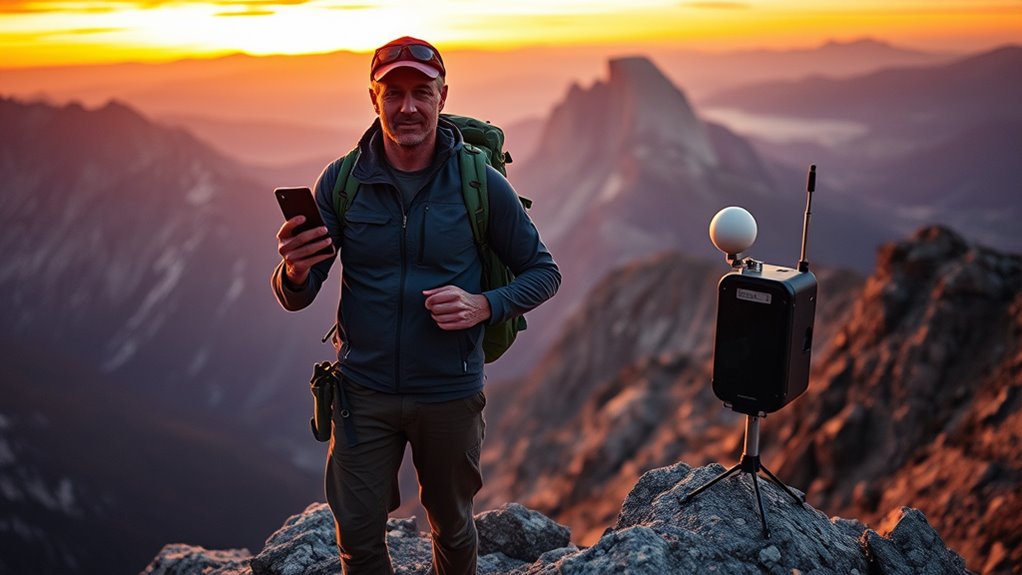
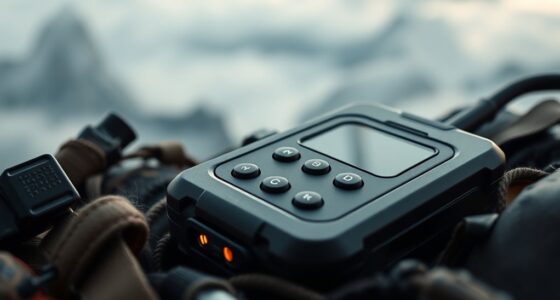
Smartphones and satellite messengers each come with distinct features that cater to different needs. Your choice depends on the device compatibility and the user interface you prefer. Smartphones offer versatile functionality: you can make calls, send texts, access apps, and navigate with familiar interfaces. They’re ideal for everyday use and social connectivity. In contrast, satellite messengers prioritize specialized communication: they focus on reliable GPS tracking and emergency alerts, often with simple, straightforward interfaces designed for quick use in stressful situations. While smartphones may have some off-grid capabilities via downloaded maps, they rely heavily on signal coverage, which can be limited in remote areas. Satellite messengers, however, are built specifically for off-grid environments, ensuring you stay connected through dedicated satellite networks, regardless of local signal availability. Off-grid communication devices are designed to operate independently of traditional cellular networks, providing peace of mind in remote areas. Additionally, satellite network coverage is crucial for ensuring reliable communication when terrestrial signals are unavailable, and some devices even offer redundant connectivity options to enhance reliability. Furthermore, advancements in technology and satellite networks continue to expand the capabilities of these devices, making off-grid communication more dependable than ever. A growing number of devices now incorporate global coverage, increasing their usefulness in remote wilderness areas.
Power Sources and Battery Life for Extended Adventures

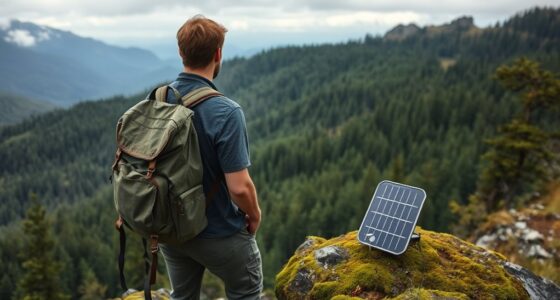
When planning extended adventures, understanding how each device sources power and manages battery life becomes vital. Smartphones typically rely on rechargeable batteries with decent battery longevity, but heavy usage or cold conditions can drain them quickly. Satellite messengers often have larger batteries designed for longer life, but they still need efficient power management. To maximize battery life, consider using solar charging options, which let you harness sunlight to replenish power when off-grid. Portable solar panels are a reliable way to extend device operation, especially during multi-day trips. Keep devices fully charged before your adventure, and carry backup batteries or solar chargers. Knowing how your device handles power will guarantee you stay connected or safe when it matters most. Additionally, understanding the device’s power management features can help optimize battery use and prolong operational time, and being aware of energy consumption patterns can further enhance your off-grid experience. Properly managing your device’s power sources is essential to ensure sustained operation during extended outings. Moreover, being familiar with battery preservation techniques can significantly improve your device’s longevity in remote environments, especially when combined with solar charging options.
Ease of Use and Setup in Emergency Situations
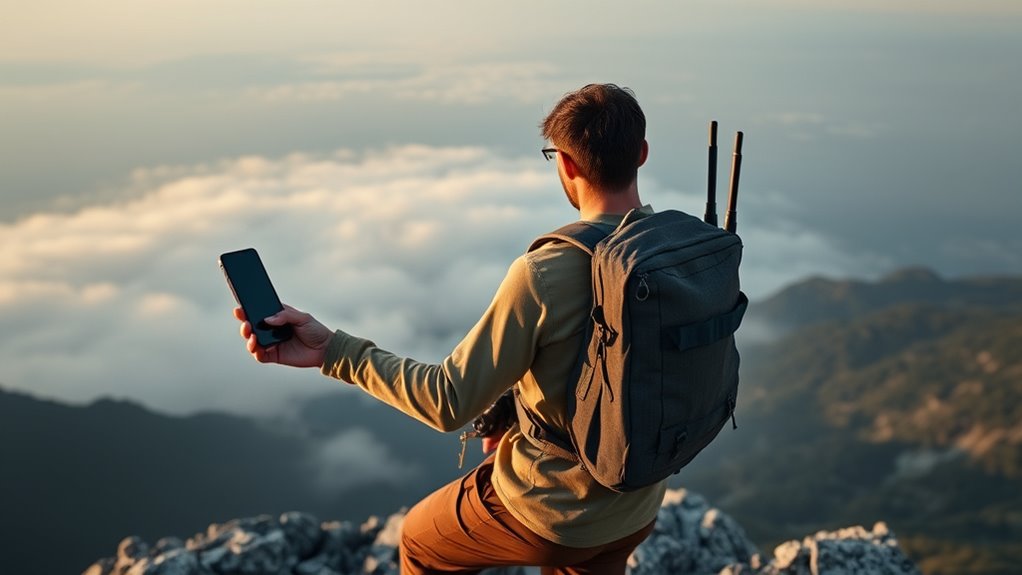
During an emergency, quick and straightforward setup can make all the difference in ensuring your safety. With smartphones, the user interface is familiar, allowing you to access features rapidly, and device customization options let you tailor the experience to your needs. You can quickly activate emergency contacts or location sharing with just a few taps. Satellite messengers, on the other hand, often feature simple, dedicated interfaces designed for ease of use in stressful situations. Their setup process is straightforward, sometimes requiring minimal steps to send a distress signal. Both devices prioritize minimal setup time, but smartphones might involve more navigation. Understanding device interfaces can help you choose the best tool for quick action during crises. Additionally, user familiarity plays a significant role in how swiftly you can respond when it matters most. Having a clear grasp of emergency communication protocols can further enhance your response time and effectiveness. Moreover, understanding device capabilities, such as battery life and signal reliability, can be crucial during prolonged emergencies. Being aware of signal coverage can help you anticipate potential issues and plan accordingly.
Cost Implications and Accessibility for Different Users

You’ll find that device costs vary considerably between smartphones and satellite messengers, influencing which option fits your budget. Service accessibility also differs, with satellite connections often requiring additional subscriptions that can be costly. Luckily, there are budget-friendly choices for users who need reliable communication without overspending. Additionally, understanding cybersecurity considerations can help users select secure and trustworthy devices for off-grid communication. Considering device durability can also be crucial when choosing a device for remote or rugged environments. Moreover, evaluating market options can assist in finding devices that balance cost and functionality effectively.
Device Cost Differences
Device costs play a considerable role in determining how accessible smartphones and satellite messengers are for different users. When comparing device affordability, the price difference between these options is notable. Smartphones typically come with a lower initial cost and are widely available, making them more accessible to most people. Satellite messengers, on the other hand, tend to be more expensive upfront, often costing several hundred dollars, which can be a barrier for some users. A thorough price comparison reveals that while smartphones are cheaper initially, they also require ongoing expenses like data plans. Satellite devices, though costlier, don’t have recurring service charges for basic communication. Your choice depends on your budget and off-grid needs, but device cost differences greatly influence who can afford to rely on these devices. Additionally, accessibility considerations such as user interface and network coverage can further impact the feasibility of each option for different individuals. Furthermore, understanding the initial and ongoing costs is essential when evaluating long-term affordability and overall value for each device type. It is also important to consider exfoliation benefits, which can influence the durability and maintenance of some devices in rugged environments.
Service Accessibility Variations
Service accessibility varies considerably between smartphones and satellite messengers, primarily due to their differing network requirements and coverage areas. Smartphones rely on cellular networks, which offer widespread coverage but can be limited in remote regions, impacting network security and connection reliability. Satellite messengers, on the other hand, use satellite networks, providing global coverage but often with higher latency and potential service interruptions. Your user interface also plays a role; smartphones typically have intuitive designs, making communication easier, while satellite devices may have more basic controls. Accessibility for different users depends on location, device compatibility, and network infrastructure. If you’re off-grid, satellite messengers ensure communication where phones can’t, but they come with their own limitations in network security and ease of use. Additionally, coverage area can significantly influence the effectiveness of each device type, especially in challenging environments. Understanding the technology differences helps determine the best device for your specific needs in remote settings.
Budget-Friendly Options
Budget-friendly options for communication devices are becoming increasingly available, making it easier for you to stay connected without overspending. If you’re considering a device, keep these points in mind:
- Many affordable satellite messengers have decent battery life, but check how long they last with regular use.
- Look for models with a simple user interface—you want quick access in emergencies.
- Smartphones can be be budget-friendly, especially if you already own one, but their battery life might not last long off-grid.
- Some devices offer combo features, like GPS tracking and messaging, at lower costs, making them accessible for different budgets.
Balancing cost with features like battery life and ease of use ensures you get reliable communication without stretching your budget.
Durability and Weather Resistance of Devices
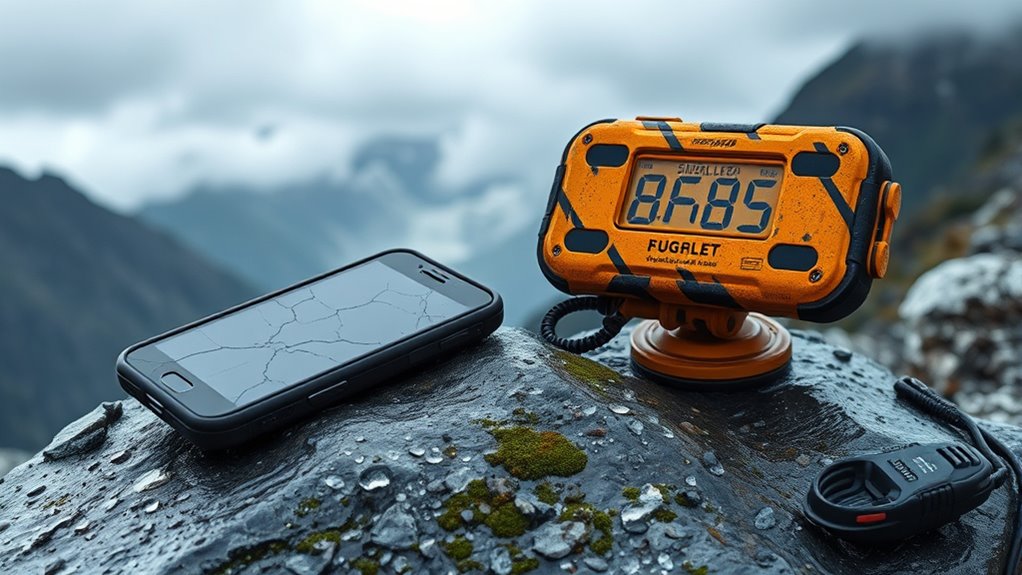
When choosing between smartphones and satellite messengers, considering their durability and weather resistance is crucial, especially if you often venture into rugged or unpredictable environments. Device durability determines whether your device can withstand drops, impacts, or rough handling. Weather resistance ensures your device functions in rain, snow, or extreme humidity. Satellite messengers typically feature rugged enclosures and higher weather resistance, making them better suited for tough conditions. Smartphones, on the other hand, may be vulnerable without added protection. Here’s a quick comparison:
| Feature | Smartphone | Satellite Messenger |
|---|---|---|
| Device Durability | Moderate, fragile | High, ruggedized |
| Weather Resistance | Limited, needs case | Built-in, weatherproof |
| Drop Resistance | Low to moderate | High |
| Water Resistance | Varies, often IP rated | Usually IP rated or better |
| Impact Resistance | Limited | Designed for impact |
Choosing the right device depends on your environment.
Limitations and Risks of Relying on Your Smartphone
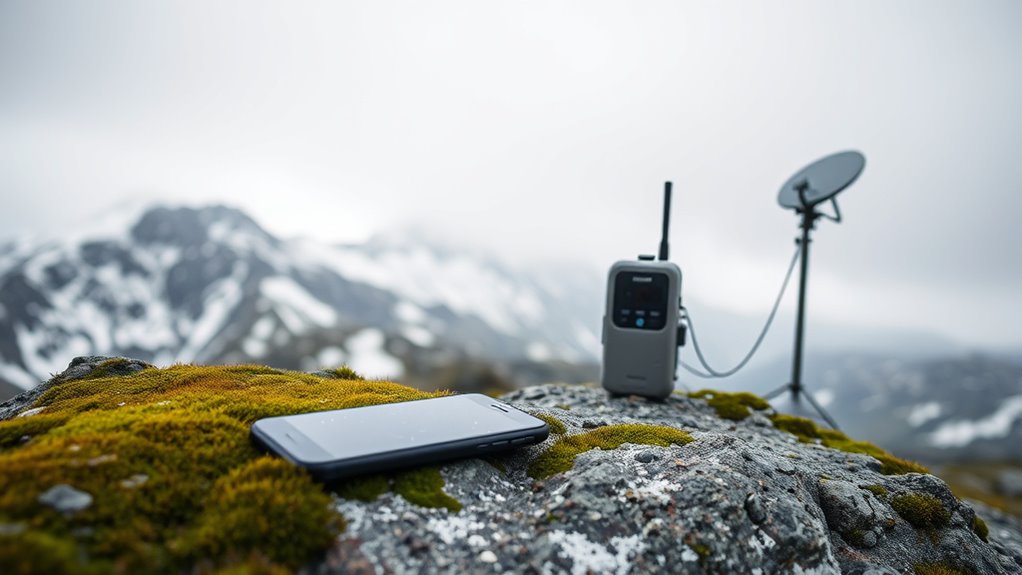
Relying solely on your smartphone for navigation and communication can be risky because these devices are vulnerable to battery depletion, hardware failures, and software glitches. If your battery dies, you lose access to maps and calls. Hardware issues, like a cracked screen or malfunctioning antenna, can leave you stranded. Software glitches might prevent apps from working when you need them most. Additionally, privacy concerns arise since smartphones often share location data, which can be compromised. Device compatibility is another limitation—your phone might not support certain emergency apps or updates in remote areas. Keep in mind, cellular signals are unreliable off-grid, making your smartphone less dependable during critical moments. Always consider backup plans to mitigate these risks and ensure your safety.
When Satellite Messengers Are the Better Choice

Satellite messengers are the better choice in situations where reliable communication and navigation are critical, especially in remote or off-grid locations. When satellite coverage is your main concern, these devices excel because they connect directly to satellites, ensuring you stay connected no matter how isolated you are. They are essential for emergency preparedness, allowing you to send SOS signals and share your location instantly. Here’s a quick comparison:
| Feature | Smartphones | Satellite Messengers |
|---|---|---|
| Satellite Coverage | Limited, often unavailable off-grid | Extensive, reliable worldwide |
| Emergency Preparedness | Dependent on cellular networks | Built-in SOS and tracking functions |
| Navigation | GPS but reliant on network signals | GPS + satellite tracking capabilities |
In off-grid scenarios, satellite messengers keep you safe and connected when smartphones can’t.
Making the Right Decision for Your Off-Grid Adventures

Choosing the right device for your off-grid adventures depends on your specific needs and the environments you’ll encounter. To make an informed decision, consider these factors:
Select the perfect device by assessing your needs, environment, and safety features for confident off-grid adventures.
- Device pairing: Verify your device works with accessories like external antennas or backup power sources.
- Firmware updates: Regular updates improve performance and security; check if updates are easy to install.
- Coverage area: Satellite messengers offer global coverage, while smartphones rely on cellular networks.
- Battery life: Longer-lasting batteries are vital when you can’t recharge easily, especially for satellite devices.
Evaluate your adventure type, desired safety features, and technical comfort level. Making the right choice means balancing device capabilities with your adventure’s unique demands.
Frequently Asked Questions
Can Smartphones Function Without Cellular Networks in Remote Areas?
Smartphones can’t function without cellular networks in remote areas due to cell signal limitations. Without a signal, your device becomes useless for calls or data. Plus, many smartphones aren’t built for rugged conditions, so device durability can be a concern if you’re off-grid. To stay connected in these zones, consider a satellite messenger, which works independently of cell towers and is designed to withstand tough environments.
How Does Satellite Messenger Subscription Cost Compare Over Time?
Imagine your satellite messenger’s subscription plan as a steady drumbeat, keeping you safe in the wilderness. Over time, cost fluctuations can turn that rhythm into a rollercoaster, with prices rising and falling like waves. While some plans stay steady, others might surprise you, so it’s wise to compare options. Ultimately, your subscription’s cost depends on the plan you choose and how often you need its safety net.
Are There Privacy Concerns When Using Satellite Messaging Devices?
Yes, privacy issues and data security are valid concerns when using satellite messaging devices. You might worry about your location being tracked or your messages intercepted. Manufacturers often implement encryption to protect your data, but no system is entirely foolproof. You should stay informed about the device’s privacy policies, update firmware regularly, and be cautious about sharing sensitive information, ensuring your off-grid communication remains secure and private.
What Are the Environmental Impacts of Deploying Satellite Communication Equipment?
You’re playing with fire if you ignore the environmental footprint of satellite communication equipment. Deploying satellite dishes and related tech consumes resources, energy, and can disrupt ecosystems. While they provide crucial connectivity, their production, launch, and maintenance contribute to pollution and space debris. Be mindful of this trade-off, as expanding coverage can harm the environment, making it essential to weigh the benefits against the ecological costs before going off-grid.
How Do Device Sizes and Portability Affect User Preference?
You prefer devices with lightweight, portable designs that easily fit into your pack. The device weight and portability design matter because they influence how comfortably you can carry it on hikes or trips. A compact, ergonomic device feels less bulky, making it more convenient for off-grid adventures. Ultimately, choosing a device with ideal size and portability ensures you stay connected and prepared without sacrificing mobility or comfort.
Conclusion
Ultimately, choosing between a smartphone and a satellite messenger is like picking the right tool for your adventure’s survival kit. While your phone feels familiar and convenient, a satellite device is your steadfast lifeline when signals fade to black. Think of it as having a trusted compass guiding you through the wilderness—essential when every second counts. Make the smart choice to keep your off-grid journey safe, secure, and connected, no matter how wild the world gets.