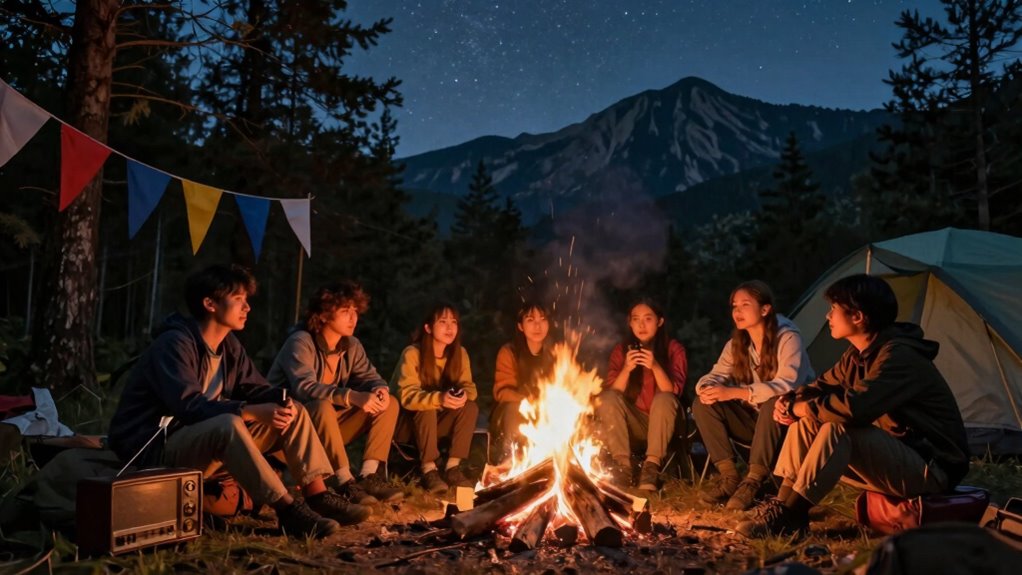

As a camper, you’re shifting toward satellite devices to stay connected in areas with no cellphone signal. These devices let you send messages, track your location, and call for help, making them essential for safety. You’re also embracing a strategy of disconnecting intentionally, enjoying solitude while knowing help is available if needed. By using reliable satellite gear, you can explore confidently. Keep exploring how this new approach is changing outdoor communication and safety.

Get emergency and outdoor gear delivered free with Prime
- Fast, free delivery on millions of items
- Prime Video, Amazon Music and more included
- Member-only deals all year
Key Takeaways
- Campers are increasingly adopting satellite devices to stay connected in remote, no-signal areas.
- Emphasis is shifting from smartphones to reliable satellite communication tools for safety.
- Proper emergency planning now includes learning how to operate and activate satellite devices.
- Campers are advocating for disconnecting intentionally while maintaining safety through satellite technology.
- Enhanced navigation and emergency features of satellite devices boost confidence and responsible outdoor recreation.
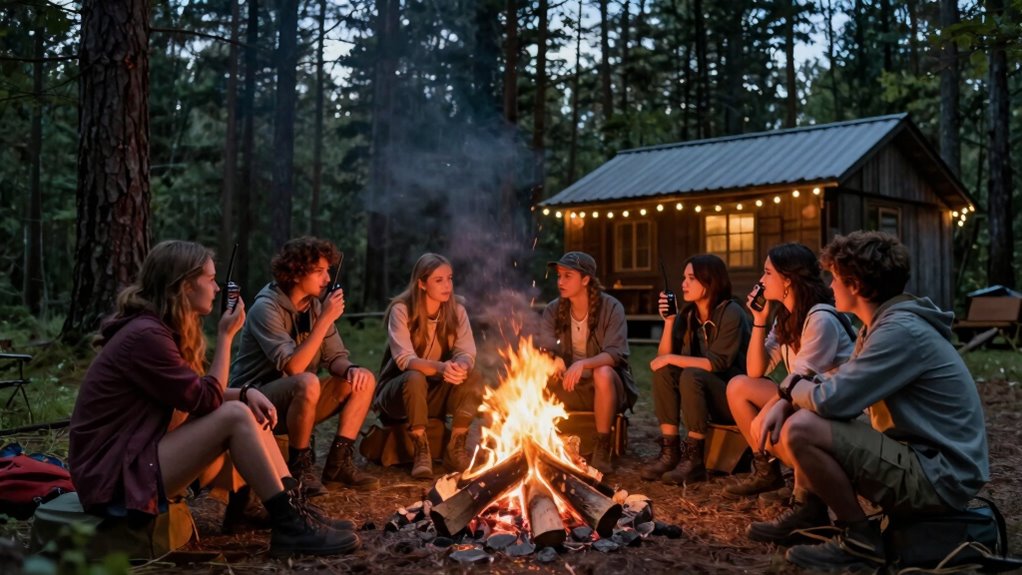
When heading into remote areas with no cellphone signal, campers are increasingly reevaluating how they communicate and connect. No longer relying solely on their smartphones, many are turning to satellite devices as a crucial part of their outdoor gear. These devices allow you to send and receive messages, track your location, and even make emergency calls, all without cellular coverage. With the right satellite device, you gain a sense of security, knowing you can reach out if something goes wrong. It’s a shift driven by the realization that traditional communication methods can leave you stranded in unforeseen situations.
Campers now rely on satellite devices for communication and safety in remote, signal-free areas.
This change underscores the importance of emergency planning. Before you set out on your trip, you now prioritize having a clear plan for how to handle emergencies. That means more than just packing first aid kits and extra supplies; it involves understanding how to use your satellite device effectively. You should familiarize yourself with its features, learn how to activate emergency signals, and establish check-in routines with friends or family members. Emergency planning with satellite devices ensures you’re prepared not just for typical mishaps like weather changes or minor injuries, but for more serious crises that could occur far from help. Incorporating reliable communication tools into your planning can significantly improve your safety outcomes.
Many campers are also adopting a mindset of self-reliance, recognizing that disconnecting doesn’t mean disconnecting from safety. Instead of constant communication, they see value in planning for moments of silence and solitude. With satellite devices, you can strike a balance—remaining reachable when necessary, yet not tethered to the constant buzz of notifications. This approach encourages you to think ahead, setting clear expectations for yourself and your group about how and when to use these devices. It makes your trips safer and more intentional.
Moreover, the use of satellite devices isn’t just about emergency contact; it’s about peace of mind. They allow you to navigate unfamiliar terrain confidently, knowing you can pinpoint your location or send an SOS if needed. As technology advances, these devices become more compact, user-friendly, and reliable, making them an essential part of modern outdoor gear. Many experienced campers now see emergency planning as incomplete without incorporating satellite communication tools. It’s a proactive step that enhances safety, promotes responsible outdoor recreation, and helps you enjoy the wilderness with confidence, even far from the grid. Additionally, understanding the reliability of satellite devices can make a significant difference in your safety planning.
Popular right now

Ninja Foodi Air Fryer 10 Qt DualZone 6-in-1 Black DZ302

Ninja Foodi DZ201 8-Quart DualZone 6-in-1 Air Fryer

Dyson V8 Cordless Vacuum
As an affiliate, we earn on qualifying purchases.
Frequently Asked Questions
What Are the Best Offline Communication Tools for Campers?
You should consider using Bluetooth devices like walkie-talkies or mesh network gadgets for offline communication, as they don’t rely on cell signals. Pair these with offline maps to navigate without internet access, ensuring you stay connected and oriented. These tools are reliable, easy to use, and perfect for camping adventures where signal is spotty. Together, Bluetooth devices and offline maps keep you connected and safe in remote areas.
How Do Campers Stay Connected Without Cell Signals?
You stay connected without cell signals by using satellite communicators or two-way radios, which guarantee emergency preparedness and safety. These devices help you reach rescue services if needed and keep you informed about wildlife awareness, reducing risks during your outdoor adventures. Additionally, carrying a whistle or signal mirror can be effective for short-range communication, enhancing safety while respecting the natural environment.
Are Satellite Phones Reliable in Remote Areas?
Satellite phones are generally reliable in remote areas thanks to advanced satellite technology, but signal reliability can vary depending on weather conditions and your location. You might experience occasional disruptions, especially in dense forests or deep valleys. To guarantee consistent communication, choose a device with a good satellite network, and keep it well-maintained. Always have a backup plan, like a satellite messenger or emergency beacon, for critical situations.
What Safety Measures Should Campers Take Without Signal?
You should prioritize emergency preparedness by packing a first aid kit, extra food, and water. Make sure to inform someone about your itinerary before heading out. Stay wildlife aware by keeping a safe distance, securing your food, and avoiding attracting animals. Carry a whistle or signal mirror for emergencies, and consider a satellite device. These measures help you stay safe and prepared, even without signal, ensuring you’re ready for unexpected situations.
How Can Campers Share Updates With Loved Ones Offline?
Imagine a campfire flickering in the night, its warmth reaching loved ones miles away. You can share updates offline by using pre-arranged signals like hand-written notes, flags, or a satellite messenger. Emergency preparedness involves carrying reliable communication tools and practicing alternative navigation methods. These strategies let you stay connected with loved ones, ensuring they’re informed about your safety and adventures even when signals are absent.
Conclusion
As you venture into no-signal areas, you might think disconnecting means missing out. But the truth is, it offers a chance to truly reconnect—with nature and yourself. Campers are discovering that less reliance on technology can heighten awareness and deepen experiences. Instead of resisting the silence, embrace it. You might find that the real conversation happens when you let go of your devices, revealing a richer, more authentic connection with the wilderness around you.