Learning Morse code still matters because it shows how simple, proven communication methods form the foundation of modern technology. It teaches you about encoding, decoding, and signal processing, skills that are useful in emergencies and tech development. Plus, Morse code highlights the lasting power of clarity and consistency in communication. If you’re interested, you’ll discover how this old skill connects deeply with today’s digital systems and innovations.
Key Takeaways
- Morse code enhances understanding of fundamental signal encoding, benefiting modern digital communication and cybersecurity.
- Learning Morse fosters adaptability and problem-solving skills useful in emergency and remote situations.
- It provides historical insights that improve appreciation for current technological standards and innovations.
- Mastering Morse develops foundational knowledge valuable in fields like radio operation, encryption, and data transfer.
- Old skills like Morse code reinforce the importance of simplicity, clarity, and reliability in today’s complex digital systems.
Morse code, once a vital means of long-distance communication, has surprisingly found new relevance in today’s digital world. Its historical significance is undeniable; it revolutionized how people transmitted messages across vast distances, especially during wartime and in maritime navigation. As you explore its origins, you’ll see that Morse code marked a pivotal point in the communication evolution, bridging gaps that once seemed insurmountable. Before the age of instantaneous digital messaging, Morse code was the backbone of secure and reliable communication, used by telegraph operators, military personnel, and explorers. It allowed messages to be sent quickly over wires and radio waves, making it an essential tool in times when other methods failed or were unavailable. This legacy highlights its importance in shaping modern communication networks, laying the groundwork for today’s digital connectivity. Additionally, standardization played a crucial role in ensuring Morse code’s effectiveness and widespread adoption, emphasizing the importance of consistent communication protocols. Understanding Morse code’s historical significance helps you appreciate the roots of modern tech. While today’s world relies on satellites, fiber optics, and wireless networks, Morse code was among the first systems to encode information efficiently, demonstrating the importance of standardization and simplicity in communication systems. Learning Morse code can give you a tangible connection to this evolution, showing how technological advances build upon previous innovations. It also reveals how vital effective communication remains, whether in emergency situations, military operations, or remote explorations. In many ways, Morse code embodies the concept that simplicity and clarity can be powerful, a lesson that still applies in today’s complex digital landscape. Even now, Morse code has practical uses that keep its relevance alive. For example, amateur radio enthusiasts often learn it as a skill for emergency communications when other systems go down. Its ease of use in transmitting messages silently or in challenging environments makes it a valuable backup tool. Additionally, learning Morse code sharpens your understanding of signal processing, encoding, and decoding—fundamental aspects of modern digital communications. By mastering this old skill, you gain insights into the basic principles that underpin contemporary encryption and data transfer. It’s a way to connect the past with the present, recognizing that many innovations in tech are built on foundational concepts like those Morse code exemplifies. Ultimately, studying Morse code isn’t just about nostalgia; it’s about understanding the evolution of communication and acquiring a versatile skill that can still serve you today. Its historical significance underscores its role in shaping modern technology, reminding you that even simple systems can have lasting impacts. As you explore Morse code, you participate in a tradition of innovation and adaptability, appreciating how old skills can complement and enhance your understanding of today’s digital world. Learning Morse code keeps you connected to the roots of modern communication, reinforcing the idea that sometimes, the simplest methods are the most effective.
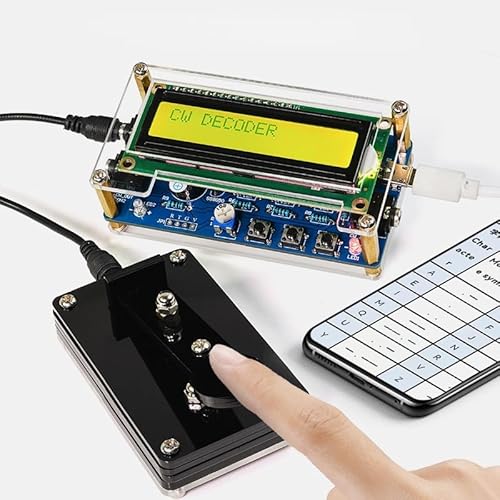
DIY Morse Code Trainer kit, Complete Project kit with Pre-soldered PCB & Enclosure, Perfect for Electronics Enthusiasts & Beginners
Kit Contents: Includes all necessary components for assembly, offering hands-on experience with electronic components and soldering
As an affiliate, we earn on qualifying purchases.
As an affiliate, we earn on qualifying purchases.
Frequently Asked Questions
Can Morse Code Be Used in Modern Emergency Situations?
Yes, Morse code can be used in modern emergency situations, especially during radio emergencies and survival signaling. When modern communication devices fail, knowing Morse code allows you to send distress signals efficiently, like SOS. Its simplicity and reliability make it invaluable in survival scenarios, helping you communicate with rescue teams or other survivors. Learning Morse code guarantees you’re prepared for situations where conventional tech isn’t available, increasing your chances of rescue.
How Does Morse Code Compare to Digital Communication in Speed?
Morse code is slower than digital communication due to higher transmission latency, especially over long distances. While digital signals transfer data quickly and efficiently, Morse code relies on manual input and interpretation, making it less suitable for rapid exchanges. However, Morse maintains analog efficiency in low-tech situations, and its simplicity can be advantageous when modern infrastructure fails. Ultimately, digital communication outperforms Morse in speed, but Morse remains valuable in specific scenarios.
Are There Any Current Industries That Still Use Morse Code?
Yes, you can still find industries that use Morse code today. In aerospace communication, pilots and ground control sometimes rely on Morse code for emergency signals and navigation. Amateur radio enthusiasts also keep Morse code alive, practicing and transmitting signals worldwide. These fields value Morse code’s simplicity, reliability, and effectiveness, especially in situations where modern digital tech might fail or be impractical.
What Are the Best Tools for Learning Morse Code Today?
You can master Morse code with interactive apps and radio tutorials that make learning engaging and accessible. These tools offer step-by-step lessons, practice exercises, and real-time feedback, helping you build skills efficiently. Whether you’re a beginner or brushing up, using interactive apps and radio tutorials keeps your practice dynamic and effective, ensuring you stay motivated and progressively improve your proficiency in Morse code.
Is Morse Code Useful for Cybersecurity or Data Encryption?
Morse code isn’t widely used for cybersecurity or data encryption today, but it can enhance your understanding of cryptography techniques and data transmission fundamentals. By learning Morse, you develop problem-solving skills and appreciate how simple signals can carry complex information. While it’s not practical for modern security, understanding Morse code enriches your knowledge of historical communication methods, giving you a broader perspective on how data transmission evolved over time.

Your Introduction to Morse Code – Code Instruction and Practice 2-CD Set
Learn Morse Code
As an affiliate, we earn on qualifying purchases.
As an affiliate, we earn on qualifying purchases.
Conclusion
So, even in a world dominated by instant messaging and high-tech gadgets, mastering Morse code reminds us that some skills are timeless. It’s like holding a secret language, waiting to be accessed when you need it most. Don’t let the old fade away—embrace it. After all, in a sea of noise, Morse code could be your lighthouse, guiding you with a signal that’s stood the test of time. Will you answer the call?

MIOYOOW LED Traffic Light Soldering Kit, STEM Educational Electronics Project with Sounds DIY Traffic Signal Light Circuit Board Soldering Practice Kit for Home School Learning
🚦【Traffic Signal Simulation Kit】:This DIY electronics kit features red, yellow, and green LEDs that simulate real traffic lights…
As an affiliate, we earn on qualifying purchases.
As an affiliate, we earn on qualifying purchases.

Morse Code and Emergency Communication: Why CW Still Matters Today (The Practical Ham Radio Operator)
As an affiliate, we earn on qualifying purchases.
As an affiliate, we earn on qualifying purchases.