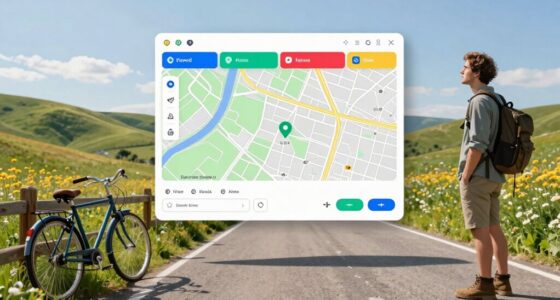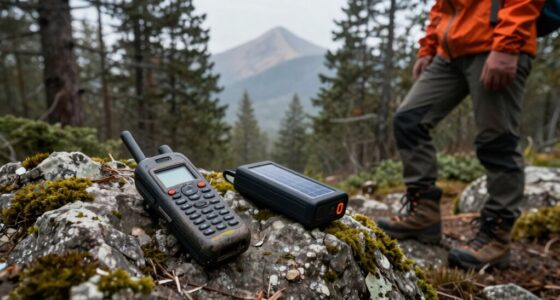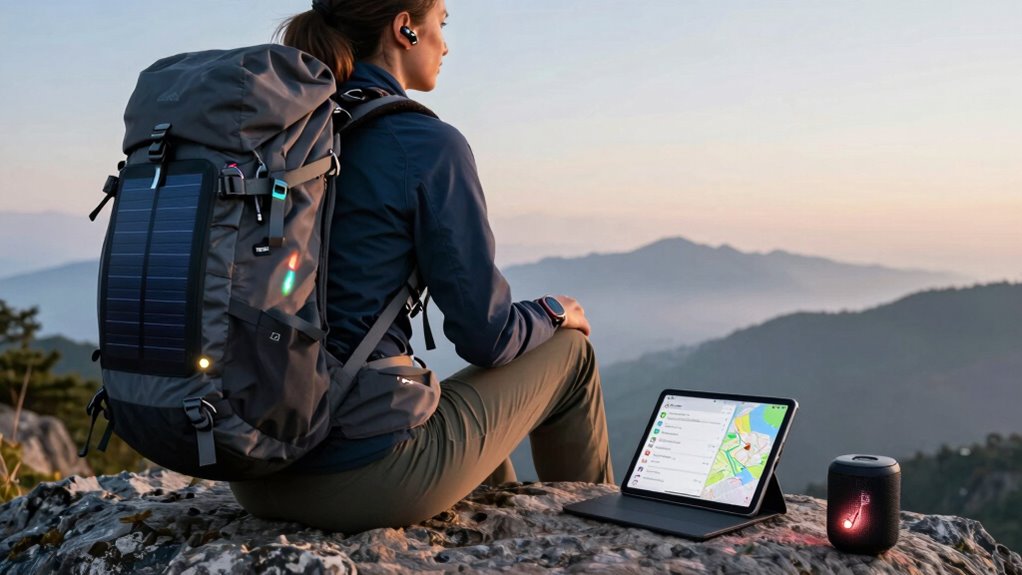

To handle information overload in outdoor tech, customize your alerts to focus on essential updates like weather, navigation, and safety. Limit interruptions by setting thresholds for notifications and creating modes that display only relevant data. Schedule specific times to check less urgent info, and stay aware of your device’s limitations. Prioritize safety and focus on the environment around you. If you keep exploring, you’ll discover even more ways to balance tech use and outdoor awareness.
Open a free Amazon Business account
Business pricing, bulk buying and tax-exempt orders.
As an affiliate, we earn on qualifying purchases.
Key Takeaways
- Customize notifications to display only critical alerts like weather and safety updates.
- Prioritize essential data such as navigation and environmental conditions; hide non-urgent info.
- Schedule regular device check-ins to prevent constant distractions during outdoor activities.
- Be aware of device limitations; rely on natural cues alongside technology for safety.
- Use modes and filtering options to focus on relevant data, reducing cognitive overload.

Have you ever felt overwhelmed by the sheer amount of information available through outdoor tech devices? It’s a common experience, especially as gadgets become more advanced and packed with features. From GPS trackers and weather updates to fitness metrics and communication tools, the barrage of data can quickly become difficult to manage. The key to handling this overload is learning how to filter and prioritize the information that truly matters, so you stay focused without missing critical updates.
Managing outdoor tech overload requires filtering, prioritizing, and customizing alerts for essential information only.
One effective way to cut through the noise is to leverage wearable alerts. These alerts can be customized to notify you only about essential events, such as sudden weather changes, navigation updates, or safety alerts. Instead of constantly checking your device for every new notification, wearable alerts ensure you’re only interrupted for what’s important. This not only reduces distraction but also helps conserve your device’s battery life, which is crucial when you’re off-grid for extended periods. By setting specific alerts, you create a streamlined flow of information that keeps you informed without overwhelming you.
Alongside wearable alerts, practicing data prioritization is vital. This means consciously deciding which data points to focus on and which to ignore. For example, instead of obsessing over every step count or heart rate fluctuation, prioritize information related to navigation, weather, and safety. You can often customize your device’s interface to display only these critical metrics prominently. When your device emphasizes the most relevant data, you avoid cognitive overload and can make quick, informed decisions in the field. It’s also helpful to set thresholds for alerts—like only receiving notifications if a storm is approaching or if you stray from your planned route. This targeted approach ensures you’re not bombarded with trivial updates that distract from your main objectives.
Another smart tactic is scheduling regular check-ins rather than constantly monitoring your device. Setting specific times to review less urgent data, such as fitness stats or environmental readings, helps prevent constant distraction and allows you to remain focused on your outdoor activity. This creates a balance between staying informed and maintaining focus. Additionally, consider using simplified data displays or toggling between different modes—like “navigation mode” during travel and “overview mode” during rest periods—to further reduce unnecessary information. Recognizing the limitations of technology and understanding that device accuracy can vary depending on conditions ensures you don’t overly depend on technology for critical decisions. Incorporating environmental awareness into your data management encourages a more holistic approach, allowing you to focus on what truly impacts your safety and experience.
Being aware of technological limitations can also prevent frustration when devices do not perform as expected, reinforcing the importance of relying on your natural surroundings and instincts alongside tech tools. Recognizing that device accuracy can vary depending on conditions ensures you don’t overly depend on technology for critical decisions. Ultimately, managing information overload in outdoor tech involves intentional use of alerts, prioritization, and smart device management. When you tailor your tech to fit your needs, you stay safer, more focused, and better prepared for whatever challenges you encounter. Remember, technology should serve as a tool to enhance your experience, not distract from it.
outdoor GPS tracker with customizable alerts
As an affiliate, we earn on qualifying purchases.
As an affiliate, we earn on qualifying purchases.
Frequently Asked Questions
How Can I Identify When I’M Experiencing Information Overload Outdoors?
You’ll notice signs like feeling overwhelmed, distracted, or unable to focus when outdoors. Your mind may race with notifications or data, making it hard to enjoy the moment. To combat this, consider a digital detox or mindful unplugging, intentionally disconnecting from devices. Recognize these signs early, take breaks, and immerse yourself in nature without screens. This helps reset your mental state and reduces info overload, enhancing your outdoor experience.
What Are Quick Mental Exercises to Reduce Tech Overwhelm During Hikes?
Like a knight in shining armor, you can conquer tech overwhelm with quick mental exercises. Focus on mindful breathing—inhale deeply through your nose, exhale slowly through your mouth—to calm your mind. Pair this with progressive relaxation, tensing and relaxing muscle groups from head to toe. These simple steps help reset your focus, reduce stress, and restore your connection to the outdoors, keeping your hike enjoyable and tech-balanced.
Are There Specific Apps to Help Filter Outdoor Tech Information?
Yes, there are apps that help filter outdoor tech information effectively. Look for apps with strong app filters that allow you to customize what notifications you receive, reducing distractions. Notification management features enable you to silence non-essential alerts during hikes, so you stay focused on your surroundings. These tools help you stay connected without feeling overwhelmed, ensuring you enjoy your outdoor adventures while maintaining control over your tech use.
How Does Information Overload Impact Outdoor Safety?
Information overload can profoundly impact your outdoor safety by causing data distraction and tech fatigue. When you’re overwhelmed by too much information, you might miss critical alerts or make poor decisions. Tech fatigue reduces your focus, making it harder to stay alert and respond promptly. To stay safe, limit your device use, prioritize essential data, and take regular breaks to prevent burnout and maintain clear awareness of your surroundings.
Can Outdoor Tech Overload Affect Mental Health Long-Term?
Yes, outdoor tech overload can impact your long-term mental health. Constant notifications and information can cause stress and anxiety. To counter this, you should consider doing a digital detox regularly, giving your mind a break from screens. Practicing mindfulness techniques during outdoor activities can help reduce overwhelm, improve focus, and promote emotional well-being. Incorporating these habits guarantees that technology enhances your outdoor experience without negatively affecting your mental health.
As an affiliate, we earn on qualifying purchases.
Conclusion
To manage information overload in outdoor tech, you need to filter what matters, prioritize what’s essential, and step away when needed. Focus on your goals, streamline your tools, and set boundaries to maintain clarity. Stay present in the moment, trust your instincts, and remember that sometimes, less truly is more. By doing so, you’ll navigate the digital landscape with confidence, enjoy the outdoors fully, and keep your mind sharp and your adventures memorable.
outdoor safety communication device
As an affiliate, we earn on qualifying purchases.
As an affiliate, we earn on qualifying purchases.
battery-efficient outdoor smartwatch
As an affiliate, we earn on qualifying purchases.
As an affiliate, we earn on qualifying purchases.
Flea & tick season Picks
flea and tick prevention
As an affiliate, we earn on qualifying purchases.