
Even in a smartphone world, handheld GPS devices still matter because they connect directly to satellites, giving you reliable navigation in remote areas without cellular signals. They have longer battery life and are built tough to withstand harsh conditions. With advanced features like topographical maps and route planning, they keep you on track where smartphones fall short. Want to discover how these devices keep you safe and accurate off the grid? Keep exploring to find out more.

Get emergency and outdoor gear delivered free — and shop member deals
- Fast, free delivery on millions of items
- Access to Prime Big Deal Days deals on October 6–7
- Prime Video, Amazon Music and more included
Key Takeaways
- They provide reliable navigation in remote areas without cellular coverage, unlike smartphones dependent on signals.
- Designed for long battery life, suitable for multi-day outdoor adventures where recharging options are limited.
- Built to withstand harsh weather and rough handling, ensuring durability in extreme environments.
- Offer detailed topographical maps and advanced route planning tools unavailable on standard smartphones.
- Operate independently of cellular networks, maintaining accurate positioning in areas with poor or no signal.

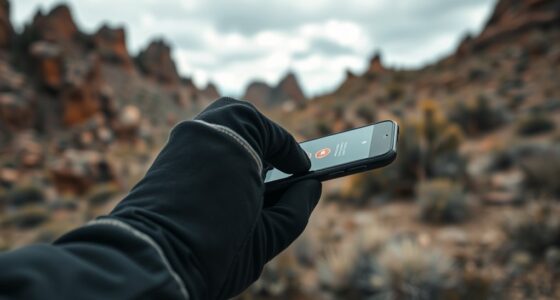
Have handheld GPS devices become obsolete in a world dominated by smartphones? Not entirely. While smartphones offer convenient navigation through apps like Google Maps or Apple Maps, dedicated GPS devices still hold a crucial edge in certain situations. One of the main advantages is their reliable satellite connectivity. Unlike smartphones that often rely on cellular signals, GPS devices connect directly to a network of satellites orbiting the Earth. This means you can navigate accurately even in remote areas where cell towers don’t reach. If you’re hiking deep into wilderness or heading off-grid, a handheld GPS provides peace of mind, knowing you won’t lose your way due to lack of signal.
Handheld GPS devices ensure reliable navigation in remote areas without cellular signal.
Another critical factor is battery longevity. Smartphones are designed for daily use, but their batteries drain quickly when using GPS navigation, especially with screen brightness and data-intensive apps. Handheld GPS devices, on the other hand, are built for endurance. They typically offer longer battery life, sometimes lasting days on a single charge, because their power consumption is optimized for navigation rather than multitasking. This extended battery longevity becomes especially important when you’re on multi-day adventures or in situations where recharging options are scarce. You can trust a dedicated device to keep working for hours, reducing the risk of running out of power at a critical moment.
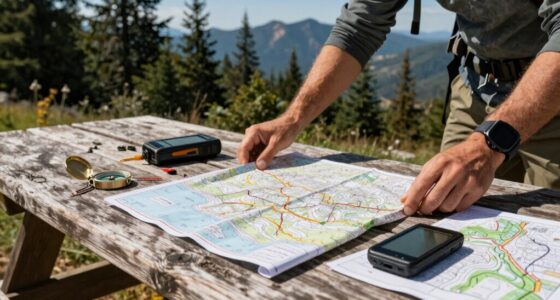
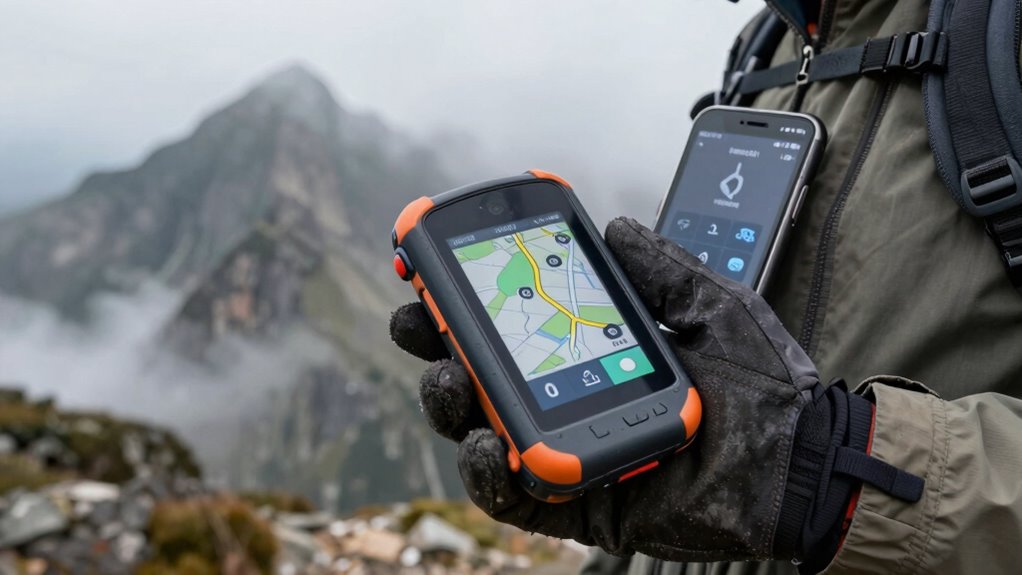
Despite the technological advances of smartphones, dedicated GPS devices are often more rugged and durable. They’re designed to withstand harsh weather, drops, and rough handling, making them the better choice for outdoor enthusiasts. Plus, many models feature screens that are easier to read in direct sunlight, unlike smartphone screens which can become washed out or hard to see outdoors. These devices also typically have specialized features like waypoint marking, detailed topographical maps, and route planning tools that aren’t always available or convenient on smartphones. Moreover, the reliable satellite connectivity of dedicated devices ensures consistent positioning even in challenging environments. Additionally, many handheld GPS units incorporate topographical mapping, providing detailed terrain data that smartphone maps often lack. Furthermore, these devices often include advanced positioning technology that enhances accuracy in difficult terrain, making them indispensable for precise navigation.
In addition, satellite-based systems used by dedicated devices can operate independently of cellular networks, further emphasizing their reliability. While smartphones are increasingly capable, they’re not infallible. In areas with poor signal or during extended use, their reliance on cellular networks and limited battery life can become significant drawbacks. Handheld GPS devices remain essential tools for hikers, explorers, and professionals who need dependable, precise navigation without interruption. Their satellite connectivity ensures continuous positioning, and their battery longevity offers extended usage without worry. The independent operation of these devices makes them especially valuable in remote or rugged environments. In a world where smartphones are ubiquitous, these rugged, purpose-built devices still matter—especially when your safety and accuracy depend on them.
handheld GPS device with topographical maps
As an affiliate, we earn on qualifying purchases.
As an affiliate, we earn on qualifying purchases.
Frequently Asked Questions
Are Handheld GPS Devices More Accurate Than Smartphones?
Handheld GPS devices are generally more accurate than smartphones because they rely on dedicated satellite signals, which are stronger and more consistent. These devices often have better antennae, leading to improved map accuracy even in remote areas. While smartphones depend on less precise signals and network data, handheld GPS units provide reliable positioning, making them essential for activities like hiking, trekking, or outdoor navigation where accuracy truly matters.
How Long Do Handheld GPS Batteries Typically Last?
A stitch in time saves nine, and so does understanding your GPS device’s battery longevity. Typically, handheld GPS batteries last between 8 to 20 hours, depending on usage and model. To extend your device’s life, use power management features and turn off unnecessary functions. Keep a portable charger handy for longer trips, ensuring your navigation stays reliable, no matter how long your adventure lasts.
Can Handheld GPS Devices Work Underwater or in Extreme Conditions?
Handheld GPS devices generally can’t work underwater or in extreme conditions unless specifically designed for it. For underwater navigation, you’d need a specialized waterproof GPS that can operate submerged, often with sealed cases and pressure resistance. In extreme environments like high heat or freezing cold, look for devices built with extreme environment durability, featuring rugged exteriors and temperature-resistant components. Regular handheld GPS units usually won’t withstand such harsh conditions.
Do Handheld GPS Devices Require Internet Access to Function?
No, handheld GPS devices don’t need internet access to work. They’re built for offline navigation, ensuring you stay on track even in remote areas. Their rugged device durability means they’re reliable in tough conditions, from extreme weather to challenging terrains. While smartphones rely heavily on signals and data, these devices give you confidence, knowing your navigation won’t fail when connectivity’s lost. That’s why they remain essential for adventurers and professionals alike.
Are There Specific Models Recommended for Hiking or Outdoor Adventures?
Yes, some models are ideal for hiking or outdoor adventures. Top brands like Garmin, Garmin inReach, and Magellan offer rugged features built to withstand tough conditions. These devices often include waterproof and shockproof designs, long battery life, and detailed topographic maps. They’re perfect when you need reliable navigation without Wi-Fi, ensuring you stay safe and on track even in remote areas.
rugged GPS navigation device for hiking
As an affiliate, we earn on qualifying purchases.
As an affiliate, we earn on qualifying purchases.
Conclusion
So, next time your smartphone’s GPS glitches or runs out of battery, don’t forget your trusty handheld device. Sure, smartphones are great for scrolling memes and checking emails, but when it comes to real navigation, a dedicated GPS might just save your hike—and your pride. After all, nothing beats the feeling of confidently wandering off the grid with a device that doesn’t crash or beg for updates. Because, let’s face it, some things are just better offline.
As an affiliate, we earn on qualifying purchases.
satellite connection GPS for remote areas
As an affiliate, we earn on qualifying purchases.
As an affiliate, we earn on qualifying purchases.
Fall Picks
fall essentials
As an affiliate, we earn on qualifying purchases.