To create a solid communication plan from trailhead to basecamp, start by evaluating your group’s needs and choosing suitable tools like radios or messaging apps. Clearly define roles, responsibilities, and leadership to guarantee everyone knows their part. Establish protocols for emergencies, including evacuations and backup plans for tech failures. Conduct pre-trip briefings and practice runs, and keep the plan flexible for updates. Keep exploring for more detailed tips to keep your group safe and connected throughout your adventure.
Key Takeaways
- Assess group communication needs and establish clear protocols, including emergency contact hierarchy and signals.
- Define roles and responsibilities, assigning leaders and emergency tasks to ensure accountability.
- Select appropriate communication tools like messaging apps and radios, and prepare backup devices for failures.
- Develop detailed emergency procedures, including evacuation routes, shelter plans, and regular safety drills.
- Conduct pre-trip briefings and practice runs to ensure everyone understands their roles and communication protocols.
Assessing Your Group’s Communication Needs
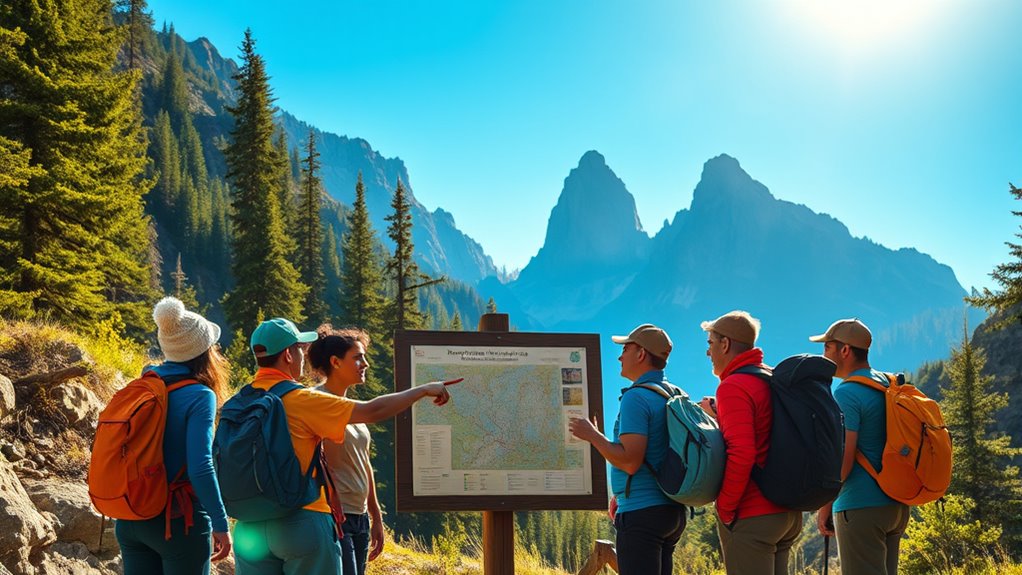
How do you determine the best way to communicate with your group? Start by observing your group dynamics—how members interact and share information. Understanding these patterns helps you choose effective communication methods, whether it’s face-to-face, messaging apps, or radio devices. Incorporate feedback mechanisms to gauge how well your message gets across and to identify any misunderstandings. Ask open-ended questions, encourage input, and monitor reactions to ensure everyone stays connected. Knowing your group’s unique communication style allows you to adapt strategies that foster clarity and trust. Regularly assess these needs, especially as the group evolves or faces new challenges, so your communication plan remains relevant and effective throughout your adventure. Additionally, understanding the technology used in communication devices can help you select the most reliable tools for your group. Being aware of European cloud infrastructure can also offer insights into secure data sharing and coordination options for your planning needs.
Defining Clear Roles and Responsibilities
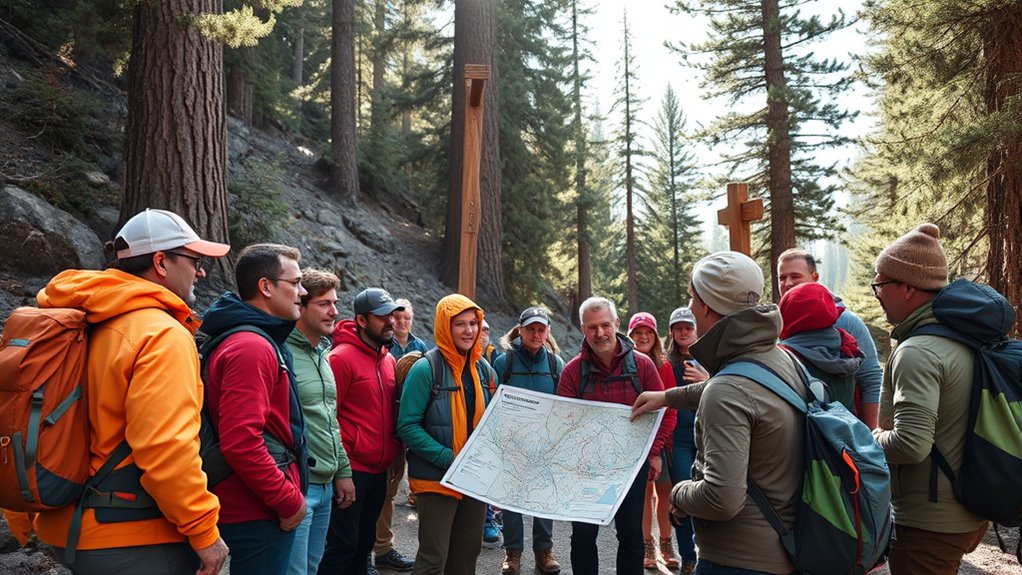
To keep everyone on the same page, you need to assign specific tasks to each group member. Clarifying the leadership hierarchy helps prevent confusion and guarantees smooth decision-making. Additionally, defining emergency roles guarantees everyone knows what to do if a crisis occurs. Regular communication and piercing care and hygiene practices ensure that all members remain healthy and infection-free during the adventure. Incorporating plant-based ice cream options such as almond and coconut milk can cater to diverse dietary needs and promote sustainability, which can be an important aspect of group planning. Implementing vetted wave and wind considerations in your planning can help anticipate and adapt to changing environmental conditions. Active listening and clear communication can help create a more adaptable and resilient plan that responds effectively to unexpected challenges.
Assign Specific Tasks
Clearly defining specific tasks is essential for ensuring that everyone in the group knows exactly what they’re responsible for. When roles are clear, team bonding improves because members understand each other’s contributions. It also helps to minimize communication barriers that can cause confusion during the adventure. To assign tasks effectively, consider this chart:
| Task | Responsible Person | Deadline |
|---|---|---|
| Navigation | Alex | Before departure |
| Equipment Check | Jamie | Morning of trip |
| Emergency Plan | Taylor | Day before |
Use this structure to clarify roles, so each person knows their duties. Well-defined tasks streamline communication, boost confidence, and keep everyone aligned from trailhead to basecamp.
Clarify Leadership Hierarchy
Once tasks are assigned, establishing a clear leadership hierarchy guarantees everyone understands who makes decisions and provides guidance during the adventure. You need to define the chain of command, clarifying leader authority at each level. This helps prevent confusion and ensures smooth decision making, especially when quick choices are needed. Make sure everyone knows who the designated leader is and their scope of authority. If multiple leaders are involved, specify how decisions are delegated and who has final say. Clear roles reduce conflicts and streamline communication, allowing the team to operate efficiently. By clarifying the leadership hierarchy upfront, you empower your group to act confidently and cohesively, knowing exactly where decision making authority resides.
Define Emergency Roles
It’s essential that you define emergency roles and responsibilities before an adventure begins to guarantee everyone knows what to do during critical moments. Clear roles improve team cohesion and streamline response efforts. Conduct a risk assessment beforehand to identify potential emergencies, then assign specific duties accordingly. For example, designate someone as the first aid responder, another as communication coordinator, and a leader to make quick decisions. This clarity prevents confusion and speeds up responses, which can be lifesaving. Additionally, incorporating targeted messaging about emergency procedures can enhance team preparedness and confidence. Remember to regularly check and update these roles based on trustworthy guidance to ensure that team members are aware of proper procedures for safety and health. Incorporating familiar safety protocols can further reinforce understanding and readiness among team members.
Choosing the Right Communication Tools
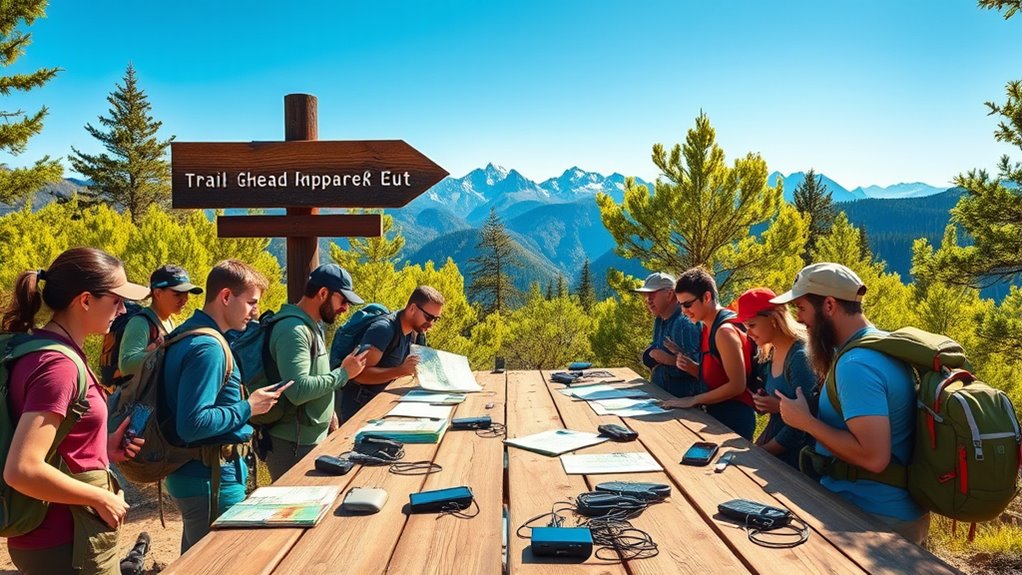
Choosing the right communication tools is essential for ensuring your group stays connected and informed throughout the adventure. Group messaging apps are great for quick updates, coordinate plans, and sharing important information among members. They’re easy to use and keep everyone on the same page. Radio communication is especially useful in areas with limited cell service or when instant, reliable contact is needed. Radios allow for real-time voice communication, which can be vital during challenging terrain or emergencies. Consider your group’s size, terrain, and connectivity when selecting tools. Combining group messaging for planning and radios for immediate communication provides a flexible, dependable system. Incorporating AI-driven solutions and electric power sources features can further enhance communication efficiency and safety. Clear, effective tools will help prevent misunderstandings and keep everyone safe from start to finish.
Establishing Protocols and Emergency Procedures
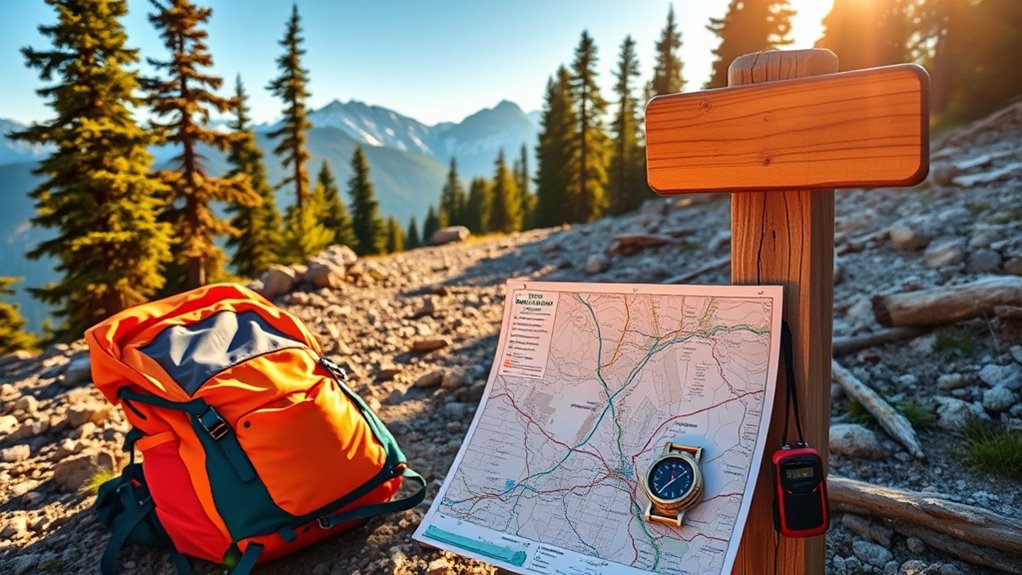
You need clear protocols for emergencies that everyone understands. Make certain you establish an emergency contact hierarchy, specify communication devices and backup plans, and outline evacuation and shelter procedures. Having these in place helps ensure safety and quick responses when it matters most. Additionally, incorporating clear consent management practices ensures that all participants are aware of and agree to the communication protocols established. Understanding the evolution of arcade games can also help in designing engaging activities that promote teamwork and enjoyment during the adventure. Incorporating effective communication strategies can further enhance coordination and response efficiency among group members. Moreover, familiarizing yourself with communication technology can improve real-time coordination and help adapt plans as needed. Recognizing the importance of adaptable plans can allow your group to respond effectively to unexpected situations during the expedition.
Emergency Contact Hierarchy
How can you guarantee swift and effective communication during an emergency? By establishing a clear emergency contact hierarchy, you assure everyone knows who to inform first. Start by designating primary contacts, such as team leaders or guides, and secondary contacts like local authorities or medical services. Implement radio protocols and signal systems that everyone understands, securing quick transmission of critical information. Use predetermined signals or codes for specific situations to cut down on confusion. Make sure each person knows their role and who to contact if the primary contact is unavailable. Regularly review and practice these protocols before the trip. Establishing communication standards and ensuring everyone is familiar with them can significantly improve response times. Additionally, incorporating navigation tools like maps and compasses into your safety protocols can aid in coordination if electronic communication fails. Conducting training drills that include simulating emergencies helps reinforce the hierarchy and improve overall response effectiveness. Incorporating clear documentation of the communication hierarchy ensures that everyone has quick access to the protocols during an emergency. This hierarchy streamlines decision-making and accelerates response times, keeping your group safe during unexpected events.
Communication Devices & Backup
Establishing reliable communication devices and backup protocols is essential to guarantee clear and uninterrupted contact during emergencies. You should select radios that meet your group’s needs and establish clear radio protocols to ensure effective communication. Regularly test radio equipment before departure, and assign specific channels for different roles or locations. To prevent communication failure, plan for backup power sources like extra batteries, portable chargers, or solar panels. Make sure everyone knows how to operate the radios and understands backup procedures if primary devices fail. Clear protocols and dependable devices minimize confusion and delays during critical moments. Additionally, understanding radio operation and emergency procedures can significantly improve response times and safety. Incorporating battery management strategies can further ensure your communication system remains functional throughout your adventure. Proper training on radio communication techniques can enhance team coordination and reduce misunderstandings. By preparing both communication devices and backup power options, you ensure your group stays connected, no matter the situation, enhancing safety and response efficiency throughout your adventure.
Evacuation & Shelter Plans
Having clear evacuation and shelter plans is essential for ensuring everyone’s safety during emergencies. You should prioritize route planning to quickly guide your group to safe zones, considering environmental hazards like unstable terrain, weather, or wildlife. Identify multiple exit routes and establish designated shelters beforehand, ensuring they’re accessible and secure. Communicate these plans clearly to all members so everyone knows where to go and what to do if disaster strikes. Regularly review and update your evacuation procedures based on changing conditions or new hazards. Practice emergency drills to reinforce these protocols, making sure each person understands their role. By proactively planning for environmental hazards, you minimize chaos and enhance safety during unforeseen events.
Planning for Technology Failures and Contingencies

Preparing for technology failures is essential to guarantee your group adventure runs smoothly despite unforeseen issues. To do this, focus on tech redundancy and effective contingency planning. First, always carry backup devices like extra batteries, portable chargers, and spare radios. Second, establish alternative communication methods such as signal mirrors or whistles. Third, assign a designated person to manage tech equipment and troubleshoot issues quickly. Fourth, create clear protocols for switching to manual communication if tech falters. By implementing these steps, you ensure your group remains connected and safe even when technology fails. Planning for contingencies minimizes delays and keeps everyone informed, helping your adventure stay on course regardless of unexpected technical glitches.
Conducting a Pre-Trip Briefing and Practice Run

Once your contingency plans are in place, it’s time to guarantee everyone knows how to execute them by conducting a thorough pre-trip briefing and practice run. This step helps you assess group dynamics and ensure clear communication. During the briefing, clarify roles, responsibilities, and safety procedures, emphasizing morale strategies to keep spirits high. A practice run allows the group to familiarize themselves with the route, test communication devices, and identify potential issues. It also provides an opportunity to reinforce key messages, build trust, and address concerns before the actual adventure. By simulating real conditions, you create confidence and cohesion, making the group more resilient and prepared for unexpected challenges. This preparation lays a solid foundation for a successful, well-coordinated adventure.
Maintaining Flexibility and Continuous Updates

To guarantee your group stays safe and adaptable, maintaining flexibility and providing continuous updates are essential throughout the adventure. This approach keeps everyone engaged in adventure storytelling and boosts group morale. Here’s how to do it:
- Regular Check-Ins: Schedule brief, frequent updates to share new information and address concerns.
- Flexibility in Plans: Be ready to adjust routes or activities based on weather or group energy levels.
- Transparent Communication: Keep everyone informed about changes, ensuring trust and cohesion.
- Use Multiple Channels: Employ walkie-talkies, messages, or apps to share updates instantly, even in remote areas.
Frequently Asked Questions
How Do I Handle Language Barriers Within the Group?
You handle language barriers by addressing translation challenges upfront and encouraging open communication. Use simple language and visual aids to guarantee everyone understands. Be culturally sensitive, respecting different communication styles and backgrounds. Consider hiring interpreters or using translation apps for complex discussions. Foster patience and understanding within the group, making sure all members feel comfortable sharing their thoughts, which helps build trust and smooths out potential misunderstandings.
What Legal Considerations Should I Be Aware of for Communication?
You should guarantee your communication plan complies with legal requirements like data protection laws, including privacy considerations and consent. Verify that all shared information respects confidentiality and avoid disclosing sensitive details without permission. Staying updated on legal compliance helps prevent potential issues. Use secure channels, clearly outline privacy policies, and inform your group about their rights to protect everyone involved in your adventure.
How Can I Ensure Accessibility for All Participants?
Did you know that over 15% of the world’s population has some form of disability? To guarantee accessibility, you should include sign language interpreters and utilize assistive technology like screen readers and captioning tools. Make sure all communication methods are easy to access and understand, and ask participants about their specific needs. By doing so, you create an inclusive environment where everyone can participate fully.
What Are Best Practices for Cross-Generational Communication?
To improve cross-generational communication, you should foster intergenerational respect by listening actively and valuing each person’s perspective. Encourage tech adaptation by offering tutorials and support for different devices and platforms. Use clear, simple language, and be patient with those less familiar with technology. Incorporate diverse communication methods, like face-to-face, email, or messaging apps, to guarantee everyone stays connected and engaged throughout your adventure.
How Do I Manage Communication in Remote or Isolated Locations?
You should establish clear communication channels and emergency protocols before heading into remote or isolated locations. Use reliable technology, like satellite phones or radios, to stay connected, and make certain everyone understands how to access emergency support. Regular check-ins, backup plans, and training on technology use help keep everyone safe and informed. This proactive approach ensures you’re prepared for any situation and can maintain effective communication despite challenging conditions.
Conclusion
Now that you’ve laid the foundation with your plan, the real challenge begins. Will your team stay connected when unexpected obstacles arise? Every decision, every update could mean the difference between success and disaster. Stay vigilant, adapt quickly, and trust your preparations. The journey ahead is unpredictable, but with a solid communication plan, you’re ready to face whatever comes. Are you prepared to lead your group through the unknown? The adventure awaits.