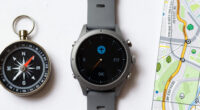
To create better check-in routines before losing cell coverage, set specific times for communication, like before you leave, during stops, and after arriving. Clearly share your plan and roles with everyone involved. Prepare backup methods such as satellite devices or radios in case the network fails. Keep a physical or digital checklist with emergency contacts, your route, and safety info. Use alarms or reminders for scheduled check-ins. If you want to know how to make this even more reliable, keep exploring these strategies.

Get emergency and outdoor gear delivered free with Prime
- Fast, free delivery on millions of items
- Prime Video, Amazon Music and more included
- Member-only deals all year
Key Takeaways
- Establish clear, scheduled check-in times and communicate the plan to all involved parties.
- Prepare and share emergency contact lists and route information in advance.
- Use reliable backup communication methods like satellite devices or radios in remote areas.
- Set automatic reminders or alarms to prompt timely check-ins and avoid forgetfulness.
- Stay informed about emerging communication technologies to enhance connectivity in challenging environments.

When you’re about to enter an area with poor or no cell coverage, it’s essential to establish a reliable check-in routine beforehand. This step is crucial for emergency preparedness because it ensures your loved ones or colleagues know your whereabouts and safety status, even when digital communication isn’t available. Creating effective communication plans ahead of time helps prevent stress and confusion if connectivity drops unexpectedly. It’s about being proactive rather than reactive, so you can focus on staying safe rather than scrambling to find ways to communicate.
Start by setting clear expectations with everyone involved. Decide on specific check-in times, whether it’s before you enter the zone, at certain intervals during your trip, or immediately after you exit. Make sure each person knows the plan and understands their role in the process. This consistency makes it easier to track everyone’s safety and reduces the chance of unnecessary worry or miscommunication. It’s also wise to establish alternative methods of contact, such as satellite messaging devices or radios, especially if you’re venturing into remote areas frequently. Incorporating reliable communication tools can significantly improve your chances of staying connected in challenging environments. Additionally, understanding emerging communication trends can help you select the most reliable tools for your situation.
Set clear check-in times and alternative contact methods to ensure safety in remote areas.
You should prepare a physical or digital checklist that includes all necessary information—emergency contacts, medical details, and your planned route. Share this checklist with your check-in partner(s) so they know what to expect and how to reach you if needed. Incorporate this into your overall emergency preparedness strategy, ensuring everyone understands how to use the communication tools available. If your plans involve multiple check-ins, set reminders or alarms to prompt you to send updates, preventing lapses in communication when you’re busy navigating challenging terrain. Being aware of latest communication advancements can further enhance your readiness and reliability of your check-in routine.
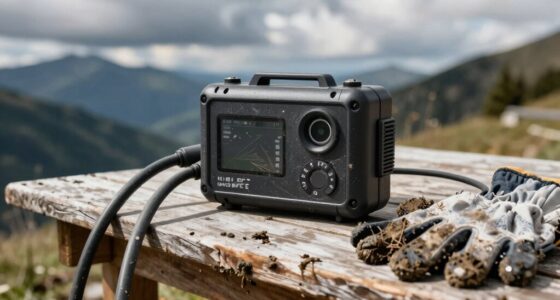
satellite communication device for remote areas
As an affiliate, we earn on qualifying purchases.
As an affiliate, we earn on qualifying purchases.
Frequently Asked Questions
How Can I Ensure My Check-In Plan Works in Remote Areas?
To guarantee your check-in plan works in remote areas, focus on emergency preparedness and robust communication strategies. Carry a satellite phone or two-way radio for reliable contact, and share your itinerary with trusted contacts beforehand. Test your equipment regularly, and have backup power sources like batteries or solar chargers. By planning ahead and using alternative communication methods, you’ll stay connected even without cell coverage, ensuring safety in remote environments.
What Devices Are Best for Offline Check-Ins?
You need durable devices with offline apps that won’t let you down when signals vanish unexpectedly. Consider rugged tablets or satellite phones designed for tough environments; they offer reliable offline functionality and withstand harsh conditions. These devices keep your check-ins on track, even in remote areas where cell coverage disappears. With the right gear, you stay connected to your plan, no matter how challenging the terrain becomes or how unpredictable the coverage might be.
How Often Should I Practice My Check-In Routine?
You should practice your check-in routine daily or at least a few times a week to build routine consistency and guarantee you’re comfortable with it. Regular practice helps you remember steps and adapt to different situations, especially when cell coverage is unreliable. By maintaining a consistent check-in frequency, you’ll become more confident in your routine, making it easier to stay connected and safe during emergencies or when signals falter.
What Are Backup Options if My Device Fails?
Did you know that over 60% of outdoor adventurers carry backup communication devices? If your device fails, you should rely on battery backups and satellite communication options. Battery backups keep your device powered longer, while satellite communication allows you to send messages even without cell coverage. Always test these backups beforehand and keep them easily accessible. This way, you’re prepared for emergencies and can stay connected when it matters most.
How Do I Coordinate Check-Ins With Multiple Team Members?
To coordinate check-ins with multiple team members, establish clear team communication channels, like group chats or dedicated apps. Use scheduling strategies such as shared calendars to set specific check-in times, ensuring everyone knows when to connect. Agree on backup communication methods in case of coverage loss, and confirm everyone’s availability. This proactive approach keeps your team synchronized, minimizes missed updates, and improves overall coordination during critical moments.
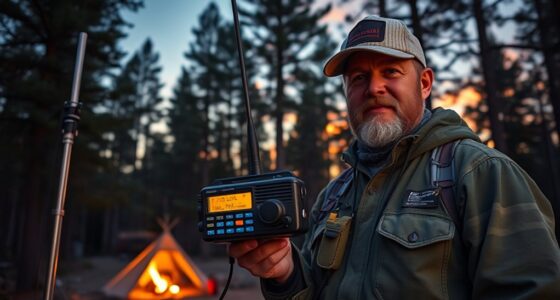
two-way radio for outdoor safety
As an affiliate, we earn on qualifying purchases.
As an affiliate, we earn on qualifying purchases.
Conclusion
By establishing solid check-in routines before losing cell coverage, you’re setting a safety net that catches you when signals drop. Think of it as planting your safety anchor before the storm hits—your preparedness keeps you steady and connected, no matter how turbulent the situation gets. Remember, a little planning now can save you from scrambling later. Stay proactive, stay safe, and keep your communication lines open like a lighthouse guiding ships through dark waters.
As an affiliate, we earn on qualifying purchases.
As an affiliate, we earn on qualifying purchases.
Halloween Picks
halloween
As an affiliate, we earn on qualifying purchases.