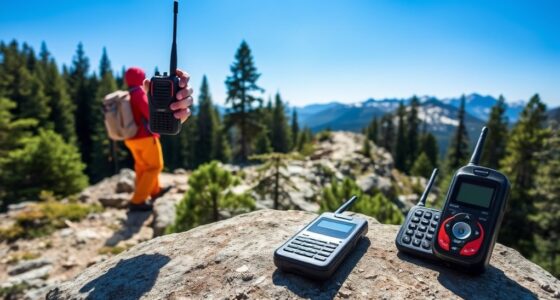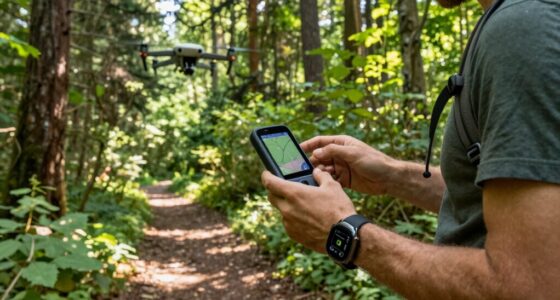
Better check-in systems keep you connected, safe, and confident during solo outdoor adventures. They use GPS, satellite, and cellular tech to send real-time location updates and automatic alerts if you’re in trouble. You can customize check-in schedules and get notifications about your device’s battery life. These systems act as a safety net, encouraging responsible planning and quick rescue responses. To discover how they can transform your outdoor experience, keep exploring the features that make them more effective.

Get emergency and outdoor gear delivered free with Prime
- Fast, free delivery on millions of items
- Prime Video, Amazon Music and more included
- Member-only deals all year
Key Takeaways
- Provide real-time location updates to ensure quick assistance during emergencies.
- Enable automatic and customizable check-ins to maintain consistent safety communication.
- Send immediate alerts and emergency notifications to designated contacts.
- Use advanced connectivity, including satellite communication, in remote areas lacking cellular service.
- Enhance user confidence by offering responsible planning tools and safety features tailored to individual needs.
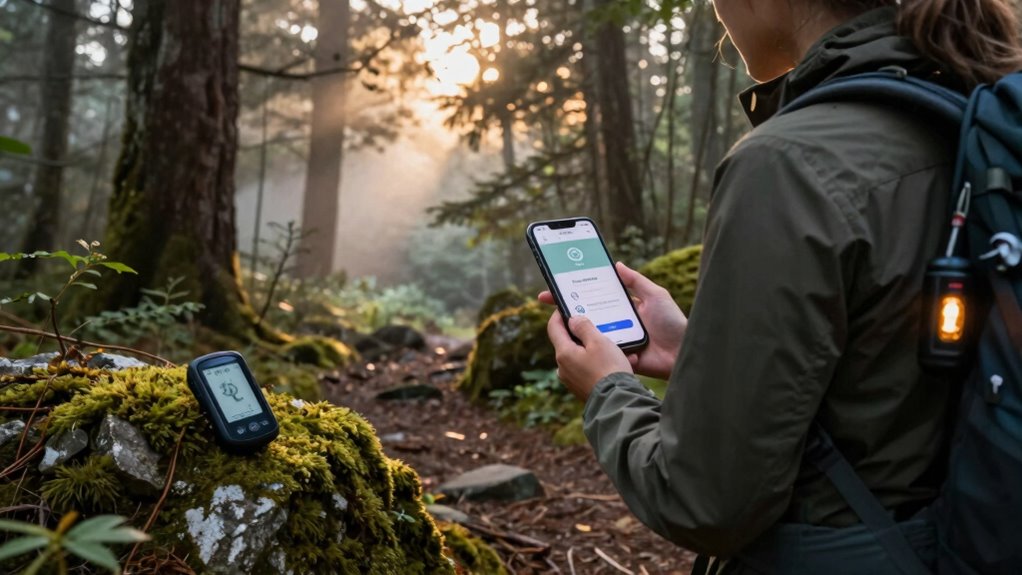
When you venture into the outdoors alone, ensuring your safety becomes a top priority. Check-in systems are a vital part of how you can stay secure during solo adventures. These systems are designed to keep you connected and informed, providing peace of mind to both you and your loved ones. Modern check-in solutions leverage emergency preparedness strategies, giving you a reliable way to communicate your status or request help if needed. Whether you’re hiking remote trails, mountain biking, or camping in secluded areas, these systems act as a safety net, reducing the risks associated with solo outings.
Check-in systems keep solo outdoor adventurers connected and safe, reducing risks and providing peace of mind in remote areas.
Thanks to recent technology advancements, check-in systems have become more sophisticated and accessible. Many now utilize GPS tracking, cellular connectivity, or satellite communication, ensuring you can reach out even when you’re outside the range of traditional networks. This level of connectivity allows you to send automatic check-ins at predetermined intervals, confirming your location and safety status without requiring manual input every time. If you encounter an emergency, these systems can instantly transmit your exact coordinates to rescue teams or designated contacts, dramatically decreasing response times.
What better check-in systems do is provide a structured safety protocol that adapts to your specific needs. They often include features like emergency alerts, battery status notifications, and customizable check-in schedules, ensuring you’re always prepared. By integrating these tools into your outdoor routine, you’re actively managing potential hazards and minimizing the impact of unexpected situations. For example, if you’re delayed or lost, a quick check-in or emergency alert can trigger a rescue operation promptly, possibly saving your life. Additionally, communication technology plays a crucial role in maintaining reliable contact, especially in remote areas with limited network coverage.
Furthermore, these systems foster a sense of accountability. Knowing that your friends, family, or a dedicated monitoring service can track your progress encourages responsible planning and decision-making. They also serve as a psychological safety net, allowing you to explore more confidently, knowing help is just a button away. As technology continues to evolve, check-in systems are becoming more user-friendly, lightweight, and affordable, making them accessible for everyday outdoor enthusiasts.
In essence, better check-in systems transform solo outdoor activities from risky ventures into safer experiences. They blend emergency preparedness with cutting-edge technology, giving you a reliable way to stay connected, informed, and protected. This combination not only enhances your safety but also boosts your confidence to explore nature more freely, knowing that extensive safety measures are in place.
As an affiliate, we earn on qualifying purchases.
Frequently Asked Questions
How Do Check-In Systems Work Without Cell Service?
Check-in systems work without cell service by relying on offline communication methods like satellite messaging or pre-downloaded data. You can send emergency alerts via satellite devices, which don’t depend on cellular networks. These systems often include GPS tracking, so loved ones or rescue teams can locate you even when you’re offline. This guarantees your safety, providing peace of mind knowing help can be reached anytime, anywhere, regardless of cell coverage.
Are Check-In Systems Suitable for All Outdoor Activities?
Check-in systems are suitable for most outdoor activities, especially when you use trail markers and emergency contacts. They help you stay connected and safe, regardless of the activity. You can check in at designated trail markers or manually notify your contacts if needed. These systems are versatile for hiking, biking, or camping, providing peace of mind and quick help in emergencies, even in remote areas without cell service.
What Are the Costs Associated With Different Check-In Options?
Around 60% of outdoor safety apps charge subscription fees, while others have one-time costs. You’ll find a cost comparison varies, with basic check-in systems often free or low-cost, but more advanced features may require monthly or yearly subscriptions. Consider your needs carefully—free options might suffice for casual outings, but investing in paid plans offers additional safety features, real-time tracking, and peace of mind during solo adventures.
Can Family Members Access My Check-In Status Remotely?
Yes, family members can access your check-in status remotely with most modern check-in systems. They often include remote monitoring features that allow loved ones to see your location and check-in updates in real-time through a smartphone app or online portal. This gives your family peace of mind, knowing they can stay informed about your safety without needing to contact you directly, especially during solo outdoor adventures.
How Secure Are These Check-In Systems Against Hacking?
Worried about cybersecurity vulnerabilities? Rest assured, most check-in systems use robust data encryption to protect your information from hackers. However, no system is completely foolproof, so it’s wise to choose ones with strong security features and regular updates. Your safety depends on remaining vigilant, knowing that while these systems are designed to be secure, cyber threats can evolve—so stay informed and select trusted providers for peace of mind.
satellite communication safety system
As an affiliate, we earn on qualifying purchases.
As an affiliate, we earn on qualifying purchases.
Conclusion
Think of check-in systems as your trusted lighthouse, guiding you safely through foggy, unpredictable waters. They cast a steady beam, alerting loved ones if you drift off course. With these systems, you’re not steering alone but have a vigilant guardian watching over you. Embrace this modern beacon—it’s the steady hand in the dark, ensuring your adventure ends safely, and your story continues with confidence, no matter how wild the wilderness gets.
personal safety check-in device for hiking
As an affiliate, we earn on qualifying purchases.
As an affiliate, we earn on qualifying purchases.
emergency GPS tracker for outdoor adventures
As an affiliate, we earn on qualifying purchases.
As an affiliate, we earn on qualifying purchases.
Fall Picks
fall essentials
As an affiliate, we earn on qualifying purchases.