Before bringing high-power gear to remote sites, you need to thoroughly evaluate the terrain, climate, and infrastructure to guarantee your equipment is suitable and safe. Check all gear for damage, follow safety protocols, and establish reliable power sources with backups. Secure and label everything for transport and setup, and plan for ongoing maintenance and safety checks. Continuing will help you understand essential steps for a safe, efficient operation in remote environments.
Key Takeaways
- Conduct a thorough site evaluation to assess terrain, climate, and infrastructure suitability for high-power equipment.
- Ensure proper safety measures, including equipment inspection, grounding, and emergency protocols, are in place before deployment.
- Plan reliable power sources, backup systems, and proper cable management to prevent overloads and damage.
- Secure equipment against environmental factors during transportation and setup to avoid damage or operational issues.
- Establish ongoing maintenance, monitoring, and safety procedures to ensure long-term operational reliability.

Bringing high-power equipment to remote sites requires careful planning and consideration. You need to guarantee that the equipment you bring is safe to operate in the environment and that power management is handled effectively. Without proper precautions, you risk equipment failure, safety hazards, and project delays. The first step is evaluating the site’s conditions thoroughly. Understand the terrain, climate, and available infrastructure. This knowledge helps you determine the right equipment and safety measures needed to operate reliably and safely.
Thorough site evaluation ensures safe, reliable operation of high-power equipment in remote environments.
Equipment safety should be your top priority. High-power gear can be dangerous if not managed properly. Make certain all equipment is inspected before transport, checking for damage or wear that could compromise safety. Use appropriate protective gear and follow manufacturer guidelines during setup and operation. Proper grounding and insulation are essential to prevent electrical shocks or fires. You must also have safety protocols in place for emergencies, including accessible fire extinguishers and clear evacuation procedures. Educate your team on these safety measures to minimize risks associated with high-power equipment.
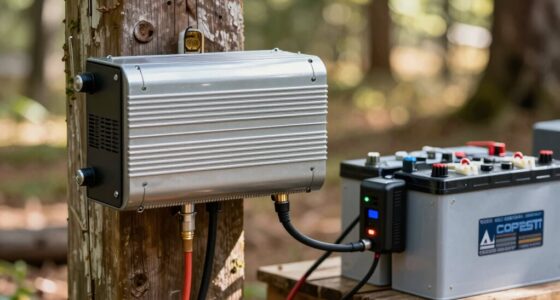
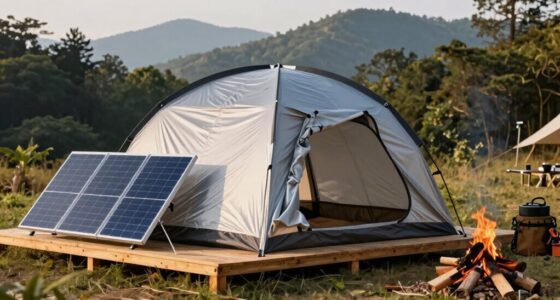
Power management is equally essential. Remote sites often lack a stable power supply, so you need a reliable source of energy. Consider installing generators, solar panels, or battery systems suited for your equipment’s power demands. It’s important to calculate the total power load accurately to avoid overloading your systems. Incorporate surge protectors and circuit breakers to safeguard against power spikes, which can damage sensitive components. You should also plan for backup power sources to ensure continuous operation during outages. Proper power distribution is key—use high-quality cables and connectors to prevent energy loss and reduce the risk of overheating. Additionally, understanding the power requirements of your equipment helps optimize your energy setup and prevent overloads. Being aware of power management strategies can also help you efficiently allocate resources and minimize downtime.
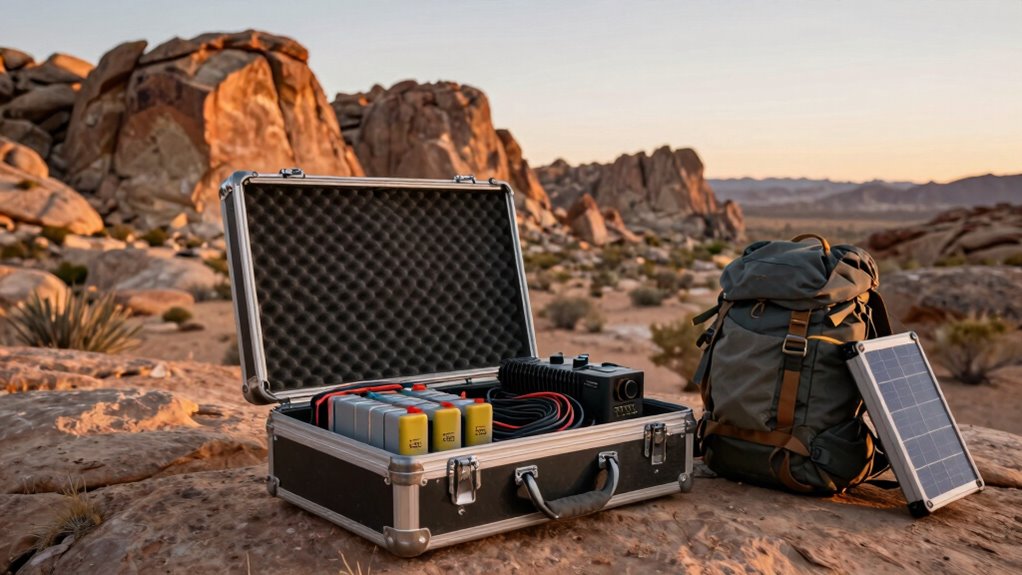
Transporting high-power equipment adds another layer of complexity. Ensure that all gear is securely packed and protected against environmental factors like dust, moisture, and vibration. Label all components clearly for quick identification and troubleshooting. Once on site, double-check all connections and settings before powering up. This minimizes the risk of short circuits or other issues that could compromise safety or damage your equipment.
Finally, ongoing maintenance and monitoring are imperative. Regularly inspect electrical connections, ventilation, and cooling systems to prevent overheating. Keep detailed logs of power consumption and equipment performance to identify potential issues early. By prioritizing equipment safety and meticulous power management, you’re not only protecting your team but also ensuring your project progresses smoothly, even in challenging remote environments. Proper planning, execution, and vigilance make all the difference when operating high-power gear in remote settings.

DaranEner Portable Power Station, 192Wh LiFePO4 Battery Backup Solar Generator with w/2 300W (Peak 600W) AC Outlets, USB-C PD 60W Fast Charge, Power Bank for Camping, Outdoor, Home,Emergency
- Capacity and Power Output: 192Wh, 300W pure sine wave output
- Battery Type and Longevity: LiFePO4 battery with 3500+ cycles
- Safety Features: Smart BMS protects against overcharge, overheating
As an affiliate, we earn on qualifying purchases.
As an affiliate, we earn on qualifying purchases.
Frequently Asked Questions
How Do I Ensure Safety With High-Power Equipment in Remote Areas?
To guarantee safety with high-power equipment in remote areas, you should follow strict safety protocols and perform thorough equipment inspections before use. Always check for damaged components, loose connections, and proper grounding. Keep safety gear nearby, and ensure all operators are trained. Communicate safety procedures clearly, and have emergency plans in place. Regularly monitor equipment during operation to prevent accidents, and document inspections for future reference.
What Are the Best Transportation Methods for Heavy Gear?
Like a trusty steed, choose rugged trucks or off-road vehicles for transport logistics, especially over rough terrain. You’ll want to prioritize equipment handling efficiency, so consider using trailers or specialized cases for heavy gear. For delicate high-power equipment, a helicopter or drone might be needed for quick, safe delivery. Always plan routes carefully, ensuring stability and safety, so your gear arrives intact and ready for action.
How Do I Secure Permissions for Equipment Deployment?
You obtain permissions for equipment deployment by understanding permitting procedures specific to your project location. Start by contacting local regulatory agencies to ensure compliance with all regulations. Submit detailed applications outlining your high-power gear’s specifications and intended use. Follow up regularly and keep documentation of all approvals. Staying proactive helps you navigate permitting procedures smoothly and guarantees your deployment adheres to regulatory compliance, avoiding delays or legal issues.
What Contingency Plans Are Necessary for Power Failures?
Think of your backup power solutions as your safety net, ready to catch you during a power outage. You should have power outage preparedness plans that include portable generators, uninterruptible power supplies, and fuel reserves. Regularly test these backup systems, guarantee easy access, and train staff in their operation. This way, if a power failure occurs, your equipment keeps running smoothly, avoiding costly disruptions and maintaining operational continuity.
How Do Environmental Factors Affect Equipment Performance?
Environmental factors greatly influence equipment performance. Harsh conditions like extreme temperatures, humidity, or dust can decrease equipment durability and cause malfunctions. You need to take environmental impacts into account when planning your setup, ensuring your gear is rated for the conditions. Proper insulation, weatherproofing, and regular maintenance help mitigate these effects, maintaining peak performance and extending the lifespan of your high-power gear in remote sites.

Portable Solar Generator 300W Portable Power Station with 60W Solar Panel
- High-capacity Battery: 280Wh portable power pack
- Includes 60W Foldable Solar Panel: Solar recharging capability
- Multiple Charging Outlets: AC, DC, USB ports
As an affiliate, we earn on qualifying purchases.
As an affiliate, we earn on qualifying purchases.
Conclusion
Before you pack up that powerful gear and head into the remote wilderness, remember it’s more than just equipment—it’s your lifeline. Picture the silent forest, the distant mountains, and the night sky blanketed with stars. Your gear becomes the beacon of progress amid the quiet. Handle it with care, plan meticulously, and respect the environment. With the right preparation, you’ll light up even the most secluded corners, turning challenges into triumphs under the vast, open sky.
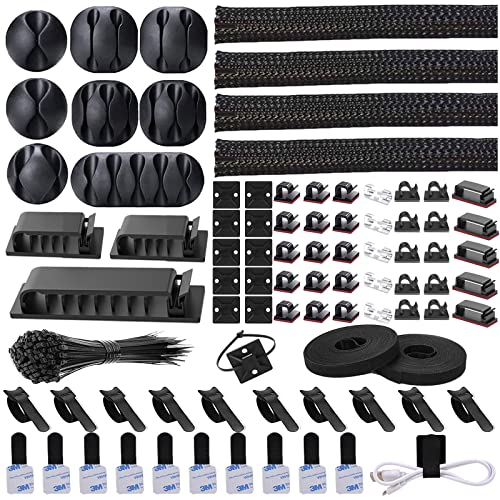
N NOROCME 192 PCS Cable Management Kit 4 Wire Organizer Sleeve
- Complete Cable Management Kit: Includes sleeves, ties, clips, and mounts
- Multiple Cable Clips: 6 types, 46 eco-friendly clips in two colors
- Durable Materials: Sturdy, high-quality components for long-lasting use
As an affiliate, we earn on qualifying purchases.
As an affiliate, we earn on qualifying purchases.
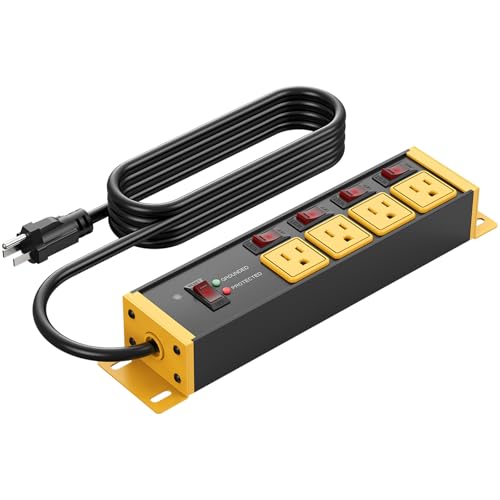
CCCEI 12 Gauge Heavy Duty Surge Protector, Yellow, 6FT, 1
- Heavy Duty Power Strip: 20 amp with 4 outlets and switches
- Heavy Duty Extension Cord: 6ft, 12 gauge for durability
- Independent Circuit Breakers: 20-amp per outlet for safety
As an affiliate, we earn on qualifying purchases.
As an affiliate, we earn on qualifying purchases.