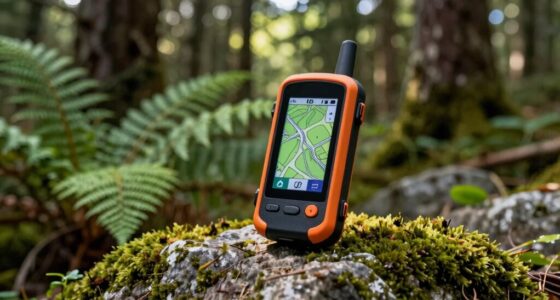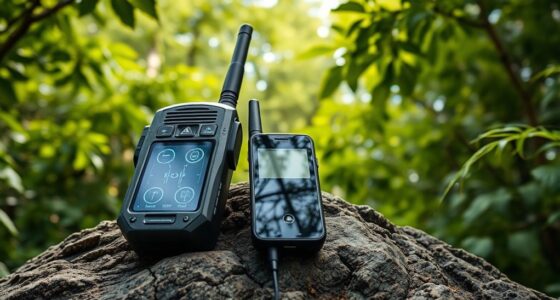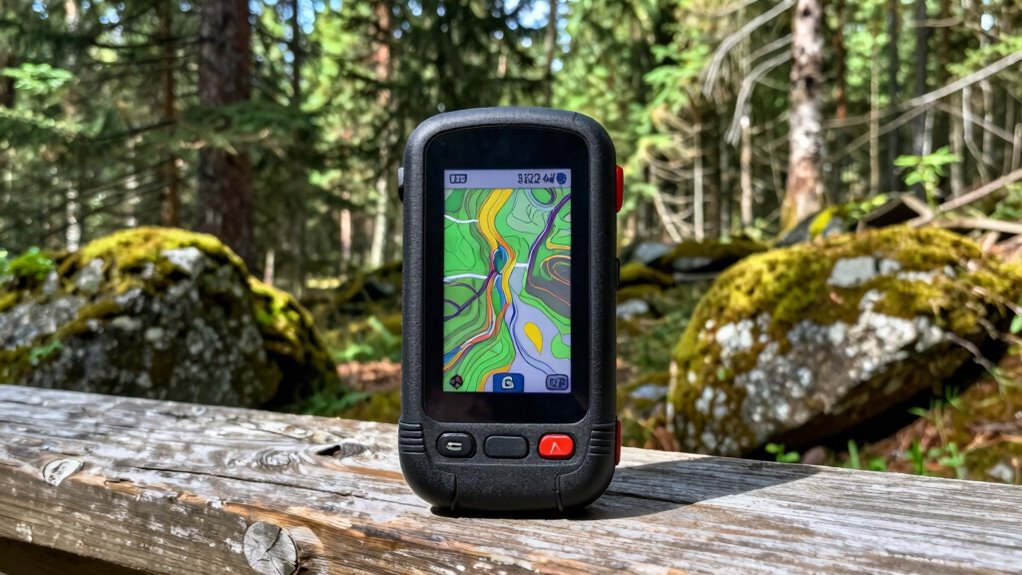
Handheld GPS devices still matter in a smartphone world because they provide reliable, precise navigation in remote areas where phones often fail. Built to withstand harsh conditions, they offer durability and advanced safety features like satellite-based distress signals. Unlike smartphones, they don’t rely on cellular signals, ensuring you stay connected no matter the environment. If you want to understand why these devices remain essential, you’ll find the key benefits that make them indispensable.
Key Takeaways
- Handheld GPS devices offer reliable satellite connectivity independent of cellular networks, ensuring navigation in remote areas.
- They feature rugged, weather-resistant designs that withstand extreme outdoor conditions, unlike fragile smartphones.
- Advanced safety features like satellite distress signals provide emergency communication where mobile signals fail.
- Dedicated navigation tools with route planning and waypoint marking enhance accuracy beyond smartphone apps.
- They ensure continuous operation and peace of mind during wilderness expeditions, regardless of smartphone limitations.

In a world dominated by smartphones, it’s easy to assume that dedicated handheld GPS devices are obsolete. However, these tools still play a vital role, especially when you’re venturing into remote areas where cell signals vanish. Unlike smartphones, handheld GPS units often come with satellite connectivity that isn’t dependent on cellular networks, making them reliable explorers’ companions. This means you can navigate through dense forests, rugged mountains, or deserts without worrying about losing signal or draining your phone’s battery. Many of these devices are built with rugged durability, designed to withstand harsh weather, drops, and rough handling. Whether you’re hiking, camping, or engaging in outdoor adventures, their sturdy construction ensures they keep working when your smartphone might fail.
You’ll find that the satellite connectivity of handheld GPS devices is a game-changer. It allows you to access global positioning satellites directly, offering precise location data regardless of your environment. This direct connection minimizes the risk of inaccuracies caused by poor signal reception or network congestion. When you’re in the wilderness, this reliability becomes crucial for safety and navigation. You can mark waypoints, track your progress, and plan routes with confidence, knowing that your device isn’t solely reliant on Wi-Fi or cellular data. Plus, many models feature features like real-time positioning updates and the ability to send distress signals via satellite, which is invaluable if you find yourself in trouble far from civilization. Additionally, they often include advanced navigation features that enhance route planning and tracking capabilities beyond typical smartphone applications. These capabilities are especially important for remote expeditions, where traditional tech might fall short. Moreover, the independent satellite connection ensures that even in areas with minimal cellular coverage, your navigation remains uninterrupted.
Rugged durability isn’t just a bonus; it’s a necessity for serious outdoor use. These devices are built to handle extreme conditions—think waterproof casings, shock resistance, and resistance to dust and debris. This means you won’t have to worry about weather ruining your navigation tools or accidental drops rendering your device useless. The robust design ensures that your GPS will work when you need it most, providing peace of mind during rugged adventures. While smartphones can be sleek and multifunctional, they’re often fragile and sensitive to environmental factors. Handheld GPS units fill this gap, offering a dedicated, tough, and reliable device that stands up to the challenges of outdoor exploration.
In essence, even in a smartphone-driven world, the combination of satellite connectivity and rugged durability makes handheld GPS devices indispensable for anyone serious about navigating the outdoors. They deliver dependable performance where mobile devices falter, ensuring that your journey remains safe, accurate, and uninterrupted.
handheld GPS device with satellite distress signal
As an affiliate, we earn on qualifying purchases.
As an affiliate, we earn on qualifying purchases.
Frequently Asked Questions
How Do Handheld GPS Devices Improve Accuracy Compared to Smartphones?
Handheld GPS devices improve accuracy by maintaining a stronger satellite signal, even in challenging environments like dense forests or remote areas. They’re designed with high-sensitivity receivers, which enhance positional accuracy compared to smartphones that rely on multiple signals and are more prone to interference. This means your device can provide more precise location data, making it essential for navigation in situations where accuracy matters most.
Are Handheld GPS Devices More Durable Than Smartphones in Harsh Conditions?
In harsh conditions, handheld GPS devices often outshine smartphones. You’ll find their weather resistance protects against rain, snow, and dust, while their drop durability ensures they withstand accidental falls. Unlike fragile smartphones, these devices are built tough, giving you confidence when exploring rugged terrains. So, if you’re venturing into challenging environments, a handheld GPS offers the resilience you need to keep orienting yourself without worry.
Can Handheld GPS Devices Function Without Cellular Service?
Yes, handheld GPS devices can function without cellular service because they rely on satellite connectivity, not cellular networks. You can still access offline mapping and navigation features, making them reliable in remote areas where cell signals are unavailable. This independence from cellular coverage guarantees you can navigate confidently, even in wilderness or mountains, where smartphones often struggle with signal strength or battery life.
What Is the Battery Life Difference Between Handheld GPS Units and Smartphones?
Battery longevity between handheld GPS units and smartphones is like comparing a marathon runner to a sprinter; handheld devices often last much longer. They consume less power because of optimized power consumption and dedicated GPS chips, allowing them to operate for days or even weeks. Smartphones, with their multifunctionality, drain their batteries faster—usually only lasting a few hours when using GPS continuously. So, your GPS device keeps going while your phone needs a break.
Do Handheld GPS Devices Have Special Features for Outdoor Navigation?
Yes, handheld GPS devices often have special features for outdoor navigation. You benefit from satellite connectivity, which guarantees accurate positioning even without cell service, and they typically offer extensive map customization options. This allows you to tailor maps to your specific needs, whether you’re hiking, geocaching, or exploring remote areas. These features make handheld GPS units reliable tools for outdoor enthusiasts who need precise navigation in challenging environments.
rugged outdoor GPS navigator
As an affiliate, we earn on qualifying purchases.
As an affiliate, we earn on qualifying purchases.
Conclusion
Even in a world dominated by smartphones, handheld GPS devices remain essential. They offer reliability, longer battery life, and better signal accuracy in remote areas where your phone might fail. Did you know that 80% of outdoor enthusiasts still carry dedicated GPS units for safety and precision? So, while smartphones are convenient, a handheld GPS provides peace of mind and dependable navigation when it matters most. Don’t underestimate its value—sometimes, specialized gear still outperforms the all-in-one device.
waterproof handheld GPS for hiking
As an affiliate, we earn on qualifying purchases.
As an affiliate, we earn on qualifying purchases.
GPS waypoint marker device
As an affiliate, we earn on qualifying purchases.
As an affiliate, we earn on qualifying purchases.