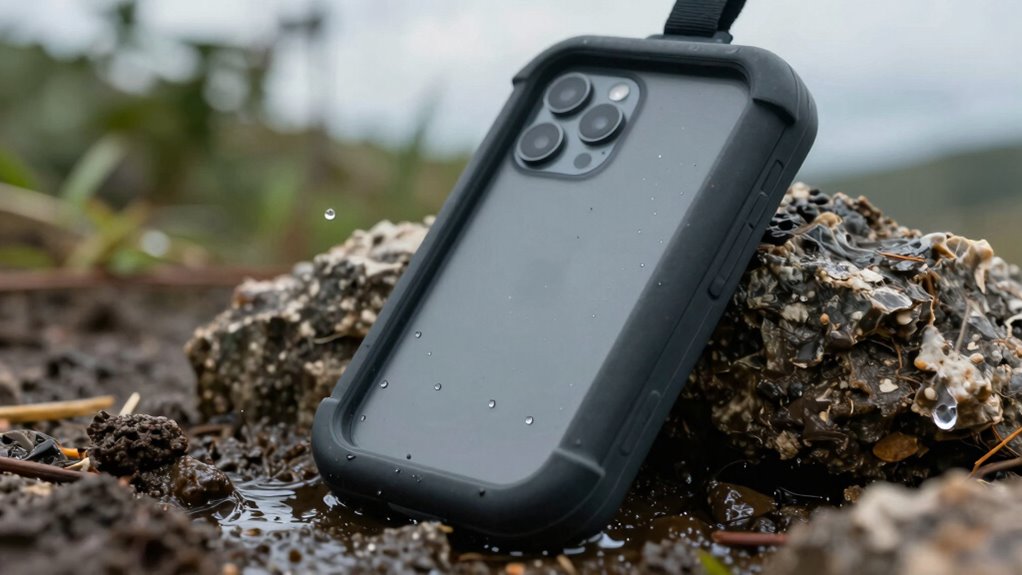

To keep your electronics safer in rough outdoor conditions, always carry waterproof or rugged cases to protect against drops, dust, and moisture. Optimize device settings by dimming screens and turning off unnecessary apps to save battery life. Use high-capacity power banks and keep extra batteries handy for long trips. Wear proper protective gear and seal devices in waterproof bags when needed. Taking these steps can make a big difference—exploring further will reveal even more ways to safeguard your gear effectively.

Get emergency and outdoor gear delivered free with Prime
- Fast, free delivery on millions of items
- Prime Video, Amazon Music and more included
- Member-only deals all year
Key Takeaways
- Use waterproof or rugged cases to protect devices from water, dust, and impacts.
- Carry extra batteries or portable chargers to ensure continuous power in emergencies.
- Adjust device settings: dim screens, disable unnecessary apps, and enable power-saving modes.
- Keep electronics in sealable waterproof bags or protective pouches to prevent water damage.
- Be aware of environmental conditions to choose appropriate gear and prevent device harm.
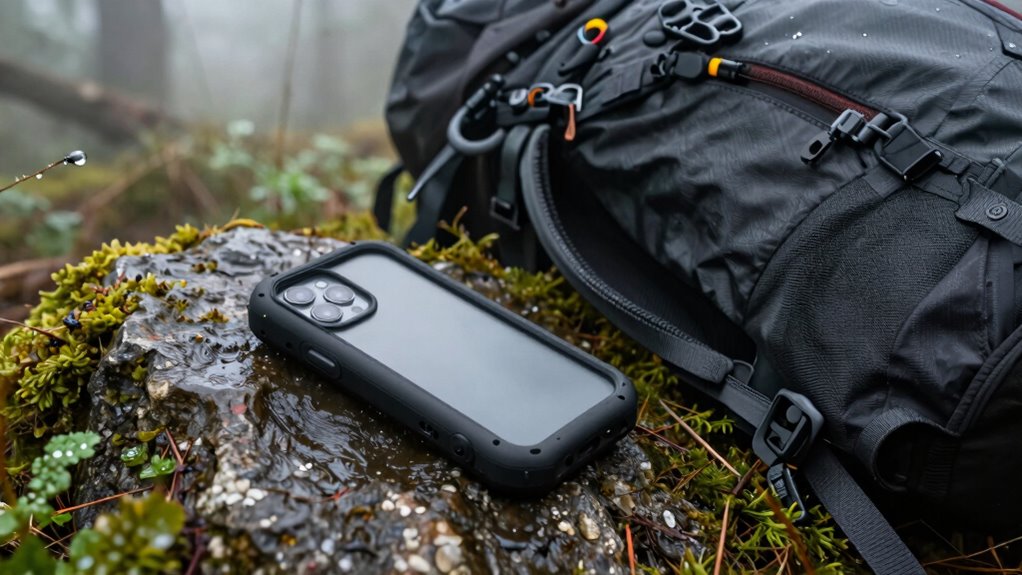
Ever wondered how to protect your electronics when venturing into rough outdoor conditions? It’s a common concern, especially when you rely on your devices for navigation, communication, or capturing memories. To keep your electronics safe, you need to think about two essential factors: battery life and signal strength. Both can be severely impacted by the environment, so preparing ahead can make all the difference.
First, your battery life can drastically decrease when you’re outdoors in challenging conditions. Cold weather, for example, drains batteries faster, so carrying extra power sources is essential. Invest in high-capacity portable chargers or power banks designed for outdoor use. Make sure to fully charge them before heading out and keep them protected from the elements—consider waterproof cases or sealable bags. You should also optimize your device’s power settings: dim the screen brightness, turn off unnecessary apps, and enable power-saving modes. This helps extend your device’s operational time. If possible, keep spare batteries on hand, especially if you’re going to be away from charging options for extended periods. Remember, a dead device isn’t just inconvenient; it could be dangerous in emergencies. Additionally, understanding environmental factors that affect electronics can help you better prepare for outdoor adventures. Being aware of potential weather conditions can help you choose the right protective gear or accessories for your devices. Proper electronics protection measures are crucial to withstand harsh outdoor environments and ensure your devices remain functional. Moreover, selecting the right outdoor accessories can significantly enhance your device’s durability and safety in rough conditions. Investing in waterproof or rugged cases can provide extra security against drops, dust, and moisture.
Popular right now

TCL 65-Inch T7 Series 4K QLED Smart Google TV, 144Hz (65T7)

Philips Café Aromis Automatic Espresso Machine with LatteGo Pro Milk System

Bose QuietComfort True Wireless Earbuds with Active Noise Cancellation, Black
As an affiliate, we earn on qualifying purchases.
Frequently Asked Questions
What Are the Best Materials for Outdoor Electronic Cases?
You should choose cases made from durable materials like high-grade polycarbonate or rugged rubber, which resist impacts and weather. Look for cases with a tough, sealed design to keep out water and dust. A well-designed case offers shock absorption and secure closures, ensuring your electronics stay protected. Prioritize material durability and a sturdy case design to withstand the harsh outdoor environment and keep your devices safe.
How Often Should I Inspect Outdoor Electronics for Damage?
You should inspect your outdoor electronics regularly, ideally once a month, to catch any signs of damage early. Routine maintenance helps prevent issues like corrosion or cracks that could lead to failure. Check for loose connections, water ingress, or physical damage. By staying proactive with inspections, you reduce the risk of costly repairs and make certain your devices stay protected, maintaining their longevity and reliable performance in tough outdoor conditions.
Can I Use Household Products to Waterproof Electronics?
They say “a stitch in time saves nine,” but household remedies aren’t your best bet for waterproofing electronics. DIY sealing with household products like wax or silicone might provide temporary protection, but they’re not reliable long-term solutions. Instead, use specialized waterproofing sprays or cases designed for electronics. Relying on household products could damage your device, so it’s better to invest in proper waterproof gear to keep your electronics safe outdoors.
Are There Specific Brands Known for Durable Outdoor Electronics?
Yes, some brands are known for durable outdoor electronics. You should look into those with strong brand reputations and proven durability tests, like Garmin, Cat, and Bushnell. These companies focus on rugged designs, ensuring their devices withstand harsh conditions. When selecting outdoor electronics, prioritize brands that have a solid track record for durability, so you can trust their products to perform reliably in challenging outdoor environments.
How Do Temperature Fluctuations Affect Outdoor Electronics?
Temperature fluctuations are like a rollercoaster for your electronics, causing them stress. You need to watch out for thermal expansion, which can crack or loosen components, and condensation buildup, leading to corrosion and short circuits. Sudden changes can push devices beyond their limits, so protect them with insulated cases and guarantee proper sealing. Staying proactive helps your gear endure the wild ride of outdoor conditions.
Conclusion
So, next time you’re out in the rough outdoors, remember that protecting your electronics isn’t just about gear—it’s about awareness. It’s funny how the tiniest oversight, like forgetting a waterproof case, can turn a great adventure into a frustrating mishap. By taking simple precautions, you’re not only safeguarding your devices but also ensuring those unexpected moments become part of your story, not your setback. Stay prepared, and let nature’s surprises be just that—surprises, not problems.