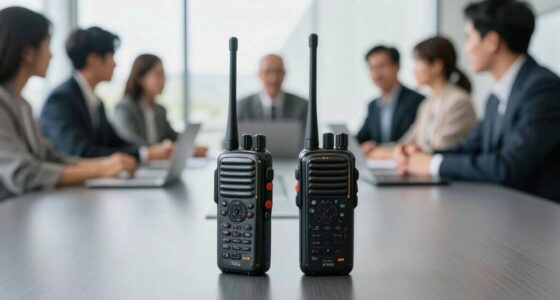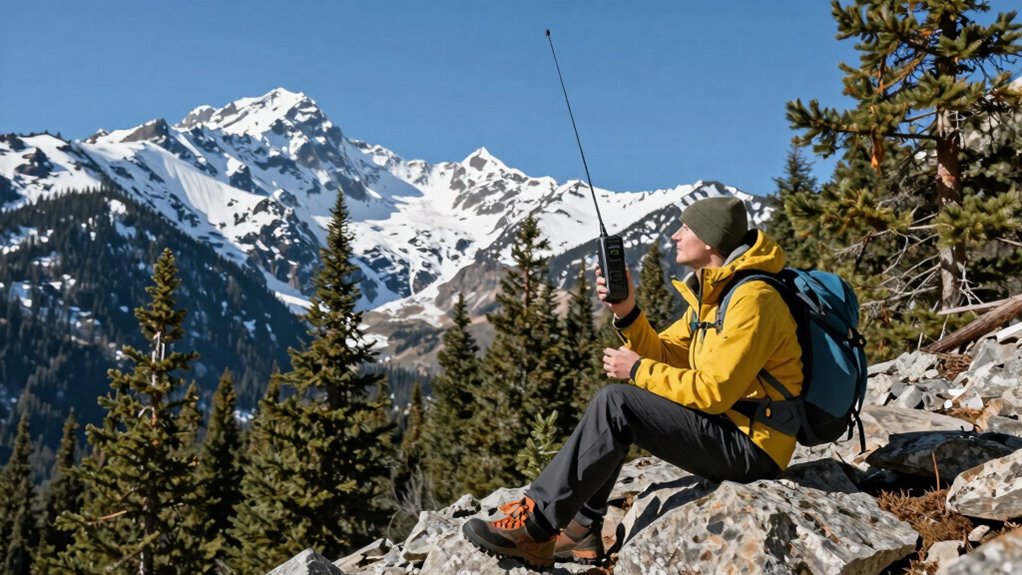

Satellite communicators are now essential in backcountry safety because they let you stay connected in remote areas where cell service isn’t available. They enable quick emergency alerts, precise location sharing, and two-way communication with rescue teams or loved ones. Advances in technology, coverage, and affordability make them reliable tools for any adventure. Using them can greatly improve your safety and response times. To find out how they can protect you in the wild, explore more below.

Get emergency and outdoor gear delivered free — and shop member deals
- Fast, free delivery on millions of items
- Access to Prime Big Deal Days deals on October 6–7
- Prime Video, Amazon Music and more included
Key Takeaways
- Enable reliable emergency communication in areas lacking cell coverage, crucial for timely rescue efforts.
- Support GPS and two-way messaging, providing precise location sharing and vital information exchange.
- Advances in technology make devices compact, affordable, and user-friendly, increasing accessibility.
- Faster rescue response and better risk management improve safety outcomes in remote terrains.
- Growing satellite network coverage and reliability solidify their role as essential safety tools.
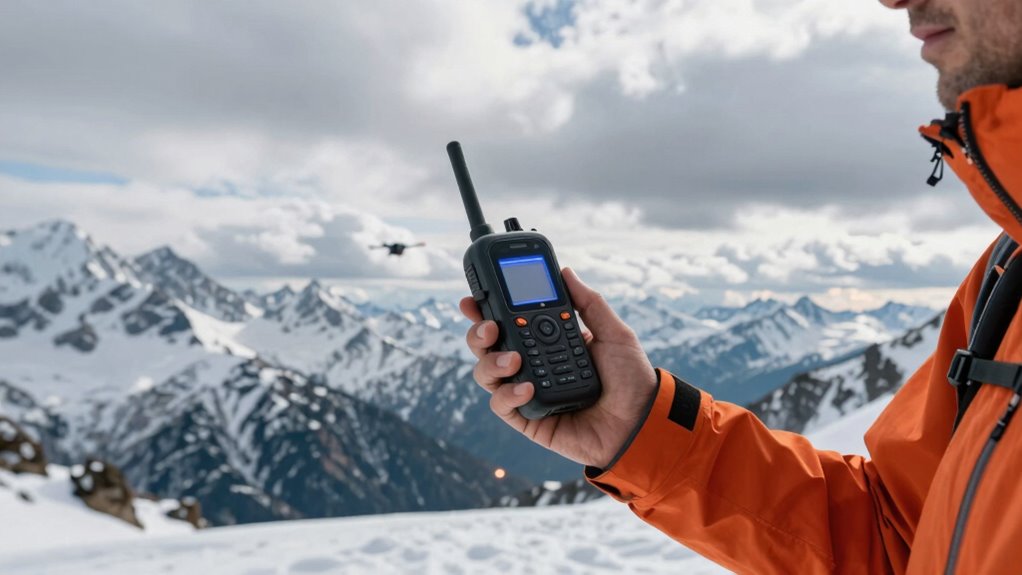
When venturing into remote backcountry areas, having reliable communication can be a lifesaver. It’s not just about staying connected for fun; it’s an essential part of your emergency preparedness plan. Satellite communicators have become indispensable tools for outdoor enthusiasts, guiding you through unpredictable situations where traditional cell service falls short. With these devices, you gain a direct link to emergency services, rescue teams, or loved ones, regardless of how far from civilization you wander. As technology advances, satellite communicators are more compact, user-friendly, and dependable than ever before, making them accessible even for casual adventurers.
Reliable satellite communication is essential for safety and emergency preparedness in remote backcountry adventures.
The core reason satellite communicators are now a staple in backcountry safety revolves around their ability to bridge the communication gap in remote areas. Cell towers are limited to populated regions, leaving vast wilderness zones outside of coverage. When emergencies strike—like injuries, sudden weather changes, or getting lost—you need a way to alert authorities immediately. Satellite devices use global networks to transmit messages via satellites orbiting the Earth, ensuring you stay connected no matter how isolated your location. This level of connectivity markedly reduces response times and increases your chances of rescue, especially in life-threatening situations.
Advances in technology have dramatically improved the reliability and functionality of satellite communicators. Modern devices often feature GPS integration, allowing you to send your exact coordinates with a message. This precision helps rescue teams locate you swiftly. Many models also support two-way messaging, so you can communicate directly with emergency services or your contacts, providing essential information about your condition or the situation. Some devices incorporate weather updates, route tracking, and even emergency SOS signals, further enhancing your safety. These innovations have lowered the barriers to using satellite communicators, making them a practical addition to your safety gear rather than a bulky, expensive gadget. Additionally, satellite network coverage continues to expand, improving overall connectivity in more remote regions.
Furthermore, the evolution of satellite constellations and miniaturization means that satellite communicators are more affordable and easier to carry. You don’t have to be a tech expert to operate them; most come with simple interfaces and clear instructions. This user-friendliness encourages more backcountry travelers to include these devices in their preparation process. With the peace of mind that comes from knowing you can summon help swiftly, you can focus more on enjoying your adventure and less on potential dangers lurking in remote terrain. The importance of reliable communication in these situations cannot be overstated, as it directly influences rescue efficiency and safety. As technology continues to advance, satellite communicators will become even more integral to safe, responsible exploration of the wild, making them a must-have for anyone venturing into areas where traditional communication isn’t available.
satellite communicator for backcountry safety
As an affiliate, we earn on qualifying purchases.
As an affiliate, we earn on qualifying purchases.
Frequently Asked Questions
How Long Do Satellite Batteries Typically Last During Extended Trips?
Satellite batteries typically last between 8 to 20 hours during extended trips, depending on usage and device model. You can maximize battery life through effective power management by turning off unnecessary features and reducing screen brightness. Carrying spare batteries or portable chargers is wise, especially for longer excursions. Regularly monitor your device’s power status to guarantee reliable communication when you need it most, and plan accordingly for your backcountry safety.
Are Satellite Communicators Waterproof and Resistant to Harsh Weather?
Think of a satellite communicator as a rugged explorer in your pocket; it’s designed for harsh conditions. Most models boast waterproof durability and weather resistance, ensuring they survive rainstorms, snow, or mud. I’ve seen devices withstand heavy downpours during mountain expeditions, proving their resilience. So, you can count on your satellite communicator to perform reliably, no matter how fierce the weather gets, keeping you connected and safe.
What Are the Costs Associated With Purchasing and Maintaining a Satellite Communicator?
You’ll find that the costs for satellite communicators vary widely. The initial purchase price typically ranges from $300 to $600, depending on features. Subscription plans are essential, with costs usually between $20 and $50 per month, covering service and data. Conduct a cost comparison to choose a plan that fits your needs and budget. Remember, maintaining your device involves renewing your subscription and occasional updates.
Can Satellite Communicators Be Used for GPS Navigation?
Yes, satellite communicators can be used for GPS navigation. They provide reliable satellite signal strength, even in remote areas, ensuring you get accurate GPS readings. This means you can use them to find your way, track your routes, and avoid getting lost, especially when cell service is unavailable. Their GPS accuracy helps you navigate confidently, making them essential tools for backcountry adventures and ensuring your safety in challenging environments.
How Reliable Are Satellite Signals in Remote Mountain or Forest Areas?
Satellite signals in remote mountain or forest areas can be fairly reliable, but your experience depends on signal strength and coverage areas. Thick forests and rugged terrain may weaken the signal or create blind spots, making communication less dependable. To stay safe, always check your device’s coverage map beforehand, and keep in mind that signal strength may fluctuate. Having a backup plan is essential for unpredictable situations.
As an affiliate, we earn on qualifying purchases.
Conclusion
As you venture into the wild, satellite communicators are your lifeline, like a sturdy anchor amid churning waters. They keep you connected when cell signals fade into oblivion, turning rugged terrain into a safe haven. With one press of a button, you summon help or share your location, transforming uncertainty into confidence. In the vast wilderness, these devices are your guiding star, ensuring you’re never truly lost, no matter how far off the map you roam.
two-way satellite communication device
As an affiliate, we earn on qualifying purchases.
As an affiliate, we earn on qualifying purchases.
As an affiliate, we earn on qualifying purchases.
Halloween Picks
halloween
As an affiliate, we earn on qualifying purchases.