
To build a better power plan, start by evaluating your energy needs for lighting, heating, and charging devices. Identify where waste occurs and use monitoring tools to track your consumption. Incorporate renewable sources like solar or wind and store excess energy for later use. Improve efficiency with LED lighting, smart thermostats, and better insulation. Manage your system with smart grids and storage solutions to boost resilience. Explore these strategies further to optimize your energy system over time.
Key Takeaways
- Assess and monitor your energy consumption to identify inefficiencies and tailor your power plan accordingly.
- Integrate renewable energy sources like solar, wind, or geothermal to enhance sustainability and reduce reliance on fossil fuels.
- Upgrade to energy-efficient appliances, LED lighting, and smart controls to optimize energy use for lighting and heating.
- Incorporate energy storage solutions and smart grid technology to improve resilience and manage energy supply effectively.
- Use renewable-powered charging stations and unplug devices when not in use to maximize charging efficiency and reduce waste.
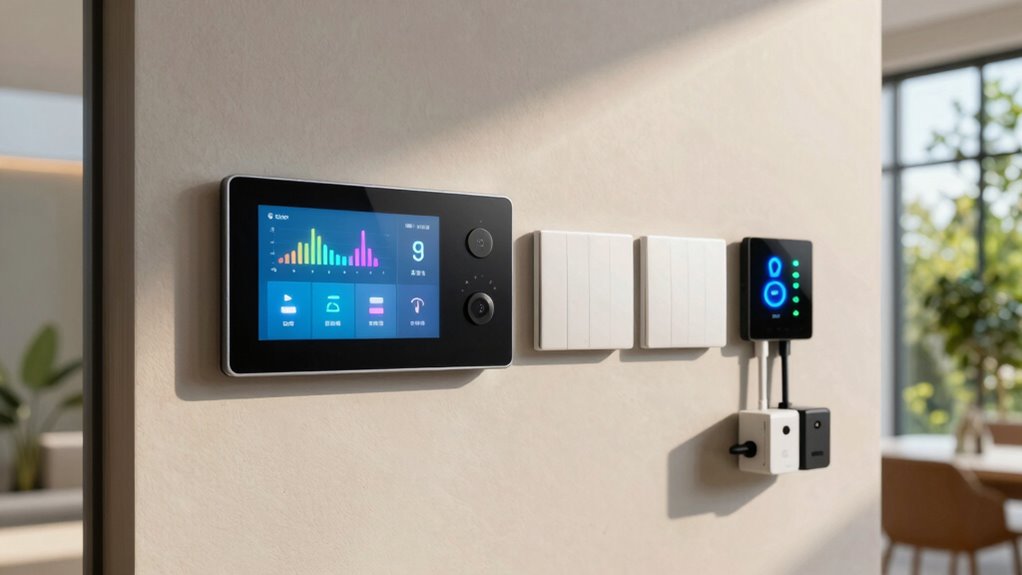
Have you ever wondered how to create a power plan that’s more reliable, efficient, and sustainable? The foundation starts with understanding your energy needs for lighting, heating, and charging devices. To build a smarter plan, you should focus on integrating renewable sources like solar, wind, or geothermal energy. These options aren’t just environmentally friendly—they can also reduce your long-term costs. By harnessing renewable sources, you decrease reliance on fossil fuels, making your power system more resilient and sustainable. But renewable sources alone aren’t enough; you need to prioritize energy efficiency to maximize your resources.
Start by evaluating how much energy you use daily and identify areas where waste occurs. For lighting, switch to LED bulbs, which consume significantly less energy and last longer. Incorporate motion sensors or timers to ensure lights are only on when needed. When it comes to heating, consider upgrading to high-efficiency appliances or implementing smart thermostats that adapt to your schedule. Proper insulation and sealing leaks also play a critical role in reducing heating and cooling loads. These steps help you lower energy consumption without sacrificing comfort, making your power plan more sustainable and cost-effective. Additionally, exploring renewable energy integration can further enhance your system’s sustainability by allowing you to seamlessly combine multiple sources. Understanding energy storage solutions can add resilience by providing backup during low-generation periods. Implementing effective energy management strategies can also help you optimize your overall system and reduce waste.
Evaluate your energy use, upgrade to LEDs and smart thermostats, and improve insulation for a more efficient, sustainable power plan.
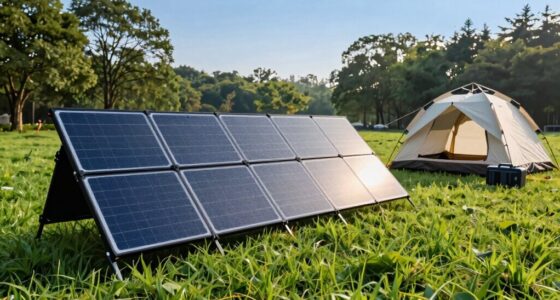
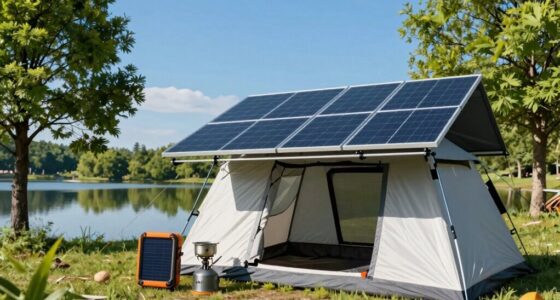
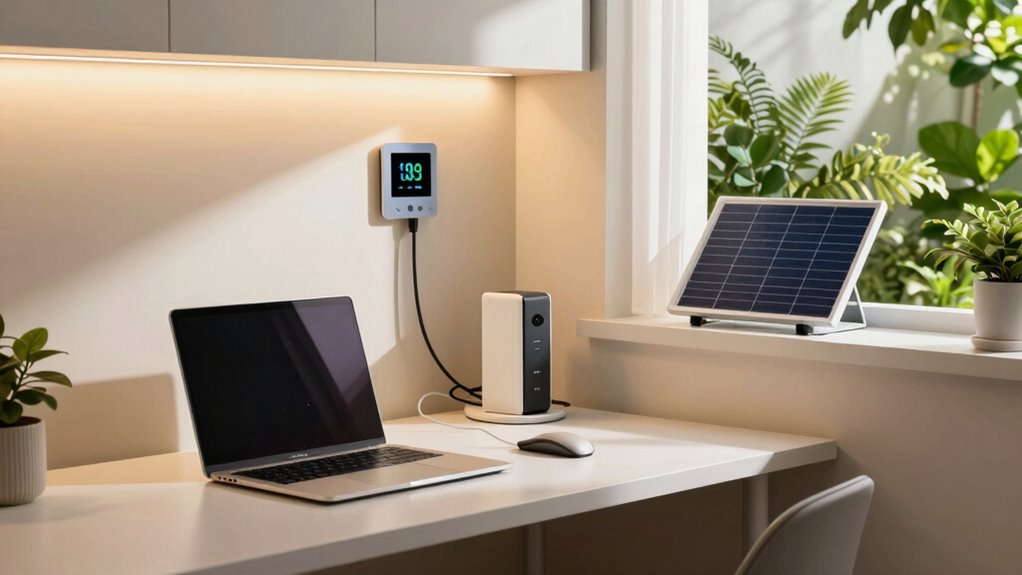
For charging your devices, opt for energy-efficient chargers and avoid leaving devices plugged in when not in use. If possible, shift to renewable-powered charging stations, such as solar-powered outlets or portable panels. This way, you leverage renewable sources directly, further decreasing your carbon footprint. Additionally, consider integrating energy storage solutions like batteries or thermal storage, which help you store excess renewable energy for later use. This approach improves your power plan’s reliability, ensuring you have energy during outages or low-generation periods. Incorporating smart grid technology can further optimize energy distribution and enhance overall system resilience. Understanding the role of energy monitoring tools can help you make more informed decisions about your energy use and efficiency.
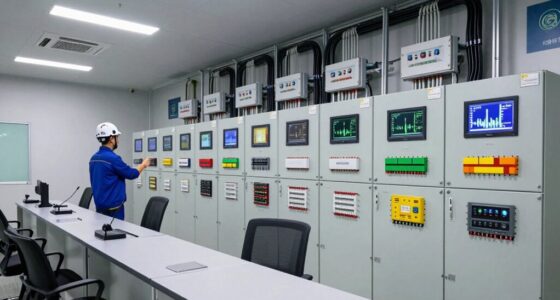
Another vital aspect is smart management. Use energy monitoring tools to track your consumption patterns, allowing you to identify inefficiencies and optimize your system. Combining this data with your renewable sources and energy-efficient appliances helps you develop a tailored plan that adapts to your lifestyle. Over time, these adjustments lead to a more resilient, sustainable, and cost-effective power setup. Remember, building a better power plan isn’t a one-time task but an ongoing process of improvement. By continuously exploring new renewable sources, upgrading your appliances, and monitoring your energy use, you can create a system that’s not only reliable but also better for the environment and your wallet.
LED light bulbs energy efficient
As an affiliate, we earn on qualifying purchases.
As an affiliate, we earn on qualifying purchases.
Frequently Asked Questions
What Are the Most Cost-Effective Renewable Energy Options?
You should consider solar panels and wind turbines as your most cost-effective renewable energy options. Solar panels harness sunlight to generate electricity, which reduces your reliance on grid power and lowers costs over time. Wind turbines capture wind energy, especially in breezy areas, providing consistent power. Combining these two technologies can maximize energy production, lower long-term expenses, and make your power plan more sustainable and affordable.
How Can I Maximize Energy Efficiency in Small Spaces?
Imagine turning tiny spaces into efficient havens; that’s what smart sensors and space optimization do for you. You can maximize energy efficiency by installing smart sensors that automatically adjust lighting, heating, and charging based on usage. Focus on space-saving furniture and strategic layouts to reduce energy waste. These small, smart changes create a big impact, transforming your space into a model of sustainability and comfort.
What Safety Measures Are Essential for Power Plan Setups?
You should prioritize battery safety and wiring precautions when setting up your power plan. Always use properly rated batteries and handle them with care to prevent leaks or fires. Confirm wiring is correct, insulated, and securely connected to avoid short circuits or electrical shocks. Regularly inspect your setup, keep it away from moisture, and follow manufacturer guidelines to maintain safety and prevent accidents in your small space.
How Do Weather Conditions Affect Power Plan Reliability?
Weather variability can heavily impact your power plan’s reliability, especially during extreme conditions like storms or heatwaves. To guarantee climate resilience, you need to design your system with backup options, such as batteries or generators, and consider weather patterns in your planning. Regular maintenance and monitoring help you adapt to changing conditions, keeping your lighting, heat, and charging consistent regardless of weather fluctuations.
What Are Common Troubleshooting Steps for Power System Issues?
You should start with circuit troubleshooting—inspect connections, fuses, and breakers for faults. Then, check your battery maintenance routine; confirm batteries are charged, clean, and functioning properly. If issues persist, verify power sources and wiring for damage or corrosion. Using a multimeter helps identify voltage drops or faults. Regularly maintaining your batteries and systematically troubleshooting circuits can prevent most power system issues and keep everything running smoothly.
smart thermostats for home heating
As an affiliate, we earn on qualifying purchases.
As an affiliate, we earn on qualifying purchases.
Conclusion
By crafting a smarter power plan, you’re planting seeds for a sustainable future, nurturing your home like a delicate garden that flourishes with care. Each decision you make is a brushstroke on the canvas of efficiency, shaping a brighter, greener tomorrow. Embrace this journey as a symphony where every note—lighting, heating, charging—harmonizes to create a masterpiece of energy mastery. With mindful planning, you turn simple choices into a powerful force for positive change.
As an affiliate, we earn on qualifying purchases.
As an affiliate, we earn on qualifying purchases.