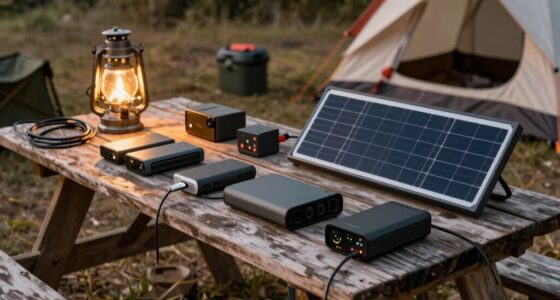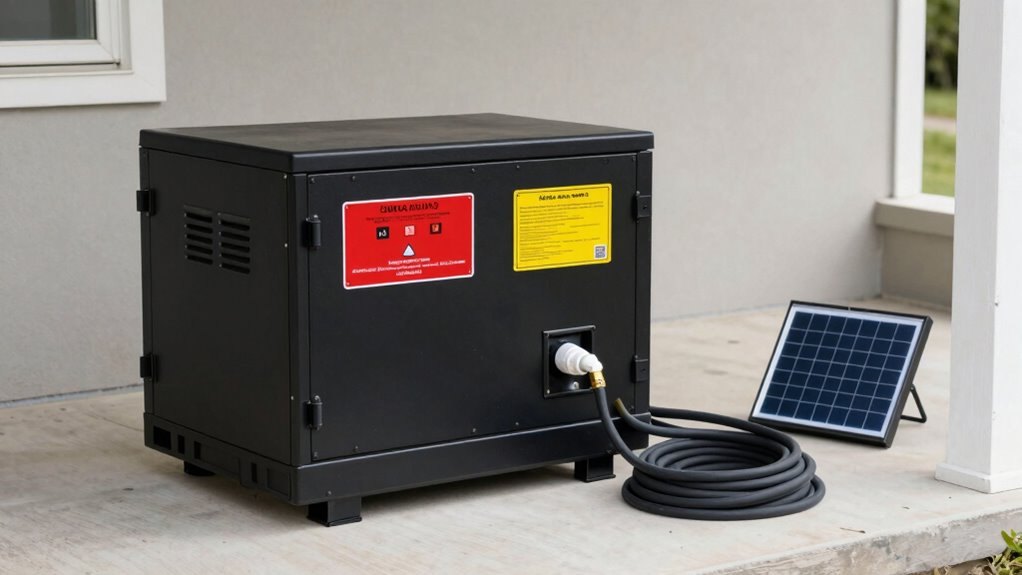
To guarantee your emergency-only devices perform when needed, focus on reliable, long-lasting power sources like lithium-ion batteries with proven shelf life and stable performance. Prioritize systems that manage power efficiently, resist temperature fluctuations, and include backup options. Regular maintenance, testing, and choosing easy-to-replace batteries keep your devices ready. If you want smart strategies to keep your emergency power secure and dependable, there’s more to contemplate—continue exploring for expert tips.

Get emergency and outdoor gear delivered free — and shop member deals
- Fast, free delivery on millions of items
- Access to Prime Big Deal Days deals on October 6–7
- Prime Video, Amazon Music and more included
Key Takeaways
- Prioritize batteries with long shelf life, stable performance, and resistance to temperature fluctuations for emergency readiness.
- Select reliable battery chemistry, such as lithium-ion, for better charge retention and durability over time.
- Implement robust power management systems with surge protection and self-test features to ensure instant device activation.
- Regularly maintain and test batteries and connections to guarantee consistent performance during emergencies.
- Use rechargeable batteries when possible for cost-effectiveness, environmental benefits, and sustained power reliability.
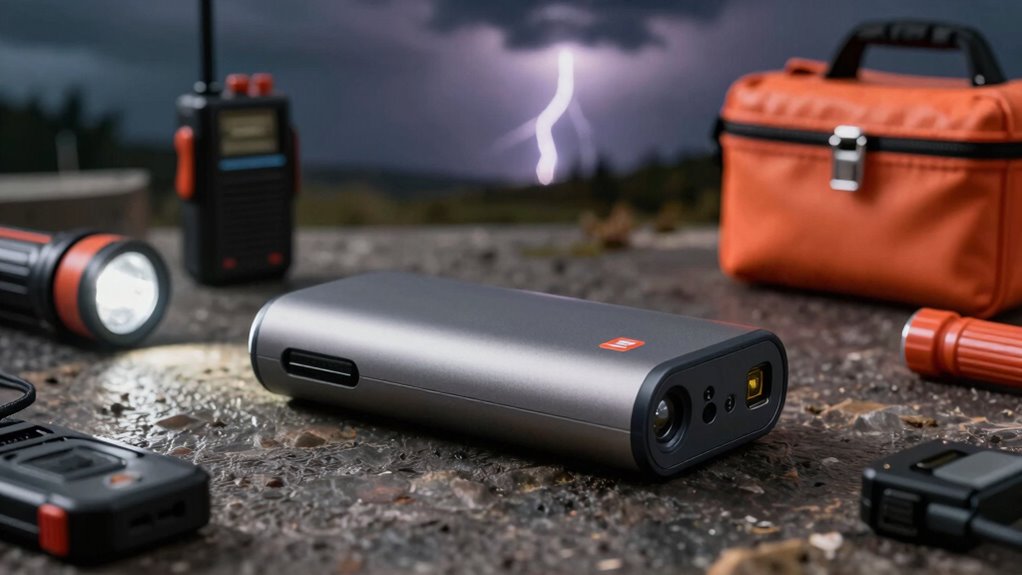
Have you ever wondered what happens to emergency devices when the power goes out? It’s a critical question because these devices are designed to keep you safe when the grid fails. To ensure they serve their purpose effectively, you need to think about their power sources carefully. First, consider battery longevity. Emergency devices rely on batteries that must remain functional for extended periods without frequent replacements. The best batteries are those with a long shelf life and stable performance over time. Lithium-ion batteries, for example, are popular because they maintain their charge longer and resist degradation better than older technologies. When choosing batteries, you want to prioritize models that are rated for prolonged storage and can withstand temperature fluctuations, which are common during power outages. Remember, a battery that loses its charge quickly defeats the purpose of having an emergency device ready when you need it most. Additionally, understanding battery chemistry can help you select the most reliable power sources for your needs.
Furthermore, considering power management systems can enhance the overall efficiency and lifespan of your emergency devices, making sure they are always ready when needed. Power reliability is equally important. You want to make sure that your emergency devices will turn on instantly and operate consistently under various conditions. This means selecting devices with built-in backup power options, like rechargeable batteries or secondary power sources, to guarantee they’re always ready. It’s also wise to test your devices regularly. Many emergency devices come with self-test features that notify you if the power source is compromised or needs replacing. Relying solely on disposable batteries isn’t ideal; rechargeable options, combined with a reliable charging system, can be more cost-effective and environmentally friendly. Also, consider how your device’s power system handles surges or fluctuations. Power surges during outages can damage sensitive components, so look for devices with surge protection or robust power management features.
Beyond battery choice, think about the overall design and maintenance. Keeping batteries fresh and ensuring connections are secure prolongs the device’s readiness. If your emergency devices are stored in a remote or less accessible location, opt for models that have long-lasting batteries and simple replacement procedures. Ultimately, the best way to think about power for emergency-only devices is to prioritize both battery longevity and power reliability. These two factors work together to make sure your devices are ready when the moment comes. Regular checks, using high-quality batteries, and understanding the device’s power management system can mean the difference between a device that fails in a crisis and one that provides essential support when you need it most.
long shelf life lithium-ion batteries for emergency devices
As an affiliate, we earn on qualifying purchases.
As an affiliate, we earn on qualifying purchases.
Frequently Asked Questions
How Long Can Emergency Devices Operate Without Power?
Emergency devices can operate from a few hours to several weeks without power, depending on their battery maintenance and design. Regularly checking and replacing batteries guarantees peak power longevity. If you keep batteries fresh and devices properly maintained, you’ll maximize their operational time during emergencies. Remember, the key is consistent battery maintenance and understanding your device’s specific power needs, so you’re always prepared when power’s out.
What Are the Safest Storage Options for Backup Batteries?
Oh, surely you want your backup batteries to survive the apocalypse, right? Store them in a cool, dry place, away from metal objects and direct sunlight. Keep the temperature steady to maximize battery lifespan, and avoid overly humid environments. A dedicated, insulated storage container is perfect. That way, your emergency devices will be powered when you need them most, and your batteries will thank you with a longer, healthier life.
Can Solar Chargers Effectively Power Emergency Devices?
Yes, solar chargers can effectively power emergency devices, especially with high solar efficiency. They’re portable solutions that let you harness sunlight wherever you are, making them ideal for backup power. To guarantee reliability, choose solar chargers with sufficient wattage and compatible connections. Keep the panels clean and positioned ideally for maximum sunlight exposure. With proper use, solar chargers provide a sustainable, eco-friendly way to keep your emergency devices powered when you need it most.
How Often Should Backup Power Sources Be Tested?
Think of your backup power sources as the steady heartbeat of your emergency plan. You should test them at least once every six months to make certain they’re ready when needed. Regular maintenance schedules keep batteries healthy, extending their longevity and preventing surprises. By routinely checking your power supplies, you’re nurturing a resilient safety net, so when disaster strikes, your devices will work seamlessly, giving you peace of mind.
What Certifications Ensure Emergency Power Device Safety?
You should look for certifications like UL 924 and NFPA 101, which guarantee emergency power devices meet strict safety standards. These certification standards verify the device’s reliability and safety in emergencies. Follow safety protocols by ensuring your device is regularly inspected and complies with local codes. Certifications provide confidence that your emergency power system is safe and ready when needed, helping you protect lives and property effectively.
rechargeable backup power batteries
As an affiliate, we earn on qualifying purchases.
As an affiliate, we earn on qualifying purchases.
Conclusion
Think of emergency device power like a secret weapon—only as good as your preparedness. Some believe a small, dedicated backup battery is enough, but evidence suggests you should double down with both primary and secondary power sources. By doing so, you’re not just relying on luck—you’re actively ensuring your device works when it matters most. So, question the myth of “just enough” power and prepare to stay safe in every emergency.
emergency device surge protector
As an affiliate, we earn on qualifying purchases.
As an affiliate, we earn on qualifying purchases.
self-test emergency battery systems
As an affiliate, we earn on qualifying purchases.
As an affiliate, we earn on qualifying purchases.
Evergreen bestsellers Picks
bestsellers
As an affiliate, we earn on qualifying purchases.