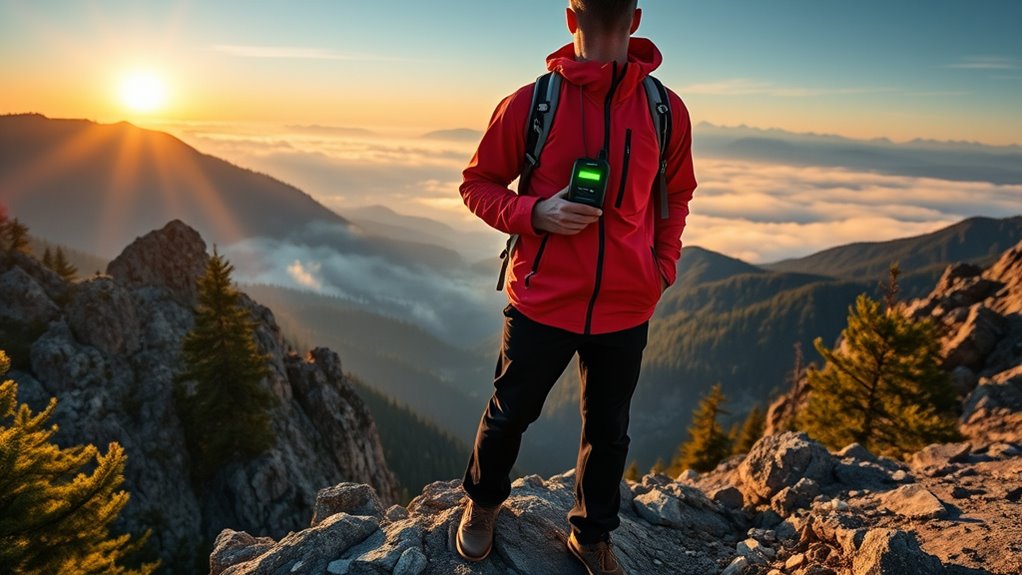
When selecting a personal locator beacon for backpacking, safety and reliability top the list. The Garmin inReach Mini 3 SOS stands out as the overall best thanks to its compact size and dependable satellite communication. For those seeking affordability, the McMurdo FastFind 220 offers basic SOS features at a lower price. Meanwhile, the ACR ResQLink 410 RLS combines GPS accuracy with a user-friendly design. The main challenge for buyers is balancing features like satellite coverage, ease of use, and cost. Continue reading for a detailed breakdown to help you find the right beacon for your needs.

Get emergency and outdoor gear delivered free — and shop member deals
- Fast, free delivery on millions of items
- Access to Prime Big Deal Days deals on October 6–7
- Prime Video, Amazon Music and more included
Key Takeaways
- Top picks differentiate primarily by satellite network compatibility and ease of activation.
- Compact, lightweight models like the Garmin inReach Mini 3 excel for backpackers prioritizing portability.
- Budget options like the McMurdo FastFind 220 still provide essential SOS functionality but lack advanced GPS features.
- Some models include survival kits or additional accessories, which can influence overall value.
- Durability and buoyancy are critical factors for water-based adventures, with some beacons designed specifically for marine environments.
| Garmin inReach® Mini 3 SOS Satellite Communicator |  | Best Overall for Versatile Communication and Extended Use | Connectivity: Iridium satellite network | Display: Color touchscreen | Water Resistance: IP67 | VIEW ON AMAZON | See Our Full Breakdown |
| McMurdo FastFind 220 Personal Locator Beacon – US Programming |  | Best for Emergency-Only Use in Extreme Conditions | Registration: US (pre-programmed), international reprogramming | Activation: Deploy antenna, pull seal, press ON | Use: Emergency only | VIEW ON AMAZON | See Our Full Breakdown |
| ACR ResQLink 410 RLS PLB – Satellite SOS GPS Personal Locator Beacon |  | Best for Reliable GPS Emergency Signals with Long Battery Life | Battery Life: 5 years | Operational Life: 24+ hours | Compatibility: GPS, Galileo GNSS, MEOSAR | VIEW ON AMAZON | See Our Full Breakdown |
| ACR ResQLink View RLS PLB, Satellite SOS GPS Personal Locator Beacon |  | Best for Clear Digital Display and Versatile Outdoor Use | Weight: 5.28 ounces | Display: 800 x 480 LCD/LED | Battery Life: 24 hours | VIEW ON AMAZON | See Our Full Breakdown |
| ACR ResQlink 410 RLS Personal Locator Beacon with Pouch and Carabiner Bundle |  | Best for Lightweight, All-in-One Emergency Kit | Frequency: 406 MHz and 121.5 MHz | Coverage: Global (Cospas-Sarsat / MEOSAR) | Features: LED Strobe, Infrared Strobe, Return Link Service | VIEW ON AMAZON | See Our Full Breakdown |
| ACR ResQLink View PLB425 – Buoyant GPS Personal Locator Beacon |  | Best Overall for Versatile Outdoor Use | Compatible with Vehicle Type: Boat, RV | Screen Size: 1 inches | Additional Features: Waterproof | VIEW ON AMAZON | See Our Full Breakdown |
| ACR ResQLink 400 Personal Locator Beacon without Display |  | Best for Compact, No-Frills Emergency Signaling | Model: ResQLink 400 | Display: No | MSRP: $349.00 | VIEW ON AMAZON | See Our Full Breakdown |
| Ocean Signal rescueME PLB1 Personal Locator Beacon |  | Best for One-Handed, Harsh Condition Use | Weight: 4 oz | Waterproof Depth: 49 feet | Battery Life: 7 years | VIEW ON AMAZON | See Our Full Breakdown |
| Garmin inReach Mini 3 Plus Satellite Communicator Bundle |  | Best for Global Messaging and Interactive SOS | Bundle Includes: Mini 3 Plus, microfiber cloth, USB cable, wall charger | Communication: Global messaging, voice, photo sharing | Emergency Features: Interactive SOS, real-time location sharing | VIEW ON AMAZON | See Our Full Breakdown |
| Garmin inReach Mini 2 Satellite Communicator with Accessories Bundle |  | Best for Extended Remote Adventures and Value | Size: 4″ x 2″ | Weight: 3.5 oz | Water Resistance: IPX7 | VIEW ON AMAZON | See Our Full Breakdown |
| ResQLink View GPS Personal Locator Beacon & ResQFlare USCG Approved Electronic Distress Flare Safety Kit | 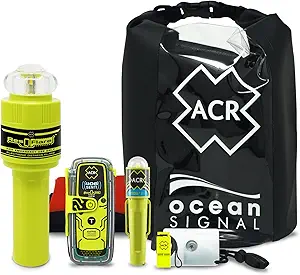 | Best Comprehensive Emergency Kit | Brand: ACR | Included Components: Whistle, Rescue Flare, Rescue Light, Signal Mirror, Dry Bag | Number of Pieces: 1 | VIEW ON AMAZON | See Our Full Breakdown |
| ACR ResQLink View GPS Personal Locator Beacon Survival Kit |  | Best for Emergency Signaling and Durability | Brand: ACR | Included Components: C-Strobe H2O, Dry Bag, ResQLink View GPS, Signal Mirror, Whistle | Number of Pieces: 5 | VIEW ON AMAZON | See Our Full Breakdown |
| ACR ResQLink 400 GPS Personal Locator Beacon Survival Kit |  | Best Compact, Reliable Rescue Gear | Brand: ACR | Model Number: PLB-400 | Included Components: Dry Bag, ResQLink, Rescue Strobe, Signal Mirror, Whistle | VIEW ON AMAZON | See Our Full Breakdown |
| Garmin inReach® Mini 2 Satellite Communicator – Orange |  | Best for Two-Way Messaging and Connectivity | Water Resistance: Yes | Battery Life: Up to 14 days in 10-min tracking mode | Special Feature: Bluetooth | VIEW ON AMAZON | See Our Full Breakdown |
| personal locator beacon for backpacking | Battery Life |
|---|---|
| Garmin inReach® Mini 3 SOS Sat | Up to 350 hours |
| McMurdo FastFind 220 Personal | — |
| ACR ResQLink 410 RLS PLB | 5 years |
| ACR ResQLink View RLS PLB | 24 hours |
| ACR ResQlink 410 RLS Personal | — |
| ACR ResQLink View PLB425 | — |
| ACR ResQLink 400 Personal Loca | — |
| Ocean Signal rescueME PLB1 Per | 7 years |
| Garmin inReach Mini 3 Plus Sat | Up to 350 hours in tracking mode |
| Garmin inReach Mini 2 Satellit | Up to 14 days |
| ResQLink View GPS Personal Loc | — |
| ACR ResQLink View GPS Personal | — |
| ACR ResQLink 400 GPS Personal | — |
| Garmin inReach® Mini 2 Satelli | Up to 14 days in 10-min tracking mode |
More Details on Our Top Picks
Garmin inReach® Mini 3 SOS Satellite Communicator
The Garmin inReach® Mini 3 stands out for its ability to keep you connected in the most remote areas, thanks to its Iridium satellite network and interactive SOS features. Compared with the ResQLink 410 RLS, it offers a more user-friendly touchscreen and live tracking, making it ideal for those who want both emergency and regular communication. The long battery life of up to 350 hours supports multi-day adventures, but the need for a subscription can be a barrier for casual users. Its rugged, impact-resistant design ensures durability in harsh conditions, and app integration adds navigation and weather updates. The primary tradeoff is cost and ongoing subscription fees, which may deter infrequent users. This device makes the most sense for backpackers who prioritize reliable, two-way communication in remote wilderness.
Pros:- Global satellite connectivity supports two-way messaging
- Rugged, impact-resistant touchscreen withstands tough conditions
- Long battery life for extended outdoor use
- Integrates with Garmin apps for navigation and weather updates
Cons:- Active satellite subscription required for full functionality
- Cost may be high for those with infrequent use
- Some jurisdictions restrict satellite device use
Best for: Experienced backpackers needing reliable messaging, navigation, and safety features over long trips
Not ideal for: Casual hikers or occasional adventurers who prefer a one-time purchase without ongoing costs
- Connectivity:Iridium satellite network
- Display:Color touchscreen
- Water Resistance:IP67
- Battery Life:Up to 350 hours
- Emergency Features:Interactive SOS, Garmin Response℠
- Location Sharing:LiveTrack™
Our verdict“This device is best suited for serious backpackers who need dependable, multi-function communication and are willing to pay subscription fees.”
McMurdo FastFind 220 Personal Locator Beacon – US Programming
The McMurdo FastFind 220 excels in emergency situations with its simple activation process and reliable performance in remote environments, similar to the ResQLink 410 RLS but without GPS features. Its pre-programmed US registration simplifies emergency deployment, but outside the US, reprogramming is necessary, adding complexity. Designed strictly for life-threatening incidents, it offers a straightforward deployment with minimal steps—pull the antenna, press ON—ensuring quick activation even in extreme conditions. The main tradeoff is its exclusive focus on emergency use; it doesn’t support navigation or regular communication. Its affordability makes it appealing for those who need a no-frills device for critical moments, but it’s not suitable for recreational tracking or non-urgent use. This beacon is ideal for solo adventurers in rugged terrains where emergency-only safety is a priority.
Pros:- Pre-programmed for US registration, with international reprogramming options
- Simple, intuitive activation in critical moments
- Reliable in extreme, remote environments
- Lightweight and compact for easy carry
Cons:- Limited to emergency use—no navigation or tracking features
- Requires registration, which can involve extra steps outside the US
- False alarms can be costly and dangerous
Best for: Solo backpackers or mountaineers looking for a reliable emergency beacon without extra features
Not ideal for: Hikers wanting integrated GPS or regular tracking functions, as this device is strictly for emergencies
- Registration:US (pre-programmed), international reprogramming
- Activation:Deploy antenna, pull seal, press ON
- Use:Emergency only
- Weight:Lightweight
- Durability:Designed for extreme conditions
- Battery:Not specified
Our verdict“This beacon is best for those who need a straightforward, dependable emergency device in remote or hazardous environments.”
ACR ResQLink 410 RLS PLB – Satellite SOS GPS Personal Locator Beacon
The ACR ResQLink 410 RLS provides solid emergency coverage with its global GPS, Galileo, and MEOSAR compatibility. Unlike the basic ResQLink 410, this model’s inclusion of a built-in GPS ensures precise location transmission, making rescue efforts faster. Its 5-year battery life and buoyant design make it a dependable choice for maritime, hiking, or remote rescue scenarios. However, it’s a dedicated emergency device—no subscription required, but it lacks two-way communication or tracking features found in the Garmin inReach. Its compact size and long operational life suit users who prioritize simplicity and reliability over additional functionalities. The tradeoff is that it doesn’t support continuous location sharing or navigation, making it less versatile for everyday use. This pick is ideal for users seeking a rugged, long-lasting GPS beacon for emergency situations.
Pros:- Global coverage with GPS, Galileo, and MEOSAR systems
- Long 5-year battery life minimizes maintenance
- Compact, buoyant, and easy to carry
- Reliable emergency distress signals
Cons:- No two-way communication or tracking capabilities
- Expensive for casual or recreational users
- Requires proper handling for effective use
Best for: Waterfront or backcountry travelers who need a dependable, long-lasting GPS emergency beacon
Not ideal for: Those seeking two-way messaging or route tracking, as this device is solely for emergency distress signals
- Battery Life:5 years
- Operational Life:24+ hours
- Compatibility:GPS, Galileo GNSS, MEOSAR
- Features:Buoyancy, strobe, infrared lights
- Size:Compact
- Weight:Lightweight
Our verdict“Best suited for users who need a durable, long-lasting GPS beacon with reliable emergency signaling in remote environments.”
ACR ResQLink View RLS PLB, Satellite SOS GPS Personal Locator Beacon
The ACR ResQLink View RLS combines global emergency coverage with a clear digital display, making it easier to monitor status and signals than models without screens. Its integration of GPS, Galileo, and MEOSAR ensures broad coverage, while the 5-year battery life and buoyant design support outdoor activities like hiking, boating, and hunting. Compared with the ResQLink 410, the View version offers more user-friendly interaction via its digital display, but it relies on external devices for full functionality and updates. Its Return Link Service and infrared strobe enhance rescue efficiency, yet its feature set may be limited in comparison to satellite communicators with two-way messaging. It’s best for outdoor enthusiasts who value visibility and real-time status indicators in emergency scenarios. The main tradeoff is the reliance on external devices for some functions and limited detailed specs in the description.
Pros:- Global coverage with multiple satellite systems
- Large, clear LCD/LED display for status updates
- Long 5-year battery life and buoyant design
- Infrared strobe improves night rescue visibility
Cons:- Limited features without external device connectivity
- No subscription needed but may lack advanced messaging
- Some specifications are not detailed in the product info
Best for: Outdoor adventurers who want a GPS beacon with easy-to-read display and visibility in low light
Not ideal for: Backpackers seeking integrated two-way messaging or advanced communication features
- Weight:5.28 ounces
- Display:800 x 480 LCD/LED
- Battery Life:24 hours
- Connectivity:Satellite, worldwide RF
- GNSS:GPS, Galileo, MEOSAR
- Additional Features:Return Link Service, infrared strobe, buoyancy
Our verdict“Ideal for outdoor enthusiasts who prioritize visibility and easy-to-read status in an emergency beacon with GPS functionality.”
ACR ResQlink 410 RLS Personal Locator Beacon with Pouch and Carabiner Bundle
The ACR ResQlink 410 RLS bundle offers a compact, lightweight emergency beacon with essential features for global distress signaling. Its 406 MHz and 121.5 MHz signals provide reliable coverage, and the inclusion of a pouch and carabiner enhances portability and attachment options. Unlike the GPS-enabled ResQLink 410 RLS, this model focuses solely on emergency alerting, which simplifies operation but limits real-time location sharing. Its no-subscription approach appeals to users who want a straightforward device for safety rather than navigation. The main tradeoff is the lack of detailed specs and the need for manual activation in emergencies, which could be less convenient in high-pressure situations. This bundle makes sense for backpackers who want a simple, durable safety device that’s easy to carry and deploy quickly.
Pros:- Compact and lightweight for easy carry
- Global coverage with no subscription needed
- Includes pouch and carabiner for versatile attachment
- Simple manual activation for quick deployment
Cons:- Requires manual activation in emergencies
- Limited to distress signaling—no GPS or tracking
- Battery life details are not specified
Best for: Backpackers seeking a straightforward, no-frills emergency beacon with versatile attachment options
Not ideal for: Users looking for GPS tracking or real-time location sharing, as this device is purely for emergency distress signaling
- Frequency:406 MHz and 121.5 MHz
- Coverage:Global (Cospas-Sarsat / MEOSAR)
- Features:LED Strobe, Infrared Strobe, Return Link Service
- Includes:Pouch, Carabiner
- Weight:Lightweight
- Battery:Not specified
Our verdict“This device is perfect for those who want a lightweight, reliable emergency beacon ready to deploy in critical moments without extra features or costs.”
ACR ResQLink View PLB425 – Buoyant GPS Personal Locator Beacon
The ACR ResQLink View PLB425 stands out for its combination of buoyancy, ruggedness, and GPS reliability, making it a top pick for diverse outdoor adventures. Unlike the ResQLink 400, which simplifies operation with no display, the View offers a visual and infrared signaling system that can enhance rescue precision. Its multiple attachment options and buoyant design make it especially suited for boaters and swimmers, while the 1-inch OLED screen provides vital status updates. The main tradeoff is that some detailed specifications are limited, and testing features require a subscription. This device is ideal for those who need a dependable, all-in-one rescue tool in water-based or rugged environments, accepting some complexity for added safety features.
Pros:- Reliable GPS distress signaling worldwide
- Buoyant and rugged for water-based use
- Includes multiple attachment options for convenience
- Visual and infrared signals aid rescue efforts
Cons:- Limited detailed specifications available
- No price information provided
- Requires subscription for testing features
Best for: Backpackers and boaters who require a buoyant, GPS-enabled PLB with visual signaling for water or mixed terrain adventures
Not ideal for: Urban hikers or casual campers who prefer simpler, less technical devices without water safety features
- Compatible with Vehicle Type:Boat, RV
- Screen Size:1 inches
- Additional Features:Waterproof
- Connectivity Technology:GPS
- Map Types:Satellite, Worldwide
- Battery Average Life:28 hours
Our verdict“This pick makes the most sense for those needing a rugged, water-friendly beacon with advanced signaling capabilities, despite some limited specs.”
ACR ResQLink 400 Personal Locator Beacon without Display
The ACR ResQLink 400 offers a straightforward, reliable emergency signaling device with a minimalist design, making it a solid choice for those who prioritize portability and simplicity. Compared with the ResQLink View, it omits a display, which reduces complexity but also limits user interface options. Its smaller form factor is ideal for fitness-minded backpackers or climbers who want a lightweight unit that’s easy to carry. The main tradeoff is the higher price point and lack of a screen, which could hinder quick status checks. This device suits users who prefer a durable, no-fuss PLB without the need for visual updates, accepting the tradeoff of less information at a glance.
Pros:- Compact and lightweight design
- Reliable emergency signaling
- Reduces complexity with no display
- Durable for harsh conditions
Cons:- No display limits user interface
- Higher price compared to basic models
Best for: Solo backpackers and climbers who want a compact, durable emergency beacon without extra features
Not ideal for: Users who prefer detailed status displays or advanced signaling options, as this device offers only basic emergency signaling
- Model:ResQLink 400
- Display:No
- MSRP:$349.00
Our verdict“Best suited for those seeking a straightforward, durable emergency device without extra features, despite its higher cost.”
Ocean Signal rescueME PLB1 Personal Locator Beacon
The Ocean Signal rescueME PLB1 excels in durability and ease of operation, especially suited for challenging outdoor environments. Its one-handed operation and waterproof depth of 49 feet make it ideal for serious outdoor adventurers who need quick access in emergencies. Unlike the Garmin inReach Mini 3 Plus, which offers two-way communication and interactive SOS, the PLB1 focuses solely on emergency distress signaling, making it more streamlined but less versatile. Its 7-year battery life and high-intensity strobe enhance its reliability in prolonged or harsh conditions. The main drawback is that it doesn’t support communication features, so it’s not suited for ongoing coordination. This device is perfect for those prioritizing rugged simplicity and long-term reliability over multi-functionality.
Pros:- Compact and lightweight at 4 oz
- Durable and waterproof for harsh conditions
- Long battery life of 7 years
- High-intensity strobe for visibility
Cons:- Limited to personal safety use only
- Requires proper mounting for visibility
- No communication features
Best for: Outdoor enthusiasts in remote, rugged environments seeking a durable, easy-to-use emergency beacon
Not ideal for: Hikers or travelers needing two-way communication or navigation features, as this device only signals distress
- Weight:4 oz
- Waterproof Depth:49 feet
- Battery Life:7 years
- Operational Time:24+ hours
- Channels:66-channel GPS receiver
Our verdict“Ideal for those needing a rugged, long-lasting distress beacon for tough conditions, despite its limited functionality.”
Garmin inReach Mini 3 Plus Satellite Communicator Bundle
The Garmin inReach Mini 3 Plus provides extensive communication options combined with a compact design, making it suitable for those who want more than just emergency signaling. It supports satellite-based texts, voice, photos, and interactive SOS, unlike the simpler rescue devices. Its color touchscreen and durable IP67 housing make it resilient in rough conditions, but the small screen can be difficult to operate in bright sunlight. Compared with the Garmin inReach Mini 2, the 3 Plus offers improved features, but at a higher cost and with the need for a subscription. This device is best suited for travelers who want reliable global communication and a versatile safety tool in remote areas, accepting the added expense and complexity.
Pros:- Reliable satellite communication in remote areas
- Long battery life for multi-day trips
- Rugged, impact-resistant, weatherproof design
- Supports real-time location sharing and interactive SOS
Cons:- Requires active satellite subscription
- High initial cost
- Small screen may be hard to operate in bright light
Best for: Travelers and outdoor professionals needing reliable satellite communication with interactive SOS, especially in remote or off-grid locations
Not ideal for: Casual backpackers or those on a strict budget who only need basic SOS or GPS features, as this model is more expensive and feature-rich
- Bundle Includes:Mini 3 Plus, microfiber cloth, USB cable, wall charger
- Communication:Global messaging, voice, photo sharing
- Emergency Features:Interactive SOS, real-time location sharing
- Display:Color touchscreen, IP67
- Battery Life:Up to 350 hours in tracking mode
Our verdict“Best suited for those needing comprehensive global communication and safety features, despite the higher price and subscription requirement.”
Garmin inReach Mini 2 Satellite Communicator with Accessories Bundle
The Garmin inReach Mini 2 offers a compact, rugged satellite communication platform with impressive battery life, making it a strong choice for long-term, off-grid trips. Its IPX7 water resistance and 14-day battery life support extended adventures, and the included accessories like a portable charger boost usability. Compared with the Mini 3 Plus, it lacks some newer features but still provides reliable two-way messaging and SOS capabilities through the Iridium network. Its small size limits detailed navigation on the device itself, but pairing with Garmin’s apps compensates for this. The main tradeoff is the need for a subscription plan to access satellite services, which can add up over time. This device makes the most sense for budget-conscious users who want dependable satellite communication over long periods.
Pros:- Global satellite coverage for reliable communication
- Long battery life suitable for extended trips
- Water-resistant and impact-resistant design
- Includes useful accessories for extended use
Cons:- Requires subscription plans for satellite service
- Limited screen size for navigation
- Higher cost due to subscription fees
Best for: Backpackers seeking long-lasting, reliable satellite communication with accessory bundles to extend usability
Not ideal for: Those requiring advanced features like photo sharing or interactive SOS, as this model has fewer capabilities than newer versions
- Size:4″ x 2″
- Weight:3.5 oz
- Water Resistance:IPX7
- Battery Life:Up to 14 days
- Includes:GPS, USB charger, microfiber cloth, portable battery
Our verdict“Best for long-term adventures where dependable, extended satellite communication is essential, with some limitations on screen-based navigation.”
ResQLink View GPS Personal Locator Beacon & ResQFlare USCG Approved Electronic Distress Flare Safety Kit
This all-in-one safety kit stands out for its combination of multiple signaling devices and a GPS beacon, making it ideal for those who want a robust emergency setup. Compared with the simpler ResQLink View alone, this kit offers additional tools like the distress flare and rescue light, providing a broader safety net. However, this added versatility comes with increased bulk and cost, which may be less appealing to ultralight backpackers. The USCG approval boosts confidence in its reliability, especially for boating and fishing. The kit’s extensive signaling options and GPS tracking make it suitable for multi-activity outdoor enthusiasts, though the size may be a drawback for minimalists.
Pros:- Includes multiple signaling devices for redundancy
- USCG approved for high reliability
- GPS locator for precise rescue
Cons:- Bulky setup not suited for ultralight packers
- Higher price point may deter casual users
Best for: Backpackers, hunters, and boaters who prefer a comprehensive safety kit with multiple signaling options and GPS tracking.
Not ideal for: Lightweight backpackers or casual users who prioritize minimal gear and are concerned about bulk and cost.
- Brand:ACR
- Included Components:Whistle, Rescue Flare, Rescue Light, Signal Mirror, Dry Bag
- Number of Pieces:1
- Set Name:ResQLink View and ResQFlare Survival Kit
- UPC:791659023617
Our verdict“This kit is best for those seeking a complete emergency safety system for diverse outdoor activities, despite its size and cost.”
ACR ResQLink View GPS Personal Locator Beacon Survival Kit
This survival kit combines a compact GPS beacon with essential signaling tools like a waterproof dry bag and a strobe light, making it a strong choice for backpackers heading into remote areas. Unlike the larger ResQLink View kit, this setup emphasizes portability without sacrificing critical rescue features, though it might lack some of the multi-signal redundancy of larger kits. The inclusion of waterproof gear and a bright strobe enhances visibility in tough conditions, but the setup’s compactness means it offers fewer extras. It’s well-suited for those prioritizing lightweight, durable gear that still provides reliable GPS and signaling for quick rescue.
Pros:- Compact and lightweight for easy portability
- Reliable GPS tracking for accurate rescue
- Waterproof gear and bright strobe for visibility
Cons:- Less comprehensive than larger kits like the ResQLink View and ResQFlare
- Requires familiarity with emergency signaling devices
Best for: Backpackers and outdoor adventurers who need a lightweight, durable rescue device with essential signaling tools.
Not ideal for: Users seeking an all-in-one emergency kit with multiple signaling options or those who prefer larger, more feature-rich setups.
- Brand:ACR
- Included Components:C-Strobe H2O, Dry Bag, ResQLink View GPS, Signal Mirror, Whistle
- Number of Pieces:5
- Model Number:PLB-425
- Warranty:5 Years
- UPC:791659023471
Our verdict“This pick makes the most sense for backpackers needing a durable, portable GPS and signaling device for remote adventures, though it offers fewer extras than bulkier kits.”
ACR ResQLink 400 GPS Personal Locator Beacon Survival Kit
The ResQLink 400 kit emphasizes portability with its compact design, making it ideal for minimalist backpackers who want dependable GPS and signaling tools without extra bulk. Compared to the larger ResQLink View kits, this version simplifies the setup, focusing on core rescue functions like GPS tracking and waterproof durability. While it’s excellent for outdoor or survival situations, its smaller size limits the number of included accessories, and it assumes users are familiar with emergency devices. This kit is perfect for those who prioritize weight savings but still want peace of mind in remote environments.
Pros:- Very compact and lightweight for backpacking
- Reliable GPS and waterproof components
- Includes multiple survival tools in one kit
Cons:- Limited to essential rescue features, fewer signaling options
- Lacks detailed information on price and some features
Best for: Backpackers and survivalists who need a lightweight, durable GPS beacon with essential signaling tools for remote outings.
Not ideal for: Casual hikers or those needing a multi-signal safety setup, since it offers fewer signaling options and extras.
- Brand:ACR
- Model Number:PLB-400
- Included Components:Dry Bag, ResQLink, Rescue Strobe, Signal Mirror, Whistle
- Number of Pieces:5
- Warranty:5 Years
- UPC:791659023464
Our verdict“Ideal for weight-conscious backpackers seeking reliable GPS and survival tools in a compact package, though it offers less versatility than larger kits.”
Garmin inReach® Mini 2 Satellite Communicator – Orange
The Garmin inReach Mini 2 shifts focus from traditional GPS rescue devices to two-way satellite communication, making it ideal for those who want real-time contact with rescue services or loved ones. Unlike the ACR kits, which primarily focus on signaling and GPS location, this device offers interactive SOS and messaging, especially useful for users who prefer staying connected during remote trips. Its compact design and water resistance make it suitable for backpacking, but it requires an active satellite subscription—adding ongoing costs and possible regulatory restrictions. This device is best suited for those who need ongoing communication rather than just emergency signaling.
Pros:- Global two-way messaging and SOS
- Compact, lightweight, and water resistant
- Syncs with Garmin Explore app for planning
Cons:- Active subscription required for full features
- Some jurisdictions restrict satellite communication devices
Best for: Backpackers, remote workers, and trekkers who value two-way communication and trip planning capabilities alongside safety features.
Not ideal for: Budget-conscious users or those who do not want ongoing subscription fees, as satellite plans are necessary for full functionality.
- Water Resistance:Yes
- Battery Life:Up to 14 days in 10-min tracking mode
- Special Feature:Bluetooth
- Color:Orange
Our verdict“This device excels for those who prioritize staying connected over traditional rescue signaling, though it involves ongoing costs and regulatory considerations.”

How We Picked
I evaluated these personal locator beacons based on key criteria that matter most to backpackers: satellite network coverage, ease of activation, battery life, durability, and overall usability. Devices needed to be reliable in remote conditions, with straightforward operation and clear signaling. Cost was also a factor, balancing affordability with advanced features like GPS accuracy and additional safety tools. Products were ranked to reflect their suitability for different types of backpacking trips, from casual hikes to serious wilderness expeditions, ensuring that each option offers a tangible benefit aligned with user needs.Factors to Consider When Choosing Personal Locator Beacon For Backpacking
Choosing the right personal locator beacon involves more than just brand names and price tags. It’s essential to consider how the device performs in real-world conditions, its compatibility with networks, and how easy it is to operate under stress. A good beacon should offer peace of mind, quick activation, and durability while fitting your specific adventure style. This section covers critical factors to help you weigh your options effectively and avoid common pitfalls.Satellite Network Compatibility
Not all personal locator beacons connect to the same satellite networks. Some use the COSPAS-SARSAT system, which is globally recognized and highly reliable, especially for emergency services. Others, like Garmin inReach models, operate on the Iridium network, providing two-way communication that can be invaluable during extended trips. Understanding which network your chosen device supports can influence coverage areas and response times, especially in remote regions or polar zones.
Ease of Activation and Use
In emergency situations, you need a device that’s straightforward to operate without fumbling. Look for models with clear instructions, simple buttons, and minimal steps to send an SOS. Features like automatic activation, voice alerts, and visual indicators can make a difference. Remember, complexity can lead to hesitation or mistakes, especially when under stress or in bad weather. Prioritize devices with intuitive interfaces for quick, reliable use.
Battery Life and Power Management
Long-lasting batteries can be the difference between rescue and a failed signal. Consider devices with extended battery life that can operate for days or even weeks without replacement or recharging. Some models offer rechargeable batteries, while others use replaceable batteries—each has tradeoffs in convenience and longevity. Think about your trip duration and whether the device provides low-battery alerts to avoid surprises in critical moments.
Durability and Water Resistance
Backpacking often involves rugged conditions, so your beacon needs to withstand shocks, dust, and water exposure. Many models are rated for water resistance or buoyancy, making them suitable for kayaking or boating trips. Check the device’s build quality and ratings—an affordable, fragile beacon isn’t worth risking in harsh environments. Sometimes, additional features like rugged casings or shock mounts provide extra peace of mind.
Additional Features and Accessories
Extra functionalities such as built-in GPS, integrated survival kits, or carrying accessories can enhance safety but may increase cost and complexity. Consider whether you need features like real-time tracking, a display, or compatibility with other devices. Bundles with pouches, carabiners, or emergency flares can improve convenience and preparedness but evaluate if they match your specific needs and budget. Overloading with unnecessary features might complicate simpler trips.
Frequently Asked Questions
Can I rely solely on a personal locator beacon for safety on remote backpacking trips?
While a personal locator beacon significantly enhances safety by providing emergency communication, it shouldn’t be your only safety measure. It is most effective when combined with proper planning, knowledge of the terrain, and carrying essential survival gear. Remember, a beacon only works if it’s activated and within satellite range, so preparation and awareness are equally important. Always inform someone of your itinerary and expected return time as an added safety layer.
Which satellite network is better for backpacking—COSPAS-SARSAT or Iridium?
The COSPAS-SARSAT system is the standard for emergency response and offers global coverage, especially in remote areas. However, it generally supports one-way distress signals. Iridium-based devices, like Garmin inReach, provide two-way messaging, allowing you to communicate with rescue teams or loved ones, which can be a significant advantage in extended or complex trips. Your choice depends on whether you prioritize simple distress signaling or active communication during your journey.
Are there size and weight considerations I should keep in mind?
Absolutely. For backpacking, a compact, lightweight beacon reduces the burden on your gear and makes quick access easier. Smaller devices like the Garmin inReach Mini series are designed to be portable and unobtrusive. Larger units with more features tend to add weight and bulk, which might be acceptable for longer expeditions but less so for quick, lightweight hikes. Balance your safety needs with your comfort and packing efficiency.
How often should I test or maintain my personal locator beacon?
Regular testing is essential to ensure your beacon functions correctly when needed. Manufacturers typically recommend testing at least once a year, or before each major trip, if possible. Be cautious not to activate the distress feature during testing, as this can trigger unnecessary rescue alerts. Keep batteries fresh and replace them according to the manufacturer’s guidelines, especially if the device is stored for long periods without use.
Is it worth investing in a bundle that includes survival gear or accessories?
Bundles that combine a personal locator beacon with survival gear or accessories can offer added convenience and preparedness, especially for remote or extreme conditions. Items like survival kits, flares, or carrying cases can complement your safety setup. However, assess whether these extras are genuinely useful for your specific trips; paying extra for unnecessary items may not be the best value. Focus on core features first, then consider additional gear based on your adventure type.
Conclusion
For casual backpackers or those new to solo trips, the Garmin inReach Mini 3 SOS offers a reliable balance of size, usability, and satellite coverage. Budget-conscious explorers will find the McMurdo FastFind 220 a solid, straightforward choice. For serious wilderness adventurers who need advanced GPS and two-way messaging, the Garmin inReach Mini 3 Plus or the ResQLink View stand out. Water-based travelers should prioritize buoyant, rugged options like the ResQLink View PLB. Ultimately, your choice depends on trip length, environment, and safety priorities—match the device to your specific needs for peace of mind on every adventure.
Fall Picks
fall essentials
As an affiliate, we earn on qualifying purchases.