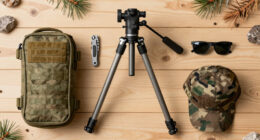
To simulate a survival situation at home, turn off your phones or disconnect the internet to mimic communication failures. Practice maneuvering your space with limited light using flashlights or candles, and incorporate obstacles or emergency supplies to replicate real challenges. Use alternative communication methods like hand signals or written messages. These exercises build confidence, improve response times, and help identify weaknesses. Keep practicing different scenarios to strengthen your skills and stay prepared for anything that might happen.
Key Takeaways
- Create realistic scenarios by turning off devices, simulating power outages, and introducing obstacles to test preparedness.
- Practice multiple communication methods like walkie-talkies, hand signals, and written messages to adapt to disrupted channels.
- Use flashlights, candles, or limited supplies to mimic resource shortages and improve response strategies.
- Establish clear communication plans with designated contacts and meeting points for effective coordination.
- Conduct regular drills to build confidence, refine skills, and develop automatic responses to various emergency situations.

When faced with a survival situation, the key to staying calm and making effective decisions is practicing realistic simulation scenarios. This approach helps you prepare for various emergencies, especially in urban environments where chaos can quickly escalate. Urban preparedness isn’t just about having supplies; it’s also about knowing how to respond under pressure. One of the most critical skills you can develop is effective emergency communication. When disaster strikes, traditional communication channels might be disrupted, so practicing how to relay information, request help, or coordinate with others becomes essential.
Start by creating scenarios that mimic real-life urban emergencies, like power outages, natural disasters, or civil unrest. During these drills, focus on how you’d communicate with family members, neighbors, or emergency services. Practice using different methods—cell phones, walkie-talkies, or even hand signals—so you’re comfortable switching between them if needed. Remember, clear and concise communication can save lives. It’s vital to establish a plan beforehand, including designated meeting points and emergency contacts, so everyone knows their role during a crisis.
Create urban emergency plans with clear communication methods and designated meeting points for effective crisis response.
Incorporate realistic elements into your simulations to make them more effective. Turn off your phone or disconnect your internet to mimic communication failures. Use flashlights or candles to simulate power outages. Practice moving through your home or neighborhood while carrying supplies or navigating obstacles. These exercises help you identify weak spots in your urban preparedness plan and refine your response strategies. You’ll also learn how to remain calm under pressure, which is crucial during actual events.
Another aspect of practicing these scenarios is understanding how to adapt your communication methods to different situations. For example, in a blackout, you might need to rely on visual signals or written messages. If cellular networks are down, knowing how to use radios or other backup systems becomes invaluable. Practicing these skills regularly ensures they become second nature, reducing panic when an emergency occurs. Additionally, high-quality projectors can be useful for visual communication or sharing information during group drills, enhancing your preparedness efforts.
Ultimately, simulating survival situations at home isn’t just about testing your supplies; it’s about building confidence and competence. By focusing on urban preparedness and emergency communication, you’ll develop the resilience needed to handle unexpected crises. These drills make your responses more instinctive, helping you stay composed, make smarter decisions, and keep yourself and your loved ones safe. The more you prepare through realistic scenarios, the better equipped you’ll be to face whatever challenges come your way.

Baofeng Radio Ham Radio Handheld UV-5R Upgrade Long Range Rechargeable AR-5RM 10W NOAA Weather Emergency Tactical Two Way Radio with Programming Cable for Survival Gear Hunting Camping,2 Pack
Professional Amateur Radio:The receiving frequency range:108MHZ-136MHZ,136MHZ-174MHZ,220MHZ-260MHZ,350MHZ-390MHZ,400MHZ-520MHZ,the transmitting frequency range:144MHZ-148MHZ,420MHZ-450MHZ.Up to 999 storage channels and a 1.77 inch large…
As an affiliate, we earn on qualifying purchases.
As an affiliate, we earn on qualifying purchases.
Frequently Asked Questions
How Often Should I Simulate a Survival Scenario at Home?
You should simulate a survival scenario at home once every few months to keep your skills sharp. Regular frequency planning guarantees you’re prepared without burnout. Use each session to enhance realism, mimicking real emergency conditions as closely as possible. This approach helps you identify weaknesses, adapt your strategies, and stay confident. Consistent practice reinforces your readiness, making sure you’re well-prepared for actual emergencies when they occur.
What Safety Precautions Are Necessary During Simulation Exercises?
During simulation exercises, prioritize fire safety by keeping a fire extinguisher nearby and making sure smoke detectors work. Always wear appropriate protective gear and clearly mark hazards to enhance hazard awareness. Avoid rushing or taking unnecessary risks, and have an emergency plan in place. Supervise children and pets closely to prevent accidents. Regularly review safety procedures with everyone involved to ensure a safe and effective practice session.
Can Children Participate Safely in Home Survival Drills?
Yes, children can participate safely in home survival drills with proper child supervision. Keep emergency role playing age-appropriate and make sure kids understand safety rules. Stay nearby to monitor their actions, prevent accidents, and provide guidance. Use simple language, and explain the importance of safety during drills. Always stop if a child seems overwhelmed or scared, and make the experience both educational and fun to boost their confidence.
How Do I Customize Simulations for Different Emergency Types?
You can customize simulations for different emergency types by designing specific training scenarios tailored to each situation. Start by identifying common emergencies like fires, earthquakes, or power outages, then create realistic responses for each. Use emergency customization techniques, such as varying the severity or adding unexpected obstacles, to make drills more effective. This approach guarantees you’re prepared for a variety of situations, improving your overall readiness and confidence during actual emergencies.
What Equipment Is Essential for Effective Home Survival Practice?
You need essential emergency gear like a first aid kit, flashlight, batteries, and a multi-tool to guarantee you’re prepared. Practice drills should include water, non-perishable food, and a whistle for signaling. Regularly check and update your emergency gear to keep it functional. This way, you’ll stay ready for various scenarios, improving your response skills and confidence during actual emergencies.

Lighting EVER LED Flashlights High Lumens, Small Flashlight, Waterproof, Adjustable Focus Flash Light for Outdoor, Emergency, Camping, AAA Batteries Included, 2 Pack
PORTABLE SMALL SIZE – Our LED flashlight is portable small size, Length: 4.2in, Diameter: 1.2; Weight 128g, fits…
As an affiliate, we earn on qualifying purchases.
As an affiliate, we earn on qualifying purchases.
Conclusion
Now that you’ve practiced emergency scenarios at home, you might think you’re prepared for anything. Ironically, the very drills meant to keep you safe could give you a false sense of security. When real chaos strikes, the unfamiliarity of actual conditions might catch you off guard. Remember, no simulation can fully replicate real emergencies. Stay vigilant, keep practicing, and don’t forget: sometimes, the most unpredictable situations teach us the most valuable lessons.

Hyoola Emergency Candles, White Short Tapers, Unscented Emergency Candle for Home and Emergencies Kit (Pack of 24)
PREMIUM QUALITY: These unscented candles are made with high grade smooth wax that melts slowly with virtually no…
As an affiliate, we earn on qualifying purchases.
As an affiliate, we earn on qualifying purchases.

Solar Radio Emergency Hand Crank 12000mAh with Clear Signal, AM FM NOAA Weather Radio Battery Operated with 2-Mode LED Flashlight Cell Phone Charger Dual Outputs SOS
【Reliable 𝗡𝗢𝗔𝗔/𝗔𝗠/𝗙𝗠 Reception with Clear Sound】With a high-sensitivity signal chip, noise-reduction circuitry, and an extended antenna, the radio…
As an affiliate, we earn on qualifying purchases.
As an affiliate, we earn on qualifying purchases.