
In survival situations, technology can be a vital source of comfort and companionship. Digital tools like offline apps, remote therapy, and mental exercises help you manage stress, stay connected, and maintain emotional resilience. Portable devices offer a sense of normalcy, reduce feelings of isolation, and provide ongoing support even when traditional resources aren’t available. If you keep exploring, you’ll discover ways to harness tech to bolster your mental well-being when it matters most.
Key Takeaways
- Digital tools like apps and online therapy can offer emotional support and reduce feelings of isolation during survival situations.
- Offline pre-loaded resources provide continuous mental health assistance without internet access.
- Technology fosters a sense of connection through communication devices, alleviating loneliness in extreme conditions.
- Guided meditation and relaxation apps help manage stress, anxiety, and maintain mental clarity under pressure.
- Portable devices and digital entertainment support mental resilience, motivation, and emotional stability in challenging environments.

Have you ever considered how survival situations can take a toll not just on your body but also on your mind? When you’re faced with isolation, uncertainty, and stress, your mental health can quickly deteriorate. In such moments, access to support becomes essential, but traditional methods might not be available. That’s where technology comes into play, offering tools like remote therapy and digital support to help you manage your mental well-being. These resources can serve as a lifeline, providing comfort and a sense of connection even when you’re physically alone.
Remote therapy, for instance, allows you to connect with mental health professionals through video calls, messaging, or phone sessions. Even in the wilderness or during a blackout, if you have a device with signal or stored data, you can reach out for guidance. This form of digital support is designed to help you process stress, anxiety, or fear, giving you strategies to cope better. It can be especially beneficial in survival situations where emotional resilience is tested daily. Knowing that support is just a click away can provide comfort, making you feel less isolated amid chaos.
Connecting with mental health professionals via device signals offers vital support in survival emergencies.
Digital support isn’t limited to live therapy sessions. Many apps and online platforms offer guided meditations, breathing exercises, and mental exercises tailored for high-stress environments. These tools can help ground your thoughts, calm your nerves, and maintain focus. In a survival scenario, mental clarity is essential, and having access to these digital resources could be the difference between panic and calm. They serve as an extension of your mental health toolkit, giving you immediate resources to manage overwhelming feelings.
Even if you’re cut off from traditional communication channels, pre-downloaded mental health apps or recorded sessions can offer ongoing support. Some platforms are designed to work offline after initial setup, meaning you can still access them when you’re in remote areas without internet. This kind of digital support can serve as a constant mental health companion, reminding you that you’re not alone and that help is available in some form. It’s a reminder that technology can bridge the gap between physical isolation and emotional connection.
Additionally, having access to home technology like portable projectors or other devices can help maintain a sense of normalcy and connection with loved ones or entertainment, which can be crucial for mental health stability. Ultimately, integrating remote therapy and digital support into your survival preparedness can bolster your mental resilience. These digital tools aren’t just conveniences—they’re indispensable resources that can help you stay mentally strong, motivated, and emotionally balanced during the toughest times. When survival is at stake, having such support can make all the difference in maintaining your mental health and increasing your chances of endurance.

LOTUCY Mental Health Matters T Shirt Women Funny Therapist Psychologist Tee Shirt Human Brain Illness Awareness Tops Dark Grey
Size – S=US(4-6), M=US(8-10), L=US(12-14), XL=US(16),XXL=US(18-20). Please refer to our size chart carefully to find your perfect fit…
As an affiliate, we earn on qualifying purchases.
As an affiliate, we earn on qualifying purchases.
Frequently Asked Questions
How Effective Are AI Companions for Long-Term Mental Health Support?
AI companions can offer some support, but their long-term efficacy depends on AI empathy and your individual needs. They’re good at providing immediate comfort, listening, and guiding you through tough times. However, over time, they may lack the depth of human understanding and emotional connection. You should see AI as a helpful tool, not a complete substitute for professional mental health support, especially for ongoing, complex issues.
Can Virtual Reality Realistically Simulate Human Comfort in Survival Scenarios?
Yes, virtual reality can realistically simulate human comfort through sensory immersion and virtual empathy. While it can’t replace genuine human connection, VR offers immersive environments that evoke emotional responses, making you feel understood and supported. In survival scenarios, this technology helps reduce loneliness and anxiety by creating a sense of presence, comfort, and companionship, bridging the gap when real human contact isn’t possible.
Are There Ethical Concerns With Relying on Technology for Emotional Well-Being?
Yes, relying on technology for emotional well-being raises ethical concerns. You might worry about privacy concerns, as sensitive data could be mishandled or exploited. Additionally, emotional dependency on tech could diminish your ability to form genuine human connections, leading to isolation. You should consider these issues carefully, balancing the benefits of tech companionship with potential risks to your mental health and personal privacy, especially in survival situations.
What Are the Limitations of Current Mental Health Apps in Crises?
Imagine a fragile glass bridge over turbulent waters—that’s your reliance on mental health apps during crises. They often fall short, facing limitations like privacy concerns and fostering emotional dependency. These apps can’t replace human connection or handle severe emergencies, leaving you vulnerable. You might find comfort, but the risk is overdependence or exposure of sensitive data. Always remember, tech should complement, not replace, professional support when in distress.
How Accessible Is Mental Health Technology in Remote or Underserved Areas?
You might find that mental health technology isn’t very accessible in remote or underserved areas. Telehealth barriers like unreliable internet and limited device availability worsen the digital divide, making it harder for you to get timely support. These obstacles prevent many from accessing essential mental health resources, leaving gaps in care. Without improvements in connectivity and infrastructure, tech solutions won’t effectively reach everyone who needs help most.
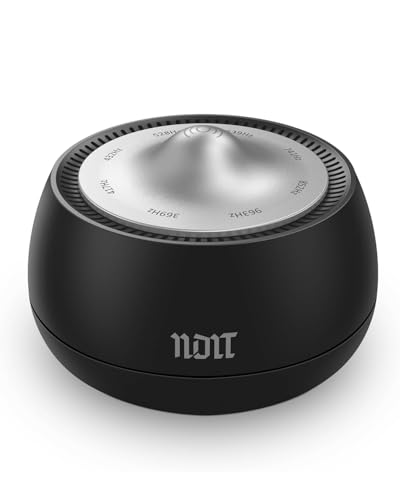
Portable Electronic Tibetan Singing Bowl, 8 Healing Frequencies (369-963Hz), Auto/Manual Mode, Vibration & Timer – USB-C Rechargeable Meditation Device for Yoga, Relaxation, Reiki, Best Gift Choice
【Digital Tibetan Singing Bowl Experience】: Authentic meditation companion, sound healing device. This electronic Singing Bowl replicates sacred tibetan…
As an affiliate, we earn on qualifying purchases.
As an affiliate, we earn on qualifying purchases.
Conclusion
As you navigate survival, remember that technology can be both a comfort and a challenge to your mental health. While it offers tools to connect and cope, don’t forget that true strength comes from within. Relying solely on tech might be like putting all your eggs in one basket—better to have a balanced approach. Keep your mind sharp and your heart open; sometimes, the best support is the one you give yourself.
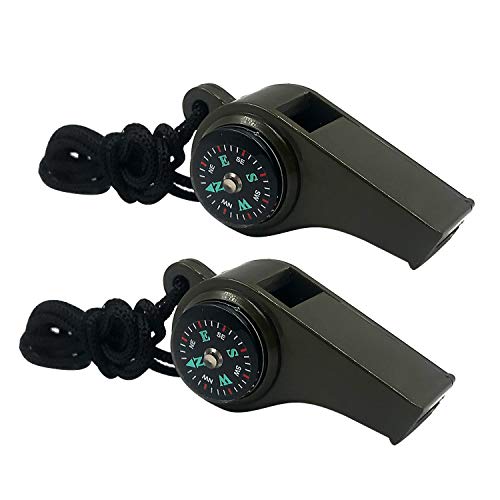
MeiNvShe 2 Pack Emergency Survival Whistle, 3-in-1 Emergency Whistles with Compass and Thermometer, Loud Safety Whistle with Lanyard for Outdoor Hiking (Green)
3 in 1 multi-functions, besides an emergency whistle, it is also a compass and a thermometer, bring you…
As an affiliate, we earn on qualifying purchases.
As an affiliate, we earn on qualifying purchases.

Somatic Therapy Cards for Nervous System Regulation – Self-Care & Coping Skills Exercise for Mental Health Therapists, Mindfulness & Anxiety Relief Tools, Ideal Mental Health Gifts & Therapy Games
32 Simple & Effective Somatic Therapy Exercises – This set includes 32 carefully designed somatic therapy cards that…
As an affiliate, we earn on qualifying purchases.
As an affiliate, we earn on qualifying purchases.