
TL;DR

Get emergency and outdoor gear delivered free — and shop member deals
- Fast, free delivery on millions of items
- Access to Prime Big Deal Days deals on October 6–7
- Prime Video, Amazon Music and more included
Experts emphasize teaching children the difference between concealment and cover to improve safety during active threats. Clear understanding can help kids respond effectively in emergencies.
Authorities and safety experts now stress the importance of teaching children the difference between concealment and cover as a vital safety skill during active threats, such as shootings. This knowledge can help children respond more effectively, potentially saving their lives. The distinction is increasingly recognized as a practical component of emergency preparedness for parents and educators.
Recent safety guidance and expert advice highlight that children should be taught to recognize the difference between concealment—hiding behind objects that do not stop bullets—and cover—objects that can block or stop gunfire, such as concrete walls or thick trees. According to safety educator The Survival Mom, understanding this distinction can help children make quick decisions during emergencies, such as moving from concealment to actual cover when possible.
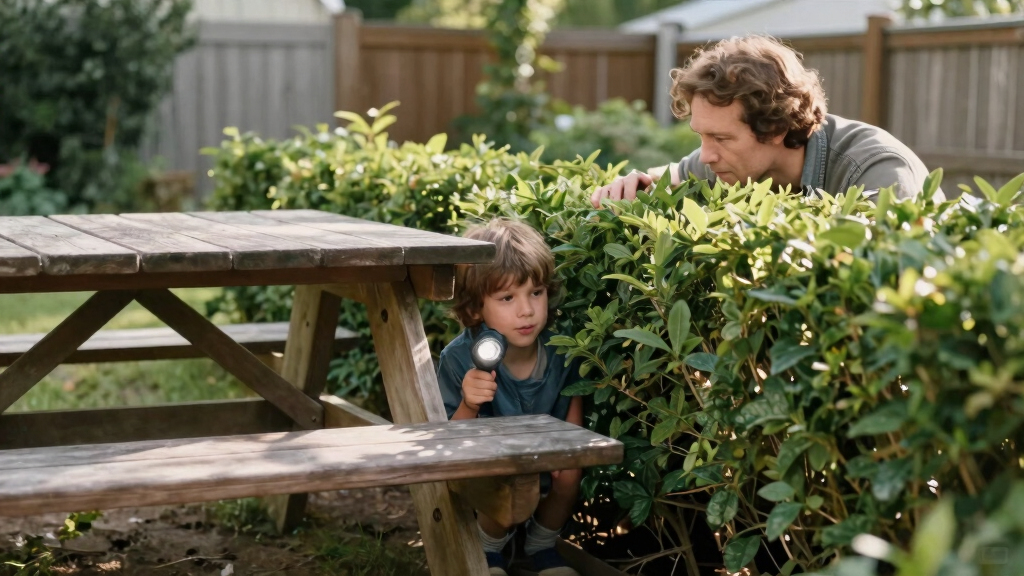
Practical steps include walking through homes and schools to identify which household or building features qualify as concealment versus cover. For example, a sofa or a bush offers concealment but not protection from gunfire, while a concrete wall or a car engine block provides cover. Experts advise teaching children to use concealment to buy time but always to move toward cover if danger persists.
Authorities recommend incorporating these lessons into regular safety drills, emphasizing calm, practiced responses over panic. Additionally, parents are encouraged to familiarize children with the sound of gunfire, which can be mistaken for other noises, so they can recognize threats promptly. The goal is to empower children with practical knowledge that enhances their ability to stay safe during unpredictable emergencies.
Why Teaching Kids About Concealment and Cover Matters
Understanding the difference between concealment and cover equips children with critical safety skills that can influence their survival during active threats. As mass casualty events continue to occur unpredictably, this knowledge helps children respond quickly and appropriately, potentially reducing injuries or fatalities. Educators and parents who teach these concepts foster a sense of preparedness and confidence in children, which is essential in crisis situations.
fireproof safety concealment and cover guide
As an affiliate, we earn on qualifying purchases.
As an affiliate, we earn on qualifying purchases.
Recent Developments in Active Threat Safety Education
Over recent years, safety protocols in schools and public spaces have increasingly incorporated active threat response strategies. Experts have long advocated for teaching children how to recognize gunfire sounds and respond accordingly. The distinction between concealment and cover has gained prominence following multiple mass shooting incidents, prompting safety organizations to update guidance and training materials. The latest advice emphasizes practical, easy-to-understand lessons that children can remember and execute under stress.
This approach builds on prior safety drills but adds a nuanced understanding of physical protection, making responses more effective. The focus on realistic, household-based examples helps parents and teachers implement these lessons without causing undue fear or anxiety.
“Teach kids to use concealment to buy time, but always move toward real cover. Walk through your home and identify which is which in every room.”
— The Survival Mom
As an affiliate, we earn on qualifying purchases.
Remaining Questions About Teaching Kids Safety Skills
While the importance of teaching the difference between concealment and cover is clear, it is still uncertain how widely these lessons are being adopted across different regions or school districts. Additionally, the best methods for age-appropriate instruction and how to measure effectiveness remain under discussion. There is also limited data on how children respond in real emergencies after receiving these lessons, which could influence future guidance.
child safety safety training kit
As an affiliate, we earn on qualifying purchases.
As an affiliate, we earn on qualifying purchases.
Next Steps in Safety Education and Practice
Authorities and safety organizations plan to expand training programs for parents, teachers, and children, emphasizing practical drills that reinforce the distinction between concealment and cover. Schools are expected to incorporate these lessons into regular safety routines, and further research may evaluate their impact on real-world responses. Parents are encouraged to review safety plans at home and practice identifying concealment and cover with their children periodically.
As an affiliate, we earn on qualifying purchases.
Key Questions
Why is it important for kids to know the difference between concealment and cover?
Knowing the difference helps children respond appropriately during emergencies, using concealment to buy time and moving toward cover for actual protection, which can save lives.
How can I teach my child about concealment and cover effectively?
Walk through your home or school with your child, identify objects that provide concealment versus cover, and practice quick decision-making responses in a calm, age-appropriate manner.
Are there recommended safety drills for teaching these concepts?
Yes, safety experts suggest incorporating short drills that simulate active threat scenarios, focusing on recognizing gunfire sounds and practicing moving from concealment to cover.
What should I do if my child is afraid or anxious about safety lessons?
Address their concerns with reassurance and focus on empowering them with practical skills, emphasizing that preparedness can help keep them safe.
Is there evidence that teaching these skills improves safety outcomes?
While direct data is limited, experts believe that increased awareness and practiced responses can improve children’s ability to react calmly and effectively during emergencies.
Source: The Survival Mom
Fall Picks
fall essentials
As an affiliate, we earn on qualifying purchases.