
TL;DR
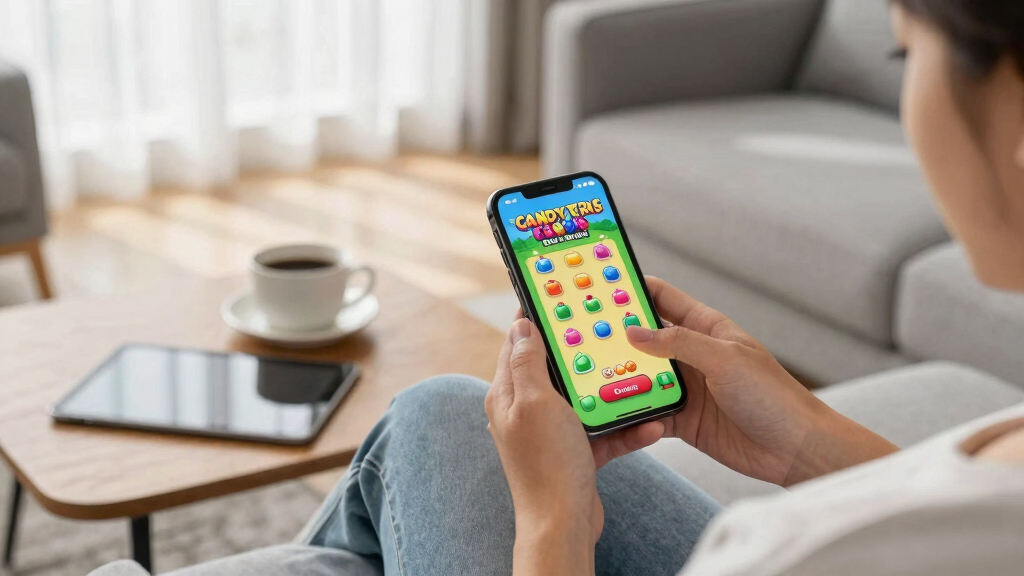
Educational technology platforms such as Prodigy and Blooket are heavily gamified, resembling commercial games like Candy Crush. While popular for engagement, concerns about their educational value and potential for addiction are growing among parents and teachers.
Educational platforms like Prodigy, Blooket, and Gimkit are increasingly designed with game-like mechanics that resemble commercial video games, raising concerns among educators and parents about their educational value and potential for distraction.
Recent observations and reports indicate that platforms such as Prodigy incorporate game elements that prioritize engagement over learning, with students spending minimal time answering questions during gameplay. For instance, a parent noted that her son spent less than 30 seconds on math questions during a 10-minute session on Prodigy, with the game primarily serving as entertainment rather than instruction. Similar platforms like Blooket and Gimkit feature rapid question cycles and reward systems that mimic addictive gaming mechanics, including in-game currencies and rare prizes. Co-founders and educators acknowledge these platforms are meant to supplement, not replace, traditional teaching methods, but they are also aware of the risks of overuse and hacking, such as students creating answer-mashing strategies or using browser extensions to cheat. The rise of these tools correlates with increased technology use in classrooms, especially during the pandemic, and their popularity among students extends beyond classroom hours, with some engaging in online communities sharing hacks and rare item giveaways.
Why It Matters
The widespread adoption of gamified educational tools impacts how students learn and interact with schoolwork. While they can boost engagement and provide quick review sessions, their resemblance to commercial games raises concerns about distraction, addiction, and the quality of learning. The potential for students to hack or cheat these systems complicates their effectiveness and raises questions about academic integrity. Educators and parents are increasingly scrutinizing these platforms, weighing their benefits against possible drawbacks, especially as children spend more time on devices during and outside school hours.
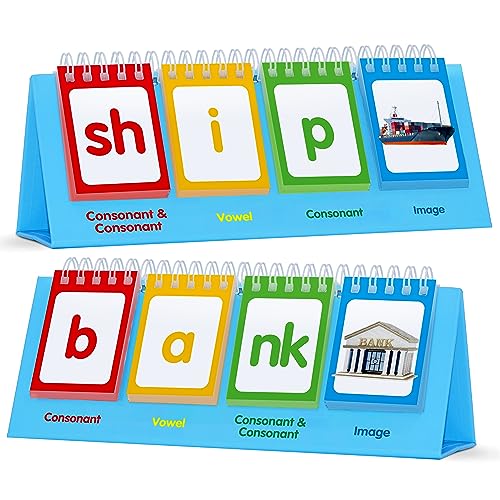
CVCC & CCVC Flip Charts, 40 Words Builder Phonic Games Freestanding Flip Chart Manipulative Spelling Toy Educational Learning Tool for Student Teacher School Supplies
- Educational Phonics Tool: Supports CVCC and CCVC word patterns
- Double-Sided Design: Includes 80 cards with pictures and words
- Interactive Learning: Pairs words with images for better retention
As an affiliate, we earn on qualifying purchases.
As an affiliate, we earn on qualifying purchases.
Background
Gamified learning tools have been around for decades, but their integration into daily classroom routines accelerated during the COVID-19 pandemic, with the proliferation of school-issued Chromebooks and remote learning. Platforms like Math Blaster and Oregon Trail historically provided educational content in game formats, but recent web-based, free-to-play platforms such as Prodigy, Blooket, Gimkit, and Kahoot have become staples in many schools. These tools promise to make review sessions more engaging, but their design often emphasizes rapid play and rewards, resembling commercial mobile games. The rise of online communities sharing hacks and strategies underscores concerns about their potential for fostering gaming addiction and cheating.
“In about 10 minutes of gameplay, he spent less than 30 seconds answering math questions. The game felt more like entertainment than learning.”
— Parent observing her son
“If you’re using Blooket for an hour in class, something has gone wrong.”
— Ben Stewart, co-founder of Blooket
“Kids are creative.”
— Ben Stewart, on kids hacking the system

The Educator’s Guide to Designing Games and Creative Active-Learning Exercises: The Allure of Play (Technology, Education–Connections (The TEC Series))
As an affiliate, we earn on qualifying purchases.
As an affiliate, we earn on qualifying purchases.
What Remains Unclear
It remains unclear how widespread the misuse and hacking of these platforms are, and whether their use significantly impairs learning outcomes. The long-term effects on student engagement and academic performance are still being studied, and educators are divided on whether these tools should be limited or integrated more carefully.
As an affiliate, we earn on qualifying purchases.
What’s Next
Educational authorities and schools are likely to review policies on gamified platforms, possibly implementing stricter controls or guidelines. Further research may clarify their impact on learning and addiction, while developers may adjust features to mitigate misuse. Monitoring and evaluation of student outcomes will inform future integration of such tools into curricula.

Play Your Way Employee Incentive Game System – Customizable Scratch-Off Team Reward Program with 400 Tickets for Sales Motivation, Staff Engagement & Workplace Recognition
- Includes four themed incentive games: Gold Rush, Make It Rain, Cash Cows, Star Bucks
- 400 scratch-off reward tickets: Interactive rewards for various achievements
- Customizable goals and prizes: Tailor campaigns to business objectives
As an affiliate, we earn on qualifying purchases.
As an affiliate, we earn on qualifying purchases.
Key Questions
Are these educational games effective for learning?
Current evidence suggests they can boost engagement and serve as review tools when used appropriately, but their effectiveness as primary learning sources is uncertain and debated among educators.
Can students cheat or hack these platforms?
Yes, some students have learned to manipulate the systems through answer-mashing or browser extensions, raising concerns about academic integrity and the platforms’ design vulnerabilities.
Do these games replace traditional teaching methods?
Most educators see them as supplementary tools for review or filler activities, not substitutes for comprehensive instruction or critical thinking exercises.
Are parents and teachers worried about addiction?
Yes, the gamified mechanics and reward systems resemble those of commercial games, prompting concerns about excessive screen time and gaming-like addiction among students.