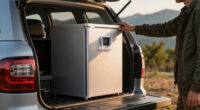
As a smart camper, you recognize that access to safe water is mission-critical because it directly affects your health, safety, and comfort in the outdoors. Finding a water source isn’t enough—you need to guarantee it’s free of bacteria, viruses, and chemicals. Proper planning, carrying purification tools, and storing emergency supplies keep you prepared for any situation. If you want to make sure your water supply is reliable and safe, keep going to discover how to master this essential system.

Get emergency and outdoor gear delivered free with Prime
- Fast, free delivery on millions of items
- Prime Video, Amazon Music and more included
- Member-only deals all year
Key Takeaways
- Ensuring safe water prevents illness and enhances overall health during camping trips.
- Reliable water access minimizes last-minute emergencies and disruptions.
- Proper planning and assessment reduce risks from contaminated or unreliable sources.
- Using multiple purification methods provides a safety net against waterborne contaminants.
- Treating water as a system improves safety, preparedness, and peace of mind in outdoor environments.

Have you ever found yourself miles from the nearest water source while camping? If so, you know how quickly a simple need can turn into a stressful situation. That’s why smart campers treat water access like a mission-essential system. It’s not just about finding a stream or lake; it’s about guaranteeing you have safe, reliable water whenever you need it. Proper water purification becomes your top priority. Even if the water looks clean, contaminants like bacteria, viruses, or chemicals can hide unseen. Carrying a reliable water purification system—be it filters, chemical tablets, or UV purifiers—is vital. It transforms uncertain water sources into safe drinking water, preventing illness and giving you peace of mind. The key is to plan ahead and have multiple methods of purification, so you’re never caught off guard. Additionally, understanding the water treatment process can help you select the most effective purification method for your environment.
Emergency water storage is another vital element. You can’t always rely on finding water when you need it most, especially during dry spells or unexpected delays. That’s where storing extra water becomes a lifesaver. Smart campers always carry enough emergency water storage containers to hold several gallons of safe drinking water. This stored supply acts as a buffer, giving you time to find new sources or purify contaminated water, if necessary. It’s a simple but effective way to reduce risk and stay prepared. You should also regularly check and maintain your water storage containers, making sure they’re clean and free of leaks. That way, your emergency supply remains dependable and safe to use.
Treating water as a mission-essential system means you’re always thinking ahead. You don’t wait until you’re thirsty or desperate to evaluate your water plan. Instead, you assess your environment, identify potential water sources, and equip yourself with the right tools and supplies. Using water purification methods correctly ensures that any water you find becomes safe to drink, even in the wild. Combining this with strategic emergency water storage means you’re less vulnerable to the unpredictable nature of outdoor water sources. It’s about taking control of your water situation, so you’re never left scrambling. By making water access a priority, you’re not only safeguarding your health but also enhancing your overall camping experience. When you treat water access as a mission-essential system, you’re better prepared for anything nature throws your way.
portable water purifier for camping
As an affiliate, we earn on qualifying purchases.
As an affiliate, we earn on qualifying purchases.
Frequently Asked Questions
How Do I Find Reliable Water Sources in Remote Camping Areas?
To find reliable water sources in remote camping areas, focus on water sourcing from known streams, lakes, or springs. Use a detailed map or GPS app to locate these, and always test water quality before drinking. Carry purification tools like filters or tablets for remote hydration. Trust local knowledge or fellow campers, and keep a backup water supply to guarantee you stay hydrated and safe during your adventure.
What Are the Best Filtration Options for Campsite Water?
You should prioritize water purification with reliable filtration techniques like pump filters, gravity filters, or UV purifiers. Pump filters are effective and portable, removing bacteria and protozoa. Gravity filters are convenient for larger groups, while UV purifiers quickly disinfect water without changing filters. Always choose high-quality filters, and consider carrying backup options to guarantee safe, clean water access during your campsite stay.
How Often Should I Sanitize My Water Containers?
You should disinfect your water containers after every trip or if they’ve been exposed to dirt or contaminants. While water storage might seem simple, neglecting container maintenance risks bacteria buildup and unwanted odors. Think of it as protecting your hydration supply—regular cleaning ensures safe, fresh water. Don’t wait until issues arise; make sanitizing a routine part of your water storage process to keep your camp water clean and safe.
Can Untreated Water Make Me Sick?
Untreated water can definitely make you sick by causing waterborne illnesses like giardia or cryptosporidium. Many filtration myths suggest natural sources are safe, but pathogens can still lurk in untreated water. Always treat or filter water from lakes, rivers, or streams before drinking. Taking these precautions helps prevent illness and keeps your camping experience safe and enjoyable. Don’t underestimate the importance of proper water treatment—your health depends on it.
What Signs Indicate Water Contamination at a Campsite?
Contamination signs are your campsite’s warning signals. Cloudy, discolored water or a foul smell indicate possible contamination. You should do water testing if you notice these signs, as bacteria or chemicals might be present. Don’t ignore the signs—clean water is essential. If tests show contamination, treat or find alternative water sources. Staying vigilant guarantees your water remains safe and keeps your camping experience enjoyable and healthy.
As an affiliate, we earn on qualifying purchases.
Conclusion
Treating water access as a mission-critical system isn’t just smart—it’s essential. Did you know that contaminated water causes over 1.8 million deaths globally each year? By prioritizing clean, reliable water sources, you guarantee safety and comfort on your camping trips. Remember, a well-planned water system keeps your adventure running smoothly and prevents avoidable health risks. Stay vigilant, stay prepared, and enjoy your time outdoors with confidence that your water needs are fully covered.
emergency water storage containers
As an affiliate, we earn on qualifying purchases.
As an affiliate, we earn on qualifying purchases.
UV water purifier for outdoor use
As an affiliate, we earn on qualifying purchases.
As an affiliate, we earn on qualifying purchases.
Halloween Picks
halloween
As an affiliate, we earn on qualifying purchases.