
To prepare for camps with unreliable water sources, carry reliable filtration devices like pumps or UV purifiers, and learn how each works to guarantee pathogen removal. Pack enough bottled water for immediate use and extra supplies like collapsible containers. Research water sources beforehand and bring water testing kits to verify quality. Always plan for multiple safety measures—filtration, boiling, testing—to stay hydrated and safe. Keep exploring to discover even more ways to stay prepared and protected.
Key Takeaways
- Research and identify potential water sources, and plan water collection and treatment routines accordingly.
- Carry reliable water filtration devices and know how to operate them effectively before your trip.
- Pack sufficient bottled water and portable containers for immediate use and emergency backup.
- Test water quality using testing kits to ensure safety before consumption, especially from natural sources.
- Incorporate boiling or additional purification methods to guarantee water safety in uncertain environments.
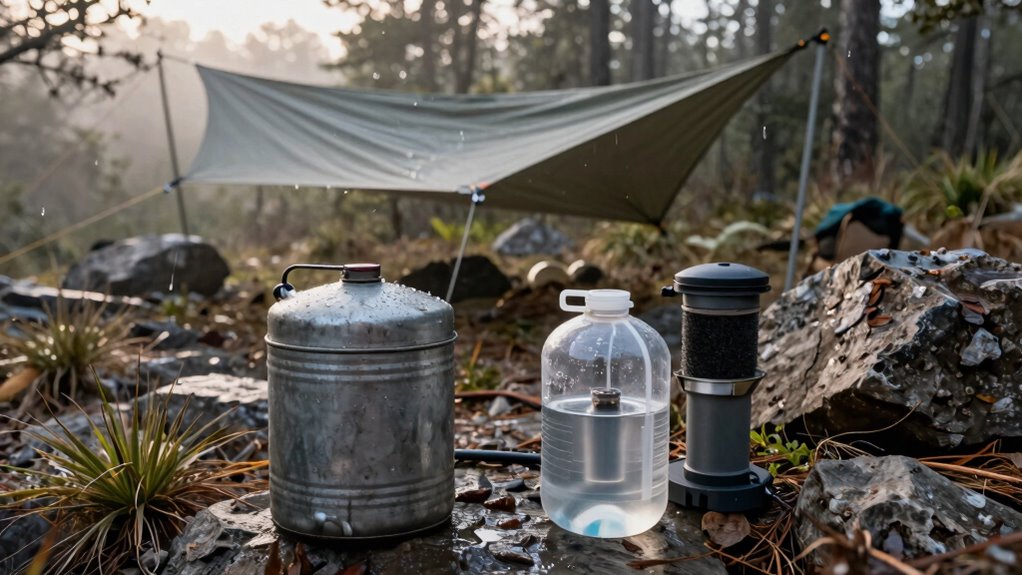
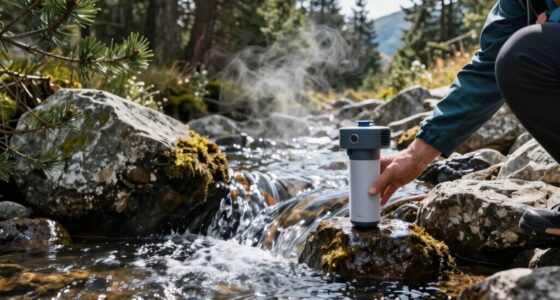
Have you ever planned a camping trip only to discover that the water sources might be unreliable or weak? It’s a common challenge that can turn an enjoyable adventure into a stressful situation if you’re unprepared. When water sources are uncertain, your first priority should be ensuring you have access to safe drinking water. That’s where water filtration comes into play. Carrying a reliable water filter, whether it’s a pump filter, gravity system, or UV purifier, allows you to treat questionable water sources effectively. You’ll want to familiarize yourself with how your chosen filtration method works before heading out, so you’re confident in its ability to remove bacteria, protozoa, and other contaminants. Remember, even clear-looking water can harbor pathogens, so filtration isn’t optional.
Alongside water filtration, packing emergency supplies becomes essential. These supplies should include enough bottled water for immediate use and a backup supply in case your primary filtration method fails or if you encounter an unexpected water scarcity. Emergency supplies also encompass portable water containers, such as collapsible bottles, which make it easier to carry and store additional water. It’s wise to have a few extras on hand, especially if you’re camping in remote or rugged areas where resupply isn’t an option. Besides water, make sure your emergency kit contains basic first aid supplies, a multi-tool, and a flashlight—all necessary for unforeseen situations. Incorporating knowledge about water safety**** can help you better assess and respond to potential hazards in natural water sources. Knowing how to identify signs of contamination can further enhance your decision-making skills.
Pack extra bottled water, portable containers, first aid, a multi-tool, and a flashlight for safe, prepared camping.
Planning for weak water sources also means scouting the area beforehand if possible. Research the location to identify nearby streams, lakes, or springs. Once identified, you can plan your water collection and filtration routines accordingly. If you’re unsure about the water quality, always assume it’s contaminated until proven safe through proper treatment. It’s a good idea to bring along water testing kits if available, so you can verify the quality of natural sources before drinking from them. Additionally, understanding the importance of biodiversity can help you identify healthier natural sources and avoid areas with potential contamination from overused or disturbed ecosystems. Being familiar with water testing procedures can further ensure your safety during outdoor adventures. In fact, knowing how to interpret water quality indicators can help you make more informed decisions about which sources to trust.
Moreover, having a basic knowledge of contamination risks associated with natural water sources can further empower you to make safer choices in the wilderness. It’s also helpful to learn about water purification techniques beyond filtration, such as boiling, to diversify your safety measures. Lastly, think about your daily water consumption. Calculate how much water you’ll need for drinking, cooking, and hygiene, and plan your supplies around that. Proper hydration is essential, especially when physical activity increases during camping. When you combine effective water filtration with well-stocked emergency supplies, you reduce the risk of dehydration or illness caused by contaminated water. By preparing thoroughly, you can focus on enjoying your trip without constantly worrying about water safety. Remember, proactive planning is the best way to stay safe and comfortable when water sources are weak or uncertain.

Trailgo Pro Water Filter for Camping & Hiking Water Filters – Portable Water Filter System, Hand Pump Water Purifier Survival, Camping Water Filter System, Water Filtration System Survival
PUMPS 1.5 LITERS PER MINUTE FOR THE WHOLE GROUP: This portable water filter pump delivers clean drinking water…
As an affiliate, we earn on qualifying purchases.
As an affiliate, we earn on qualifying purchases.
Frequently Asked Questions
How Can I Find Alternative Water Sources Nearby?
You can find alternative water sources nearby by exploring natural options like streams, ponds, or rainwater harvesting. Carry portable water containers and consider using water storage solutions to keep extra supplies. Always verify water safety before use, and if needed, treat water with purification tablets or filters. Locating rainwater harvesting opportunities can supplement your water supply, especially in uncertain conditions, ensuring you stay hydrated and prepared during your camping trip.
What Are the Best Water Filtration Methods for Uncertain Sources?
Think of water filtration methods as your camping toolkit for a muddy pond. Chemical purification, like iodine tablets or chlorine drops, acts quickly to neutralize pathogens. Combine it with filtration techniques—using a portable pump or gravity filter—to remove debris and improve taste. This duo guarantees safe, clean water, turning uncertain sources into dependable hydration spots. Always follow instructions carefully for maximum effectiveness.
How Much Water Should I Carry per Day?
You should carry at least a gallon of water per person per day for drinking, cooking, and minimal sanitation. To conserve water, practice water conservation techniques like using minimal amounts for washing and reusing water when possible. Always have purification techniques ready, such as filtration bottles or tablets, to treat additional water sources. This approach guarantees you stay hydrated while minimizing water waste and staying safe in uncertain water conditions.
Are There Specific Signs of Water Contamination to Watch For?
Yes, watch for signs of water contamination like foul odors, strange colors, or cloudiness. If the water tastes unusual or has a slimy feel, it’s a red flag. Conduct water testing whenever possible to check for bacteria or chemicals. Always trust your senses first; if anything seems off, treat the water before drinking. Recognizing contamination signs helps you stay safe in remote camping situations.
How Do Weather Conditions Affect Water Availability at Camps?
Weather conditions are like a rollercoaster, swinging from droughts to heavy rains, directly impacting water availability. Rainfall impact can fill streams and reservoirs, easing your water worries, or dry them up if conditions turn dry. You should practice water conservation, especially during dry spells, and keep an eye on weather forecasts. Being prepared means understanding how weather swings affect your water sources and adjusting your usage accordingly.
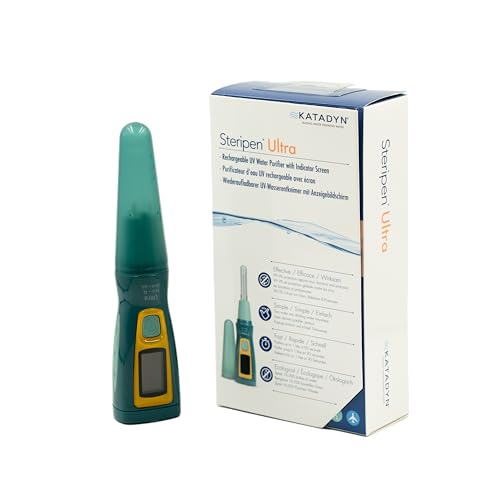
SteriPen Ultra UV Water Purifier, USB Rechargeable
Weight 4.94 oz
As an affiliate, we earn on qualifying purchases.
As an affiliate, we earn on qualifying purchases.
Conclusion
So, next time you find yourself at a camp with unreliable water, remember: it’s the perfect chance to embrace the irony of nature’s little joke. While you might have packed everything but a miracle, you’ll discover that patience, resourcefulness, and a little humor are the best supplies of all. After all, who knew that the greatest adventure could come from simply trying to quench your thirst with a whisper of hope?

CoreMuse Camping Water Container 2 Gallon Collapsible Water Jug with Spout – Reusable Plastic Flasks, Foldable Empty Gallon Jug for Water Storage, Water Bag for Outdoor Hiking Emergency Prep (2 Pack)
【 Portable Camping Water Jug 】 This collapsible water container is lightweight, foldable, and easy to store —…
As an affiliate, we earn on qualifying purchases.
As an affiliate, we earn on qualifying purchases.

Varify 17in1 Complete Drinking Water Test Kit – 100 Strips + 2 Bacteria Tester Kits – Well, Tap, Home, City Water Testing Strip for Lead, Alkaline, Chlorine, Hardness, Iron, Fluoride, Copper & More
17 IMPORTANT PARAMETERS: The Varify Premium Drinking Water Test Kit offers an unrivaled, complete analysis of your drinking…
As an affiliate, we earn on qualifying purchases.
As an affiliate, we earn on qualifying purchases.