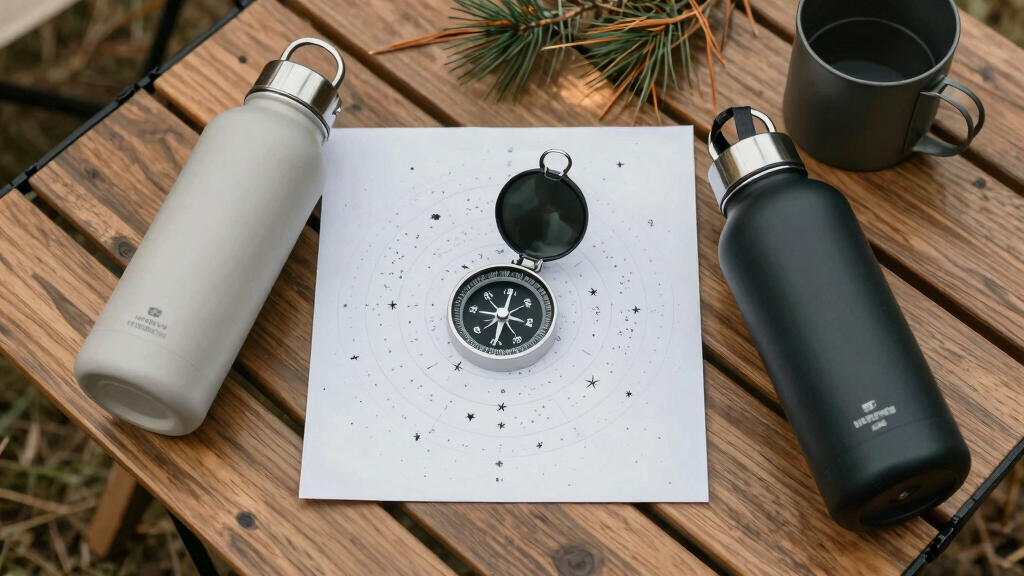
Finding the best star chart kits for family camping involves balancing ease of use, durability, and educational value. The National Geographic Stargazer’s Atlas stands out as the most comprehensive option, ideal for families who want in-depth guides. For quick, portable fun, the Night Sky 30°-40° (Large) Star Finder offers a user-friendly design. The main tradeoffs revolve around complexity versus simplicity and price versus detail. Keep reading for a detailed breakdown of each kit to help you choose the right fit for your family’s outdoor adventures.

Get emergency and outdoor gear delivered free with Prime
- Fast, free delivery on millions of items
- Prime Video, Amazon Music and more included
- Member-only deals all year
Key Takeaways
- Top-ranked kits balance portability with detailed star maps, making them suitable for family camping trips.
- More comprehensive guides tend to be larger and less portable but offer educational depth for curious kids.
- Simplicity in design often results in easier usability for beginners or young children, but may sacrifice detail.
- Durability and weather resistance are key factors often overlooked but crucial for outdoor use.
- Price varies significantly, with premium kits providing more extensive content but not always necessary for casual stargazers.




More Details on Our Top Picks
Celestron Sky Maps – Seasonal Star Charts for Stargazing
This set of seasonal star charts stands out for its durable construction and user-friendly design, making it ideal for family camping trips where ease of use matters. Unlike the smaller, more portable options like the Night Sky 30°-40° (Small) Star Finder, the Celestron Sky Maps provide comprehensive, detailed maps that cover the whole sky, helping families explore beyond just a few constellations. The glow-in-the-dark feature ensures visibility in low light, while the heavy card stock and protective coating ensure longevity after multiple uses. However, it is limited to the Northern Hemisphere and may be too basic for seasoned astronomers seeking advanced features. This pick makes the most sense for families wanting a reliable, straightforward star map for casual stargazing.
Pros:- Glow-in-the-dark planisphere for night-time visibility
- Heavy card stock with protective coating for durability
- Lays flat for easy viewing in the dark
Cons:- Limited to the Northern Hemisphere only
- Basic design lacks advanced star data
Best for: Families who want durable, easy-to-read star charts for general camping stargazing in the Northern Hemisphere
Not ideal for: Advanced astronomers or those camping outside the Northern Hemisphere who require more detailed or global star maps
- Material:Heavy card stock with protective overcoat
- Binding:Plastic spiral binding
- Use:Northern Hemisphere only
Our verdict“This is ideal for casual family campers seeking a durable, straightforward star chart for general stargazing.”
The Night Sky 30°-40° (Small) Star Finder
This compact star finder is perfect for families or individuals new to stargazing who want an easy-to-carry device. Compared with the larger, detailed star charts like the Night Sky 30°-40° (Large; North Latitude), this smaller version emphasizes portability, making it suitable for quick setups at campsite perimeters. It simplifies star locating within the 30°-40° sky range, ideal for beginners. The lack of detailed maps or advanced features means it might fall short for those wanting in-depth celestial data or for more experienced stargazers seeking broader coverage. This tool makes the most sense for families seeking a lightweight, straightforward way to identify stars and constellations without fuss.
Pros:- Compact and lightweight for easy packing
- User-friendly for beginners
- Helps accurately locate stars and constellations
Cons:- Limited to 30°-40° sky range
- No detailed star maps included
- May require additional accessories for advanced use
Best for: Beginner families or solo campers wanting an easy, portable star-finding tool
Not ideal for: Experienced astronomers or families needing detailed star maps for extensive sky exploration
Our verdict“This star finder is best suited for beginners seeking a simple, portable tool for quick star identification.”
The Night Sky 30°-40° (Large; North Latitude)
This large star chart is designed for amateur astronomers focusing on the 30°-40° north latitude zone. Compared to the more general or smaller star maps like the Find the Constellations guide, it offers a detailed view tailored to a specific geographic region, making it easier to identify constellations and celestial objects in that area. Its large size enhances visibility and ease of use during outdoor sessions. However, the lack of detailed description or information about its materials limits understanding of its durability, and it may be less portable for families on the move. It’s best for those who are familiar with the latitude and want a focused, reliable star chart for local sky watching.
Pros:- Accurate star chart for specific latitude
- Large size for comfortable viewing
- Suitable for amateur astronomers
Cons:- Limited information on materials or durability
- No details on foldability or portability
Best for: Amateur astronomers or families at 30°-40° north latitude seeking region-specific star charts
Not ideal for: Casual stargazers or those outside the specified latitude who need more versatile or detailed maps
Our verdict“This large, region-specific star chart is ideal for local sky enthusiasts who prioritize clarity and accuracy at 30°-40° north latitude.”
Find the Constellations: A Guide to Tracking Planets and the Solar System with Star Charts for Children (Ages 10-12)
This book offers a fun and engaging way for children aged 10-12 to learn about constellations, planets, and the solar system. Unlike standalone star charts like the National Geographic Backyard Guide, it combines educational content with illustrated star charts, making astronomy accessible to young learners. Its focus on planets and solar system features makes it particularly suited for kids interested in planetary science. However, the lack of detailed technical specifications or advanced content means it isn’t suitable for older or more serious astronomy enthusiasts. This guide makes the most sense for families wanting an educational, kid-friendly introduction to the night sky during camping trips.
Pros:- Educational and engaging for young learners
- Includes star charts to aid comprehension
- Perfect for introducing astronomy to kids
Cons:- No detailed technical specs
- Content may be too basic for serious astronomers
Best for: Families with children aged 10-12 interested in learning basic astronomy in an engaging way
Not ideal for: Older children or adults seeking in-depth star maps or advanced celestial data
Our verdict“This guide is best for families wanting a fun, educational introduction to astronomy for children in the 10-12 age range.”
National Geographic Backyard Guide to the Night Sky, 2nd Edition
This guide provides a broad overview of the night sky, making it a solid choice for families or individuals new to astronomy. Compared with the detailed star maps like the Large; North Latitude chart, it offers more general stargazing tips, celestial object descriptions, and clear illustrations, which are perfect for casual camping or backyard viewing. Its comprehensive coverage helps beginners identify constellations, planets, and phenomena with confidence. The downside is that it lacks the detailed, region-specific focus or the portability of a star finder, meaning it’s less suited for quick, hands-on star spotting in the field. It’s an excellent choice for those who want to learn about the night sky in a relaxed, approachable way.
Pros:- Informative and accessible for beginners
- Includes clear illustrations and explanations
- Covers a wide range of celestial objects
Cons:- Lacks region-specific details
- Content can be basic for experienced astronomers
Best for: Beginners and casual stargazers who want a comprehensive, easy-to-understand guide for family camping
Not ideal for: Advanced astronomers or campers needing quick reference tools for precise star locating
Our verdict“Best suited for families and beginners seeking a friendly, comprehensive guide to the night sky during camping trips.”
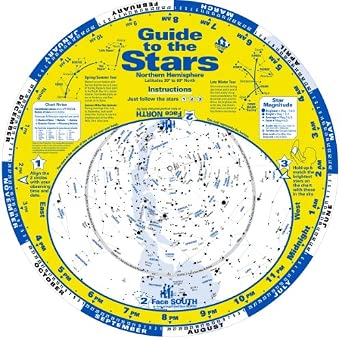
Guide to the Stars
This guide stands out for its comprehensive coverage of stars, constellations, and celestial navigation, making it ideal for families wanting a deeper understanding of the night sky. Compared with the National Geographic Stargazer’s Atlas, it offers more beginner-friendly explanations and beautiful illustrations, though it lacks advanced technical details that seasoned astronomers might seek. Its broad educational approach makes it perfect for families who want to learn together without needing digital extras. However, the lack of detailed specifications and advanced topics means it isn’t suited for serious stargazing tech enthusiasts. Overall, this pick makes the most sense for families seeking an engaging, educational introduction to astronomy that’s accessible to all ages.
Pros:- Informative and beginner-friendly explanations
- Beautiful, engaging illustrations
- Covers a wide range of astronomy topics
Cons:- No detailed technical specifications available
- Limited focus on advanced astronomical phenomena
Best for: Families new to astronomy or those wanting a visually rich, educational guide suitable for beginners and casual learners.
Not ideal for: Experienced stargazers or those seeking detailed technical data and advanced celestial navigation tools, as it’s more introductory.
- Type:Book/Guide
- Target Audience:Beginners and families
- Illustrations:Yes
- Coverage:Stars, constellations, celestial navigation
- Format:Printed book
- Educational Level:Beginner to intermediate
Our verdict“This guide is perfect for families aiming to learn the basics of the night sky in a friendly, accessible way.”
The Night Sky 40°-50° (Small) Star Finder
This star finder excels in portability, making it an excellent choice for families who want quick, on-the-go star identification during camping trips. Its lightweight design and straightforward use make it accessible for beginners, but it’s limited to the 40°-50° sky range, which means it’s less versatile than the full-sky maps found in larger atlases like the National Geographic Stargazer’s Atlas. While it provides accurate star positioning, it does not include detailed star maps or additional celestial information, requiring clear skies for effective use. Compared to larger guides, it offers convenience but sacrifices breadth and depth. It’s ideal for families who prioritize ease of use and portability over comprehensive sky coverage.
Pros:- Portable and lightweight design
- User-friendly for beginners
- Accurate star positioning within its range
Cons:- Limited to 40°-50° sky range
- No detailed star maps included
- Requires clear night skies for best results
Best for: Families seeking a lightweight, easy-to-carry star finder for casual stargazing within a specific sky range.
Not ideal for: Families wanting full-sky maps or detailed celestial data, as this device covers only a limited sky section and lacks extensive charts.
- Range:40°-50° sky
- Size:Small, portable
- Weight:Lightweight
- Ease of Use:Beginner-friendly
- Accuracy:High within its range
- Maps Included:No detailed maps
Our verdict“This compact star finder suits families who want a simple, portable tool for quick star location during camping trips.”
National Geographic Stargazer’s Atlas: The Ultimate Guide to the Night Sky
This atlas offers a comprehensive overview of the night sky, making it a standout for families interested in both casual and more in-depth astronomy exploration. Unlike the Guide to the Stars, it provides detailed star maps, celestial events, and information tailored for amateur astronomers, though it lacks the visual richness and beginner-friendly tone of the former guide. It does not include digital or interactive features, which might limit engagement for tech-savvy families, but its extensive maps and celestial data compensate for this by providing a rich reference. Compared with the smaller star finders, it’s more suitable for families who want a lasting, detailed resource for camping and backyard astronomy. This pick is best for families who want a comprehensive, static guide that they can use repeatedly without digital reliance.
Pros:- Comprehensive star maps and celestial info
- Suitable for beginners and enthusiasts
- Includes detailed charts and celestial event info
Cons:- Lacks detailed technical astronomy data
- No digital or interactive features
- Bulkier and less portable than smaller star finders
Best for: Families interested in an in-depth, detailed star atlas that supports both casual stargazing and more serious exploration.
Not ideal for: Families seeking quick, portable star IDs or those preferring digital or interactive guides, as this is a traditional print atlas.
- Type:Atlas/Guidebook
- Coverage:Constellations, planets, celestial events
- Maps:Detailed star maps
- Format:Printed book
- Target Audience:Beginners to intermediate astronomers
- Digital Features:None
Our verdict“This atlas is a great choice for families seeking a detailed, durable guide for exploring the night sky over multiple camping trips.”

How We Picked
The star chart kits were selected based on a combination of usability, educational content, durability, portability, and value. We prioritized products that are specifically designed or suitable for outdoor family use, ensuring they withstand camping conditions. The ranking reflects how well each kit balances ease of understanding for children and adults, along with their physical robustness and clarity of star maps. Price was also a factor, favoring options that offer good value without sacrificing essential features. Our goal was to identify kits that enhance family camping experiences through engaging and reliable stargazing tools.Factors to Consider When Choosing Best Star Chart Kits For Family Camping
Choosing the right star chart kit for family camping involves several considerations. It’s not just about the quality of the maps but also how user-friendly, durable, and portable the kit is. Understanding these factors can help you avoid common pitfalls, such as buying overly complicated guides or fragile materials that won’t hold up outdoors. The following sections highlight the key aspects to look for when selecting a star chart kit that will make your family camping nights memorable and educational.Ease of Use and Educational Value
For family camping, especially with children, simplicity is paramount. Look for kits with clear, easy-to-understand maps and instructions. Features like color-coded constellations or interactive guides can significantly enhance engagement. While detailed guides are excellent for dedicated stargazers, they can overwhelm beginners or young kids. Balance complexity with clarity to ensure everyone can enjoy and learn from the stargazing experience.
Portability and Size
The best kits for camping are compact and lightweight, fitting easily into backpacks or glove compartments. Larger, more detailed guides often offer more content but can be cumbersome to carry. Consider how much space you have in your camping gear and whether the kit includes protective covers or weather-resistant features. A portable kit shouldn’t compromise on durability, as outdoor conditions demand sturdy materials that can withstand rough handling and moisture.
Durability and Weather Resistance
Outdoor environments expose star charts to rain, dew, and rough handling. Look for materials that are waterproof or water-resistant, and with sturdy binding or laminated pages. Some products include protective cases, which are a worthwhile investment. Remember, a fragile or easily damaged kit can quickly become unusable, undermining the purpose of having a dedicated stargazing tool for camping trips.
Content Depth and Versatility
Depending on your family’s interest level, you might prefer a simple star finder or a comprehensive atlas. Consider whether the kit covers only basic constellations or also includes planets, deep-sky objects, and educational facts. Versatile kits that grow with your children’s curiosity can provide value over multiple trips, making them a better long-term investment. However, more detailed guides often come with a higher price tag, which should be weighed against your family’s specific needs.
Price and Value
Star chart kits range from budget-friendly options to high-end guides. Cheaper kits may lack durability or detailed maps, but can still be perfect for casual use or introductory learning. Premium options tend to offer greater detail, sturdiness, and additional educational resources, which can justify the cost for dedicated families. Deciding how much to spend depends on your camping frequency, the interest level of your family, and whether you prioritize durability or depth of content.
Frequently Asked Questions
Are star chart kits suitable for children of all ages?
Most star chart kits are designed with beginner and intermediate users in mind, making them suitable for a wide age range. For younger children, look for kits with colorful maps and simple instructions to foster curiosity without overwhelming them. Older kids and teens might appreciate more detailed guides that introduce astronomy concepts. Regardless of age, selecting a kit that matches your child’s interest and comprehension level will make stargazing more enjoyable.
How durable should a star chart kit be for outdoor use?
For camping, a star chart kit should be made from water-resistant or laminated materials to withstand moisture and rough handling. Compact, well-constructed cases or covers add extra protection, extending the lifespan of the maps. Investing in a durable kit ensures that it remains usable over multiple trips, preventing frustration caused by torn pages or water-damaged guides. Always check product reviews for indications of outdoor resilience before purchasing.
Is a more detailed star chart better for family camping?
While detailed star charts appeal to serious stargazers, they might be too complex for complete beginners or young children. For most families, a balanced approach works best—maps that are detailed enough to teach about constellations and planets but simple enough for everyone to follow. Overly intricate guides can become overwhelming and might discourage casual stargazing. Consider your family’s experience level when choosing the right level of detail.
Should I pay more for a star chart kit with educational extras?
Additional educational features like fact sheets, interactive components, or apps can enhance the learning experience, especially for children. Paying extra for these extras can make the night sky more engaging and memorable. However, if your primary goal is casual enjoyment, a basic, straightforward map may suffice. Balance your budget with your family’s interest level to select a kit that offers the right educational value without unnecessary extras.
What is the best type of star chart kit for beginner campers?
For beginners, especially families new to stargazing, simple and portable star finders or seasonal maps are ideal. Look for kits with clear, color-coded constellations and minimal complexity. These kits help introduce the night sky without overwhelming new users, building confidence and interest over time. As familiarity grows, you can upgrade to more detailed guides if desired.
Conclusion
For families seeking an all-around excellent experience, the National Geographic Stargazer’s Atlas offers comprehensive content suitable for various ages and interests, making it the best overall choice. Those prioritizing portability and ease of use will find the Night Sky 30°-40° (Large) Star Finder ideal, especially for casual trips. Budget-conscious families can opt for simpler, waterproof options that still provide reliable star maps. For beginners, a straightforward star finder kit reduces complexity, while more serious stargazing families may prefer detailed guides with educational extras. Consider your family’s curiosity level, camping frequency, and durability needs to find the perfect fit for memorable outdoor stargazing nights.
Halloween Picks
halloween
As an affiliate, we earn on qualifying purchases.