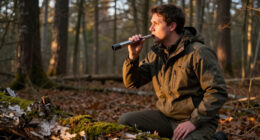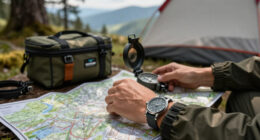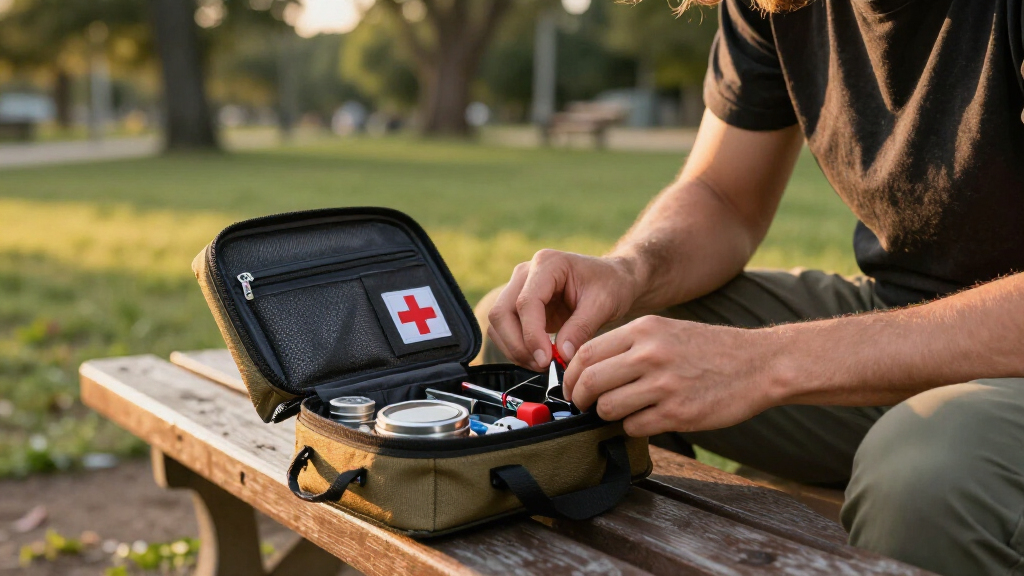

Compact emergency survival kits range from pocket-sized tool tins to 262-piece kits packed with an axe and shovel, and the right choice depends on whether you’re preparing a car glovebox, a bug-out bag, or a weekend hike. The 116-in-1 Survival Kit & First Aid Emergency Kit with Waterproof Case earns my best overall pick for balancing genuine gear variety with a case that survives wet conditions, while the Survival Kit with Trauma Bag and 150 PCS Emergency Gear stands out if bleeding-control supplies matter more than camping gadgets. The main tradeoff in this category is size versus substance: many kits inflate their piece counts with cheap filler, while truly useful tools, first aid supplies, and shelter items take up real space. Budget picks like the 27-in-1 kit keep costs low but cut corners on durability. Read on for the full breakdown of what each kit actually delivers.

Get emergency and outdoor gear delivered free — and shop member deals
- Fast, free delivery on millions of items
- Access to Prime Big Deal Days deals on October 6–7
- Prime Video, Amazon Music and more included
Key Takeaways
- Piece count was the least reliable indicator of quality — the 262-piece kit and 35-in-1 kit both pad their totals with small first aid consumables rather than meaningful survival tools.
- Waterproof or water-resistant cases separated the serious kits from the rest: the 116-in-1 and the Protect Life 100-piece kit were the only options protecting contents from the conditions most likely to damage them.
- Trauma capability is rare in compact kits — only the 150-piece trauma bag includes a proper tourniquet-style bleeding control setup, making it the clear pick for car emergency use.
- The smallest options (Tiny Pocket Survival Guide and TinTackle fishing kit) are supplements, not standalones — they fill gaps in a larger kit rather than replacing one.
- Kits targeting gift buyers (men-focused branding, axe-and-shovel bundles) tended to prioritize impressive-looking tools over practical everyday readiness.
| Angieast 35-in-1 Survival Kit |  | Best Value Pick | Number of Items: 35 | Dimensions: 6.6 x 4.3 x 1.9 inches | Weight: 1.11 pounds | VIEW LATEST PRICE | See Our Full Breakdown |
| Survival Kit with Trauma Bag and 150 PCS Emergency Gear |  | Best for Medical Emergencies | Number of Pieces: 150 | Includes: Trauma bag, Molle pouch, first aid and survival gear | Designed By: Emergency responders and survival experts | VIEW LATEST PRICE | See Our Full Breakdown |
| 27-in-1 Survival Gear Kit |  | Best Tool Quality | Number of Tools: 27 | Case Dimensions: 8.3 x 4.8 x 2.6 inches | Material: Military-grade materials | VIEW LATEST PRICE | See Our Full Breakdown |
| Pixato 116-in-1 Survival Kit & First Aid Emergency Kit |  | Best All-in-One Coverage | Number of Pieces: 116 | Brand: Pixato | Dimensions: 8.27 x 4.57 x 2.17 inches | VIEW LATEST PRICE | See Our Full Breakdown |
| estenio Tiny Pocket Survival Guide |  | Best Ultra-Compact Companion | Format: Fold-out pocket survival guide | Skills Covered: 67 essential skills | Tips Included: 175 survival tips | VIEW LATEST PRICE | See Our Full Breakdown |
| Survival Kit, 262-Piece Emergency Gear with First Aid, Tent, Axe, Shovel, and Bag |  | Best for Family Disaster Preparedness | Pieces: 262 | Key Components: First aid kit, tent, axe, shovel, flashlight, glow sticks, water container, fire starter, multi-tool, compass | Tool Material: Sturdy carbon steel (axe and shovel) | VIEW LATEST PRICE | See Our Full Breakdown |
| Protect Life Travel First Aid Kit for Car – 100 Piece Waterproof Emergency Kit with Blanket & Guide |  | Best Medical-First Pick | Pieces: 100 | Includes: Emergency blanket, first aid guide, bandages, gauze, antiseptic wipes, gloves, scissors | Waterproof: Yes | VIEW LATEST PRICE | See Our Full Breakdown |
| TinTackle Pro Compact Survival Fishing Kit with Mini Finger Reel |  | Best Food-Security Add-On | Brand: TITAN PPE | Set Name: TinTackle Pro | Number of Pieces: 38 | VIEW LATEST PRICE | See Our Full Breakdown |
More Details on Our Top Picks
Angieast 35-in-1 Survival Kit
At roughly a pound and pocket-book sized, this 35-in-1 kit hits a sweet spot between price and coverage that the larger 150-piece trauma bag simply can’t match for casual use. You get the core survival basics — fire starter, emergency blanket, compass, wire saw, flashlight — plus small extras like fishing tools and a spork packed into a waterproof hard case that shrugs off backpack rain and car-trunk dampness. Compared with the 27-in-1 kit, the tool count is higher but the individual pieces lean budget-grade, so this works best as a backup layer rather than your only gear. The tradeoff is simple: breadth over depth. The tactical pen and flashlight are functional but modest, and anyone serious about backcountry self-reliance will want to upgrade key items.
Pros:- 35 tools covering fire, shelter, navigation, and signaling in one case
- Waterproof case protects contents in wet conditions
- Genuinely compact at 1.11 pounds and under 7 inches long
- Low price per tool makes it an easy add-on purchase
Cons:- Budget-grade tools won’t withstand heavy or repeated use
- No detailed quality information on individual components
- Redundant items (spork, screwdriver) eat space serious gear could use
Best for: Budget-conscious hikers and car-campers who want broad coverage in a glovebox or daypack without spending much
Not ideal for: Minimalist ultra-light travelers who count every ounce and carry dedicated premium tools
- Number of Items:35
- Dimensions:6.6 x 4.3 x 1.9 inches
- Weight:1.11 pounds
- Waterproof:Yes
- Case Type:Waterproof hard box with gift bag
- Key Tools:Compass, wire saw, emergency blanket, flint stone, flashlight, tactical pen, paracord bracelet
Our verdict“A sensible low-cost entry point for casual outdoor preparedness, as long as you treat it as a supplement rather than primary survival gear.”
Survival Kit with Trauma Bag and 150 PCS Emergency Gear
Where most kits in this roundup lean toward gadgets, this one puts first aid at the center — 150 pieces designed with input from emergency responders, carried in a trauma bag with a Molle pouch that mounts to a pack or vehicle seatback. That medical emphasis is the differentiator: the Angieast 35-in-1 includes a handful of bandages, but this kit is built to actually treat injuries, not just signal for help. The tradeoff is weight and complexity. Casual weekend hikers will never touch most of the contents, and unlike the waterproof-cased 27-in-1 kit, the soft-pouch format sacrifices some weather protection for capacity and organization. For hunters, overlanders, and household emergency planners, that swap makes sense. Gift shoppers take note — this is the most giftable option here for the outdoorsman who already owns tools.
Pros:- 150 pieces with genuine trauma supplies, not just survival gadgets
- Designed by emergency responders and survival experts
- Molle-compatible pouch mounts to packs, belts, and vehicle interiors
- Well-suited as a gift for outdoorsmen and preparedness-minded recipients
Cons:- Heavier and bulkier than hard-case kits like the Angieast 35-in-1
- Far more than casual users will realistically need or know how to use
- Soft pouch offers less weather protection than sealed waterproof cases
Best for: Hunters, overlanders, and households building a serious injury-response kit for vehicles or campsites
Not ideal for: Day hikers and casual campers who need lightweight basics, not a full trauma loadout
- Number of Pieces:150
- Includes:Trauma bag, Molle pouch, first aid and survival gear
- Designed By:Emergency responders and survival experts
- Carry Format:Trauma bag with Molle attachment
- Primary Focus:First aid and trauma response
- Best Use:Camping, hunting, car emergencies, home preparedness
Our verdict“The clear choice when treating injuries matters more than starting fires — buy it for medical readiness, not backpacking.”
27-in-1 Survival Gear Kit
This kit earns its spot on one distinction: military-grade construction and a genuine multi-function axe, something no other compact kit in this lineup includes. Fewer tools than the Angieast 35-in-1 or the Pixato 116-in-1 means each piece feels more substantial — the axe, fire starter, and wire saw are built for repeated use rather than one emergency. The waterproof hard case (8.3 x 4.8 x 2.6 inches) is the tradeoff: it’s the largest case here, too big for a pocket and better suited to a pack lid or trunk. If the Angieast is about breadth on a budget, this is about depth — fewer items, but ones you’d actually trust to split kindling or baton wood. Beginners get a friendlier toolkit here too, since an axe and spork are more intuitive than fishing sets and fire tinder tins.
Pros:- Multi-function axe handles real wood-processing tasks other kits can’t
- Military-grade materials across the toolkit for durability
- Waterproof hard case survives drops and downpours
- Curated 27-tool selection avoids the filler of larger kits
Cons:- Largest case in this batch at over 8 inches long
- Basic coverage for advanced survival scenarios like extended shelter-building
- No substantial first aid component compared with the 150-piece trauma kit
Best for: Campers and hunters who want fewer but sturdier tools they can rely on for real camp tasks
Not ideal for: Pocket-carry minimalists — the case dimensions rule out jacket or pant storage
- Number of Tools:27
- Case Dimensions:8.3 x 4.8 x 2.6 inches
- Material:Military-grade materials
- Case Type:Durable waterproof case
- Key Tools:Multi-function axe, tactical pen, fire starter, emergency blanket, compass, flashlight, wire saw
- Best Use:Camping, hiking, hunting, emergency preparedness
Our verdict“The pick for buyers who’d rather own 27 solid tools than 116 forgettable ones, provided pack space isn’t tight.”
Pixato 116-in-1 Survival Kit & First Aid Emergency Kit
If the goal is one purchase that covers both survival tools and a real medical component, this 116-piece kit splits the difference between the gadget-heavy Angieast 35-in-1 and the medically focused 150-piece trauma bag. The standout inclusion is a hands-free LED headlamp — every other kit here gives you a handheld flashlight, which is a real limitation when you’re setting up shelter or treating a wound in the dark. The waterproof case keeps everything organized at a size that still fits a pack, though it sits heavier than the Angieast and shouldn’t be your first choice for fast-and-light trips. The weak point is the warranty: three months is the shortest coverage in this roundup, which suggests the manufacturer expects budget-grade components. Buyers get breadth and redundancy here, not premium build.
Pros:- 116 pieces spanning tools, fishing, fire, and genuine medical supplies
- LED headlamp enables hands-free tasks no other kit here offers
- Waterproof case keeps the full loadout organized and protected
- Balanced blend of survival and first aid in one purchase
Cons:- Only a 3-month warranty, the shortest in this roundup
- Tool variety can overwhelm users unfamiliar with the components
- Heavier than compact options like the Angieast 35-in-1
Best for: Preparedness-minded families who want survival gear and first aid in a single organized purchase for car or home
Not ideal for: Ultra-light backpackers and buyers who want long warranty backing on their gear
- Number of Pieces:116
- Brand:Pixato
- Dimensions:8.27 x 4.57 x 2.17 inches
- Waterproof:Yes
- Case:Includes carrying case
- Warranty:3 months
- Key Items:LED headlamp, tactical pen, fishing kit, fire starter, medical supplies
Our verdict“The best single-box solution for households that want broad emergency coverage without buying separate survival and medical kits.”
estenio Tiny Pocket Survival Guide
This one takes a contrarian position in the roundup: it’s knowledge instead of gear. At the size of a folded card, it fits where even the Angieast 35-in-1 — the smallest hard-case kit here — can’t go: a wallet, a jacket pocket, a running vest. Inside are 67 skills and 175 tips covering first aid, shelter, and water sourcing, with a built-in magnifier for reading the fine print. The honest limitation: it replaces nothing. Pair it with a tool kit and it multiplies that kit’s value; carry it alone and you have instructions for gear you don’t own. Compared with everything else in this lineup, it’s also the only option that weighs almost nothing and never breaks — though the fold-out design can fatigue at the creases with heavy handling. Think of it as insurance for the space you have left over.
Pros:- Pocket-size format fits wallets and running vests where no kit case can
- Waterproof cover survives rain, sweat, and repeated field handling
- 67 skills and 175 tips span first aid, shelter, and water sourcing
- Built-in magnifying tool makes dense reference text readable
Cons:- Contains zero actual gear — useless without tools to apply the knowledge
- Fold-out creases can wear and tear with frequent use
- Tips are basic; experienced survivalists will find little new material
Best for: Experienced outdoorsmen and EDC minimalists who want reference material that fits in a wallet alongside existing gear
Not ideal for: Anyone expecting a standalone kit — this contains no tools, fire starter, or medical supplies
- Format:Fold-out pocket survival guide
- Skills Covered:67 essential skills
- Tips Included:175 survival tips
- Topics:First aid, shelter-building, water sourcing
- Features:Fold-out design, magnifying tool, waterproof cover
- Brand:estenio
Our verdict“A near-weightless add-on for people who already carry gear and want answers when panic makes memory unreliable.”
Survival Kit, 262-Piece Emergency Gear with First Aid, Tent, Axe, Shovel, and Bag
Most kits in this roundup trade depth for portability, but this 262-piece set flips that logic: it’s the closest thing here to a complete household disaster trunk rather than a grab-and-go pouch. Where the Protect Life 100-Piece kit covers medical basics, this one adds shelter (a tent), heavy tools (a carbon steel axe and shovel), fire starting, lighting, and water storage, all organized in a compartmented crossbody bag with MOLLE straps. That organization matters — with 262 pieces, a chaotic kit means you can’t find anything under stress. The tradeoff is real, though: this is the bulkiest option in the lineup, and several tools demand practice before an emergency. It pairs well with a compact kit like the Angieast 35-in-1 as your car or bug-out backup.
Pros:- Genuine breadth: shelter, tools, first aid, fire, and water gear in one purchase
- Carbon steel axe and shovel are sturdier than typical kit multitools
- Compartmented MOLLE-compatible bag keeps 262 items findable under stress
Cons:- Bulky compared with compact kits — not pocketable or EDC-friendly
- Tools require prior familiarity; untrained users may fumble them in a real emergency
Best for: Families building a home or vehicle disaster kit who want shelter, tools, and first aid covered in one organized purchase
Not ideal for: Minimalists and ultralight hikers — the axe, shovel, and full component load make this too heavy for a backpacking rig
- Pieces:262
- Key Components:First aid kit, tent, axe, shovel, flashlight, glow sticks, water container, fire starter, multi-tool, compass
- Tool Material:Sturdy carbon steel (axe and shovel)
- Bag Style:Crossbody with multiple compartments
- Attachment Options:MOLLE straps and D-rings
- Strap:Detachable
- Intended Use:Natural disasters and outdoor emergencies
Our verdict“Buy this if you want one comprehensive family disaster kit at home or in the car; skip it if you need something you can carry all day.”
Protect Life Travel First Aid Kit for Car – 100 Piece Waterproof Emergency Kit with Blanket & Guide
Where kits like the 116-in-1 Survival Kit scatter their piece count across gadgets, this option puts nearly all of its weight behind wound care and medical response — which is what most real emergencies actually demand. The waterproof hard case is the quiet differentiator: soft-pouch kits like the Angieast 35-in-1 degrade when left in a damp trunk or boat locker, while this one survives it. An included first aid guide is a smart touch for buyers without formal training, and the emergency blanket adds a hypothermia buffer the TinTackle Pro can’t touch. The honest limitation: this is medical-only. No fire starter, no shelter, no tools — so compared with the 262-piece family kit, you’d need to supplement it for full disaster coverage.
Pros:- Waterproof hard case protects contents in trunks, boats, and packs
- First aid guide helps untrained users respond correctly
- Emergency blanket adds warmth coverage most compact kits omit
Cons:- Strictly basic medical supplies — not equipped for severe trauma
- Small capacity means it runs out fast in multi-casualty or extended situations
Best for: Drivers, boaters, and parents who want a reliable injury-response kit that lives permanently in a car or backpack
Not ideal for: Anyone expecting full survival coverage — there’s no shelter, fire, or signaling gear for extended emergencies
- Pieces:100
- Includes:Emergency blanket, first aid guide, bandages, gauze, antiseptic wipes, gloves, scissors
- Waterproof:Yes
- Case Material:Hard case
- Intended Use:Travel, camping, boating, home
- Category Focus:Medical/first aid
Our verdict“The right choice if your biggest gap is injury response rather than bushcraft; pair it with a tool-heavy kit for full coverage.”
TinTackle Pro Compact Survival Fishing Kit with Mini Finger Reel
This is the most specialized pick in the roundup, and that’s the point. While the 27-in-1 Survival Gear Kit and others treat food as an afterthought, the TinTackle Pro addresses long-duration food procurement — arguably the hardest problem once the first 72 hours pass. Everything nests in a durable tin roughly the footprint of a wallet: hooks, weights, floats, lures, bait, a mini finger reel, and a knot card that saves unpracticed anglers from guesswork. Compared with the Protect Life kit, which solves immediate injuries, this solves a problem that only matters if you’re stranded longer than your supplies last. The tradeoffs are honest ones: 55 feet of line limits casting range, the finger reel punishes extended sessions, and fishing skill isn’t included in the tin.
Pros:- Wallet-sized tin slips into any pack, glovebox, or existing kit
- Variety of lures, bait, and tackle covers multiple fishing scenarios
- Knot card and pre-rigged components lower the skill barrier
Cons:- 55 feet of line is short for many shore-fishing situations
- Mini finger reel becomes uncomfortable during long sessions
- Useless without at least basic fishing knowledge or practice
Best for: Experienced outdoorsmen and preparedness-minded builders adding a calorie-backup module to an existing bug-out bag
Not ideal for: Casual buyers wanting an all-in-one solution — this covers zero shelter, fire, or medical needs and assumes some fishing ability
- Brand:TITAN PPE
- Set Name:TinTackle Pro
- Number of Pieces:38
- Components:Mini finger reel, fishing line, hooks, floats, weights, leader line, lures, bait, storage bottle, knot card
- Fishing Line Length:55 feet
- Storage:Durable tin
- Intended Use:Camping, hiking, emergency survival kits
Our verdict“A smart supplement for those planning beyond 72 hours — but only if you already own the shelter, fire, and medical basics.”
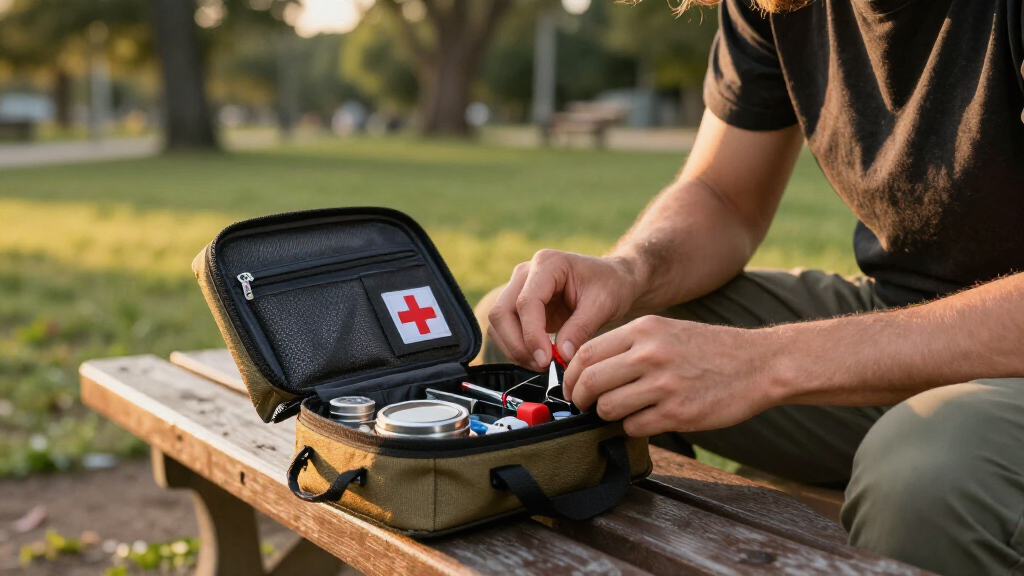
How We Picked
I evaluated each kit against four criteria that actually determine whether it helps in an emergency: gear substance over piece count (does each item serve a real function, or is it filler?), case quality and portability (will it survive being thrown in a trunk or backpack for years?), first aid capability (are the medical supplies usable, and is there enough for more than a scraped knee?), and value relative to contents (would buying the components separately cost more or less?). I also weighed how each kit fits a specific use case, since a glovebox kit and a hiking kit have genuinely different requirements.
The ranking favors kits that deliver dependable basics in a durable package over kits that chase big numbers on the box. That’s why mid-sized kits with waterproof cases rank higher than larger kits with fragile pouches, and why the two smallest products are positioned as complements rather than competitors. Where a kit’s target audience was obvious — gift shoppers, anglers, trauma-focused preppers — I factored that fit into the placement rather than penalizing specialization.
Factors to Consider When Choosing Compact Emergency Survival Kits
A compact survival kit is only as good as its weakest component and the plan behind it. Before choosing between the options above, think through these factors — they explain most of the differences in price and quality across this category.
Piece Count Is Marketing, Not Readiness
The biggest mistake buyers make is comparing kits by the number on the box. A 262-piece kit sounds superior to a 100-piece kit until you realize half those pieces are adhesive bandages and alcohol wipes. What actually matters is the density of functional tools: can you start a fire, signal for help, treat a serious wound, and shelter from weather? When comparing kits, mentally sort the contents into consumables (bandages, wipes), tools (knife, whistle, fire starter), and shelter (blanket, tent), then judge whether the tool and shelter categories justify the price. Kits that lead with impressive-sounding counts often hide thin tool selections underneath.
Case Durability Determines Long-Term Value
A kit that lives in a car trunk or backpack faces temperature swings, moisture, and being crushed under other gear — and cheap nylon pouches fail quietly over years of storage. Hard-sided waterproof cases protect contents from the flooding and humidity that most commonly ruin neglected emergency gear, which is why kits like the 116-in-1 earn higher marks despite smaller tool counts. Soft bags are lighter and easier to pack, but check the zipper quality and whether the material resists water at all. If you’re storing a kit somewhere it won’t be inspected often, prioritize a case that fails loudly (cracks you’ll notice) over one that fails silently (seams that leak).
Match the Kit to Its Storage Location
Where the kit lives should shape what you buy. A glovebox kit needs trauma supplies, a flashlight, and a seatbelt cutter more than fishing gear; a hiking kit benefits from fire starters, whistles, and shelter; a home emergency kit can afford bulkier items like the axe-and-shovel setup. Buyers frequently purchase a camping-focused kit for their car and discover the hard way it lacks medical supplies. Walk through two or three realistic scenarios — a roadside accident, a storm power outage, a twisted ankle on a trail — and check whether the kit addresses each one before buying.
First Aid Quality Separates Serious Kits From Toys
Across this category, first aid contents vary wildly: some kits include nothing but cartoon-patterned bandages, while others pack trauma-grade supplies. At minimum, look for gauze, medical tape, antiseptic wipes, and a real compress dressing — not just assorted band-aids. If bleeding control matters for your situation (remote driving, work sites, families with kids), a dedicated trauma component justifies a higher price. Also check expiry dates on any medications or antiseptics and set a calendar reminder to rotate them; even the best-stocked kit degrades into uselessness after a few years of neglect.
When to Buy Small and Supplement
The tiniest products in this roundup — pocket guides and micro fishing kits — make sense only as gap fillers within a larger setup, never as primary kits. This layered approach is actually smart practice: a substantial base kit in your car, plus a pocket tool set in your everyday bag, plus a fishing kit tucked into a hiking pack covers more scenarios than one do-everything product. The mistake to avoid is buying three tiny kits and assuming you’ve achieved preparedness. Budget roughly 70% toward your primary kit and 30% toward supplements, and you’ll get better coverage per dollar than chasing the biggest box on the market.
Frequently Asked Questions
Are high piece-count survival kits actually better?
Usually not. In this comparison, the kits with the largest advertised counts padded their totals with dozens of low-cost first aid consumables like bandages and wipes, while kits with modest counts often contained better tools. A 262-piece kit can be genuinely useful if the extras are things you’d actually consume, but you should evaluate the tool and shelter selections rather than the headline number. My advice: count the items you’d genuinely rely on in an emergency, and price the kit against those alone.
Should I keep a survival kit in my car, and what should it contain?
Yes — a vehicle is where most people actually face emergencies, from breakdowns to accidents. A car kit should prioritize trauma supplies, a flashlight, a blanket, and tools for escaping or signaling, which is why the trauma-focused 150-piece bag and the Protect Life kit rank well for vehicle use. Camping-oriented kits with fishing gear and axes are less useful in a roadside scenario. Also remember that car temperatures swing wildly, so choose a kit with a durable case and replace any batteries or medications annually.
Can a compact kit replace a full first aid kit?
For anything beyond minor injuries, no. Compact kits typically include enough supplies to treat cuts, scrapes, and small burns, but serious bleeding, fractures, or medical emergencies require dedicated equipment and training. If first aid is your primary concern, choose a kit with a strong medical component like the trauma bag, and consider adding a dedicated first aid course — supplies without knowledge have limited value. For outdoor adventures, pair your survival kit with a separate, fuller medical pouch.
How often should I replace or update my survival kit?
Inspect the kit twice a year and replace anything expired, corroded, or damaged. Batteries, medications, antiseptic wipes, and food or water items degrade fastest, typically within one to three years. Tools like fire starters, whistles, and knives last indefinitely if kept dry, which is another argument for waterproof cases. A good habit is checking your kit when you change smoke alarm batteries or rotate seasonal gear — tie it to dates you already remember.
Are fishing kits and pocket survival guides worth buying?
They’re worth buying as supplements, not as standalone preparedness. A micro fishing kit like the TinTackle adds food-gathering capability to a hiking or bug-out setup for very little weight, and a pocket guide provides knowledge reference when you can’t rely on your phone. But neither addresses shelter, water purification, first aid, or signaling — the pillars of survival priority. If your budget only stretches to one purchase, buy a full kit first and add these small items later.
Conclusion
Best overall goes to the 116-in-1 Survival Kit & First Aid Emergency Kit, which pairs genuinely useful variety with a waterproof case at a fair price. For best value, the 27-in-1 kit covers the fundamentals at a budget-friendly cost if you accept lighter-duty construction. The best premium pick is the 262-piece kit with axe, shovel, and tent — it’s the closest thing here to a complete bug-out solution, provided you have space to store it. Beginners should start with the Protect Life Travel First Aid Kit, since its guide and straightforward medical contents build confidence without overwhelming. For specific needs: the trauma bag for vehicle and work-site safety, the TinTackle fishing kit for anglers and bushcrafters, and the Tiny Pocket Survival Guide as an everyday-carry knowledge backup. Whatever you choose, remember that a kit you inspect annually beats a bigger one you never open.
Fall Picks
fall essentials
As an affiliate, we earn on qualifying purchases.