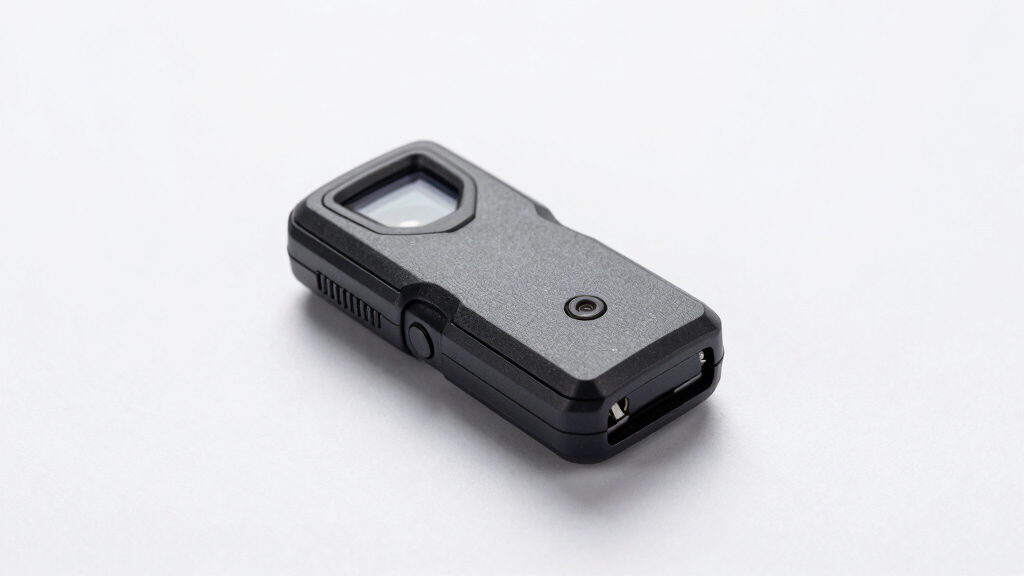

Choosing the best personal locator beacon (PLB) for hikers means balancing reliability, coverage, and ease of use. The ACR ResQLink 410 RLS stands out as the top overall pick for its combination of GPS accuracy and return link service, ensuring rescue teams can locate you quickly. The Garmin inReach Mini 3 Plus offers versatile satellite communication and navigation features, making it ideal for tech-savvy hikers. However, these devices come with tradeoffs, such as higher costs or learning curves. Continue reading for a detailed breakdown of these options and how they compare to meet different hiking needs.
Key Takeaways
- Top picks vary based on whether users prioritize coverage, ease of use, or additional communication features.
- The highest-ranked devices combine reliable GPS, global coverage, and user-friendly interfaces, but often come at a higher price.
- Some models, like the BCA Tracker S, excel for avalanche safety but lack global satellite coverage, limiting their outdoor scope.
- The Garmin inReach Mini 3 Plus offers the best balance of satellite communication and navigation, suited for tech-oriented hikers.
- Tradeoffs often involve cost versus functionality, with premium models providing more features but requiring more familiarity.
| ACR ResQLink 410 RLS Personal Locator Beacon with GPS and Return Link Service |  | Best Overall for Reliable Global Rescue | Battery Life: 5 years | Operational Time: 24+ hours | Coverage: Global (GPS, Galileo, MEOSAR) | VIEW LATEST PRICE | See Our Full Breakdown |
| ACR ResQLink 400 – SOS Personal Locator Beacon with GPS and Global Coverage |  | Best Value for Cost-Conscious Adventurers | Product Type: Location Tracker | Item Dimensions: 4.52 x 2.03 x 1.49 inches | Battery Life: 24 Hours | VIEW LATEST PRICE | See Our Full Breakdown |
| ACR ResQLink View GPS Personal Locator Beacon Survival Kit |  | Best for Emergency Preparedness and Survival Kits | Included Components: C-Strobe H2O, Dry Bag, ResQLink View GPS, Signal Mirror, Whistle | Number of Pieces: 5 | Warranty: 5 Years | VIEW LATEST PRICE | See Our Full Breakdown |
| ACR ResQLink View – Buoyant Personal Locator Beacon with GPS (Model PLB 425) |  | Best Buoyant Model for Water and Land Adventures | Product Type: Personal Locator Beacon | Model: PLB 425 | Weight: Lightweight, buoyant | VIEW LATEST PRICE | See Our Full Breakdown |
| BCA Tracker S Avalanche Beacon Transceiver |  | Best for Snow Rescue and Avalanche Situations | Type: Avalanche Beacon Transceiver | Digital LVS: Yes | Antenna: Multiple | VIEW LATEST PRICE | See Our Full Breakdown |
| McMurdo FastFind 220 Personal Locator Beacon – US Programming |  | Best for Simplicity and Reliability in Emergency Situations | Registration: US (programmed), available for international registration | Activation: Deploy antenna, pull anti-tamper seal, press ON | Usage: Emergency only, grave and imminent danger | VIEW LATEST PRICE | See Our Full Breakdown |
| Garmin inReach® Mini 3 Plus Satellite Communicator with Touchscreen and Emergency SOS |  | Best for Extended Remote Communication and Navigation | Weight: Approximate weight not specified | Battery Life: Up to 350 hours with 10-minute tracking | Water Resistance: IP67 | VIEW LATEST PRICE | See Our Full Breakdown |
More Details on Our Top Picks
ACR ResQLink 410 RLS Personal Locator Beacon with GPS and Return Link Service
The ACR ResQLink 410 RLS stands out for its comprehensive use of multiple GNSS systems, including GPS, Galileo, and MEOSAR, offering exceptional global coverage. Its 5-year battery life and built-in buoyancy make it a dependable choice for serious outdoor adventurers, especially when compared to the shorter-lived ResQLink 400. The Return Link Service feature helps rescuers confirm your distress signal, an advantage over simpler beacons. However, the upfront cost can be higher, and it’s limited solely to emergency use, with no additional features for navigation or communication. This pick makes the most sense for hikers who prioritize reliable emergency signaling over additional functionalities.
- Global coverage with multiple GNSS systems
- Reliable 5-year battery life
- Built-in buoyancy and visibility aids
- Higher initial cost
- Limited to emergency signaling only
Ideal for those who need a dependable, all-weather rescue device with long-term battery life.
Pros:- Global coverage with multiple GNSS systems ensures reliable emergency alerts worldwide
- Long-lasting 5-year battery minimizes replacement concerns
- Built-in buoyancy and visibility features enhance safety in water or adverse conditions
Cons:- Higher purchase price compared to simpler beacons
- Limited to emergency use, no navigation or two-way communication
Best for: Serious hikers and outdoor enthusiasts who require dependable global coverage and long battery life.
Not ideal for: Casual users or budget-conscious hikers who want additional features or lower upfront costs.
- Battery Life:5 years
- Operational Time:24+ hours
- Coverage:Global (GPS, Galileo, MEOSAR)
- Features:Return Link Service, buoyancy, strobe and infrared lights
- Attachment:Multifunction clip system
Bottom line: This beacon is ideal for experienced hikers seeking a durable, globally reliable emergency device with long battery life.
ACR ResQLink 400 – SOS Personal Locator Beacon with GPS and Global Coverage
The ACR ResQLink 400 offers solid global satellite coverage and accurate GPS signals without requiring a subscription, making it a cost-effective choice compared to the more advanced ResQLink 410. Its compact size and waterproof design suit a variety of outdoor activities like hiking, hunting, and boating. The inclusion of LED strobes and infrared signals enhances visibility, yet its 24-hour battery life is shorter than other models like the ResQLink 410, which may be a concern for extended trips. Additionally, its bulkier form might be less convenient for quick access. This beacon is perfect for those who want reliable rescue capability without ongoing costs but are okay with limited operational hours.
- Global satellite coverage ensures rescue reliability
- No subscription needed reduces ongoing costs
- GPS and Galileo provide precise location data
- Limited 24-hour battery life
- Bulkier size may be less portable
Suitable for budget-conscious hikers who demand dependable emergency signaling but don’t need extended operational time.
Pros:- Global satellite coverage provides dependable rescue signals worldwide
- No subscription fee lowers long-term costs
- GPS and Galileo support precise location tracking
Cons:- Limited to about 24 hours of battery life, less than some higher-end models
- Bulkier design can be less convenient to carry
Best for: Hikers and outdoor lovers looking for reliable global coverage without ongoing subscription fees.
Not ideal for: Long-distance trekkers or those on multi-day trips needing extended battery life.
- Product Type:Location Tracker
- Item Dimensions:4.52 x 2.03 x 1.49 inches
- Battery Life:24 Hours
- Connectivity Technology:IR
- Supported Applications:GPS, Smartphone, PC, Tablet, Camera
- Waterproof:Yes
Bottom line: This beacon suits budget-aware hikers who value global coverage and straightforward rescue signaling over extended operational hours.
ACR ResQLink View GPS Personal Locator Beacon Survival Kit
This comprehensive survival kit combines a GPS locator beacon with essential signaling tools like a strobe light, signal mirror, and whistle, offering a well-rounded emergency solution. The ResQLink View GPS ensures precise location transmission, while the included waterproof gear and multiple safety tools make it suitable for extreme conditions. Compared to standalone beacons like the ResQLink 410, this kit provides additional signaling options and survival gear, but at a higher cost and with more complexity. It’s best suited for those who want a ready-to-go emergency package rather than a simple rescue device. However, effective use requires familiarity with each component.
- All-in-one survival kit with multiple signaling tools
- GPS tracking and bright strobe for visibility
- Waterproof gear for extreme conditions
- More expensive than basic beacons
- Requires knowledge of emergency procedures for best use
Ideal for hikers and adventurers who prefer a complete emergency preparedness kit over a single device.
Pros:- Includes multiple signaling and safety tools for comprehensive preparedness
- GPS tracking and bright strobe improve rescue chances
- Waterproof and durable for extreme environments
Cons:- Higher price point compared to standalone beacons
- Requires familiarity with multiple components for effective use
Best for: Hikers planning extended remote trips who want a full emergency kit with signaling, safety, and location tracking.
Not ideal for: Casual day hikers or those seeking a simple, lightweight beacon for short trips.
- Included Components:C-Strobe H2O, Dry Bag, ResQLink View GPS, Signal Mirror, Whistle
- Number of Pieces:5
- Warranty:5 Years
- ASIN:B07XLD19T4
Bottom line: This survival kit is perfect for serious outdoor enthusiasts who want a complete emergency package for remote or extreme adventures.
ACR ResQLink View – Buoyant Personal Locator Beacon with GPS (Model PLB 425)
The ACR ResQLink View is designed specifically for outdoor lovers who spend significant time on water or in wet environments. Its buoyant and lightweight build makes it easy to carry and handle, especially during boating or water-based activities. It offers global GPS coverage and features visual signaling options like LED strobes, including infrared signals for night rescue. Compared to the ResQLink 410, it emphasizes buoyancy and ease of use in aquatic settings, though details about battery replacement or rechargeability are scarce, making long-term maintenance unclear. Its app control adds convenience but may be complex for casual users. This device is best for those who prioritize buoyancy and visual signaling during water activities.
- Compact, lightweight, and buoyant design
- Global satellite coverage for reliable distress signaling
- Visual signaling with LED and infrared strobes
- Limited info on battery replacement or recharge options
- May be more complex to operate for casual users
This beacon suits water-focused outdoor enthusiasts who need a buoyant device with effective signaling features.
Pros:- Buoyant, lightweight design facilitates easy carry on water or land
- Global satellite coverage ensures dependable rescue signals worldwide
- Includes visual signaling options like LED and infrared strobes
Cons:- Unclear about battery replacement or rechargeability, affecting maintenance
- Features may be overly complex for casual users without training
Best for: Water sports enthusiasts and boaters who want a buoyant, reliable rescue beacon with visual signaling.
Not ideal for: Hikers on land-only trips who don’t require buoyancy features or frequent water exposure.
- Product Type:Personal Locator Beacon
- Model:PLB 425
- Weight:Lightweight, buoyant
- Battery Life:Approximately 28 hours
- Waterproof:Yes
- Additional Features:LED strobe, infrared strobe, app control
Bottom line: This buoyant beacon is best suited for water-based adventures where flotation and visual signaling are priorities.
BCA Tracker S Avalanche Beacon Transceiver
The BCA Tracker S is a leading digital avalanche beacon, trusted by snow professionals and enthusiasts alike. Its real-time display and multiple antenna design provide rapid, accurate location data essential in avalanche rescues. Compared with the outdoor-focused beacons like the ResQLink models, the Tracker S is specialized for snow safety, lacking features like GPS tracking or satellite communication. However, its simplicity makes it very intuitive, and its industry reputation ensures reliability. A notable limitation is that it doesn’t support software upgrades or motion detection, which could enhance its functionality. It’s a clear choice for those focused on snow safety rather than multi-purpose outdoor signaling.
- Real-time display for quick location updates
- Widely trusted by rescue professionals
- Multiple antennas for reliable signal detection
- No software upgrades available
- Lacks advanced features like motion detection or GPS
This transceiver is ideal for snow enthusiasts and professionals who need a straightforward, dependable avalanche beacon.
Pros:- Real-time display enables quick and accurate rescue efforts
- Industry-leading reliability and ease of use
- Multiple antennas improve signal detection in avalanche conditions
Cons:- No upgrade options or advanced features like motion detection
- Limited to snow rescue scenarios, not suitable for general outdoor signaling
Best for: Backcountry skiers, snowboarders, and avalanche safety professionals needing a proven rescue transceiver.
Not ideal for: Hikers and outdoor explorers outside snowy environments who require satellite or GPS-based rescue devices.
- Type:Avalanche Beacon Transceiver
- Digital LVS:Yes
- Antenna:Multiple
- Display:Real-time
- Upgradable Software:No
- Motion Detection:Not included
Bottom line: This avalanche transceiver is perfect for snow-focused rescue needs, offering trusted reliability over multipurpose features.
McMurdo FastFind 220 Personal Locator Beacon – US Programming
The McMurdo FastFind 220 stands out for its straightforward activation process and dependable performance in extreme conditions. Unlike the Garmin inReach® Mini 3 Plus, which offers two-way communication and navigation, the FastFind is solely focused on emergency alerts, making it ideal for those who prefer a dedicated device without the need for smartphone pairing. Its pre-programmed US registration simplifies setup for American users, though reprogramming for international use is available. The device is designed to activate quickly with minimal steps—deploy the antenna, pull the anti-tamper seal, and press ON—ensuring rapid response in critical moments. The main tradeoff is that it can’t be used for everyday communication or location sharing, only for life-threatening emergencies. Its rugged build and ease of use make it perfect for solo hikers or those venturing into remote wilderness where reliability outweighs additional features.
Pros:- Highly reliable in extreme and remote conditions
- Simple, quick activation process suitable for emergencies
- Pre-programmed for US registration with options for international use
Cons:- Limited to emergency activation only, no communication features
- Requires registration, which can vary by country and add complexity
- Strictly intended for grave emergencies; false alerts are penalized
Best for: Hikers who want a dependable, simple emergency device focused solely on rescue activation in remote or extreme environments
Not ideal for: Hikers seeking two-way messaging, GPS tracking, or smartphone integration during their trips
- Registration:US (programmed), available for international registration
- Activation:Deploy antenna, pull anti-tamper seal, press ON
- Usage:Emergency only, grave and imminent danger
- Reprogramming:Available for international versions
Bottom line: This device is best for hikers who prioritize a straightforward, dependable emergency beacon over additional communication features.
Garmin inReach® Mini 3 Plus Satellite Communicator with Touchscreen and Emergency SOS
The Garmin inReach® Mini 3 Plus offers a versatile solution for hikers who want more than just emergency alerts. Compared with the McMurdo FastFind 220, the inReach provides two-way messaging, GPS tracking, and detailed navigation via its high-resolution touchscreen, making it suitable for longer trips where communication and route planning are essential. Its global Iridium satellite coverage ensures connectivity in virtually any location, but this feature comes with the need for an active subscription, adding ongoing costs. The device boasts impressive battery life—up to 350 hours with 10-minute tracking intervals—and a rugged, water-resistant IP67 rating. The touchscreen simplifies interaction, but some features require pairing with a smartphone, which may be a drawback for those who prefer standalone operation. For serious adventurers who value communication and navigation in addition to emergency SOS, this model offers a comprehensive package, albeit at a higher price point.
Pros:- Global satellite coverage ensures connectivity worldwide
- Long battery life supports extended trips
- Rugged design withstands harsh weather and impacts
- High-resolution touchscreen for intuitive navigation
Cons:- Requires an active satellite subscription for full functionality
- Some features depend on pairing with a smartphone, adding complexity
- Higher cost may be prohibitive for casual users
Best for: Long-distance hikers or adventurers who need reliable communication, navigation, and emergency SOS capabilities in remote areas
Not ideal for: Casual hikers or those on short trips who do not require extensive communication features or are on a tight budget
- Weight:Approximate weight not specified
- Battery Life:Up to 350 hours with 10-minute tracking
- Water Resistance:IP67
- Display:High-resolution, scratch-resistant color touchscreen
- Connectivity:Iridium satellite network, Bluetooth, smartphone pairing
- Languages:English, German, Italian, Spanish, French, Dutch, Swedish, Danish
Bottom line: This device is ideal for hikers who need reliable, long-lasting communication and navigation tools in addition to emergency SOS, with a willingness to manage ongoing subscription costs.
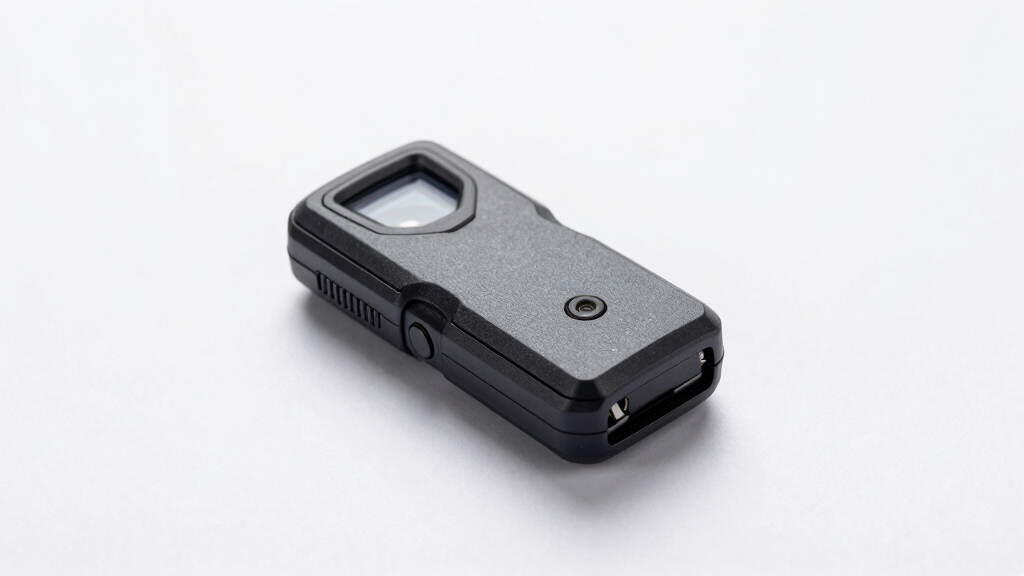
How We Picked
These products were evaluated based on performance, reliability, ease of use, build quality, and coverage options. Priority was given to devices with proven GPS accuracy, global satellite coverage, and user-friendly interfaces, as these factors directly impact safety and usability in outdoor settings. Cost was considered but only as a secondary factor, ensuring that the top picks deliver value for their price. Devices were ranked to reflect their suitability for different types of hikers, from beginners to experienced explorers, with a focus on real rescue scenario readiness.Factors to Consider When Choosing Best Personal Locator Beacon For Hikers
When choosing a personal locator beacon for hiking, it’s essential to consider several key factors that impact safety, usability, and long-term value. Understanding these criteria can help you avoid common pitfalls and select a device that truly matches your outdoor activities and technical comfort level.Coverage and Satellite Networks
Global coverage is vital for hikers venturing into remote areas. Devices using the latest satellite networks, like the Iridium system, provide worldwide reach, while older or less advanced networks limit your options. Think about where you’ll hike most often and whether coverage gaps could leave you stranded. Budget models might only work in North America or specific regions, which is a critical consideration for international travelers or long-distance hikers.
Ease of Use and Interface
A PLB should be straightforward to operate, especially in emergencies. Devices with large buttons, clear instructions, and simple activation procedures reduce the risk of user error. Advanced features, like touchscreens or menu complexity, can be a disadvantage if you’re not comfortable with tech. For beginners or casual hikers, a device with minimal setup and simple activation is generally preferable, even if it offers fewer bells and whistles.
Battery Life and Durability
Long battery life ensures your device remains functional during extended trips. Many models are designed to be waterproof and rugged, resisting shock, dust, and moisture. However, some high-tech options require frequent charging or have shorter shelf lives, which could be problematic if you forget to maintain them. Consider devices with extended battery life and reliable build quality, especially for multi-day or off-grid adventures.
Additional Communication and Navigation Features
Some PLBs, like the Garmin inReach Mini 3 Plus, combine GPS navigation, two-way messaging, and weather updates, providing more than just rescue activation. This versatility can be a huge advantage for multi-purpose outdoor use. But these extra features often come with higher costs and increased complexity, which may not be necessary for all hikers. Decide whether you need a dedicated rescue device or a multi-function tool that integrates navigation and communication.
Cost and Value
Prices for personal locator beacons can range from budget-friendly to premium. Cheaper models may lack global coverage or advanced features, but still offer basic emergency signaling. Premium devices often include global satellite networks, longer battery life, and additional functionalities, justifying their higher price tags. Balance your budget with your safety needs—investing in a more capable device can be worthwhile if you frequently hike in remote areas or on extended trips.
Frequently Asked Questions
Can I use a personal locator beacon for everyday outdoor activities?
Yes, a PLB is suitable for various outdoor activities beyond hiking, such as camping, boating, or skiing, especially in remote areas. However, these devices are primarily designed for emergency use, so they are most beneficial when your safety depends on quick rescue activation. For everyday use or less remote outings, some hikers prefer satellite messengers with two-way communication for added convenience.
What happens if my PLB’s battery dies during a trip?
Most PLBs are designed with long shelf lives and can operate for multiple years without use, but if the battery depletes during a trip, the device may become useless in an emergency. Regularly checking and replacing batteries or recharging (if applicable) is critical. Many models include battery indicators, so you can verify readiness before heading out, reducing the risk of failure during critical moments.
Is a personal locator beacon legal to carry everywhere?
In most countries, carrying a personal locator beacon is legal and encouraged for safety, especially in remote areas. However, some regions have restrictions on transmitting emergency signals or require registration with local authorities. It’s advisable to familiarize yourself with local regulations and registration requirements before your trip to avoid potential legal issues or misunderstandings during emergency activation.
How difficult is it to activate a PLB in an emergency?
Most PLBs are designed for quick and straightforward activation with a single button or switch. This simplicity is intentional to ensure that in high-stress situations, accidental or delayed activation is minimized. It’s a good idea to practice the activation process beforehand, so you’re confident in using the device when needed. Devices with clear visual or audio indicators can also help confirm activation success.
Do I need a subscription for satellite communication features?
Many satellite communication-enabled devices, like the Garmin inReach Mini 3 Plus, require a subscription plan for messaging and tracking services. These plans vary in cost and coverage, so it’s important to evaluate your usage needs and travel frequency. Some hikers find the ongoing subscription cost justified by the added safety and communication capabilities, especially on longer or more remote trips.
Conclusion
For most hikers, the ACR ResQLink 410 RLS offers the best balance of reliability and ease of use, making it the ideal overall choice. Those seeking the best value might opt for simpler models with basic GPS and SOS features, while tech-savvy adventurers will appreciate the Garmin inReach Mini 3 Plus for its two-way communication and navigation. Beginners or occasional hikers should prioritize devices with minimal setup, whereas long-distance explorers or those in extremely remote areas should invest in models with global coverage and longer battery life. Ultimately, selecting the right PLB depends on your specific outdoor needs, budget, and comfort with technology.