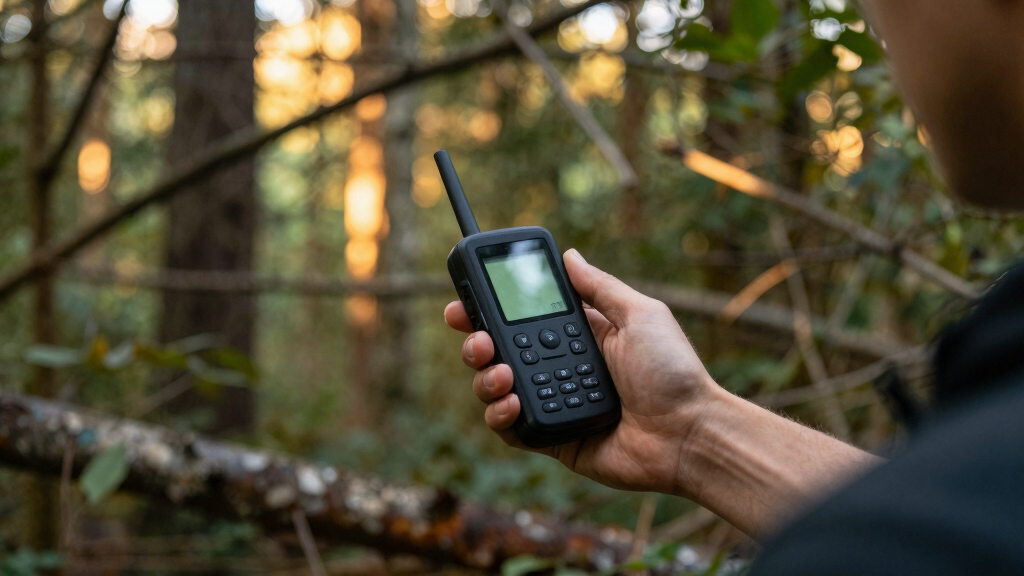

Choosing the best satellite communicator for wilderness safety involves balancing reliability, ease of use, and coverage. The Garmin inReach® Mini 3 Plus stands out for its rugged build and comprehensive features, making it ideal for serious adventurers. The ZOLEO Satellite Communicator offers seamless smartphone integration for easier messaging, while the New ACR Bivy Stick provides an affordable off-grid emergency beacon. Each device has distinct tradeoffs, like battery life versus size or advanced features versus price. Keep reading for a detailed breakdown to find the right fit for your outdoor excursions.

Get emergency and outdoor gear delivered free — and shop member deals
- Fast, free delivery on millions of items
- Access to Prime Big Deal Days deals on October 6–7
- Prime Video, Amazon Music and more included
Key Takeaways
- The best devices prioritize reliability in harsh conditions, with rugged designs and long battery life.
- Ease of use, including touchscreen interfaces and smartphone app integration, significantly impacts usability in emergencies.
- Pricing varies widely; budget options like the Bushnell GPS BackTrack are simple but less feature-rich, while premium models offer advanced safety features.
- Size and weight are key considerations—compact models are easier to carry but may offer fewer features or shorter battery life.
- Coverage and subscription plans vary; devices with global satellite networks tend to cost more but provide broader coverage.


More Details on Our Top Picks
Garmin inReach® Mini 3 Plus, Rugged Global Satellite Communicator with Touchscreen Texting, Photo & Voice Messaging, Emergency SOS Messages & Battery Up to 350 Hours with 10-min inReach® Tracking
The Garmin inReach® Mini 3 Plus stands out for its comprehensive feature set, including a durable, high-resolution touchscreen and a long-lasting battery that supports up to 350 hours of tracking. Compared to the Mini 2, it adds a more advanced touchscreen interface and expanded messaging options, making it ideal for users who need robust communication capabilities in extreme conditions. The device’s rugged design (IP67 rated) and ability to send interactive SOS messages through Garmin Response℠ make it particularly suited for serious explorers and professionals. However, the reliance on an active satellite subscription can be a drawback for casual users, and the device’s price is higher than simpler models. This pick makes the most sense for those who prioritize versatility, durability, and advanced communication features for wilderness safety.
Pros:- High-resolution, scratch-resistant touchscreen
- Long battery life up to 350 hours
- Rugged IP67 water-resistant design
- Interactive SOS messaging via Garmin Response℠
Cons:- Requires active satellite subscription, adding ongoing cost
- High price point compared to basic models
- Complex interface may be overwhelming for beginners
Best for: Outdoor enthusiasts, professional guides, or search-and-rescue teams needing reliable, multi-function satellite communication in harsh environments.
Not ideal for: Casual hikers or weekend campers who prefer simpler, lower-cost devices without extensive features or longer battery life.
- Screen Size:1.9 Inches
- Battery Life:Up to 350 Hours
- Water Rating:IP67
- Connectivity:Bluetooth
- Map Types:North America
- Weight:4.31 Ounces
Bottom line: Best suited for serious outdoor users who need a durable, feature-rich satellite communicator with extensive safety and navigation tools.
Garmin inReach Mini 2, Lightweight and Compact Satellite Communicator, Hiking Handheld, Black
The Garmin inReach Mini 2 offers a compact and lightweight design, making it an excellent choice for those seeking reliable satellite communication without the bulk of larger devices. It provides two-way messaging and interactive SOS, similar to the Mini 3, but with a simpler interface and slightly shorter battery life (up to 14 days in tracking mode). Compared to the Mini 3, it lacks a touchscreen, which may be a downside for users wanting more intuitive navigation, but it compensates with a lower price point and excellent portability. Its rugged build and ability to share locations make it ideal for hikers and adventurers who prioritize ease of use and affordability. The main tradeoff is the absence of a touchscreen and fewer advanced features, which might matter for more demanding users.
Pros:- Lightweight and compact design
- Up to 14 days of battery life in tracking mode
- Rugged, water-resistant build
- Global two-way messaging and SOS
Cons:- No touchscreen interface
- Shorter battery life compared to larger models
- Limited advanced mapping features
Best for: Hikers, backpackers, and casual outdoor adventurers looking for a reliable, portable satellite communicator at a more accessible price.
Not ideal for: Expedition leaders or rescue professionals who need advanced navigation and a touchscreen interface for complex operations.
- Display:1.9 Inches
- Battery Life:Up to 14 Days
- Water Resistance:Yes
- Connectivity:Bluetooth
- Map Support:Basic
- Weight:99 Grams
Bottom line: Ideal for budget-conscious hikers and outdoor enthusiasts who need dependable satellite messaging in a compact form.
INREACH EXPLORER+ SAT. COMM. W/ TOP
The INREACH EXPLORER+ offers preloaded topographical maps and satellite texting, making it highly suitable for serious adventurers needing detailed navigation in remote areas. Unlike the Mini series, it features a more extensive interface with dedicated buttons and a larger display, providing a more traditional handheld GPS experience. Its ability to send SOS and track with detailed maps makes it an excellent tool for long expeditions and off-grid explorations. The device’s complexity and higher cost are tradeoffs, and it requires a subscription for satellite services. It’s best for users who prioritize navigation and mapping over simplicity, such as mountaineers or remote explorers.
Pros:- Preloaded with topographic maps
- Satellite texting and SOS capabilities
- Long battery life
- Robust build for harsh conditions
Cons:- Expensive device and subscription costs
- Bulkier and heavier than mini devices
- Steep learning curve for new users
Best for: Backcountry explorers, mountaineers, and professional guides requiring detailed maps and reliable communication in extreme wilderness.
Not ideal for: Casual campers or those seeking minimal setup and ease of use, due to its complexity and cost.
- Map Type:Topographical
- Communication:Satellite Texting
- SOS:Yes
- Battery Life:Long
- Display:Customizable
- Weight:Heavy
Bottom line: Best for users who need detailed navigation, mapping, and reliable communication in demanding wilderness settings.
Garmin inReach Mini 2, Lightweight and Compact Satellite Communicator, Hiking Handheld, Black
The Garmin inReach Mini 2 shines with its impressive battery endurance, supporting up to 14 days of continuous use in tracking mode, making it ideal for long trips. It shares core features with the Mini 2, including two-way messaging and SOS, but adds a slightly more refined design and the ability to pair with Garmin devices for enhanced functionality. Compared to the Mini 3, it offers similar ruggedness and simplicity but without a touchscreen, which may be a downside for some. Its main advantage remains its extended battery life, which reduces the worry of power loss during multi-day excursions. The tradeoff is that it provides fewer advanced navigation features, making it more suitable for basic communication needs.
Pros:- Up to 14 days battery life
- Lightweight and durable
- Global satellite coverage
- Simple, intuitive interface
Cons:- No touchscreen interface
- Limited advanced mapping features
- Requires subscription for full functionality
Best for: Backcountry travelers and hunters needing a reliable, long-lasting device for extended wilderness trips.
Not ideal for: Users seeking a device with a touchscreen or detailed mapping capabilities for complex navigation tasks.
- Battery Life:Up to 14 Days
- Display Size:1.9 Inches
- Connectivity:Bluetooth
- Map Type:Basic
- Weight:99 Grams
- Water Resistance:Yes
Bottom line: Perfect for users prioritizing battery longevity and straightforward communication over detailed mapping features.
Garmin inReach Mini 3 Compact SOS Satellite Communicator with Touchscreen 010-03387-00 Bundle with Wearable Commuter Front and Rear Safety Light and 2-Pack Tactical Emergency Paracord Bracelet
The Garmin inReach Mini 3 Bundle offers a comprehensive safety package, including the latest Mini 3 device with a high-resolution touchscreen, plus accessories like safety lights and tactical bracelets, making it ideal for those who want a complete safety kit. It shares the Mini 3’s advanced features—durable design, interactive SOS, and long battery life—plus added value through accessories suited for various outdoor scenarios. The bundle’s main advantage is convenience and preparedness for extreme conditions, but it comes at a higher cost and may be more than casual users need. It’s best for serious outdoor enthusiasts who want a full safety setup in one package.
Pros:- Includes latest Mini 3 device with touchscreen
- Complete safety accessories bundle
- Rugged, impact-resistant design
- Long battery life (up to 350 hours)
Cons:- Higher cost due to bundle accessories
- Bulkier than standalone devices
- May include unused accessories for casual users
Best for: Adventurers, hunters, or outdoor professionals looking for a high-end, all-in-one safety solution with accessories included.
Not ideal for: Casual campers or budget-conscious users who only need basic communication features.
- Screen Size:1.9 Inches
- Battery Life:Up to 350 Hours
- Water Resistance:IP67
- Includes:Safety light, paracord bracelets
- Weight:Varies with accessories
- Connectivity:Bluetooth
Bottom line: Ideal for those seeking an all-in-one premium safety kit with advanced communication and accessories for serious outdoor use.
New ACR Bivy Stick 2-Way Satellite Communicator with Carrying Case and Carabiner Bundle
This device stands out for offering essential satellite communication features at a very accessible price, making it suitable for those new to wilderness safety gear. Compared to more advanced options like the Garmin inReach® Mini 3, the Bivy Stick lacks detailed navigation, weather updates, and robust mapping, but it delivers reliable two-way messaging, GPS location sharing, and SOS in a straightforward package. The included protective pouch enhances portability, and the device’s simple interface encourages novice users. However, its SOS activation requires a deliberate hold, which is a positive safety measure but might slow response times in urgent situations. The email and messaging functions can be hindered if users don’t initially configure email accounts properly—something that needs attention. Overall, this pick makes the most sense for casual outdoor enthusiasts who prioritize affordability and basic safety features over advanced navigation or weather functions.
Pros:- Affordable price point for entry-level users
- Includes protective pouch and carabiner for easy carry
- Reliable two-way satellite messaging and GPS sharing
Cons:- Limited navigation, weather updates, and mapping features
- SOS activation requires a deliberate hold, which may delay emergency response
Best for: Beginner hikers or campers who want dependable emergency communication without extra bells and whistles.
Not ideal for: Experienced outdoor professionals needing detailed navigation, weather alerts, and mapping capabilities, as this device is limited in those areas.
- Built-In Media:Pouch Case with Belt Attachment and Carabiner
- Manufacturer:ACR Eletronics, Inc.
- ASIN:B0DD93QSGV
- Warranty:1 Year
- Dimensions:Not specified
- Weight:Not specified
Bottom line: This device is ideal for newcomers seeking a simple, affordable satellite communicator with reliable basic safety features.
ACR Bivy Stick Satellite Communicator – Two-Way Global SMS, GPS Tracker, Off-Grid Communication, SOS Emergency Beacon, Satellite Messenger & Location Sharing – iOS/Android App
This model makes the most sense for outdoor teams, families, or guides needing extensive off-grid messaging and group tracking capabilities. Unlike the Motorola Defy Satellite Link, which offers basic messaging, the Bivy Stick provides unlimited check-ins, GPS tracking, and group messaging with up to 12 users, all integrated through the robust Bivy app. Its global Iridium coverage guarantees connectivity anywhere, making it a versatile choice for remote adventures. The device’s IPX7 waterproof rating and 120-hour battery life enhance durability, and the app’s offline map download feature supports navigation in dense terrain. However, the device’s interface can be complex for casual users, and the monthly service plans add ongoing costs. The reliance on a smartphone app means ease of use varies with user familiarity. This pick suits serious explorers who value extended off-grid communication and group safety features but are comfortable with a more involved setup.
Pros:- Unlimited check-ins and group messaging with up to 12 users
- Global Iridium satellite coverage ensures connectivity anywhere
- Robust waterproof design and long battery life
Cons:- Requires a smartphone app for full functionality, which can complicate operation for some users
- Ongoing subscription costs for service plans
Best for: Outdoor guides, adventure groups, or families wanting comprehensive off-grid communication and live tracking.
Not ideal for: Casual weekend hikers or solo campers who need only basic safety features, as the app and ongoing plans may be overkill.
- Connectivity Technology:Iridium Satellite, Bluetooth
- Supported Application:iOS and Android App
- Battery Life:120 Hours
- Waterproof Rating:IPX7
- Dimensions:4.47 x 1.85 x 0.83 inches
- Weight:3.35 ounces
Bottom line: This device is best suited for groups or professionals who need reliable, extended off-grid communication with group tracking and GPS sharing.
ZOLEO Satellite Communicator – Two-Way Global SMS Text Messenger & Email, Emergency SOS Alerting, Check-in & GPS Location – Android iOS Smartphone Accessory
This device makes sense for users who want off-grid messaging combined with long-lasting battery life and seamless smartphone connectivity. Unlike the Garmin inReach® Mini 3, which features a full-color touchscreen and advanced navigation, the ZOLEO prioritizes straightforward messaging, email, and SOS functions via a durable, IP68-rated enclosure. Its 200-hour battery life supports extended outings without frequent recharges, and the ability to transmit messages over satellite, cellular, or Wi-Fi networks makes it versatile. The device’s easy pairing with smartphones simplifies operation, and the affordable monthly plans add flexibility. However, it does lack the detailed mapping and weather updates found in higher-end models, limiting its navigation support. This pick suits those who prefer simple, reliable messaging with long battery life in rugged outdoor environments.
Pros:- Supports satellite, cellular, and Wi-Fi messaging for maximum connectivity
- Long battery life of 200 hours supports extended trips
- Rugged IP68-rated build for durability
Cons:- Limited navigation and weather features compared to higher-end devices
- Requires active service plan and subscription costs
Best for: Long-duration outdoor adventurers or remote workers needing long-lasting off-grid messaging and easy smartphone integration.
Not ideal for: Users requiring detailed navigation, mapping, or weather updates, as this device focuses primarily on messaging and SOS.
- Supported Application:iOS and Android
- Average Battery Life:200 Hours
- Enclosure Material:Plastic, Rubber
- Connectivity:Satellite, Cellular, Wi-Fi
- Dimensions:3.58 x 2.6 x 1.06 inches
- Weight:12 ounces
Bottom line: This device is ideal for long-term adventurers who want dependable messaging and SOS over multiple networks with minimal navigation features.
Motorola Defy Satellite Link – Rugged Handheld GPS Communicator, Two-Way Global SMS Text Messenger, Emergency SOS Alerting – Android iOS Compatible
This device makes sense for users who need a rugged, smartphone-compatible satellite link with basic SOS and messaging, especially in harsh environments. Unlike the Garmin inReach® Mini 3 with its advanced touchscreen and navigation, the Motorola Defy Satellite Link offers a durable design with simple push-button SOS and check-in functions. Its Bluetooth connection to smartphones turns your existing device into a satellite-enabled communicator, which is convenient for those already familiar with their phones. The device’s rugged IP68 rating and 4-day standby battery make it suitable for extreme conditions, but it lacks detailed mapping, weather updates, and offline navigation features. The monthly service plan costs are comparable to other devices, but operation relies heavily on smartphone pairing, which might be a limitation in some situations. This pick suits adventurers who prioritize durability and simplicity over advanced navigation tools.
Pros:- Rugged IP68-rated waterproof and dustproof design
- Compatible with iOS and Android smartphones for easy use
- Long-lasting battery with 4 days of standby
Cons:- Limited navigation, weather, and mapping features
- Dependent on smartphone pairing for full functionality
Best for: Outdoor professionals or extreme sports enthusiasts needing a rugged, smartphone-compatible SOS device with basic messaging.
Not ideal for: Casual outdoor users seeking detailed navigation and weather features, as this device focuses mainly on SOS and messaging.
- Device Type:GPS Communicator with Smartphone Integration
- Battery Life:Up to 4 days standby
- Waterproof Rating:IP68
- Supported Devices:iOS 14 and Android 10+
- Dimensions:3.4 x 2.5 x 0.5 inches
- Weight:2.5 ounces
Bottom line: This device is best suited for rugged environments where durability and basic SOS are priorities over navigation and weather updates.
Bushnell GPS BackTrack Personal Locator
This simple device stands out for its ease of use, offering a straightforward way to mark and return to up to three locations with a basic GPS receiver. Unlike more advanced satellite communicators like the Garmin inReach Mini 3, it doesn’t support messaging or SOS features, which limits its utility in emergencies. Its self-calibrating digital compass and weather resistance make it reliable for basic navigation, but it lacks real-time communication capabilities. The compact size and long-lasting batteries make it ideal for short outings, yet it can’t replace a dedicated satellite messenger for emergency situations. Compared to ZOLEO, which provides two-way messaging, the BackTrack is limited to location marking only. It makes the most sense for solo hikers or those needing a simple, budget-friendly way to find their way back. However, it’s not suited for users who want communication or emergency alert features.
Pros:- Stores and locates up to three locations easily
- Self-calibrating digital compass enhances navigation accuracy
- Weather resistant makes it durable in outdoor conditions
Cons:- Limited to location marking; no messaging or SOS functions
- Requires two AAA batteries, which may need frequent replacement
Best for: Hikers and outdoor enthusiasts who need a reliable, no-frills way to mark and find their way back to key locations.
Not ideal for: Those seeking real-time communication, emergency SOS, or messaging capabilities during wilderness activities.
- Supported Application:GPS Location
- Weather Resistance:Yes
- Batteries:2 AAA (not included)
- Size:5.4 x 5.1 x 2.9 inches
- Weight:4 ounces
- GPS Receiver:High sensitivity SiRF Star III
Bottom line: This device is best suited for users who prioritize simple location tracking over communication features.
ZOLEO Satellite Communicator – Two-Way Global SMS Text Messenger & Email, Emergency SOS Alerting, Check-in & GPS Location – Android iOS Smartphone Accessory (Renewed)
This pick makes the most sense for adventurers who need reliable messaging beyond cell coverage, combining ease of use with extensive connectivity. Unlike the Bushnell BackTrack, which only marks locations, ZOLEO supports two-way SMS, email, and check-ins, providing vital communication in remote areas. Its rugged IP68-rated design and long 200-hour battery life make it suitable for prolonged trips, while the ability to send GPS coordinates enhances safety. The monthly service plan offers affordability, yet it requires a subscription for satellite messaging, which could be a drawback for casual users. Compared to Garmin’s inReach models, ZOLEO excels in app-based messaging and social sharing, but lacks the advanced GPS tracking and interactive SOS features found in Garmin devices. It is ideal for solo travelers or families wanting simple, reliable off-grid communication, but less so for users needing detailed navigation or emergency dispatch services.
Pros:- Supports two-way SMS, email, and check-ins via smartphone
- IP68-rated rugged design withstands harsh conditions
- Long battery life of over 200 hours
Cons:- Requires ongoing subscription plan for satellite connectivity
- No built-in GPS navigation or interactive SOS features
Best for: Backcountry travelers and families who need dependable two-way messaging and SOS alerts in remote locations.
Not ideal for: Users seeking advanced GPS navigation, detailed tracking, or subscription-free emergency services.
- Connectivity:Satellite, Cell, Wi-Fi
- Battery Life:200 hours
- Water Resistance:IP68
- Supported Platforms:Android, iOS
- Dimensions:3.58 x 2.6 x 1.06 inches
- Built-in Features:GPS location sharing, SOS alert
Bottom line: This device is ideal for those who prioritize simple, reliable messaging and emergency alerts over detailed navigation tools.
Garmin inReach Mini 3 Compact SOS Satellite Communicator with Touchscreen 010-03387-00 Bundle with Deco Essentials Exclusive 26 Month CPS Enhanced Protection Pack
Compared with simpler devices like the Bushnell BackTrack, the Garmin inReach Mini 3 offers extensive features that cater to serious wilderness safety. Its high-resolution, scratch-resistant color touchscreen allows for easy navigation and messaging without aiming the device skyward, unlike the BackTrack’s basic GPS. The device supports interactive SOS triggering to Garmin Response, providing real-time assistance, a step above the basic location recall of the BackTrack. Its rugged design withstands impact, extreme weather, and water (IP67 rating), making it suitable for the toughest adventures. The internal rechargeable battery supports up to 350 hours, and live location sharing keeps loved ones informed. However, it requires an active satellite subscription, adding ongoing costs. This makes it ideal for users who need a combination of navigation, messaging, and emergency SOS in one compact package, but less so for those on a tight budget or infrequent adventurers.
Pros:- High-resolution, impact-resistant touchscreen
- Supports interactive SOS with Garmin Response
- Up to 350 hours of battery life
Cons:- Requires active satellite subscription, incurring ongoing costs
- Higher price point compared to basic GPS locators
Best for: Serious outdoor enthusiasts seeking a comprehensive safety device with navigation, messaging, and SOS capabilities.
Not ideal for: Casual hikers or users who prefer devices without ongoing subscription costs or detailed touchscreen navigation.
- Display:High-res color touchscreen
- Water Resistance:IP67
- Battery Life:Up to 350 hours
- SOS Capability:Interactive SOS to Garmin Response
- Connectivity:Satellite
- Dimensions:4.4 x 2.2 x 1.2 inches
Bottom line: This device is best for users who want a fully featured, rugged safety device with navigation, messaging, and SOS from a trusted brand.
Silicone Protective Case for ZOLEO Satellite Communicator, Shockproof & Durable, Grey(Case Only)
This case makes the most sense for owners of the ZOLEO Satellite Communicator who want to keep their device safe from drops, dust, and water. Compared with the device itself, this case provides essential impact protection with shock-absorbing corners and raised edges to shield the screen, making it ideal for rugged outdoor use. Its high-tensile silicone is flexible, durable, and resistant to yellowing over time, ensuring long-term protection. The precise cutouts allow access to all ports and features without removing the case, maintaining full functionality during adventures. However, it does add some bulk to the device, which may be a minor inconvenience for those prioritizing minimal size. Still, for off-grid safety and durability, this case is a smart investment. It’s not a communication or navigation device, so it’s best for protecting the actual device, not replacing its features.
Pros:- Effective shock-absorption with corner protection
- Raised edges safeguard the screen from impacts
- Precisely molded for full device access
Cons:- Increases overall device size and weight
- Only provides physical protection, not communication features
Best for: Outdoor enthusiasts and travelers who already own a ZOLEO satellite communicator and want to enhance its durability.
Not ideal for: Users who prefer a slim profile or do not need impact protection for their device.
- Material:High tensile silicone
- Impact Protection:Shock-absorbing corners
- Waterproof:No
- Dust Resistant:Yes
- Dimensions:3.7 x 2.8 x 1.3 inches
- Color:Grey
Bottom line: This case is perfect for anyone wanting to extend their ZOLEO device’s lifespan in rugged conditions.
How We Picked
The ranking of these satellite communicators is based on a combination of performance, durability, usability, and value. We evaluated each device’s satellite network coverage, battery life, ease of operation, and resilience in outdoor conditions. Additional factors like app integration, emergency features, and overall reliability were critical in determining their suitability for wilderness safety. Devices that strike a good balance between affordability and essential features earned higher positions, while premium options with advanced capabilities are highlighted for more demanding users.Factors to Consider When Choosing Best Satellite Communicator For Wilderness Safety
When choosing a satellite communicator for wilderness safety, several factors should guide your decision. First, consider the satellite network coverage and reliability—global coverage is essential if you venture far from cell service. Next, evaluate battery life, especially for multi-day trips where charging options are limited. Ease of use, including interface and setup, can be the difference between successful communication and panic in emergencies. Durability and size matter too, as rugged devices withstand harsh conditions but may be bulkier. Finally, review subscription costs and features like GPS tracking, SOS alerts, and messaging capabilities to ensure they match your safety needs.Coverage and Reliability
Coverage area is critical—devices using Iridium or Globalstar networks offer near-global coverage, which is vital for remote wilderness trips. However, some networks have better performance in certain regions, so check the provider’s map against your planned routes. Reliability in adverse weather and rugged environments is equally important; look for devices with reinforced cases and tested durability. Remember, even the most advanced device can fail if the satellite network is inconsistent or unavailable in your area.
Battery Life and Power Options
Long-lasting battery life ensures your device stays operational during extended trips. Many models offer battery life from 50 to 350 hours, but real-world use often reduces this. Consider devices with rechargeable batteries and options for external power sources like portable chargers. If you’re venturing into multi-week excursions, prioritize models with long battery endurance or quick recharge features to maintain communication when it matters most.
Ease of Use and Interface
Devices with intuitive interfaces, whether touchscreen or simple buttons, can dramatically reduce response times during emergencies. Smartphone app integration enhances usability, allowing you to send messages or check device status remotely. However, some users prefer standalone units with dedicated controls for reliability under stressful conditions. Test the device’s setup process and menu navigation—complex systems can hinder quick action in critical moments.
Build Quality and Size
Ruggedness matters because wilderness environments expose devices to drops, dust, and water. Look for IP ratings and MIL-STD certifications that confirm durability. Size and weight influence portability—compact units are easier to carry but may sacrifice some features or battery capacity. Balance your need for a lightweight device with the importance of having a reliable, durable communicator that withstands your specific outdoor activities.
Subscription Plans and Additional Features
Most satellite communicators require a subscription plan, which adds ongoing costs but enables global coverage and advanced features. Compare plans carefully—some include unlimited messaging and GPS tracking, while others charge per use or message. Additional features like weather updates, GPS location sharing, and emergency services can be lifesaving but may come at a premium. Consider your budget and safety priorities to choose the most cost-effective solution that meets your needs.
Frequently Asked Questions
Do I need a satellite subscription to use these communicators?
Yes, most satellite communicators operate via subscription plans that cover satellite network access. These plans typically include a certain number of messages, tracking, and emergency services. Costs vary depending on the provider and plan features, so it’s important to choose a plan that aligns with your trip length and communication needs. Some devices offer flexible or pay-as-you-go options, which can be more economical for occasional use.
What’s the best device for solo wilderness trips?
For solo trips, reliability and simplicity are key. The Garmin inReach Mini 3 Plus is a strong choice due to its rugged build, long battery life, and comprehensive safety features. Its user-friendly interface and global coverage make it well-suited for independent adventurers. However, if budget is a concern, the Bushnell GPS BackTrack provides basic location sharing and emergency signaling at a lower price, though with fewer features and less coverage.
Can I use these devices in harsh weather conditions?
Many satellite communicators are designed for tough environments, with water resistance, dustproofing, and shockproof features. Devices like the Garmin inReach series and the ACR Bivy Stick are tested to withstand outdoor conditions, but it’s always wise to check their IP ratings and durability certifications. Using protective cases and keeping devices charged and dry will extend their operational lifespan during extreme weather.
How does size affect usability in emergencies?
Compact devices are easier to carry and less obtrusive, making them ideal for lightweight hikers or climbers. However, smaller units might have shorter battery life or fewer features. Larger, more robust models tend to include bigger screens and longer battery life, which can be advantageous during extended trips or complex rescue scenarios. Your choice should balance portability with the need for durability and functionality.
Are there any hidden costs with satellite communicators?
While the device purchase price is straightforward, ongoing costs like subscription plans can add up. Some providers charge per message, per minute for voice calls, or for advanced features like GPS tracking and weather updates. It’s important to review these recurring costs before purchasing to avoid surprises. Opting for a plan that fits your trip duration and communication needs helps manage overall expenses.
Conclusion
The best overall satellite communicator for wilderness safety is the Garmin inReach® Mini 3 Plus, thanks to its rugged design, extensive feature set, and reliable global coverage, making it ideal for serious outdoor enthusiasts. For those seeking the best value, the Bushnell GPS BackTrack offers essential safety features at a lower price point. Beginners or casual users might prefer the ZOLEO Satellite Communicator for its smartphone integration and ease of use. Finally, if budget isn’t a concern and you need advanced features, the Garmin inReach Mini 3 with its color touchscreen and long battery life is a solid premium choice. Consider your trip length, activity type, and safety priorities to find the device that fits best. As an affiliate, we earn on qualifying purchases.Halloween Picks
halloween