TL;DR

Get emergency and outdoor gear delivered free with Prime
- Fast, free delivery on millions of items
- Prime Video, Amazon Music and more included
- Member-only deals all year
Outdoor Life published a deer-recovery guide on Oct. 19, 2026, outlining how hunters can assess a shot, locate the hit site and follow blood sign. It recommends careful observation, marking the route and carrying basic tracking gear; a deer’s reaction and blood patterns can offer clues but do not guarantee where it was hit.
Outdoor Life published a guide on Oct. 19 explaining how hunters can assess a deer’s reaction after a shot, inspect the hit site and follow blood sign while trying to recover the animal. The report says tracking begins immediately after the shot and advises hunters to preserve evidence and make a deliberate decision about when to proceed or wait.
The guide recommends noting the deer’s reaction and the hunter’s confidence in the shot before moving from a stand or blind. A jump or “mule kick,” a fast run, a hunched back or a tucked tail can offer clues about a hit, but the report cautions that deer reactions vary. A deer showing little reaction might still be wounded, so hunters should check for sign even when they suspect a miss.
Before approaching the suspected hit site, hunters should identify landmarks and distances, the report says. The view can change once a hunter climbs down from an elevated position, and open terrain can make it hard to relocate a precise spot. A rangefinder can help confirm distance to the hit site and the animal’s last known location.
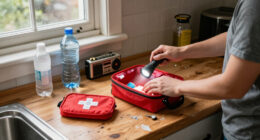
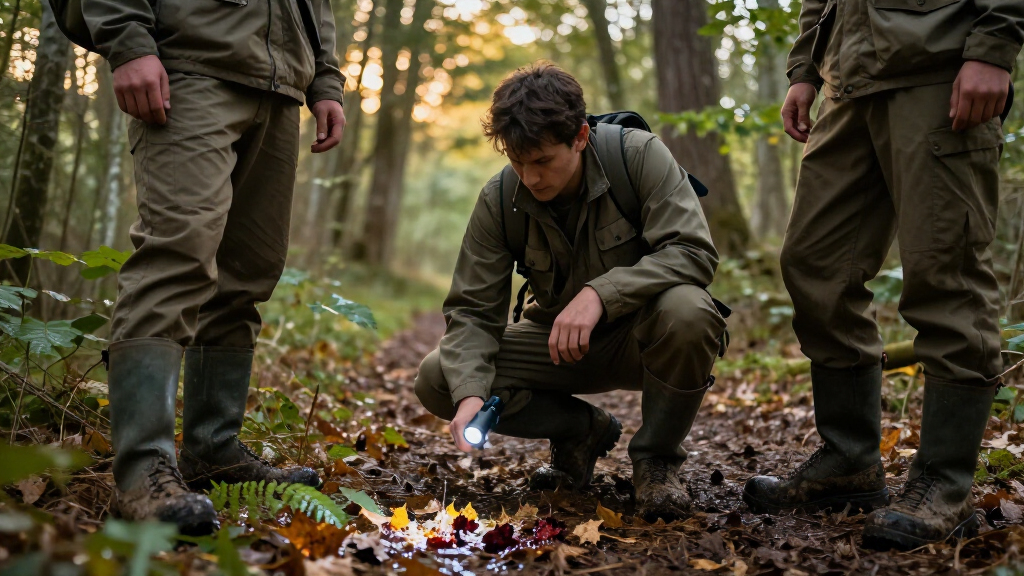
At the site, hunters should examine blood, hair and other evidence, including an arrow if one was used, and interpret those clues alongside what they saw at the shot. The article describes bubbly, frothy blood as commonly associated with a lung hit, while stressing that signs need to be evaluated together. Suggested supplies include a headlamp, bright flashlight, spare batteries, flagging tape, tissue paper and a mapping app. It also recommends saving contact details for local tracking-dog handlers or drone-recovery teams where their use is legal.
Careful Tracking Can Aid Recovery
Following a wounded animal is a core part of responsible hunting, and a rushed approach can make an already difficult recovery harder. The guide’s emphasis on careful observation and preserving the trail gives hunters a practical way to avoid losing track of the hit site or overlooking evidence.
Its advice also addresses uncertainty: neither a deer’s behavior nor one blood pattern establishes the exact wound. Hunters need to combine what they observed with physical sign and make decisions cautiously. In difficult cases, a trained tracking dog may help locate an animal, subject to local rules and availability.
As an affiliate, we earn on qualifying purchases.
The Tracking Starts at the Shot
The report frames recovery as a process that starts when the shot is taken and ends only when the hunter finds the deer or stops searching. Its guidance is intended for both bowhunters and firearm hunters, while recognizing that details can differ by equipment and circumstances.
Outdoor Life notes that some trails are easy to follow, while others require sustained attention or help from a specialist. The supplied portion of the article covers preparation, interpreting a deer’s reaction, locating the hit site and examining initial evidence; it does not provide a full account of every blood pattern or waiting interval.
“Tracking a deer starts as soon as you pull the trigger.”
— Outdoor Life
As an affiliate, we earn on qualifying purchases.
Hit Signs Are Not Definitive
The report says terminal ballistics and deer reactions are unpredictable; the described behaviors and blood characteristics are clues, not proof of a particular wound. The provided source text ends during its discussion of blood at the hit site, so it does not establish a complete set of sign interpretations or give a definitive wait time before tracking.
It also does not identify one recovery method that fits every situation. The right response can depend on the suspected hit, the terrain, available light and local rules. The legality and availability of thermal devices, drones and tracking dogs vary, and the article does not specify rules for individual locations.
As an affiliate, we earn on qualifying purchases.
Inspect Sign Before Proceeding
Hunters following the guide should first return to the suspected hit site using remembered landmarks or measured distances, then assess all available sign before deciding how to continue. Marking evidence and the route can help prevent confusion as the search progresses, while a flashlight and spare batteries are useful when daylight fades.
If the trail becomes difficult, the report advises having a local blood-dog tracker’s contact information ready in advance and considering other recovery assistance only where legal. The source does not announce a formal follow-up or a new policy; its immediate takeaway is practical preparation and a careful assessment of the evidence.
As an affiliate, we earn on qualifying purchases.
Key Questions
What should a hunter do immediately after shooting at a deer?
Observe how the deer reacts and note the last place it was seen. Before leaving an elevated stand or blind, identify landmarks and, where useful, range the hit site so it can be found again.
Does a deer’s reaction prove where it was hit?
No. Outdoor Life describes reactions such as a mule kick, fast run, hunched back or tucked tail as possible clues, but says deer responses vary. A lack of obvious reaction does not rule out a hit.
What equipment does the guide recommend?
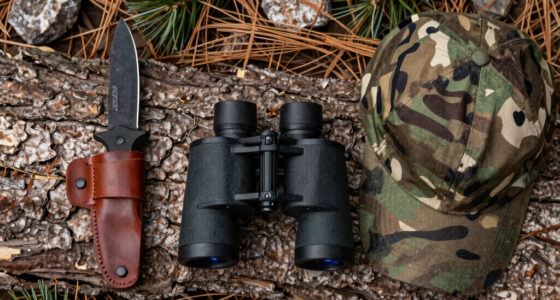
Suggested items include a headlamp, bright flashlight and spare batteries, along with flagging tape or tissue paper and a mapping app. The report also mentions hydrogen peroxide, binoculars and, where legal, thermal equipment.
When should a hunter call a tracking-dog handler?
The article recommends saving local handler contact information ahead of time for difficult trails. It does not set a universal point for calling one; availability and local rules can affect recovery options.
Source: rss
Halloween Picks
halloween
As an affiliate, we earn on qualifying purchases.