TL;DR
An Outdoor Life report published Oct. 26, 2026, recounts a snowshoe hare hunt with beagles in northern Michigan and describes the tactics hunters use to anticipate the animals. The story also explains that hare populations depend heavily on young forest cover; it does not provide new population data or announce a change in hunting rules.
Outdoor Life published an account of a snowshoe hare hunt with beagles in northern Michigan, describing how hunters positioned themselves along a fire lane as the dogs followed hare scent through winter cover. The report also outlines how forest age and understory habitat affect where hares can thrive, a useful consideration for hunters and wildlife watchers. It is a reported hunting story, not an announcement of new regulations or a current population survey.

Get emergency and outdoor gear delivered free with Prime
- Fast, free delivery on millions of items
- Prime Video, Amazon Music and more included
- Member-only deals all year
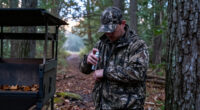
The account describes a four-person hunting party that set up near young jack-pine woods and a cedar swamp. Hunters spread out along the opening and listened for the dogs’ changing calls to judge whether a hare was circling toward them. The writer recounts missing opportunities when moving too far from a position or failing to react quickly enough; other members of the party got shots at hares.
The report identifies the animals as snowshoe hares, also called varying hares, and says their winter coats turn white. It gives an average length of 14 to 15 inches and an average weight of 3.5 to four pounds. The article says the species’ range includes northern U.S. states, Canada and Alaska, as well as some mountainous areas farther south. It reports that 20 states have hunting seasons, but does not list those states or provide season dates.
Habitat is a central point in the article. Ben Tullar, a wildlife biologist with the New York Department of Environmental Conservation, says young conifer growth can provide suitable food and cover, while a maturing forest with less understory may no longer support huntable hare numbers. The report describes population changes as linked to habitat availability and natural population swings, without giving a current count or a region-wide trend.
Young Forests Shape Hare Habitat
The report connects a recreational winter hunt with a broader wildlife-management issue: snowshoe hares rely on suitable cover, and that cover can change as forests grow. For hunters, the point is practical: knowing the landscape and where young conifers and dense understory remain can help explain where hares may be found. For readers outside hunting, it illustrates how forest succession can affect a species that also serves as prey for predators.
The article says hawks, owls, foxes and coyotes feed on snowshoe hares, and it characterizes human hunting as having little effect on hare populations. Those are claims in the source report, not a new population assessment. The piece does not quantify the effects of hunting or offer data comparing hunted and unhunted areas.
Popular right now

Dyson Ball Animal 2 Upright Corded Vacuum Cleaner, Fuchsia

Samsung 55-Inch M80H Series 4K Mini LED Smart TV (2026 Model)

De'Longhi Classic Signature Espresso Machine
As an affiliate, we earn on qualifying purchases.
How Cover Changes Over Time
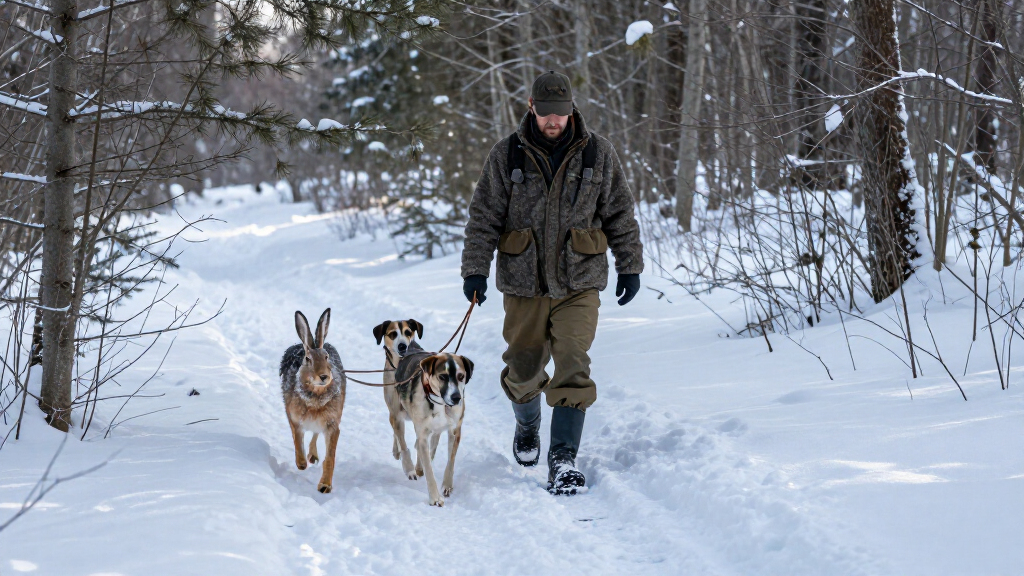
The hunting scene took place in February in northern Michigan, where the party used beagles to follow scent through snow-covered woods. The method relies on dogs to keep a hare moving through a circuit while hunters listen and try to anticipate where it will cross an opening. The account emphasizes that the route can change and that a hunter’s position may be wrong even when the dogs are close.
Tullar’s New York example provides the habitat context. He says an abandoned pasture may develop into conifer cover that supports huntable hare numbers for a period, before hardwoods overtake those trees and reduce the understory. He estimates that, in the example he gives, a pasture may support a huntable population after five to 15 years, for another five to 15 years. That timeline is specific to the example and should not be treated as a universal schedule for all forests.
“For example, after a period of only 5 to 15 years, an abandoned pasture can support a huntable hare population for another 5 to 15 years.”
— Ben Tullar, wildlife biologist with the New York Department of Environmental Conservation, as quoted by Outdoor Life
No Current Hare Count Provided
The report does not provide recent population figures, a formal estimate of hare abundance in northern Michigan, or evidence that numbers in the region are currently rising or falling. Its discussion of population swings and habitat is general, and Tullar’s example concerns abandoned farmland in northern New York rather than a survey of the Michigan hunt area.
The article also does not specify which states have hare seasons, their dates, bag limits or current rules. Readers should check the relevant state wildlife agency for regulations before hunting. The report’s account of one outing does not establish how common the experience or the described habitat conditions are across the species’ range.
Check Local Seasons and Habitat
The source report does not announce a follow-up study, policy decision or scheduled update. The next practical step for anyone considering a hunt is to consult current state hunting regulations and local wildlife information, since season dates and rules vary by jurisdiction. Habitat conditions also differ by location, so the article’s New York example should not be applied automatically to other forests.
Further population assessments or agency guidance would be needed to establish current hare numbers and local trends. Until such information is provided, the account is best read as a description of a traditional hunting method and an explanation of habitat factors, not as a new status report on snowshoe hare populations.
Key Questions
What happened in the report?
Outdoor Life published a first-person account of a snowshoe hare hunt with beagles in northern Michigan, describing how hunters listened for the dogs and tried to anticipate where hares would cross.
When did the hunt take place?
The article says the hunt occurred the previous February. The report itself was published Oct. 26, 2026.
What habitat supports snowshoe hares?
The report says hares can benefit from young conifer growth and dense understory, which provide food and shelter. As forests mature and understory vegetation declines, conditions may become less suitable.
Does the article give current population numbers?
No. It discusses population swings and habitat effects but provides no current count or regional trend for snowshoe hares.
Where can hunters check season rules?
The report does not list state-specific season dates or limits. Hunters should consult the wildlife agency in the state where they plan to hunt for current regulations.
Source: outdoorlife.com