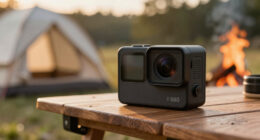
To wildlife-proof your campsite, consider using tech tools like ultrasonic repellers and motion-activated lights to deter animals. Keep your campsite clean and store food securely in bear-proof containers or hang it at least 10-15 feet off the ground to reduce scent attractants. Combining these strategies with good waste management will help prevent wildlife from becoming habituated. If you want to learn more about effective wildlife-proofing techniques, keep exploring how technology can help you stay safe and respectful in nature.
Key Takeaways
- Use ultrasonic animal repellents and motion-activated lights to deter wildlife from approaching your campsite.
- Deploy noise makers and alarms to startle and discourage animal presence near sleeping areas.
- Utilize animal-proof containers and secure hanging systems to prevent animals from accessing food and supplies.
- Install scent-masking sprays or technology to reduce odors that attract wildlife.
- Combine multiple tech solutions with proper food storage and campsite cleanliness for maximum effectiveness.

Camping in the wild is a rewarding experience, but it also comes with the responsibility of keeping both your belongings and yourself safe from curious or hungry wildlife. One of the most important aspects of wildlife-proofing your campsite is understanding and practicing good camping safety, especially when it comes to food storage techniques. Animals are naturally attracted to food smells, and if you leave your supplies unsecured, you risk attracting bears, raccoons, or even smaller critters like squirrels and mice. Proper food storage not only protects your food but also prevents dangerous encounters that could spoil your trip or put you in harm’s way.
Start by choosing a designated food storage area away from your tent and sleeping zone. Using bear-proof containers or lockers, if available, is highly effective. These containers are designed to withstand attempts by animals to access your food, reducing the risk of break-ins. If such equipment isn’t available, consider hanging your food at least 10-15 feet off the ground and 4-6 feet away from tree trunks. Use a secure rope or a dedicated hanging system to keep your food out of reach. This method, known as food hanging, remains an essential food storage technique because it minimizes scent trails and discourages animals from climbing or reaching into your supplies.
In addition to properly storing food, keep your campsite clean and free of food scraps or wrappers. Store trash securely, ideally in animal-proof containers, and dispose of waste regularly. Never leave food unattended or in your tent; animals can easily smell it and be drawn inside. Be mindful of any scented toiletries or cooking supplies, as they can also attract wildlife. When cooking, do so at a safe distance from your sleeping area, and clean up thoroughly afterward, ensuring no crumbs or spills remain. Recognizing the importance of wildlife awareness can greatly enhance your safety and success in outdoor camping.
Investing in wildlife deterrents like ultrasonic devices, motion-activated lights, or noise makers can add an extra layer of protection. These tech tools can startle or deter animals before they reach your campsite, reinforcing your food storage techniques and camping safety measures. Remember, the goal isn’t just to keep animals out but to avoid habituating them to human food, which can lead to dangerous conflicts or dependency on human sources. By combining smart food storage techniques with other wildlife-proofing strategies, you create a safer, more enjoyable outdoor experience. Staying vigilant and prepared helps ensure that you and nature can coexist peacefully during your adventure.

2 Pack 2026 Ultrasonic Animal Repellent Outdoor Deer Repellent Devices Solar Animal Repeller Motion Activated Deterrent to Scare Cat Squirrel Rabbit Raccoon Skunk with LED Flash Lights for Yard Lawns
【New Version Upgrade in 2026】This ultrasonic mouse repellent features state of the art ultrasonic technology which creates a…
As an affiliate, we earn on qualifying purchases.
As an affiliate, we earn on qualifying purchases.
Frequently Asked Questions
What Is the Most Effective Wildlife-Proofing Device for Small Animals?
The most effective wildlife-proofing device for small animals is a combination of wildlife sensors and animal deterrents. You should install motion-activated wildlife sensors around your campsite to detect movement early. When triggered, they activate animal deterrents like ultrasonic sound devices or flashing lights, scaring critters away. This proactive approach helps protect your food and gear while keeping small animals at bay without harming them.
How Often Should Campsite Food Storage Be Checked for Safety?
A stitch in time saves nine, so you should check your campsite food storage daily to guarantee safety. Regular food storage inspections help prevent wildlife encounters and keep your campsite safe. Make it a habit to double-check containers for leaks or signs of intrusion, especially before nightfall. Consistent campsite safety checks not only protect your food but also preserve the natural environment and ensure a more enjoyable, worry-free camping experience.
Are There Eco-Friendly Methods to Deter Wildlife Without Harm?
Yes, you can deter wildlife eco-friendly by using natural deterrents like hanging human hair or using strong-smelling plants such as mint or garlic around your campsite. Biodegradable solutions like citronella candles or natural repellents also work well without harming animals. These methods keep critters at bay while respecting nature, ensuring your camping experience stays safe and eco-conscious. Remember, humane deterrents are both effective and environmentally friendly.
Can Wildlife-Proofing Measures Be Used in All Types of Camping Environments?
Can wildlife-proofing measures be used in all camping environments? Absolutely. Think of your campsite as a blank canvas—you adapt your wildlife-proofing tools to suit each setting’s unique challenges. Whether you’re in dense forests, open plains, or mountainous terrain, these measures offer flexible solutions. Your camping adaptability and environment considerations guide you to choose the right tech, ensuring safety and harmony with nature, no matter where you set up.
What Are the Signs That Critters Have Entered Your Campsite?
You’ll notice signs critters have entered your campsite through scent trails leading to food or trash. Look for disturbed surroundings, such as overturned items, chewed gear, or nests. Scratched or pawed ground, droppings, and unusual noises also signal their presence. Staying alert to these signs helps you act quickly to protect your food and belongings, ensuring a safer, critter-free camping experience.

Thumok Motion Sensor Outdoor Lights with Flexible Octopus Tripod – 600LM Solar Sercurity Lights Waterproof, Dual Charging Solar Ourdoor Light for Camping,Fence, Patio (2, Black(6000K)
Flexible Octopus Tripod. Wrap & Secure: Bendable legs grip trees/fences/poles without tools – perfect for uneven surfaces as…
As an affiliate, we earn on qualifying purchases.
As an affiliate, we earn on qualifying purchases.
Conclusion
Think of your campsite as a castle, and the wildlife as clever invaders trying to breach your walls. With these tech tools, you become the vigilant guardian, keeping your fortress secure. Just like a moat and drawbridge deter intruders, your wildlife-proofing measures create an invisible barrier, allowing you to enjoy nature’s beauty without unwanted visitors. Stay prepared, stay protected, and turn your campsite into a safe haven where you hold the advantage.

BearVault BV500 Journey Bear Resistant Food Container – Extra Large
Every ounce matters! The BV500 excels as a high volume, lightweight bear barrel for backpacking. The most spacious…
As an affiliate, we earn on qualifying purchases.
As an affiliate, we earn on qualifying purchases.
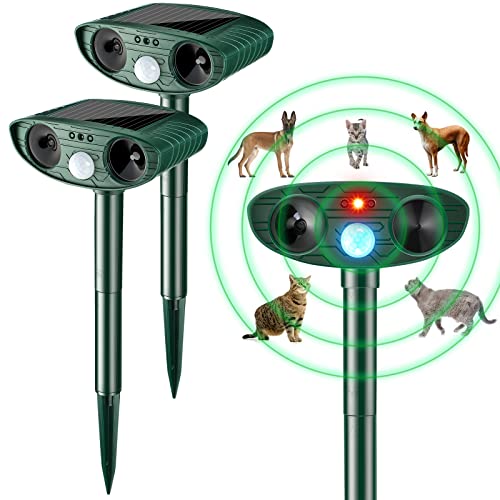
Kittmip Ultrasonic Animal Repellent Outdoor Solar Powered Repeller Deterrent Waterproof Motion Sensor Animal Deterrent (2, Green)
Gradual Behavior Conditioning: Please note that this ultrasonic animal repellers is a long-term behavioral training tool. It may…
As an affiliate, we earn on qualifying purchases.
As an affiliate, we earn on qualifying purchases.