TL;DR

Get emergency and outdoor gear delivered free with Prime
- Fast, free delivery on millions of items
- Prime Video, Amazon Music and more included
- Member-only deals all year
Outdoor Life’s Nov. 7 report examines whether hunters should pass does during the whitetail rut or harvest them. National Deer Association communications chief Lindsay Thomas Jr. says a doe on the ground can attract bucks, while antlerless harvest may help reduce deer density and improve forage availability; results depend on the hunt, conditions and local management goals.
Hunters need not automatically pass does during the whitetail rut, according to advice in an Outdoor Life report published Nov. 7, 2026: National Deer Association communications chief Lindsay Thomas Jr. says a doe on the ground can draw bucks, while harvesting does may also help meet property management goals. The approach is a hunting tactic, not a guaranteed way to bring in a buck, and hunters still need to make an ethical shot and recover the animal.
The report describes a long-running disagreement among hunters. Some pass does because a live doe might attract a buck as she moves through the area or later comes into estrus. Others prefer to harvest a doe, reasoning that her presence and scent after the shot may prompt bucks to investigate. Thomas favors the latter approach, calling a doe on the ground the strongest attractant in his experience. That assessment is his view, not a measured comparison of hunting methods. Hunters planning where to set up can also consider these spots to hunt during the rut.
Thomas says the behavior is consistent with how bucks tend estrus does. A doe may bed down while waiting to breed, he explains, so a doe lying on the ground can appear natural to a buck during the rut. The report also recounts an author’s experience: after a doe was shot about 40 yards from a stand, two smaller bucks came to investigate roughly an hour later. That anecdote does not establish how often the tactic works or predict results for other hunts.
Placement and recovery matter. A wounded doe may run before falling, and the report notes deer can travel up to 100 yards after being shot, particularly when bowhunting. A carcass outside the hunter’s sight may be less useful for observing an approaching buck. Thomas cautions against leaving a stand for an extended blood trail or walking around the area; if the doe is located quickly and can be moved without substantial disturbance, bringing her into view may help. Hunters must prioritize recovery and follow local tagging rules.
Balancing Rut Tactics and Herd Goals
The advice matters to hunters carrying antlerless tags who are deciding whether to pass a doe in hopes of seeing a buck. Harvesting one may create an opportunity to observe bucks investigating the area, but it also means taking an animal and dealing with recovery, meat care and local regulations. The report does not present the tactic as a substitute for sound shot selection or as a reliable way to produce a buck encounter.
Doe harvest has a separate management rationale. Thomas says reducing deer density can leave more forage available for the remaining herd, a consideration as winter approaches. The report states that an adult doe consumes about 6 to 10 pounds of forage per day; this is a daily estimate, not a measure of the effect of any single harvest. Whether a harvest is appropriate depends on a property’s deer population and management objectives.
Popular right now

KitchenAid Artisan Series 5-Quart Tilt-Head Stand Mixer with Pouring Shield, Cherry Tomato

De'Longhi COM630BK All-in-One Coffee and Espresso Machine
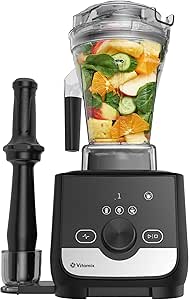
Vitamix Ascent X3 Professional-Grade Blender, 48 oz, Shadow Black
As an affiliate, we earn on qualifying purchases.
Why Hunters Disagree on Does
Outdoor Life framed the question around a familiar rut-season choice: keep waiting for a mature buck, or use an available doe tag. The report says the National Deer Association has advocated harvesting does early in the season to meet property management goals, while arguing that a rut-period harvest can also contribute. The article does not identify a particular property, herd count or management plan that would make a doe harvest necessary everywhere.
Thomas links better buck production to age, nutrition and genetics, saying hunters can directly manage age and nutrition. Lowering deer density, he says, can increase forage available to other deer. That is the expert’s management explanation; the report supplies no site-specific data quantifying how much a particular harvest changes nutrition or future buck quality.
“Walking all around that area is a ‘no’ for me.”
— Lindsay Thomas Jr., as quoted by Outdoor Life
Results Depend on the Hunt
The report offers personal experience and expert interpretation, but no controlled data on how often a harvested doe attracts bucks, how far they may travel, or whether the tactic outperforms passing a live doe. Thomas’s view that a doe on the ground is an effective attractant should not be read as a guarantee. Outcomes can depend on conditions, deer behavior, shot placement and where the animal falls.
The report also gives no local population data to establish whether additional doe harvest is appropriate for a given property. Season dates, tag limits and carcass-handling requirements vary by jurisdiction. Hunters should consult current wildlife agency rules and account for temperature: the article advises using the tactic only on cold days when meat can remain safe while the hunter continues the sit.
Check Local Rules and Conditions
Hunters considering a doe harvest should first confirm that their tag, season and location allow it, then decide whether it fits their property’s management goals. They should choose a shot that allows an ethical recovery, tag the first animal as required, and avoid leaving meat exposed to conditions that could spoil it. Any decision to move a carcass closer to a stand should be weighed against the risk of disturbing the area or delaying recovery.
The report does not announce a new regulation or change in hunting policy. Its immediate takeaway is a set of tactical and management considerations; the practical choice remains with each hunter, subject to local rules, safe meat handling and responsible recovery.
Key Questions
Can harvesting a doe during the rut attract bucks?
It may. National Deer Association communications chief Lindsay Thomas Jr. says bucks may investigate a doe on the ground, but the report offers no data establishing how often this happens.
Why do some hunters pass does during the rut?
Some hunters believe a live doe may lead a buck past their stand or attract one when she comes into estrus. Others prefer to harvest a doe and see whether bucks investigate.
Should a hunter move a harvested doe closer to a stand?
Thomas says moving a doe may be worthwhile if she is located quickly and can be moved without a lengthy search or extensive disturbance. Recovery and ethical handling come first, and local tagging rules apply.
How can doe harvest support deer management?
Thomas says reducing deer density can leave more forage for remaining deer. Whether a harvest supports a particular herd depends on local conditions and management goals.
Is the tactic appropriate in warm weather?
The report advises using the tactic only on cold days when the meat will not spoil during a continued hunt. Hunters should follow local food-safety guidance and prioritize prompt recovery and care of the animal.
Source: outdoorlife.com