
TL;DR

Get emergency and outdoor gear delivered free with Prime
- Fast, free delivery on millions of items
- Prime Video, Amazon Music and more included
- Member-only deals all year
Trail crews in Colorado are removing accumulated human waste from Blue Lakes Trail, a popular hiking destination, following increased visitor impacts. New regulations aim to reduce waste in the future, but cleanup efforts are ongoing.
Colorado trail crews are actively removing years of accumulated human waste from Blue Lakes Trail, a popular destination near Ouray, following a surge in visitors and environmental concerns.
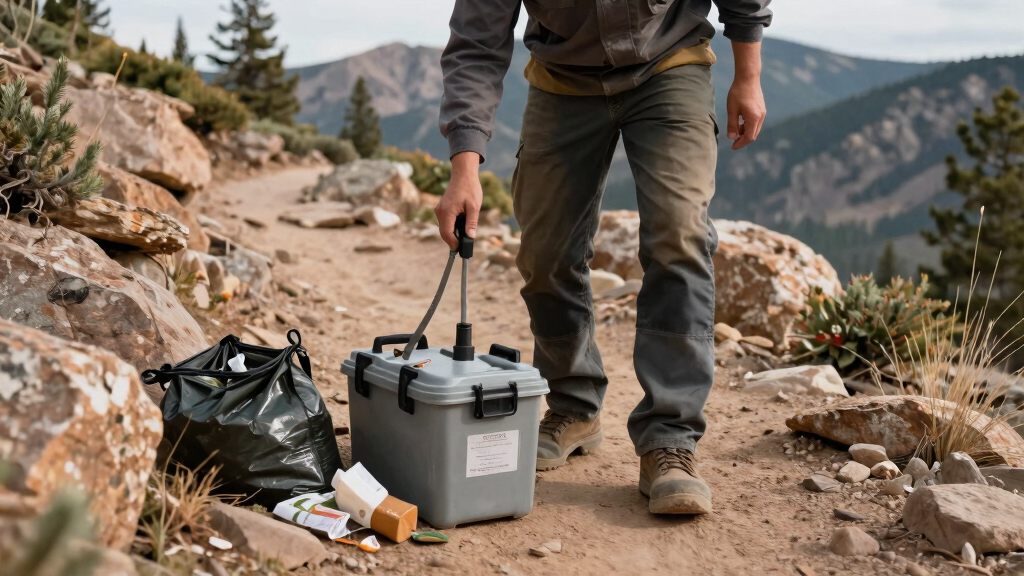
Trailworkers with the National Forest Foundation (NFF) are clearing out built-up human feces at Blue Lakes Trail, which is about an hour north of Telluride. This effort is in response to reports of widespread waste left by hikers, which has contaminated the environment and posed health risks.
The U.S. Forest Service (USFS) implemented new regulations on May 31 requiring visitors to pack out all human waste, limit group sizes to six, and ban camping at two of the three main lakes. Despite these measures, the cleanup is still underway, as volunteers work to remove semi-decomposed waste accumulated over years.
Why It Matters
This matter is significant because the environmental impact of human waste at Blue Lakes affects water quality, local wildlife, and ecosystem health. The contamination risks include the spread of bacteria like E. coli and potential ingestion of waste by wildlife, which could disrupt local animal populations.
Additionally, the cleanup highlights the challenges of managing high-traffic natural areas and balancing public access with conservation efforts. The situation underscores the importance of responsible outdoor recreation and environmental stewardship.
Top picks for "colorado crew clean"
As an affiliate, we earn on qualifying purchases.
Background
Blue Lakes Trail, a popular 8.7-mile hike leading to three turquoise alpine lakes, draws over 35,000 visitors annually. Increased visitation has led to resource degradation, including trail erosion, soil compaction, and significant waste accumulation. The trail’s popularity surged in recent years, prompting new regulations aimed at reducing human impact.
Previous issues with waste disposal prompted the USFS and conservation groups to take action, including banning campsites at two lakes and requiring waste pack-out. The current cleanup effort is the result of months or possibly years of waste buildup, as trailworkers address the environmental damage caused by high visitor numbers.
“We thought, ‘Oh yeah, there might be a little bit of human waste,’ then we got here, and it’s just all over the place.”
— a volunteer from the Southwest Conservation Corps
“It’s an abundance of human shit.”
— another volunteer on TikTok
What Remains Unclear
It is not yet clear how much waste remains to be removed or how long the cleanup will take. The effectiveness of the new regulations in reducing future waste generation is also still to be evaluated, and the long-term ecological impacts are ongoing to be assessed.
What’s Next
Next steps include continued cleanup efforts, monitoring the impact of new regulations, and possibly expanding educational outreach to visitors about responsible waste disposal. Authorities may also review enforcement and consider additional measures if waste issues persist.
Key Questions
How much waste has been accumulated at Blue Lakes?
While precise quantities are not specified, reports describe the waste as extensive, covering multiple sites and including semi-decomposed feces over years of high visitation.
What regulations have been introduced to prevent future waste problems?
Visitors are now required to pack out all human waste, group sizes are limited to six, and camping at two of the three lakes is banned.
Are these cleanup efforts expected to restore the environment?
The cleanup aims to remove existing waste and reduce health risks, but ecological recovery will depend on ongoing management and visitor behavior.
Will visitor access be restricted further?
Current regulations focus on waste management and group size limits; additional restrictions are not yet announced but could be considered if problems persist.
Source: Outside
Halloween Picks
halloween
As an affiliate, we earn on qualifying purchases.