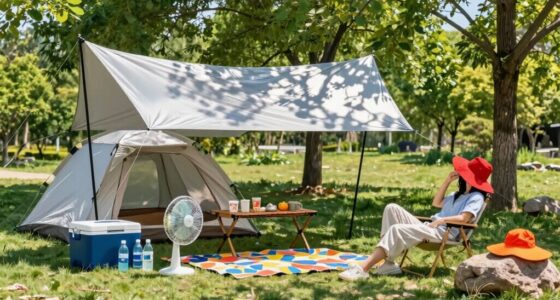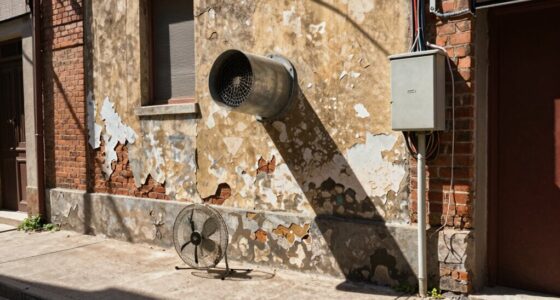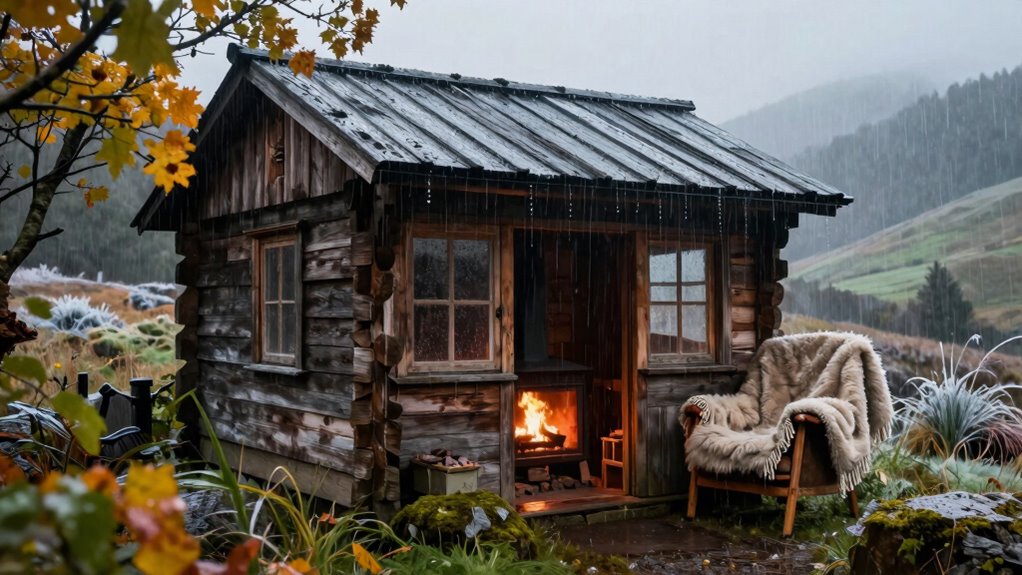

Choosing better shelter options helps you stay safe and comfortable in extreme weather. Good shelters protect you from excessive heat, cold, and rain by offering proper insulation, waterproofing, and ventilation. They prevent health risks caused by temperature extremes and humidity, keeping you dry, warm, or cool as needed. Well-designed shelters also adapt to changing weather conditions, making your environment more resilient. Keep exploring to discover how the right shelter can truly make a difference in tough weather situations.
Key Takeaways
- Proper shelter provides protection from extreme weather, ensuring safety and comfort in heat, cold, and rain.
- Good ventilation prevents heat buildup in hot weather and reduces humidity inside shelters.
- Effective insulation maintains warm temperatures during cold weather, trapping heat efficiently.
- Waterproofing keeps interiors dry during rain, preventing water damage and mold growth.
- Combining insulation and ventilation allows adaptable shelter conditions for varied weather patterns.

Have you ever wondered how to stay safe and comfortable when the weather changes unexpectedly? Your shelter plays a vital role in keeping you protected from the elements, whether it’s scorching heat, freezing cold, or relentless rain. Choosing the right shelter involves understanding how ventilation options and insulation materials work together to create a safe, comfortable space. When the temperature rises, proper ventilation becomes your best friend. It allows hot air to escape and fresh air to circulate, preventing the buildup of heat and humidity inside your shelter. Without adequate ventilation, you risk feeling overheated, sweaty, and uncomfortable, which can lead to health issues over time. On the other hand, in cold weather, insulation materials are indispensable. They trap body heat and prevent it from escaping, helping you stay warm even when temperatures drop well below freezing. Materials like foam, fiberglass, or natural insulations such as wool or down are excellent choices because they retain heat efficiently. Combining good insulation with a well-ventilated shelter ensures you don’t feel stuffy or suffocated, which can happen if the space is too airtight. When rain starts pouring, the focus shifts to waterproofing and proper airflow. A shelter that’s waterproof keeps you dry and prevents water from seeping in, but it also needs some ventilation options to prevent condensation buildup. Too little airflow can cause moisture to accumulate inside, leading to mold and a damp, uncomfortable environment. A well-designed shelter balances waterproof features with ventilation to keep the interior dry and fresh. It’s also important to think about how insulation materials and ventilation options interact; an overly insulated space with poor ventilation can become stuffy and humid, while insufficient insulation makes it difficult to retain heat or stay cool as needed. The key lies in selecting versatile insulation materials that work well with your ventilation system, adapting to changing weather conditions. For example, adjustable vents or windows allow you to control airflow based on the weather, enhancing comfort and safety. Understanding how ventilation options and insulation materials work together helps you create a shelter that is adaptable and resilient. Properly managing airflow and insulation is essential for maintaining a healthy indoor environment. When you understand these elements, you can make smarter choices about your shelter, guaranteeing it withstands the challenges of different weather patterns. Better shelter choices don’t just keep you dry or warm—they help you stay healthy and comfortable no matter what Mother Nature throws your way. Whether it’s opening a vent on a hot day or adding extra insulation during a cold snap, your awareness of ventilation options and insulation materials empowers you to adapt quickly. In addition, selecting appropriate insulation can significantly improve energy efficiency and comfort. Understanding the importance of weather-adaptable shelter features can help you design a space that responds effectively to changing conditions. Using insulation materials that are suitable for different weather conditions enhances the overall effectiveness of your shelter. By prioritizing these features, you’re not just building a shelter—you’re creating a resilient space that safeguards your well-being year-round.
As an affiliate, we earn on qualifying purchases.
Frequently Asked Questions
How Do Shelter Choices Impact Long-Term Health?
Your shelter choices greatly impact your long-term health by influencing mental health and community resilience. A well-built, safe shelter reduces stress and anxiety caused by harsh weather, fostering better mental health. Additionally, strong shelter options strengthen community bonds, creating a resilient environment that supports everyone during difficult times. When you prioritize quality shelter, you promote physical safety and emotional well-being, leading to healthier, more resilient communities over time.
What Are Cost-Effective Shelter Options for Extreme Weather?
You should consider cost-effective shelter options like temporary structures made from eco-friendly materials. These structures are affordable, easy to set up, and adaptable for extreme weather conditions. Using sustainable materials not only reduces costs but also minimizes environmental impact. By choosing these options, you can stay protected from heat, cold, and rain without overspending, ensuring safety and comfort during harsh weather events.
How Do Shelter Materials Affect Insulation and Durability?
Shelter materials directly impact your home’s insulation efficiency and material longevity. Using materials like insulated panels or weather-resistant fabrics helps keep your shelter warm in cold weather and cool in heat, while also resisting wear and tear over time. Durable materials like treated wood or metal extend your shelter’s lifespan, ensuring it withstands rain, wind, and extreme conditions. Choosing the right materials makes your shelter more resilient and energy-efficient for years to come.
Can Shelter Design Reduce Energy Consumption?
You can ensure a substantial reduction in energy consumption through smart shelter design by enhancing insulation efficiency and optimizing ventilation design. While some might think these features are costly, investing in proper insulation minimizes heating and cooling needs, saving money long-term. Well-designed ventilation ensures fresh air circulation without losing heat, maintaining comfort efficiently. By focusing on these elements, you create a sustainable shelter that lowers energy bills and environmental impact.
What Are the Best Shelter Options for Vulnerable Populations?
You should consider temporary housing options like portable shelters or modular units, which offer quick, adaptable protection during emergencies. Community centers also serve as essential safe spaces, providing warmth, shade, and resources for vulnerable populations. These options guarantee safety and comfort, helping people withstand extreme weather conditions. By choosing flexible temporary housing and utilizing community centers, you support those most at risk, offering reliable shelter when they need it most.
As an affiliate, we earn on qualifying purchases.
Conclusion
Choosing the right shelter can make all the difference in extreme weather. For example, a sturdy, insulated home can keep you warm in winter and cool in summer, reducing energy costs. Did you know that proper shelter can lower heat-related illnesses by up to 50%? By making smarter shelter choices, you protect yourself from the dangers of heat, cold, and rain, ensuring your safety and comfort no matter the season. Stay prepared—your shelter is your best defense.
portable ventilation fan for tents
As an affiliate, we earn on qualifying purchases.
As an affiliate, we earn on qualifying purchases.
weather-resistant survival shelter
As an affiliate, we earn on qualifying purchases.
As an affiliate, we earn on qualifying purchases.