
When batteries run out, you can generate power manually with pedal or hand-powered systems. By building simple generators using bikes, hand cranks, or small motors, you can produce electricity for devices or charging batteries. Using gear ratios, steady effort, and efficient wiring improves output. If you want to learn how to set up and optimize these systems for reliable backup power, discover more about DIY energy solutions designed for sustainability and independence.

Get emergency and outdoor gear delivered free with Prime
- Fast, free delivery on millions of items
- Prime Video, Amazon Music and more included
- Member-only deals all year
Key Takeaways
- Build a pedal or hand-crank generator using small DC motors or dynamos for manual energy conversion.
- Connect generators to batteries or capacitors for storing energy for later use.
- Use inverters to convert stored DC energy into AC household electricity.
- Incorporate gear systems and ergonomic designs to maximize efficiency and reduce user fatigue.
- Ensure safety with proper wiring, voltage regulation, and regular system maintenance during manual power generation.
As an affiliate, we earn on qualifying purchases.
Understanding How Pedal and Hand Power Generate Electricity
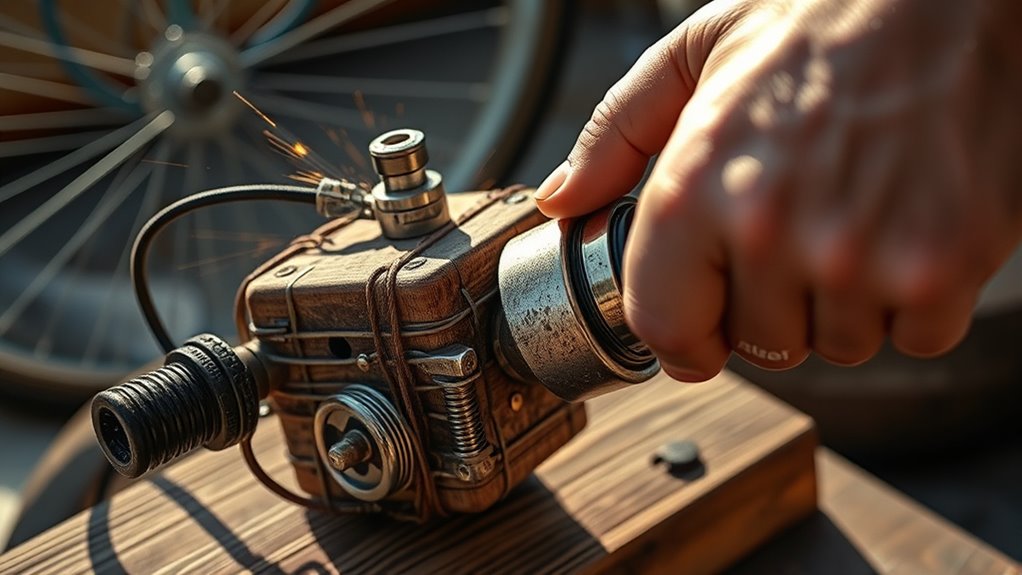
When you pedal a bike or turn a hand crank, you’re converting mechanical energy into electrical energy. Your motion creates kinetic energy, which drives a small generator or dynamo. This process relies on mechanical advantage, making it easier to turn the crank or pedal with less effort while maximizing energy transfer. As you apply force, your muscles’ kinetic energy spins the generator’s rotor, producing electrical current. The more efficiently you harness this energy, the more power you generate. By understanding how your physical effort translates into electrical energy, you can better optimize your DIY pedal or hand-powered systems. Incorporating Free Floating principles can help enhance system efficiency and sustainability. Utilizing mechanical-to-electrical conversion techniques allows for a more effective transfer of human effort into usable power. This simple yet effective method turns human motion into usable electricity, especially useful when batteries are depleted or during off-grid situations.
As an affiliate, we earn on qualifying purchases.
Basic Components Needed for DIY Pedal-Powered Generators
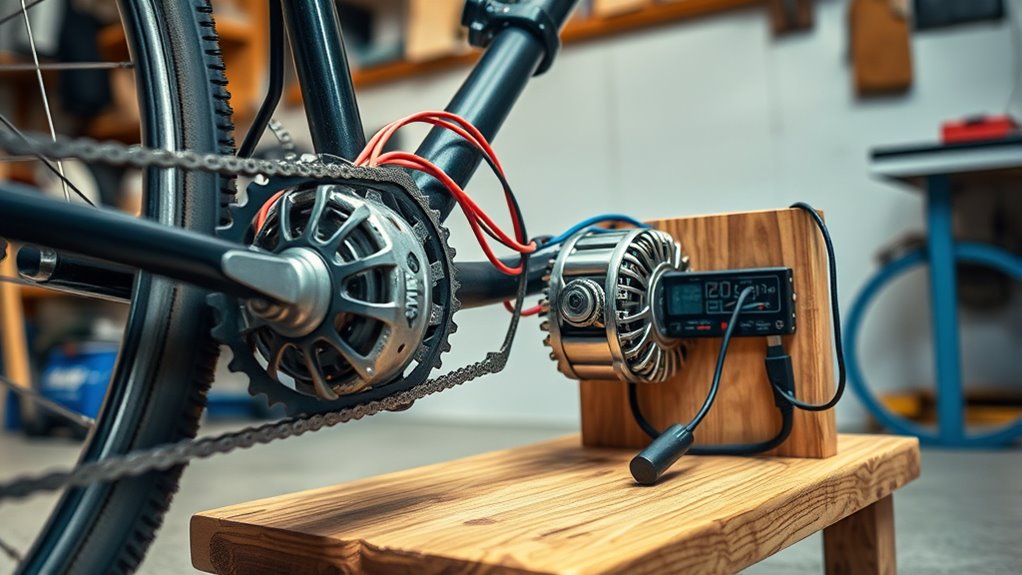
Building a DIY pedal-powered generator requires a few key components that work together to convert your physical effort into electricity. First, you’ll need a suitable generator or alternator, which produces electrical current when spun. The output connects to a power inverter, transforming raw AC or DC into usable household electricity. To store energy, include a battery bank, where understanding battery chemistry is essential for safety and efficiency; lead-acid and lithium-ion are common options. The battery stores the generated power, allowing you to use it later. You’ll also need wiring, switches, and voltage regulators to control and protect the system. These components guarantee your pedal power setup delivers stable, reliable electricity, making your DIY project functional and safe for powering small devices or charging batteries. Additionally, considering energy efficiency can help maximize the amount of power generated and stored during your efforts. Proper system design ensures optimal performance and safety during operation, and incorporating power management techniques can further enhance energy conservation and system longevity. Incorporating system monitoring can also help you track performance and identify potential issues early.
small DC motor generator for DIY
As an affiliate, we earn on qualifying purchases.
As an affiliate, we earn on qualifying purchases.
Building a Simple Hand-Crank Generator at Home

Creating a simple hand-crank generator at home is an accessible project that requires just a few basic materials. By turning the crank, you convert your kinetic energy into electrical energy, harnessing renewable resources directly. To build yours, follow these steps:
- Attach a small DC motor to a sturdy handle or crank.
- Connect the motor terminals to a rectifier or LED to visualize power.
- Secure the setup on a stable base, ensuring smooth rotation.
- Use gears or pulleys to optimize energy transfer and increase output.
- Understanding the fundamentals of electrical generation helps you improve your device’s efficiency and safety. Incorporating knowledge of style elements can also enhance the aesthetic appeal of your setup. Additionally, ensuring proper ventilation considerations can prevent overheating during operation.
This simple device demonstrates how manual effort can generate electricity, emphasizing renewable resources’ potential. When you turn the crank, you’re not just creating power—you’re practicing sustainable energy use by tapping into your kinetic energy, which is an essential part of DIY renewable solutions.
As an affiliate, we earn on qualifying purchases.
Creating a Pedal-Powered Battery Charger
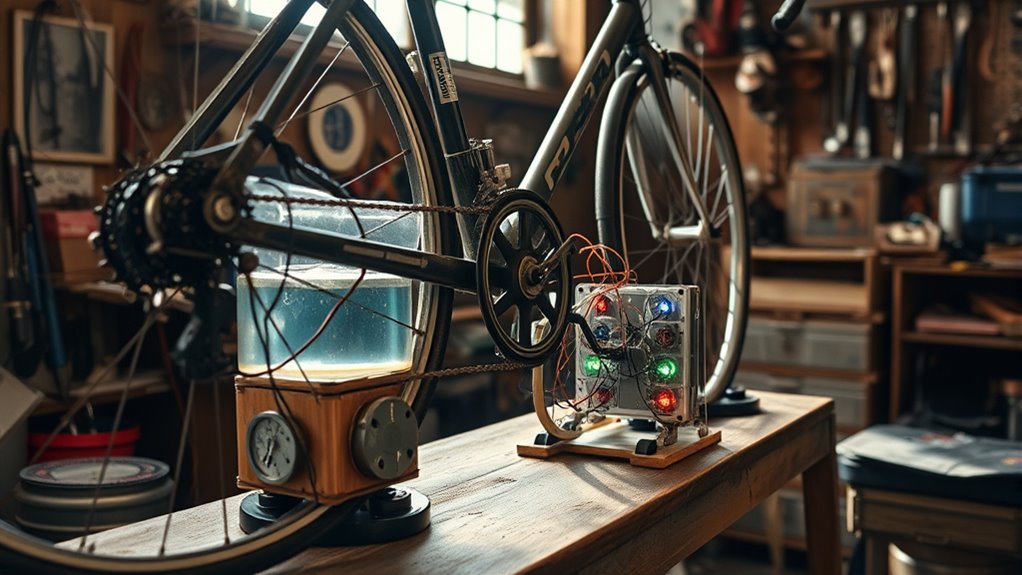
A pedal-powered battery charger offers an efficient way to generate renewable energy using human effort. By connecting your bike or stationary exercise equipment to a small generator, you can produce electricity to charge batteries directly. To boost your setup, consider integrating solar panels or wind turbines nearby; these sources can complement pedaling by providing additional power during low activity periods or calm days. Solar panels can be mounted on nearby surfaces, harnessing sunlight, while wind turbines capture energy from breezes, ensuring a steady energy supply. Combining these renewable sources with pedal power creates a versatile charging station that reduces reliance on grid electricity. Additionally, understanding energy systems can help optimize your setup for maximum efficiency and sustainability. Incorporating sustainable energy principles can further enhance your project’s environmental benefits, making it a practical and eco-friendly solution. Exploring energy storage options can also improve the efficiency and reliability of your power generation. Employing system optimization techniques allows for better management of energy flow and storage, maximizing overall output. This approach not only promotes sustainability but also enhances your understanding of renewable energy in a practical, hands-on way.
Techniques for Maximizing Energy Output During Pedaling
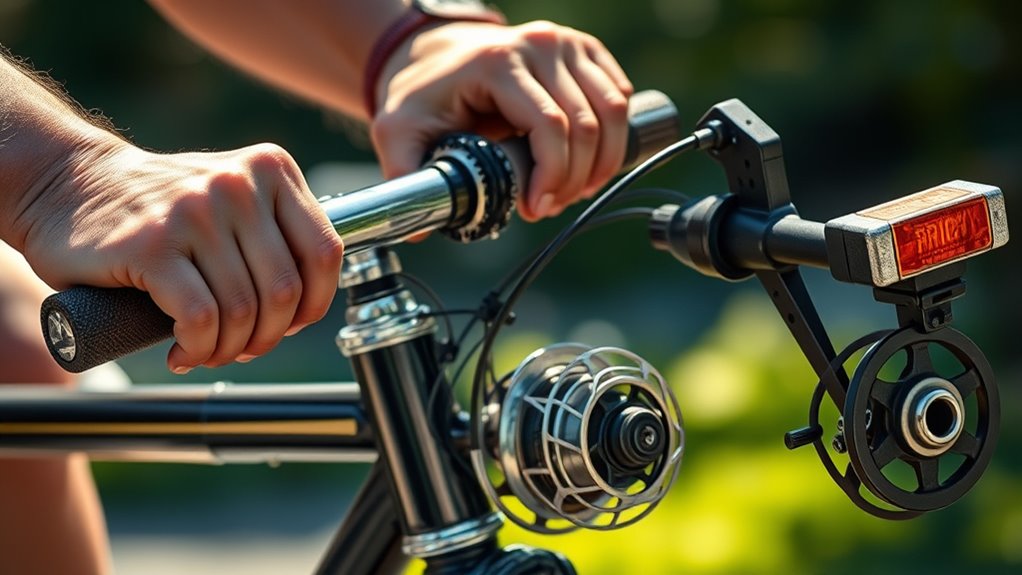
To get the most out of your pedal-powered battery charger, focus on optimizing your pedaling technique and equipment setup. First, select the right gear ratios—higher ratios can increase power, but lower ratios allow for sustained effort and reduce fatigue. Second, ensure ergonomic design in your setup; comfortable positioning minimizes strain and maximizes output. Third, maintain a steady cadence; aim for a consistent, efficient pedaling speed rather than brute force. Fourth, engage your core muscles; this improves stability and transfers more energy to the pedals. Fifth, practicing technique mastery can further enhance your overall efficiency and energy output during each pedal stroke. Additionally, paying attention to your pedal stroke technique helps ensure that every effort contributes effectively to power generation. Developing a consistent pedaling rhythm can also lead to more reliable energy output and reduce fatigue over longer sessions. Incorporating proper equipment setup and regular adjustments ensures you maintain optimal efficiency throughout your pedaling. Moreover, understanding the importance of ergonomic positioning can significantly boost your comfort and energy transfer during long rides. By fine-tuning gear ratios, prioritizing ergonomic design, maintaining a steady cadence, engaging your core, and practicing technique mastery, you’ll generate maximum energy during each pedal stroke—making your DIY energy project more effective and sustainable.
Safety Tips When Using Hand and Pedal Power Devices

While hand and pedal power devices offer eco-friendly energy solutions, safety should always come first. Before you start, familiarize yourself with safety precautions to prevent injuries. Wear appropriate protective gear, such as gloves and eye protection, to avoid accidents. Make sure the device is in good condition, with no loose parts or damage. Keep your workspace clear to prevent tripping or falling. During use, maintain proper posture and avoid overexertion. It’s crucial to know emergency procedures—like how to quickly shut off the device or disconnect power—if something goes wrong. Staying attentive to device operation is essential when working with manual energy devices to minimize risks. Additionally, being aware of proper maintenance can help prevent unexpected malfunctions. By following these safety tips, you reduce risks and enjoy efficient, safe operation, making your DIY energy project both effective and secure.
Applications for Hand and Pedal Energy in Everyday Life
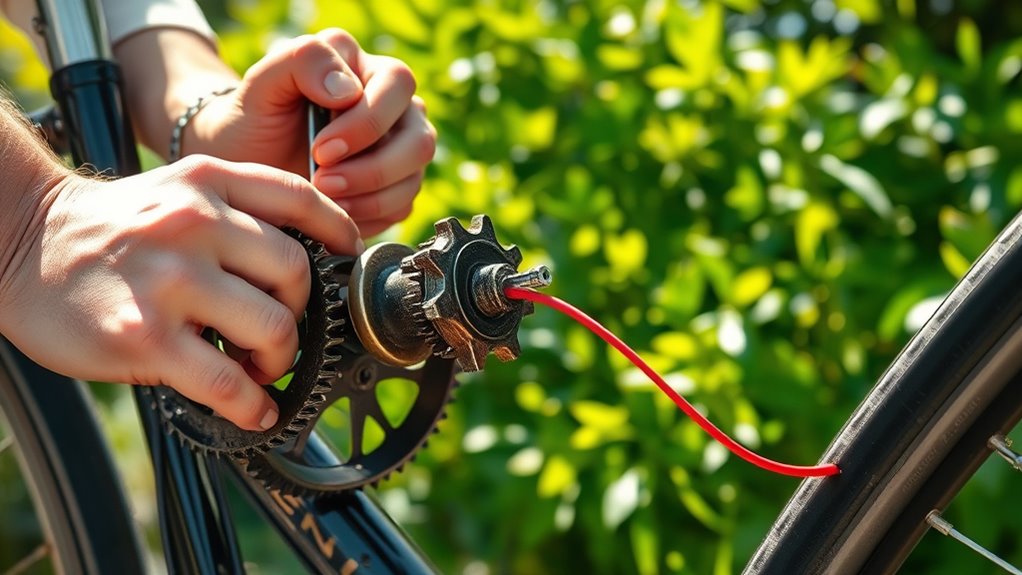
Have you ever considered how hand and pedal energy can power your daily life? You can use this energy to charge devices or supplement renewable sources like solar batteries and wind turbines. Here are four practical applications:
Discover how hand and pedal power can keep you connected and sustainable daily.
- Powering small appliances during outdoor adventures or emergencies.
- Charging handheld devices when grid power is unavailable.
- Running portable lights or radios by converting manual effort into electricity.
- Enhancing home energy systems by integrating pedal generators with solar batteries or wind turbines for a hybrid setup.
- Understanding the plant properties of herbal remedies can inspire innovative ways to optimize energy extraction and storage. Additionally, the horsepower of electric dirt bikes demonstrates how electric motors can deliver substantial power, which can be harnessed in DIY energy projects. Recognizing the energy conversion efficiency of manual generators helps maximize output and sustainability in these systems. Improving generator design can significantly increase energy output and durability. These methods maximize renewable energy use, reduce reliance on batteries, and promote sustainability. By incorporating hand and pedal power into your routine, you create flexible, eco-friendly solutions that keep you connected even when traditional power sources fail, especially when understanding the piercing care and hygiene principles ensures your equipment remains safe and effective.
Troubleshooting Common Issues With DIY Pedal Generators

Even with careful design, DIY pedal generators can encounter common problems that disrupt their performance. A frequent issue is poor electrical output caused by loose connections or worn brushes, which can hinder solar integration or grid compatibility. If your generator isn’t charging devices properly, check all wiring for secure connections and inspect the alternator for damage. Sometimes, mismatched voltage levels can cause stability issues; ensure your components are compatible and calibrated correctly. If you experience inconsistent power, consider adjusting the tension or alignment of moving parts. Additionally, verify that your generator’s output matches the requirements for solar integration or grid use. Regular maintenance and troubleshooting these common issues will keep your DIY pedal generator running smoothly and efficiently.
Enhancing Efficiency With Storage and Power Management Systems
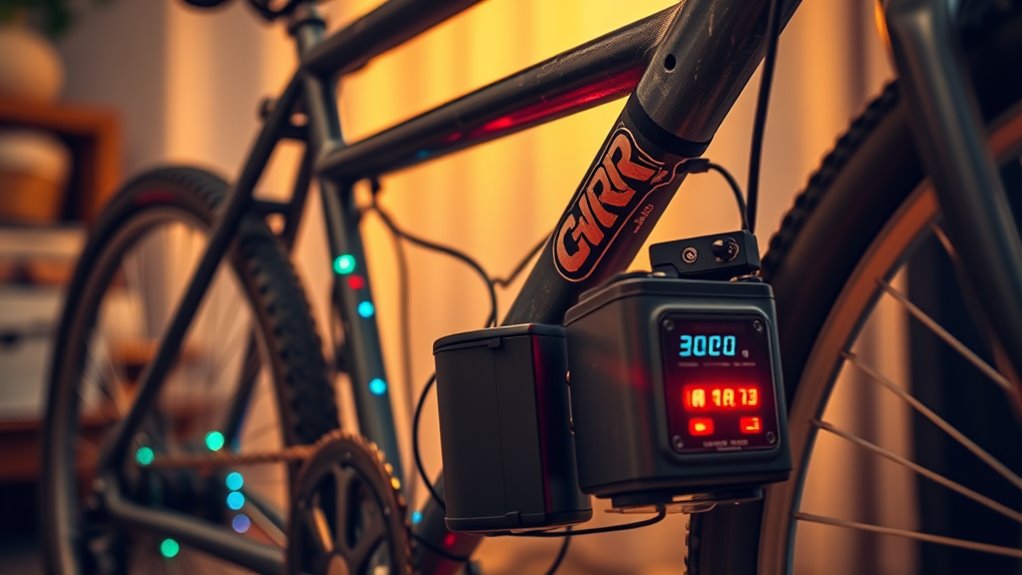
Optimizing your DIY pedal generator’s efficiency involves more than just ensuring it produces power; incorporating storage and power management systems can substantially boost performance. Battery storage allows you to save excess energy generated during pedaling, making it available when needed. Effective power management directs energy flow efficiently, reducing losses. Consider these key points:
- Use a high-quality battery storage system to maximize capacity and lifespan.
- Implement a charge controller to prevent overcharging and protect your batteries.
- Use efficient wiring and connectors to minimize energy loss.
- Monitor your system’s output regularly to optimize performance and prevent issues.
Exploring Innovative Projects and Future Possibilities
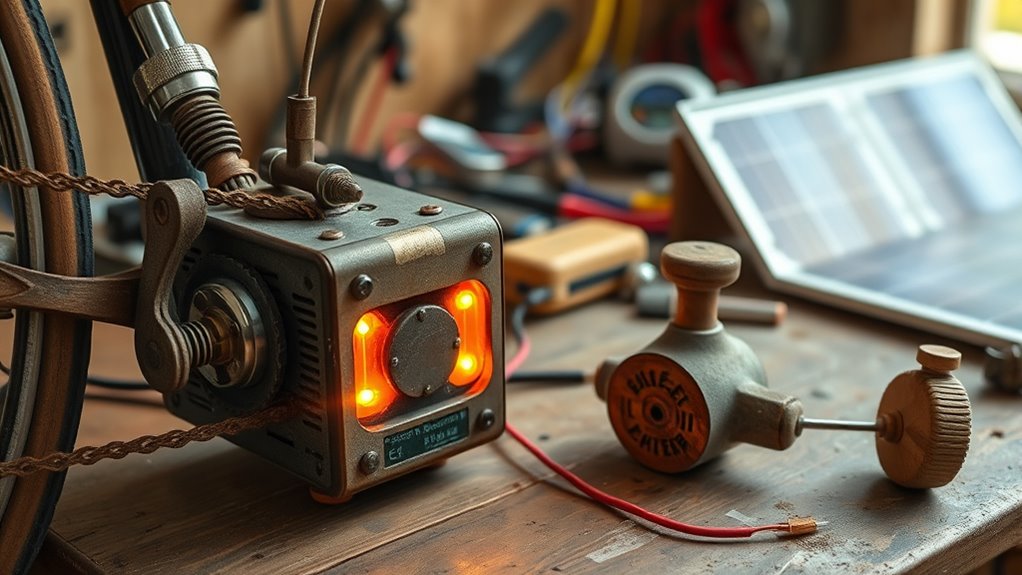
Imagine creating your own portable power solutions that keep you energized anytime, anywhere. These innovations can lead to greater energy independence and reduce reliance on traditional grids. Exploring these projects opens up exciting possibilities for a more autonomous energy future.
Portable Power Solutions
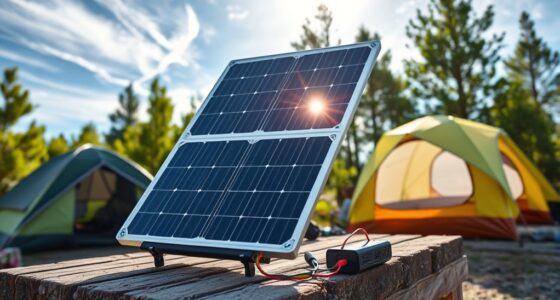
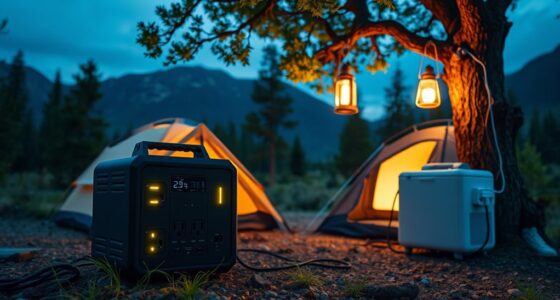
Portable power solutions are transforming how you access energy on the go, making it easier to stay connected and powered up anywhere. Innovative projects now incorporate solar panels and wind turbines to generate electricity in remote locations. These solutions offer you flexibility and independence, especially during outdoor activities or emergencies. Consider these key aspects:
- Solar panels can be lightweight and foldable, perfect for backpacking trips.
- Wind turbines can be miniaturized to fit on a camping setup or urban balcony.
- Combining both sources creates a reliable, hybrid system that maximizes energy collection.
- Future developments include smart energy storage, enabling you to store power efficiently for later use.
Advancing Energy Independence
Have you ever wondered how innovative projects are pushing the boundaries of energy independence? Cutting-edge developments focus on solar integration, allowing homes and communities to generate their own power efficiently. By integrating solar panels with DIY systems, you reduce reliance on traditional energy sources and increase resilience. Projects now explore seamless grid connection, enabling stored or generated energy to flow both ways—powering your home and feeding excess back into the grid. These advancements make energy independence more accessible and sustainable. As technology evolves, you’ll see more affordable, user-friendly solutions that empower you to take control of your energy future. The goal is to create self-sufficient systems that work harmoniously with existing infrastructure, paving the way for a cleaner, more resilient energy landscape.
Frequently Asked Questions
How Long Can a Pedal-Powered Generator Run Continuously?
You can run a pedal-powered generator continuously for about 1 to 2 hours, depending on your effort and the generator’s durability. The battery capacity being charged also matters; larger batteries take longer to fill. To keep it running longer, take breaks to prevent overheating and wear. Regular maintenance guarantees the generator remains durable, so you can pedal longer without risking damage or losing power.
Can Pedal and Hand Power Devices Charge All Types of Batteries?
Imagine trying to fit a square peg into a round hole—that’s like using pedal and hand power devices for all batteries. They work well for rechargeable batteries like NiMH or lithium-ion, but not for all types, such as alkaline or standard zinc-carbon. To guarantee proper battery compatibility, you need to use correct charging techniques, like voltage regulation and current control, tailored to each battery type for safe, effective charging.
What Maintenance Is Required for DIY Pedal Generators?
You should regularly perform lubrication routines on your DIY pedal generator to keep moving parts smooth and prevent rust. Check and tighten all connections and bolts to guarantee safety and efficiency. When not in use, store it in a dry, cool place, avoiding humidity that can cause corrosion. Periodic inspections help identify wear and tear early, ensuring your generator stays reliable for powering devices when batteries run out.
Are There Portable Pedal Power Solutions for Outdoor Use?
Yes, there are portable pedal power solutions perfect for outdoor adventures. These systems often integrate solar compatibility, allowing you to supplement pedal power with solar energy, enhancing efficiency. When choosing, consider portability factors like weight and compactness to guarantee easy transport. These options give you reliable, eco-friendly energy sources even in remote locations, making them ideal for camping, hiking, or emergency preparedness.
How Can I Improve the Efficiency of My Hand-Crank Generator?
To improve your hand-crank generator’s efficiency, focus on maximizing kinetic power transfer. Use low-friction components and guarantee your crank mechanism operates smoothly. Incorporate gear systems to increase rotational speed, boosting energy output. Keep your device well-maintained and optimize your cranking technique. By enhancing these aspects, you’ll generate more alternative energy, making your hand-crank generator more effective and reliable for your power needs.
Conclusion
Now that you know how to harness pedal and hand power, you’ll transform yourself into a DIY energy wizard capable of powering your world when batteries fade. With a little creativity and effort, you can turn simple movements into a never-ending energy source—like a magic trick that keeps giving. So get started today, and watch as your own energy becomes the most powerful tool in your arsenal. The future of sustainable power is in your hands!
Halloween Picks
halloween
As an affiliate, we earn on qualifying purchases.