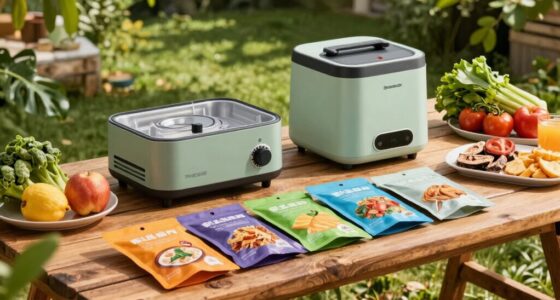
Edible packaging and water pods are great ways to cut down on plastic waste on the trail. You can use biodegradable or edible containers made from seaweed, rice, or starches that break down naturally and can even be consumed after using. Water pods offer lightweight, eco-friendly hydration options, eliminating the need for plastic bottles. If you want to discover more about how these innovations help protect the environment while keeping your outdoor adventures sustainable, keep exploring further.

Get emergency and outdoor gear delivered free with Prime
- Fast, free delivery on millions of items
- Prime Video, Amazon Music and more included
- Member-only deals all year
Key Takeaways
- Edible packaging made from biodegradable materials reduces outdoor waste by allowing consumers to consume or naturally decompose containers.
- Water pods are lightweight, biodegradable containers that eliminate single-use plastic bottles on trails.
- Both innovations support sustainability by minimizing environmental pollution and ecological harm from traditional plastics.
- Using edible and water pod packaging encourages responsible disposal and promotes eco-friendly outdoor practices.
- Adoption of these solutions helps preserve natural trail environments by significantly decreasing plastic waste accumulation.
Have you ever thought about how much plastic waste we generate from packaging? It’s a staggering amount, especially when you’re out on the trail and see how much of it piles up. Fortunately, sustainable innovation is leading the way toward more eco-friendly solutions that can drastically cut down on waste. One of the most exciting developments is edible packaging, which uses innovative, biodegradable, and even edible materials that eliminate the need for single-use plastics. These eco-friendly materials are designed to break down naturally, reducing environmental impact and helping preserve the natural beauty of the outdoors. Instead of tossing away a wrapper that’ll sit in a landfill for hundreds of years, you can enjoy packaging that’s part of the environment itself.
Imagine reaching for a snack or hydration option that doesn’t contribute to pollution. Edible packaging is crafted from natural ingredients like seaweed, rice, or starches that are safe to eat or decompose without leaving harmful residues. This form of sustainable innovation not only minimizes waste but also offers a practical, lightweight alternative to bulky plastic containers. When you’re on the trail, every ounce counts, and these materials provide durability without sacrificing portability. Plus, they’re often produced using renewable resources, aligning with a broader commitment to eco-friendly practices. As the demand for such solutions grows, more companies are exploring ways to incorporate eco-friendly materials into their packaging designs, making it easier for outdoor enthusiasts like you to make environmentally conscious choices. Additionally, biodegradable materials are becoming more accessible and affordable, encouraging wider adoption of sustainable packaging options.
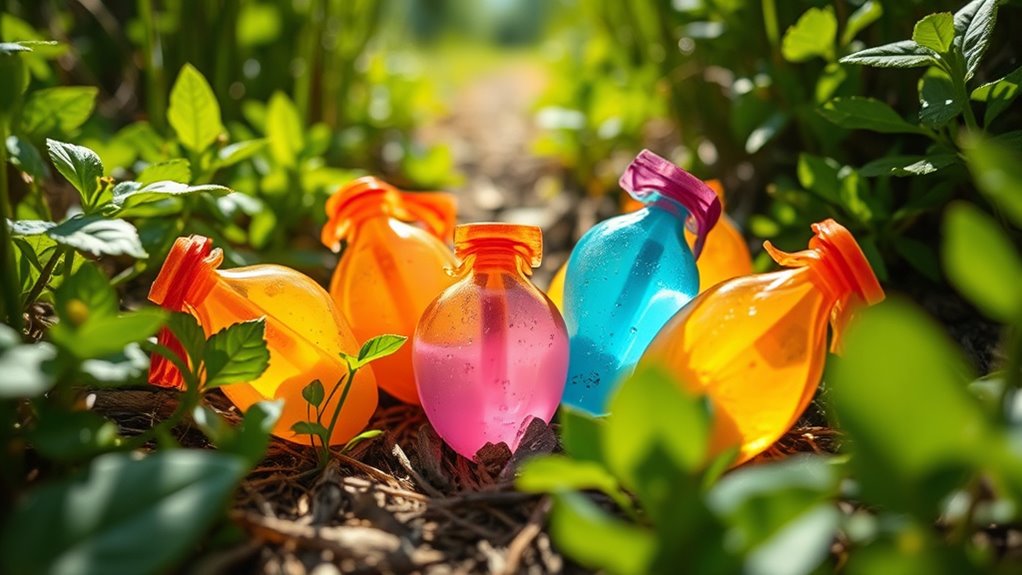
Water pods are another groundbreaking development in reducing waste. Instead of using plastic bottles that often end up in landfills or oceans, water pods are small, flexible containers that hold just enough water for your needs. These pods are made from biodegradable or compostable materials, so they break down after use, leaving no lasting footprint. They’re lightweight, easy to carry, and help eliminate the excess plastic waste associated with traditional bottles. When you’re out on the trail, these water pods can easily be stashed in your pack without adding bulk, and you can simply discard or recycle the shell afterward. Their design encourages responsible disposal, aligning with the principles of sustainable innovation and eco-friendly materials.
As an affiliate, we earn on qualifying purchases.
Frequently Asked Questions
Are Edible Packaging Materials Safe for All Dietary Restrictions?
Edible packaging materials aren’t always safe for all dietary restrictions. You should consider allergy considerations since ingredients like nuts or gluten might be included, posing risks for some. For dietary inclusivity, look for options labeled allergen-free or suitable for specific diets. Always check ingredient lists thoroughly, and consult with manufacturers if you’re unsure. This way, you can enjoy eco-friendly packaging while staying safe and inclusive for everyone.
How Long Do Edible Water Pods Last Before Spoiling?
Edible water pods typically last about 24 to 48 hours before spoiling, depending on storage conditions. To maximize their shelf life, keep them refrigerated and avoid exposing them to direct sunlight or heat. Preservation methods like using natural preservatives or vacuum sealing can extend freshness slightly, but it’s best to consume them quickly for safety and ideal taste. Always check for signs of spoilage before eating.
Can Edible Packaging Be Recycled or Composted?
Sure, edible packaging is as eco-friendly as it gets—if it’s biodegradable. You can’t recycle or compost it like traditional waste, but its biodegradability considerations mean it naturally breaks down, reducing environmental impact. So, while you won’t toss it in the recycling bin, you can enjoy it guilt-free knowing it won’t linger in landfills. Just eat it or let it biodegrade, and you’re doing Mother Nature a favor.
What Flavors Are Available for Edible Water Pods?
You’ll find a variety of flavors for edible water pods, catering to different taste preferences. Common options include fruity flavors like berry, citrus, and watermelon, as well as more unique choices like cucumber or mint. The flavor variety allows you to enjoy hydration while satisfying your palate. Whether you prefer sweet, tangy, or invigorating tastes, these edible water pods offer a delicious way to stay environmentally conscious on your adventures.
Are Edible Packaging Options Cost-Effective for Mass Production?
Edible packaging can be cost-effective for mass production, especially when you consider production scalability. For example, a startup scaled up their edible water pods, reducing costs compared to traditional packaging. While initial investments might be higher, long-term savings through reduced waste disposal and materials often outweigh these costs. You’ll find that, with efficient manufacturing processes, edible packaging becomes a viable, eco-friendly alternative, providing a favorable cost comparison over time.
As an affiliate, we earn on qualifying purchases.
Conclusion
As you embrace edible packaging and water pods, you become part of a pioneering movement that’s reshaping trail sustainability. With each choice, you’re not just reducing waste—you’re channeling the spirit of the Renaissance, where innovation met respect for nature. So, next time you pack your gear, remember: these eco-friendly options are your modern-day chalice, helping preserve the wilderness for generations to come. Truly, the future of trail adventures depends on your conscious choices today.
eco-friendly trail hydration containers
As an affiliate, we earn on qualifying purchases.
As an affiliate, we earn on qualifying purchases.
As an affiliate, we earn on qualifying purchases.
Columbus Day / Indigenous Peoples' Day Picks
long weekend sales
As an affiliate, we earn on qualifying purchases.