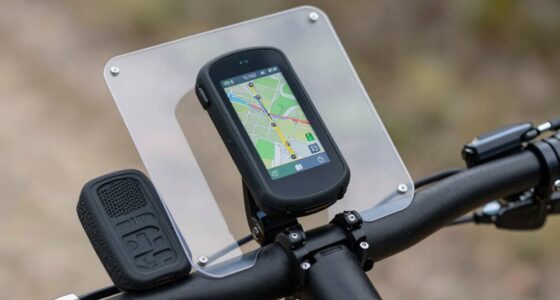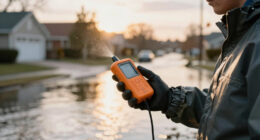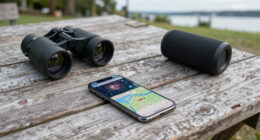
To prepare for navigation failure without panic, carry essential signaling devices like a whistle and mirror, and rely on natural cues such as ground signals. Familiarize yourself with traditional navigation tools like maps and a compass, and practice these skills beforehand. Have a backup power source for electronic devices and share your itinerary with someone trusted. Staying calm is key—focus on your safety plan, use your equipment wisely, and you’ll be ready to handle unexpected setbacks confidently as you learn more.
Key Takeaways
- Stay calm and avoid rushing; take deep breaths to maintain composure.
- Use your physical maps and compass to reorient and find your way.
- Implement signaling techniques to attract rescuers and communicate your location.
- Rely on familiar landmarks and natural cues to navigate if electronic devices fail.
- Review your route plan and backup tools to adapt your navigation strategy confidently.
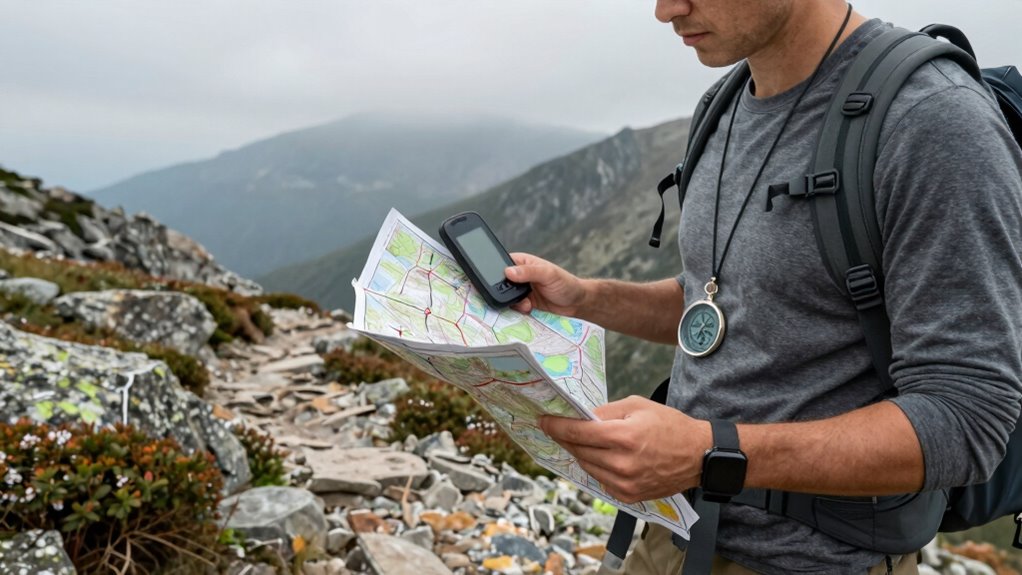
Navigation failure can happen unexpectedly, even when you’re well-prepared. It’s a situation that can induce panic if you’re not ready, but staying calm and knowing what to do can make all the difference. The key to handling such moments is having a solid plan in place before you get lost or your devices fail. One essential aspect is understanding how to implement emergency signaling effectively. If your navigation tools stop working, you need alternative ways to alert others to your location. Carrying a whistle, mirror, or flare can be invaluable for emergency signaling, especially if you’re in a remote area. These simple devices can catch attention from a distance and help rescuers locate you faster. It’s also wise to learn how to use natural signals, like creating visible ground signals or using reflective surfaces, to increase your chances of being seen.
Equally important is having backup devices. Relying solely on a smartphone or GPS can leave you vulnerable if the battery dies or the signal drops. Invest in a portable charger, extra batteries, or a solar-powered power bank to keep your devices alive longer. A physical map and compass are essential backup tools that don’t depend on technology. Spend time familiarizing yourself with how to read maps and use a compass properly—these skills can guide you even when digital systems fail. Make sure your map is up-to-date and includes key landmarks or markers that can help you orient yourself in unfamiliar terrain. Remember, technology isn’t always reliable, so practicing traditional navigation methods ensures you won’t be stranded if your electronic devices give out. Additionally, understanding the importance of a contrast ratio can help you better interpret your surroundings if visibility is low or lighting conditions are poor. Practicing traditional navigation skills can boost your confidence and improve your chances of success if electronic systems fail unexpectedly. Furthermore, being aware of mechanic shops for fuel injection cleaning in your area can be useful if you experience vehicle issues during a trip and need prompt assistance. Incorporating knowledge of sound design techniques, such as creating auditory cues or signals, can also enhance your emergency signaling if visual options are limited.
Preparation also involves planning your route and sharing your itinerary with someone trustworthy before heading out. Let them know your expected return time and check in with them once you’re back. This way, if you’re overdue, rescue teams can start searching based on your plans and last known location. Take along a small first aid kit, extra food, water, and warm clothing—these essentials can buy you time if you’re delayed or need to stay put. Staying calm is vital; your ability to think clearly and execute your safety plan can prevent panic from escalating into dangerous decisions. Remember, most navigation failures are recoverable if you remain level-headed, use your backup devices wisely, and employ emergency signaling techniques effectively. Proper preparation transforms a potential crisis into a manageable situation, ensuring you can handle unexpected setbacks with confidence.
emergency signaling whistle
As an affiliate, we earn on qualifying purchases.
As an affiliate, we earn on qualifying purchases.
Frequently Asked Questions
What Are Common Signs of Impending Navigation Failure?
You should watch for signs like inconsistent GPS signals, unusual compass readings, or sudden loss of satellite contact. These can indicate impending navigation failure. Keep your emergency signaling devices handy and regularly test your survival gear to guarantee readiness. Staying alert to these signs helps you act quickly, use your emergency signaling effectively, and prevent panic, making certain you stay safe while steering through unfamiliar terrain.
How Can Technology Aid in Navigation Failure Situations?
Technology can assist in navigation failure situations by relying on satellite signals to provide alternative positioning data when your primary system fails. You should also activate emergency protocols, which often include manual navigation methods or communication with rescue services. Keep your devices updated and carry backup tools like maps or compasses. Staying prepared with knowledge of emergency protocols guarantees you can navigate confidently until help arrives, minimizing panic.
What Legal Considerations Exist After a Navigation Failure?
After a navigation failure, you need to understand legal liabilities and insurance claims. You could be held responsible if your error causes damage or injury, so documenting the incident is essential. Contact your insurance provider promptly to report the situation and start claims processing. Knowing local laws and regulations helps you navigate potential legal consequences, ensuring you handle the aftermath correctly and protect yourself from unnecessary legal or financial repercussions.
How Often Should Navigation Equipment Be Tested?
You should test your navigation equipment regularly, ideally before each trip. This includes practicing map reading skills and ensuring backup devices, like handheld GPS or printed maps, are functional. Frequent testing helps you spot issues early, so you’re prepared if your primary device fails. By staying familiar with your equipment and backups, you minimize panic and maintain confidence, ensuring safe navigation even during unexpected failures.
Can Navigation Failure Lead to Legal Liabilities?
Navigation failure can indeed lead to legal liabilities if it results in accidents or damages. As a responsible navigator, you need to implement proper risk management strategies to minimize these risks. Regularly testing and maintaining your navigation equipment helps protect you legally by demonstrating due diligence. Staying prepared and aware of potential failures guarantees you act responsibly, reducing the chances of legal liability and safeguarding everyone involved.

SOARAISE Solar Charger Power Bank – 48000mAh Wireless Portable Charger Built-in 4 Cables and 4 Solar Panels, PD QC 3.0 Fast Charging USB C Battery Pack with Flashlight for Camping Travel
Upgraded High-Efficiency 4 Solar Panels: Equipped with 4 premium solar panels, this solar panel charger charges up to…
As an affiliate, we earn on qualifying purchases.
As an affiliate, we earn on qualifying purchases.
Conclusion
Remember, navigation failure isn’t a storm to fear but a cloudy sky to navigate with confidence. Keep your skills sharp, carry a reliable backup, and stay calm when the unexpected hits. Like a sailor trusting the stars, trust your preparation and instincts to find your way again. Embrace the uncertainty as part of the adventure, knowing that with the right mindset, you’ll turn any detour into a new horizon. Stay prepared, stay fearless.
compass and physical map set
As an affiliate, we earn on qualifying purchases.
As an affiliate, we earn on qualifying purchases.
reflective ground signal kit
As an affiliate, we earn on qualifying purchases.
As an affiliate, we earn on qualifying purchases.