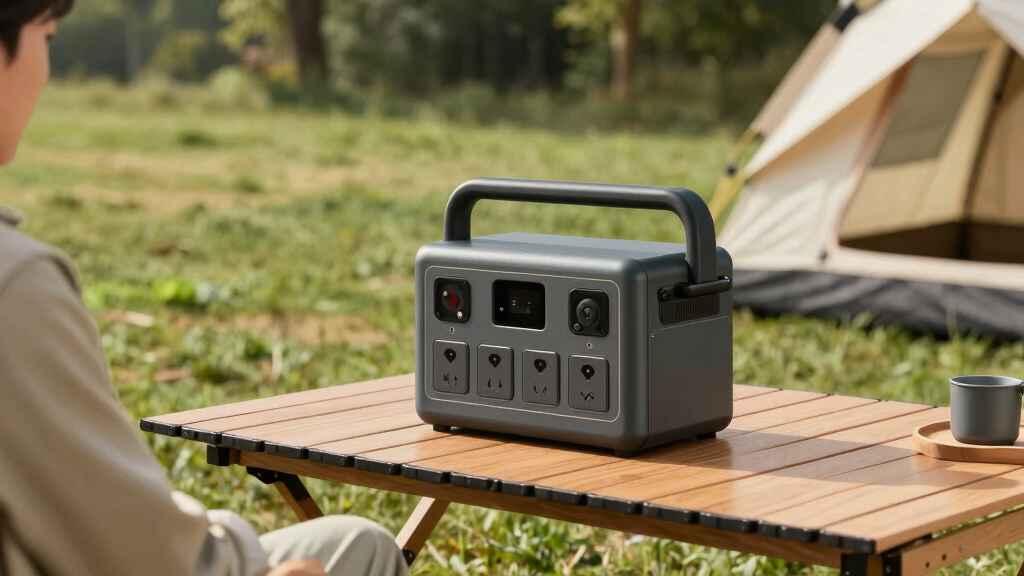
When choosing the best expandable portable power station for camping, you need a device that balances capacity, portability, and expandability. The EF ECOFLOW DELTA2 stands out for its large initial capacity and smart expansion options, making it ideal for extended trips. The Jackery Explorer 300 offers a compact, lightweight choice perfect for short outings, while the Pecron E2000LFP excels in raw power and expandability for more demanding setups. With tradeoffs in size, weight, and price, finding the right fit depends on your specific camping style and energy needs. Continue reading for a detailed breakdown of each option to help you make an informed choice.
Key Takeaways
- Large capacity and expandability are key for multi-day camping trips, with models like the EF ECOFLOW DELTA2 and Pecron E2000LFP leading in this area.
- Portability varies significantly; compact models like Jackery Explorer 300 suit lightweight campers, while larger units are better for vehicle-based setups.
- Solar input capability enhances flexibility but often comes at a higher price and increased size, making it essential to weigh solar compatibility against portability.
- Build quality and battery chemistry, especially LiFePO4, influence longevity and safety, which is critical for outdoor use.
- Additional features such as multiple outlets, AC surge capacity, and integrated jump-start functions differentiate premium models from basic options.


More Details on Our Top Picks
EF ECOFLOW Portable Power Station DELTA2 with Smart Extra Battery, Expand Capacity from 1024Wh to 2048Wh, Solar Generator for Home Backup, Emergency, Outdoor Camping
This option stands out for its impressive expandable capacity and rapid charging tech, making it suitable for both emergency home backup and extended camping trips. Compared with the Jackery Explorer 300, the DELTA2 offers more power output, larger storage, and the ability to grow capacity from 1024Wh to 2048Wh with add-on batteries, giving it a clear edge in long-term resilience. However, this increased capability comes with a heavier weight and higher price. Its 1800W AC output can power most home appliances, and the 7x faster AC charging with X-Stream tech minimizes downtime. Solar input of up to 500W supports eco-friendly recharging, while the durable LFP battery chemistry ensures longevity—up to 10 years of daily use. The EcoFlow app allows remote control, adding convenience for off-grid use. The main tradeoff: its size and cost may deter casual users or those seeking ultra-compact options.
Pros:- Expandable capacity from 1024Wh to 2048Wh or 3040Wh with add-on batteries
- Powerful 1800W AC output for most household appliances
- Rapid 7x faster AC charging with X-Stream technology
- Supports solar input up to 500W for eco-friendly recharging
Cons:- Heavy and bulky, less suitable for ultralight camping
- Higher price point compared to smaller or less expandable units
- Extra batteries and solar panels sold separately
Best for: campers needing scalable power for longer stays and home backup solutions
Not ideal for: lightweight backpackers or users prioritizing ultra-portability
- Wattage:1800 watts
- Fuel Type:Solar Energy
- Power Source:Solar Powered
- Voltage:12 Volts (DC)
- Total Power Outlets:15
- Engine Power Maximum:2700 Watts
Bottom line: Ideal for campers and homeowners looking for a flexible, high-capacity power station that can grow with their needs.
Jackery Portable Power Station Explorer 300, 292Wh Backup LiFePO4 Battery, Solar Generator for Outdoors Camping Travel Hunting Blackout (Solar Panel Optional)
This compact and lightweight power station excels in portability, weighing only 7.1 pounds, making it perfect for short-term camping or traveling. It recharges rapidly—80% in just 2 hours—and can power up to 6 devices simultaneously via multiple outputs, including USB-C and AC outlets. Compared with the EcoFlow DELTA2, the Explorer 300 offers less capacity but is easier to carry and set up for quick power needs. The built-in MPPT controller enhances solar charging efficiency if paired with a compatible panel, although solar panels are sold separately. Its 293Wh capacity is suitable for charging phones, cameras, and small electronics, but it won’t sustain larger appliances or long outages. This makes it best suited for casual campers, hikers, or emergency kit users who value weight and ease of use over raw power.
Pros:- Lightweight at just over 7 pounds for easy portability
- Fast recharge within 2 hours via wall or PD USB-C port
- Multiple outputs including AC, USB-C, and DC
- Supports solar charging with optional panels
Cons:- Limited capacity at 292Wh, not suitable for large appliances
- Solar panels are sold separately, increasing overall cost
- Less expandable than larger units like EcoFlow DELTA2
Best for: outdoor enthusiasts needing a lightweight, quick-charge power solution for small devices
Not ideal for: long-term camping or powering high-demand appliances
- Wattage:300 watts
- Fuel Type:LiFePO4
- Power Source:Battery
- Voltage:230 Volts (AC)
- Number of Outlets:4
- Item Weight:7.1 pounds
Bottom line: Best for lightweight, quick power needs during outdoor activities or emergency scenarios.
pecron Portable Power Station E2000LFP, 1920Wh LiFePO4 Battery Backup, 5X2000W AC Outlets, Expandable to 8064Wh, 1200W Max Solar Input, Backup Power for Outdoors Camping Fishing Emergency
The E2000LFP distinguishes itself with a massive 1920Wh capacity that can be expanded up to 8064Wh, making it suitable for prolonged off-grid power or emergency use. Compared with the EcoFlow DELTA2, it offers higher overall capacity and more AC outlets—up to five 2000W outlets—ideal for running multiple high-demand devices simultaneously. The LiFePO4 chemistry ensures over 3500 cycles and excellent thermal stability, making it a truly durable choice for professional or long-term applications. Its four charging options—including solar, AC, vehicle, and generator—add versatility. The 1200W solar input supports rapid recharging, but the unit weighs 48.5 pounds, which limits portability. This model suits serious campers, remote work sites, or emergency preparedness, but is less suited for lightweight backpacking due to its size and weight.
Pros:- Massive expandable capacity up to 8064Wh
- 5 high-power AC outlets (2000W each)
- Long lifecycle with over 3500 cycles using LiFePO4
- Versatile four-way charging including solar, AC, and vehicle
Cons:- Heavy and less portable for backpacking
- High initial cost and size may be overkill for casual camping
- Bulkier setup might be less convenient for frequent transport
Best for: users requiring high capacity and multiple AC outlets for extended camping or backup power
Not ideal for: ultralight campers or those needing ultra-portable units
- Wattage:2000W (surge 4500W)
- Fuel Type:LiFePO4
- Power Source:Battery
- Voltage:230 Volts (AC)
- Number of Outlets:5
- Expandable to:8064Wh
Bottom line: Perfect for those needing high-capacity, multi-device power solutions for extended off-grid or backup scenarios.
VTOMAN Jump1500X Portable Power Station, 828Wh LiFePO4 Battery Solar Generator with Jump Start, 1500W AC Outlet, 100W PD Type-C, Large Capacity Expandable to 2376Wh for Camping, RV Travel, Home Backup
This unit excels as a versatile, compact power source with the added benefit of a jump-start feature, making it ideal for roadside emergencies and camping. Its 828Wh capacity is smaller than the EcoFlow DELTA2 but still ample for charging multiple devices and jump-starting vehicles. Compared to the EcoFlow, the Jump1500X offers a built-in jump-start function, which is a significant advantage for roadside safety, though it limits the overall capacity. Its 1500W AC output supports most small to medium appliances, and the unit is expandable to 2376Wh with an extra battery—selling point for longer trips. The LiFePO4 battery ensures over 3000 cycles, maintaining performance over years. Despite its size, it’s heavier than most portable units, and the jump-start cables are sold separately. Best suited for travelers needing emergency vehicle support or moderate power without bulk.
Pros:- Includes vehicle jump-start capability
- Expandable capacity to 2376Wh
- Supports multiple device charging with 1500W AC output
- Long-lasting LiFePO4 battery with 3000+ cycles
Cons:- Heavier and less portable than smaller units
- Limited capacity compared to larger models like EcoFlow or pecron
- Jump cables sold separately
Best for: campers and travelers needing emergency vehicle jump-start capabilities alongside portable power
Not ideal for: those seeking large capacity for extended off-grid living
- Wattage:1500W
- Fuel Type:LiFePO4
- Power Source:Battery
- Voltage:230 Volts (AC)
- Number of Outlets:3
- Expandable to:2376Wh
Bottom line: A smart choice for outdoor adventurers who want both portable power and vehicle emergency support in a compact form.
Portable Power Station 1800W (3600W Surge), 1024Wh LiFePO4 Solar Generator, 1.5H Fast Charging Home Battery Backup with 4 AC Outlets, Emergency Power Supply for Camping, RV, Off-Grid
This model stands out for its impressive 1800W continuous output and 1024Wh capacity, capable of running most home appliances and high-wattage devices like microwaves or electric grills. Compared with the Segway Cube 1000, it offers a higher surge capacity and faster recharge times, making it more suitable for demanding camping scenarios. Its LiFePO4 battery provides over 3,500 cycles, ensuring long-term reliability—an advantage over lithium-ion options. However, with a weight of around 36 pounds and a somewhat bulky form factor, it’s less ideal for those seeking ultralight portability. The inclusion of multiple outlets—including USB-C PD, USB-A, and car ports—makes it highly adaptable for family or emergency use. The 1.5-hour recharge capability via AC is fast, but it requires a high-wattage power source, which might limit flexibility in some off-grid situations.
Best for: Campers and families needing reliable, high-wattage power with quick recharging.
Not ideal for: Solo hikers or ultralight backpackers due to its weight and size.
Pros: High continuous and surge wattage, fast recharge in 1.5 hours, robust LiFePO4 battery with 3500+ cycles, multiple versatile outlets.
Cons: Heavier than some portable units, bulkier design limits backpacking use, higher price point.
Verdict: This power station is perfect for those who prioritize capacity and reliability over ultra-light portability.Pros:- 1800W continuous power with 3600W surge capacity
- Fast 1.5-hour AC recharge
- LiFePO4 battery with over 3,500 cycles for longevity
- Multiple output ports including USB-C PD
Cons:- Heavy at around 36 pounds, less portable for backpacking
- Bulky design not suited for minimalist travelers
- Higher cost compared to smaller or less powerful units
Best for: Families or serious campers needing high power output and fast recharge times.
Not ideal for: Hikers or backpackers seeking lightweight, compact options for minimal carry weight.
- Wattage:1800W continuous, 3600W surge
- Capacity:1024Wh
- Battery Type:LiFePO4
- Fast Charging:1.5 hours via AC
- Number of Outlets:10
- Dimensions:9.25″L x 12.83″W x 14.84″H
Bottom line: This model delivers reliable, high-capacity power ideal for extensive camping trips and home backup, though its weight makes it less suitable for lightweight travel.
Segway Portable Power Station Cube 1000, 2200W AC Outlets, 1024Wh LiFePO4 Battery, Expandable Battery Capacity up to 5kWh Solar Generator for Camping, Home Backup, Power Outages, Off-grid
The Segway Cube 1000 excels in its modular design, allowing users to expand capacity up to 5kWh by stacking additional batteries, making it ideal for long-term off-grid power. Its 2200W continuous inverter output is sufficient for most camping needs, and the swift 1.2-hour recharge supports quick turnaround during power outages or extended trips. Compared to the Portable Power Station 1800W, it offers greater expandability and a more rugged IP56-rated construction, suited for demanding environments. Its magnesium alloy shell and waterproof rating add durability, but the larger size and weight—over 36 pounds—make it less practical for portaging. The multiple output ports include dual USB-C and AC outlets, supporting various devices simultaneously. While the high power and expandability are compelling, the price increases significantly with additional batteries.
Best for: Off-grid enthusiasts and those needing scalable power over long durations.
Not ideal for: Lightweight hikers or those seeking ultra-portable solutions for minimal gear.
Pros: Expandable capacity up to 5kWh, rapid 1.2-hour recharge, IP56 waterproof and rugged build, multiple versatile ports, high-power output of 2200W.
Cons: Heavy and bulky for portable use, expensive with multiple batteries, larger size limits backpacking applicability.
Verdict: This modular, high-capacity generator is best suited for extended off-grid stays and emergency home backup, despite its weight and cost.Pros:- Expandable up to 5kWh with additional batteries
- Fast recharge in 1.2 hours
- Rugged IP56 waterproof and durable design
- Multiple ports including dual USB-C
Cons:- Heavy and large, not suited for portability
- Cost increases with added batteries
- Size may be cumbersome for small vehicles or backpacks
Best for: Preppers, off-grid campers, and users requiring long-term, scalable power solutions.
Not ideal for: Travelers needing lightweight, compact units for short camping trips.
- Wattage:2200W continuous, 4400W surge (expandable to 5kWh)
- Capacity:1024Wh base, expandable to 5kWh
- Battery Type:LiFePO4
- Fast Recharge:1.2 hours
- Number of Outlets:12
- Construction:Magnesium alloy shell, waterproof IP56
Bottom line: This power station offers excellent scalability for long-term off-grid use, though it sacrifices portability and comes at a higher price point.
How We Picked
Products were selected based on a combination of capacity, expandability, portability, and usability in outdoor settings. Priority was given to units offering scalable capacity via additional batteries or modular design, ensuring they can grow with your power needs. Durability and build quality, especially the use of LiFePO4 batteries, were key factors for safety and longevity. Ease of use, including intuitive controls and fast charging, also influenced rankings. Price-to-performance ratio was considered, ensuring each model offers value relative to its features, making the list practical for a wide range of campers.
Factors to Consider When Choosing Best Expandable Portable Power Station For Camping
Choosing the best expandable portable power station for camping involves balancing multiple factors. Beyond just capacity, consider how portable the device is, how it integrates with solar panels, and what features are most relevant to your camping style. Making the right choice can mean the difference between reliable power and constant frustration in the wilderness. Here are some key considerations to guide your decision.
Capacity and Expandability
Determine your typical power needs—whether for charging phones, running small appliances, or powering larger devices. Expandability allows you to increase capacity with additional batteries, which is essential for longer trips. However, larger capacity units tend to be heavier and bulkier, so consider how much portability you need versus total power. Think about future needs as well—if you plan to extend your camping adventures, investing in a more expandable system makes sense.
Portability and Size
While larger capacity often means more weight, some models strike a good balance with lightweight materials and compact design. If you’re backpacking or prefer a lightweight setup, smaller units like the Jackery Explorer 300 may suffice, but with limited expandability. Conversely, vehicle campers can carry bigger units like the Pecron E2000LFP, which provide more power without the concern of weight. Assess how much space and weight you’re willing to handle, especially for extended trips.
Solar Compatibility
Solar input capability allows for sustainable recharging, especially useful in remote locations. Not all units support solar charging or handle high input wattages, so check compatibility with your panels. Keep in mind that adding solar panels increases setup complexity and cost but offers the advantage of continuous, off-grid power. Consider whether solar charging is a priority or a bonus, and choose a model that matches your preferred recharge method.
Battery Chemistry and Durability
LiFePO4 batteries are increasingly common in high-quality power stations due to their longer lifespan and safer chemistry compared to traditional lithium-ion. These batteries withstand more charge cycles, making them ideal for frequent outdoor use. However, they tend to be more expensive upfront. Investing in a unit with robust battery chemistry can save money and hassle over time, especially if you camp regularly or rely heavily on your power station.
Additional Features
Features like multiple AC outlets, fast charging, USB-C ports, and jump-start capabilities add significant convenience. Some models include built-in inverters with high surge capacity, suitable for powering appliances and tools. Evaluate which features align with your camping style—if you need to power a small fridge or CPAP machine, prioritize units with higher surge ratings and multiple outlets. Remember that more features often come with increased cost and weight, so choose what genuinely adds value for your needs.
Frequently Asked Questions
Can I run my RV or larger appliances with these power stations?
Many of these units can handle small to medium appliances, especially those with higher surge capacities like the Pecron E2000LFP or Segway Cube. However, for larger appliances or continuous high-power devices, you might need a dedicated RV inverter or generator. Always check the surge and continuous wattage ratings to ensure compatibility. In most cases, these stations are best suited for charging devices, powering small appliances, or running essential electronics rather than whole-home setups.
How long can I run devices on a fully charged power station?
The runtime depends on the capacity of the battery and the power consumption of your devices. For example, a 1024Wh unit can theoretically run a 100W device for around 10 hours, but actual time will vary based on efficiency and load. Larger capacity models like the Pecron E2000LFP can extend this significantly, especially if you manage power usage carefully. Always consider your typical power draw to estimate how long a station can sustain your needs.
Is it worth investing in a solar-compatible power station?
Adding solar compatibility offers the advantage of recharging your power station without access to grid power, extending your camping autonomy. While solar panels add initial cost and setup complexity, they can save money over time by reducing the need for grid or generator power. For longer trips or off-grid use, solar-compatible units provide a reliable, eco-friendly energy source, making them a smart investment for frequent campers or those seeking sustainability.
How important is battery chemistry for outdoor use?
Battery chemistry directly impacts safety, lifespan, and performance. LiFePO4 batteries are favored in outdoor power stations because they offer longer cycle life, better thermal stability, and enhanced safety over traditional lithium-ion batteries. This durability means fewer replacements and less risk of overheating or fires, which is vital when relying on a portable power source in remote locations. Investing in a unit with robust chemistry can be a key factor in ensuring reliable, safe operation over many trips.
Should I prioritize capacity or portability when choosing a power station?
This depends on your camping style. If you prefer lightweight backpacking or short trips, portability should take precedence, favoring smaller models with limited expandability. For vehicle-based camping or longer excursions where weight is less of an issue, prioritizing capacity and expandability makes sense to meet higher power demands. Balancing these factors involves considering how much power you need versus how much weight and bulk you’re willing to carry or store.
Conclusion
For most campers, the EF ECOFLOW DELTA2 offers the best mix of capacity, expandability, and portability, making it a versatile choice for extended trips. The Jackery Explorer 300 suits beginners or ultralight campers who need a reliable, compact solution. If raw power and maximum expandability are priorities, the Pecron E2000LFP provides a robust option for demanding setups. Those seeking premium features and durability might consider the OUPES Mega 1 or Segway Cube. Ultimately, your choice should reflect your specific energy needs, travel style, and budget, ensuring your camping adventures are powered smoothly and reliably.