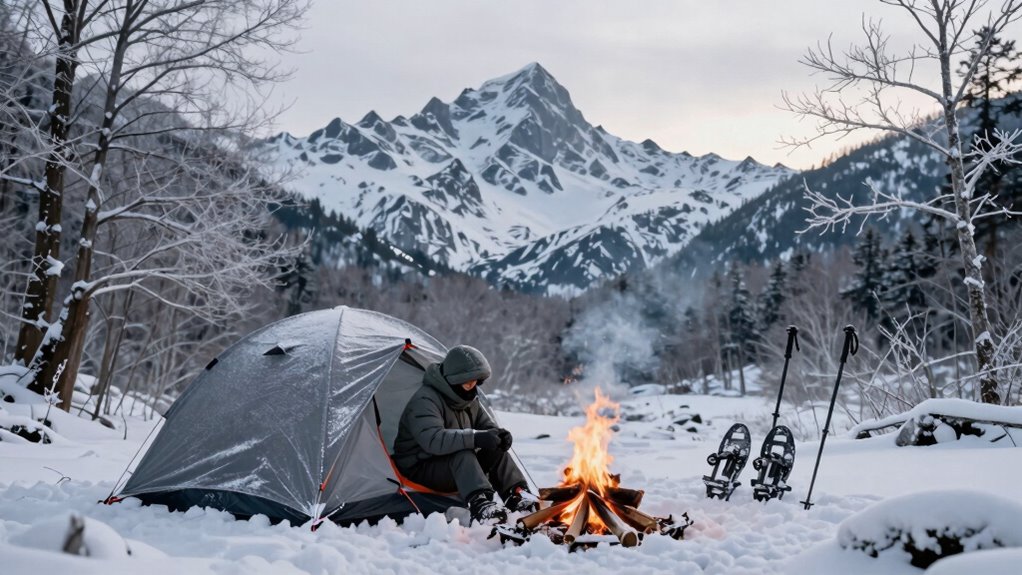
Winter camping pushes every system you depend on to its limit because cold weather makes fire-building, gear maintenance, and environmental awareness more challenging. You must stay alert to prevent gear failure, manage safety risks like fires and hypothermia, and adapt quickly to fluctuating conditions. Your physical and mental resilience are tested as fatigue, weather, and equipment strain your limits. Keep exploring to uncover how to handle these intense challenges and stay safe in winter wilderness.

Get emergency and outdoor gear delivered free with Prime
- Fast, free delivery on millions of items
- Prime Video, Amazon Music and more included
- Member-only deals all year
Key Takeaways
- Cold temperatures and snow conditions challenge fire-building, gear durability, and equipment functionality.
- Maintaining proper insulation and dryness is critical to prevent heat loss and equipment failure.
- Environmental factors like weather and wildlife require constant awareness and adaptation.
- Physical and mental demands increase fatigue, requiring resilience and precise decision-making.
- Ensuring safety involves heightened vigilance to prevent fire hazards, equipment malfunctions, and environmental damage.
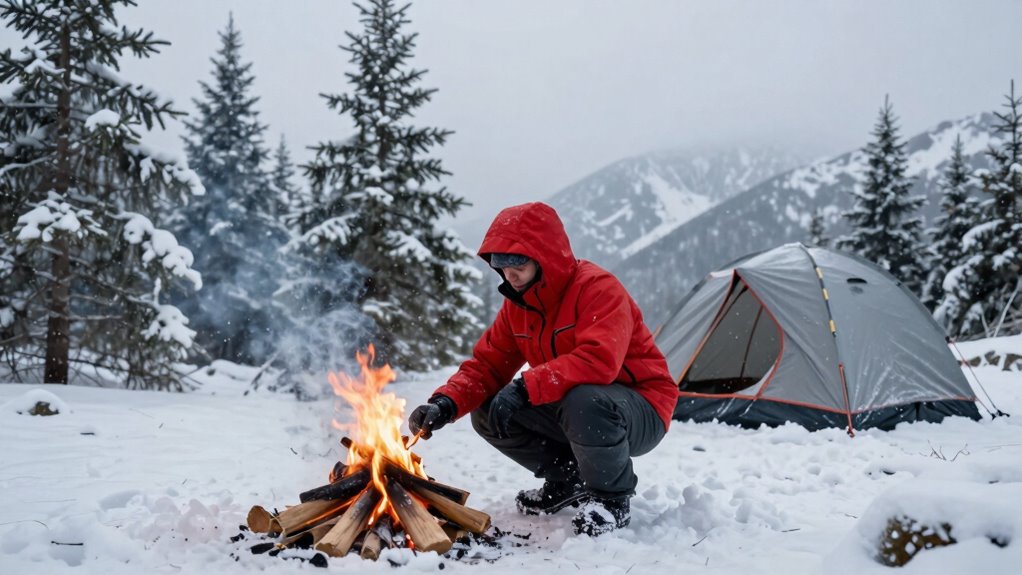
Have you ever wondered what makes winter camping so demanding? It’s not just about braving the cold; it’s about pushing every system in your body—and your gear—to its limits. Cold temperatures challenge your physical endurance, mental resilience, and equipment reliability. When you venture into winter’s wilderness, you need to stay alert and prepared for the unexpected, especially when it comes to campfire safety and gear maintenance. A small oversight can turn a cozy night into a dangerous situation.
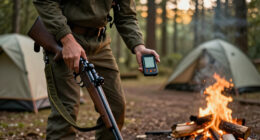
Starting with campfire safety, you realize it’s more than just lighting a fire for warmth. In winter, snow and ice can complicate fire-building, making it harder to find dry tinder and establish a safe, controlled blaze. You must be meticulous, ensuring your fire is contained and doesn’t spread to surrounding snow or trees. Cold weather also affects how your fire burns—wet or damp wood might be your only option, which requires patience and skill to ignite. Managing the fire safely becomes an essential task, as a poorly handled blaze could cause burns or accidental forest fires, especially if snow melts and creates runoff. You have to stay vigilant about keeping the fire manageable, never leaving it unattended, and making sure it’s fully extinguished before sleeping or leaving the site.
Winter fires require careful management to prevent spread, burns, and ensure complete extinguishing before leaving or sleeping.
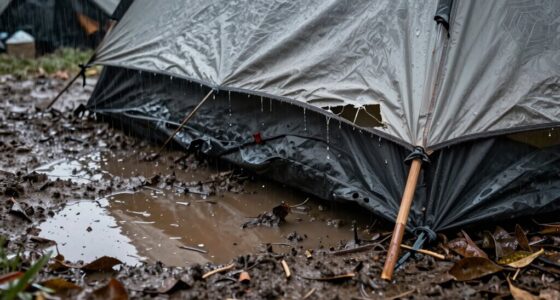
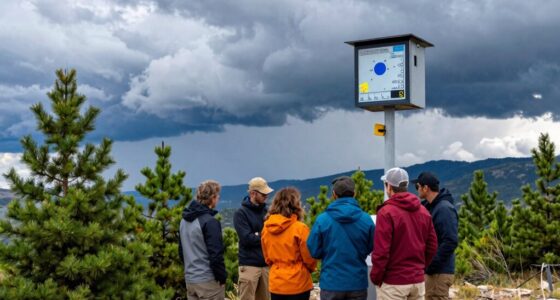
Gear maintenance becomes another critical component. Winter amplifies the wear and tear on your equipment, demanding constant inspection and care. Your sleeping bag needs to be dry and insulated properly to prevent heat loss. Tent fabrics can become brittle or develop leaks if not treated or inspected regularly. Your stove and cookware need special attention—cold temperatures can cause fuel to thicken or clog, and metal parts may contract, affecting performance. You must check your gear thoroughly before each use, ensuring everything is functional and in top shape. Cold also accelerates battery drain in flashlights, GPS devices, or other electronics, so keeping spare batteries warm and accessible is essential. Additionally, understanding biodiversity and the local environment can help you avoid unintended damage or hazards during your stay. Being aware of the local flora and fauna can also help prevent accidents or disturbances to wildlife. Recognizing how weather patterns influence snow conditions can help you plan your campfire and safety measures more effectively. Moreover, understanding how temperature fluctuations can impact your gear’s performance is crucial for maintaining reliability throughout your trip.
All these elements test your physical limits—shivering in the cold, fighting fatigue, and staying alert despite the monotony of winter’s silence. Mental resilience is equally strained as you manage the logistics of safety and comfort in an unforgiving environment. Every decision, from setting up your tent to managing your fire and caring for your gear, requires precision and attention to detail. Winter camping pushes every system you have—your body, your mind, and your equipment—forcing you to adapt and persevere. It’s a demanding experience, but with the right knowledge and respect for the environment, you can meet the challenge head-on.
As an affiliate, we earn on qualifying purchases.
Frequently Asked Questions
How Do I Prevent Frostbite During Winter Camping?
To prevent frostbite during winter camping, you should wear proper cold weather clothing, including insulated gloves, hats, and layered clothing to keep your body warm. Keep your extremities covered and dry, and avoid prolonged exposure to cold air. Regularly check your fingers, toes, nose, and ears for signs of frostbite. Staying active to promote blood flow also helps with frostbite prevention, ensuring your body stays warm and protected.
What Are the Best Winter Camping Gear Essentials?
You need reliable winter camping gear essentials, starting with a high-quality sleep system designed for cold temperatures. Layered clothing is vital; wear moisture-wicking base layers, insulating mid-layers, and waterproof outer layers to stay warm and dry. Don’t forget a four-season tent, a warm sleeping bag, and insulated mats. These essentials protect you from the cold, guarantee comfort, and help you handle the extreme conditions winter camping throws at you.
How Can I Stay Warm Overnight Without Electricity?
Staying warm overnight is like wrapping yourself in a cozy blanket. You should focus on insulation strategies, such as using a high-quality sleeping bag and an insulated sleeping pad. Dress in layered clothing—base layers to wick moisture, insulating layers for warmth, and a waterproof outer layer. Keep your head, hands, and feet covered with hats, gloves, and warm socks. These tactics work together to trap heat and keep cold at bay.
What Are Emergency Signs of Hypothermia?
If you notice cold weather health signs like intense shivering, confusion, or numbness, you might be experiencing hypothermia. Watch for hypothermia symptoms such as slurred speech, slow heartbeat, or drowsiness. These emergency signs indicate your body is losing heat rapidly. If you see these symptoms, act immediately by getting to a warm place, removing wet clothes, and gradually warming yourself to prevent serious health risks.
How Do I Find Safe Camping Spots in Winter?
Think of finding a safe winter camping spot as playing hide-and-seek with nature’s secrets. Look for areas with minimal wind exposure, natural windbreaks, and nearby water sources. Observe winter wildlife signs and choose spots with stable snow shelter construction, avoiding thin or unstable snow. Prioritize locations away from avalanche zones and steep slopes. Your goal is a secure, sheltered site where you can rest, stay warm, and respect the delicate winter ecosystem.
insulated sleeping bag for winter camping
As an affiliate, we earn on qualifying purchases.
As an affiliate, we earn on qualifying purchases.
Conclusion
Winter camping pushes every system to its limit, demanding your strength, resilience, and adaptability. As temperatures can plummet to -40°F in some regions, understanding the science behind your gear and body becomes essential. Did you know that hypothermia affects over 1,300 people annually in North America? Embracing these challenges not only tests your limits but also deepens your connection with nature. With proper preparation, you’ll find that winter’s harshest conditions can become your most rewarding adventure.
winter camping stove and cookware set
As an affiliate, we earn on qualifying purchases.
As an affiliate, we earn on qualifying purchases.
battery warmers for outdoor electronics
As an affiliate, we earn on qualifying purchases.
As an affiliate, we earn on qualifying purchases.
Fall Picks
fall essentials
As an affiliate, we earn on qualifying purchases.