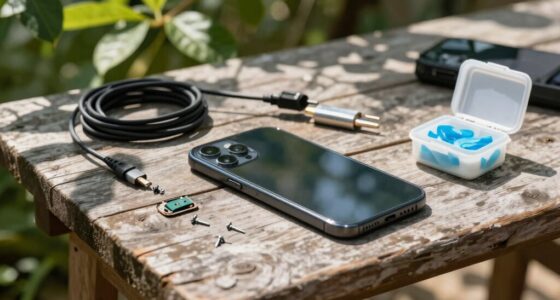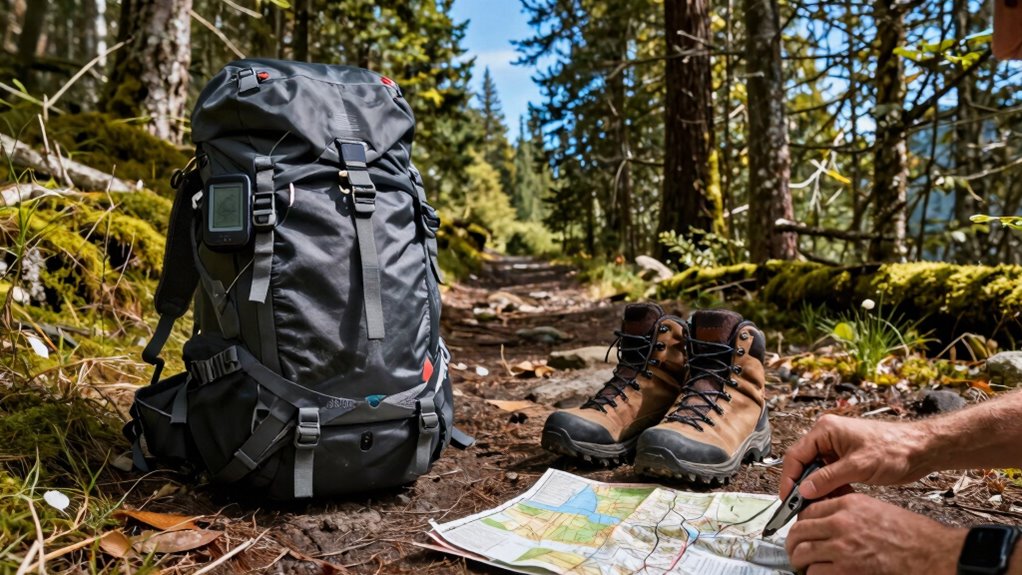

Before heading into the backcountry with new tech, you should practice emergency signaling in various conditions to guarantee quick, clear responses under stress. Learn to conserve battery life, carry extra power sources, and test key device features like GPS and distress signals. Understand your device’s limitations and how it performs in different scenarios. Repeating these exercises builds confidence and instincts for emergency situations. Keep exploring to discover more essential tips for mastering your gear.
Key Takeaways
- Familiarize yourself thoroughly with device manuals and functionalities through hands-on testing.
- Practice emergency signaling in various conditions to ensure quick activation under stress.
- Manage device power efficiently by practicing settings adjustments and carrying backups.
- Understand device limitations and scenarios where tech might fail or underperform.
- Conduct simulated emergency responses to build confidence and ensure readiness.
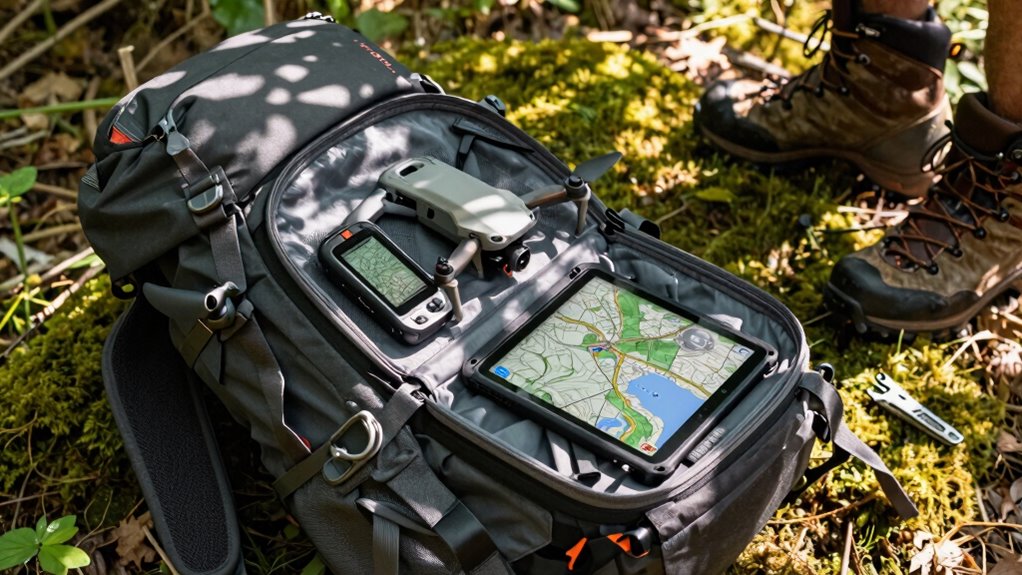
When you’re preparing to take new technology into the backcountry, it’s crucial to practice with it first. This guarantees you’re confident in how it works and can depend on it when it matters most. One critical area to focus on is emergency signaling. Whether you’re using a satellite communicator, a personal locator beacon, or a whistle app on your device, knowing how to activate and effectively use these tools can make the difference between rescue and prolonged distress. Practice triggering emergency signals in a controlled environment to familiarize yourself with the steps involved. Test the signals in different scenarios—daylight, low visibility, or when wearing gloves—to understand how easily they can be activated and how clear your signal will be to rescuers. This hands-on experience helps you avoid fumbling in an actual emergency, saving precious seconds and reducing panic.
Practice emergency signaling in different conditions to ensure quick, clear responses when it matters most.
Battery management is another essential aspect to master before venturing into remote areas. New tech often depends heavily on batteries, which can drain faster than expected in cold temperatures or through frequent use. Practice conserving power by adjusting settings, turning devices off when not in use, and using low-power modes. Carry extra batteries or portable chargers, and get comfortable with how to swap or recharge them quickly. Knowing your device’s battery life under various conditions helps you plan better—whether that’s reducing unnecessary use or ensuring you have enough power to last through critical moments. Remember, cold weather can markedly reduce battery efficiency, so test your tech in conditions similar to your trip to understand how it behaves. Additionally, understanding the importance of reliable communication can be crucial in emergencies, so practicing these skills ensures you’re prepared to maintain contact when needed. Familiarizing yourself with the features and indicators of your device will help you quickly identify any issues before an emergency arises. It’s also beneficial to learn about the limitations of your tech so you’re aware of scenarios where it might not perform optimally.
Furthermore, take time to familiarize yourself with all the features your device offers. Read the manual thoroughly, then test functions like GPS tracking, distress signals, and location sharing in safe settings. This way, when you’re out in the backcountry, you won’t waste time figuring out how to operate your gear during an emergency. Make sure you understand the indicators that show a device is functioning properly, and check that your signals are being transmitted clearly. It’s also wise to run mock scenarios where you simulate an emergency response, so you know how your tech performs under pressure. The more you practice these routines beforehand, the more instinctive they’ll be when you need to use them.
Preparing your tech through practice isn’t just about knowing how it works; it’s about building confidence. When you’ve practiced emergency signaling and managed your batteries effectively, you remove hesitation from your response. This preparation can be the difference between a successful rescue and a dire situation. Take the time to learn your gear thoroughly before heading out, and you’ll be better equipped to handle whatever challenges the backcountry throws your way.
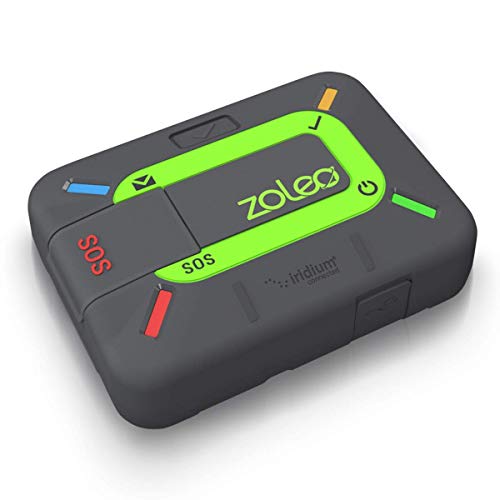
ZOLEO Satellite Communicator – Two-Way Global SMS Text Messenger & Email, Emergency SOS Alerting, Check-in & GPS Location – Android iOS Smartphone Accessory
Global satellite messaging: Stay connected beyond cell coverage, use ZOLEO with your smartphone to transmit text messages and…
As an affiliate, we earn on qualifying purchases.
As an affiliate, we earn on qualifying purchases.
Frequently Asked Questions
How Do I Troubleshoot Tech Issues in Remote Areas?
When troubleshooting tech issues in remote areas, first check your satellite communication device for connection errors and make sure it’s powered on. For offline mapping problems, verify that your maps are downloaded correctly and your device’s GPS is functioning. Keep backup batteries and a manual or troubleshooting guide handy. Test your equipment beforehand, so you’re familiar with common issues, and stay calm—most problems have simple solutions when you’re prepared.
What Safety Precautions Should I Take With New Devices?
Imagine you’re hiking with a new GPS device in rugged terrain. To guarantee safety, test its durability beforehand, so it withstands drops or weather. Carry a backup power source and a signal booster to improve reception. Avoid relying solely on the device; always inform someone of your route. These precautions help prevent failures, keeping you safe and connected during your backcountry adventures.
How Do I Conserve Battery Life During Extended Trips?
To conserve battery life during extended trips, you should limit device use and enable power-saving modes whenever possible. Carry solar charging panels to harness sunlight and keep your devices topped off. Additionally, pack reliable power banks to store extra energy for vital moments. Turn off non-essential features like Bluetooth and Wi-Fi when not in use, and lower screen brightness to extend your device’s battery life in the backcountry.
What Accessories Are Essential for Backcountry Tech Use?
Think of your gear as your trusty compass—without it, you’re lost. You’ll want essential accessories like wireless chargers and portable solar panels to keep your devices alive. Wireless charging pads make topping off easy, while solar panels harness the sun’s energy, turning daylight into power. Add a durable power bank for backup, and you’re set to stay connected, navigate, and capture memories without worrying about juice running out.
How Do I Update Firmware or Software in the Field?
To update firmware or software in the field, start by ensuring your device is charged and connected to a reliable power source. Download the latest firmware updates or software optimization files from the manufacturer’s website or app. Transfer them to your device via USB or Wi-Fi, then follow on-screen instructions. Always back up your data beforehand to prevent loss. Regular updates keep your tech secure and functioning smoothly during your backcountry adventures.

ACR ResQLink 400 – SOS Personal Locator Beacon with GPS and Global Coverage – Designed to Alert Search and Rescue Efforts for Any Outdoor Emergency – Ideal for Hiking, Hunting, Boating, Fishing
No Subscription Required Enjoy peace of mind with no ongoing fees, knowing you're always ready for rescue with…
As an affiliate, we earn on qualifying purchases.
As an affiliate, we earn on qualifying purchases.
Conclusion
By practicing thoroughly, you guarantee confidence in navigation, efficiency in troubleshooting, and safety in emergencies. You’ll navigate unfamiliar terrain with clarity, troubleshoot with calm, and respond swiftly to surprises. Preparing your skills sharpens your judgment, hones your reactions, and builds your resilience. Ultimately, the more you practice, the more your tech becomes second nature—empowering you to explore the backcountry confidently, responsibly, and safely. In preparation, you turn uncertainty into competence and risk into adventure.

DARAN Portable Power Station 89.6Wh LiFePO4 Battery 100W(200W Peak) Solar Power Bank, Portable Charger Small Generator with AC Outlets & PD Fast Charging for Home/Laptop/Camping(Solar Panel Optional)
【SLIM & POCKETABLE】This portable power bank is about the size of a smartphone (6.5×3.3×4 inches) and weighs only…
As an affiliate, we earn on qualifying purchases.
As an affiliate, we earn on qualifying purchases.

LuxoGear Emergency Whistles with Lanyard Safety Whistle Survival Shrill Loud Blast for Kayak Life Vest Jacket Boating Fishing Boat Camping Hiking Hunting Rescue Signaling Kids Lifeguard Plastic 2 Pack
SUPER LOUD survival whistle: double tubes emergency whistle, high pitched powerful noise maker with dual sound chambers, can…
As an affiliate, we earn on qualifying purchases.
As an affiliate, we earn on qualifying purchases.