
When choosing the best rugged power bank for backpacking, durability and reliability are key. The EF ECOFLOW Laptop Power Bank stands out for its high capacity and fast charging, making it a top overall choice. The Anker 737 Power Bank offers a powerful 140W output with a smart display for easy monitoring, ideal for tech-heavy trips. For truly tough environments, the ELECOM NESTOUT Rugged Power Bank provides IP67 waterproofing and shock resistance. Balancing portability, robustness, and power capacity is the challenge travelers face in this category. Keep reading for a detailed look at each option to find the best fit for your outdoor adventures.
Key Takeaways
- High-capacity power banks (above 20,000mAh) are preferred for multi-day backpacking trips but tend to be heavier and bulkier.
- Rugged features like waterproofing, shockproofing, and dust resistance significantly increase durability but often add weight.
- Fast charging and multiple ports are critical for efficiently powering multiple devices during extended outdoor activities.
- Balance between portability and robustness is key; the most rugged options tend to be larger but offer better protection.
- Premium models with smart features or higher wattage outputs are better suited for tech-savvy backpackers or those with high power demands.


More Details on Our Top Picks
Portable Charger 50000mAh Power Bank with Built-in Cables and Fast Charging
This high-capacity 50,000mAh power bank stands out for those needing reliable, long-lasting power during multi-day backpacking adventures. Its built-in cables eliminate the hassle of carrying extra cords, and support for PD3.0 and QC3.0 ensures quick recharges for compatible devices. Compared with the smaller capacity models like the myCharge Waterproof Power Bank, this option provides significantly longer usage but sacrifices some portability and is not allowed on airplanes due to its high capacity. Its compact size and included strap make it convenient for outdoor use, though it lacks a wall charger, adding to overall cost and setup considerations.
Pros:- Massive 50,000mAh capacity for multi-day use
- Built-in cables for lightning and USB-C devices, reducing clutter
- Supports fast charging protocols for quick device recharging
- Compact and includes a carrying strap
Cons:- Prohibited on airplanes due to high capacity, limiting travel flexibility
- No included wall charger, requiring an extra purchase
Best for: Backpackers who prioritize high capacity and multi-device charging in remote locations
Not ideal for: Lightweight or minimalist hikers who prefer smaller, more portable power sources and need airline-friendly options
- Capacity:50000mAh
- Input/Output Ports:USB-C, USB-A
- Built-in Cables:USB-C and Lightning
- Fast Charging:PD3.0 and QC3.0 up to 22.5W
- Dimensions:4 x 2.8 x 1.1 inches
- Weight:0.74 lbs
Bottom line: This power bank is perfect for backpackers who need extended power without concern for size or airline restrictions.
Anker 25,000mAh Portable Laptop Power Bank with Triple 100W USB-C Ports
This model excels for those needing to charge multiple high-power devices simultaneously, thanks to its three 100W USB-C ports. Its built-in retractable cables add convenience and reduce clutter, making it suitable for remote work or outdoor adventures where multiple gadgets are involved. Unlike the EF ECOFLOW, which offers slightly more total power, this power bank’s triple USB-C ports make it a better choice for users who want to charge laptops, tablets, and smartphones all at once. Its limited details on weight and dimensions, however, may be a concern for ultralight backpackers seeking more precise portability figures.
Pros:- Large 25,000mAh capacity supports multiple charges
- Triple 100W USB-C ports for powerful multi-device charging
- Built-in retractable cables for quick setup
- Flight-approved and travel-ready
Cons:- Limited info on device weight and dimensions
- No non-USB device compatibility details
Best for: Travelers and outdoor enthusiasts with multiple USB-C devices needing simultaneous, high-wattage charging
Not ideal for: Backpackers who prefer lightweight gear or need detailed specs for ultralight hiking
- Capacity:25,000mAh
- USB-C Ports:3 ports, 100W each
- Built-in Cables:Yes, retractable
- Recharging Time:30% in 22 minutes
Bottom line: Ideal for backpackers with multiple USB-C devices who need fast, high-wattage charging on the go.
EF ECOFLOW Laptop Power Bank, 25000mAh Portable Charger with Triple 100W USB-C Ports and Built-in Cables
The EF ECOFLOW offers a balanced mix of high capacity and power output, supporting 170W total with one port hitting 100W. Its built-in retractable cables add to its convenience, and rapid recharging—50% in just 26 minutes—makes it a dependable choice for quick top-ups. Compared to the Anker 737 Power Bank, which provides a slightly lower output but more detailed display features, the ECOFLOW’s emphasis on fast recharging makes it more suitable for travelers who need quick turnaround times. Its weight over 20 ounces might be a consideration for ultralight backpackers, but it remains compact for its power class.
Pros:- Supports up to 170W total output for multiple devices
- Includes built-in retractable cables for convenience
- Fast recharging—50% in 26 minutes
- Compact design with airline safety features
Cons:- Relatively heavy at over 20 ounces
- Limited to 170W total output, not suitable for very high-demand devices
Best for: Backpackers who need fast recharging capabilities and multi-device charging for longer trips
Not ideal for: Ultralight hikers who prioritize minimal weight over rapid recharge features
- Capacity:25,000mAh
- Total Output:170W
- Ports:1 USB-A, 2 USB-C
- Recharging Time:50% in 26 minutes
Bottom line: Best suited for backpackers who need rapid recharging and multi-device power in a compact form.
Anker 737 Power Bank, 140W Max, 24,000mAh Portable Laptop Charger with Smart Display
The Anker 737 Power Bank offers a solid 24,000mAh capacity with 140W max power output, making it suitable for charging laptops, tablets, and smartphones. Its smart digital display provides real-time insights, which is a valuable feature for those managing multiple devices during extended trips. Compared with the EF ECOFLOW, it has slightly lower maximum power but excels with its detailed display and user-friendly interface. Its weight of 22 ounces and the need for a 140W charger for optimal fast charging may be a consideration for ultralight backpackers or those seeking minimal gear weight.
Pros:- High-capacity 24,000mAh battery supports multiple charges
- Fast 140W charging with Power Delivery 3.1
- Smart digital display for real-time status
- Compact design suitable for travel
Cons:- Relatively heavy at 22 oz
- Requires specific cables and chargers for fast charging
Best for: Backpackers who want real-time monitoring and reliable power for multiple devices
Not ideal for: Ultralight hikers who prioritize minimal weight and do not need real-time charge data
- Capacity:24,000mAh
- Max Power Output:140W
- Dimensions:6.1 x 2.1 x 1.9 inches
- Weight:22 oz
Bottom line: Great for backpackers who value detailed charge insights and reliable multi-device power on the trail.
myCharge Waterproof Portable USB-C Power Bank – Rugged Outdoor External Battery Pack (6700mAh, Blue)
The myCharge Waterproof Power Bank emphasizes durability and weather resistance, making it a top choice for outdoor adventurers needing a rugged backup. Its 6,700mAh capacity is modest but sufficient for a few device charges, especially given its waterproof, drop-resistant, and dirt-proof design. Compared with larger capacity options like the Anker 25,000mAh, this model prioritizes extreme outdoor conditions over extended use. Its built-in carabiner makes it easy to clip onto gear, but its limited capacity means frequent recharging during longer trips.
Pros:- Rugged, waterproof, and dustproof design
- Compact and lightweight for outdoor use
- Includes a built-in carabiner for attachment
- Charges two devices simultaneously
Cons:- Limited 6700mAh capacity, requiring frequent recharges
- No fast charging support
- Compared to higher capacity models, less suitable for extended trips
Best for: Outdoor enthusiasts who need a tough, waterproof power source for short hikes or survival gear
Not ideal for: Backpackers requiring large capacity or multiple device charging over several days
- Battery Capacity:6700mAh
- Ports:1 USB-C, 1 USB-A
- Waterproof:Yes
- Drop-resistant:Yes
- Dirt-proof:Yes
- Weight:0.42 lbs
Bottom line: This power bank is best for short outdoor excursions where durability and weather resistance outweigh capacity needs.
Anker PowerCore 10K Portable Charger, 10,000mAh Slim Power Bank with PowerIQ Technology
The Anker PowerCore 10K excels in portability, making it the best choice for backpackers prioritizing weight and size. Its 10,000mAh capacity supports multiple device charges, but it falls short for those needing prolonged power over several days—unlike larger models like the Anker Prime Power Bank. While it offers fast charging with PowerIQ and durable drop resistance, its single USB-C port limits simultaneous device charging. Compared to bulkier options, this model’s slim profile is ideal for light travel, but heavy users may find its capacity insufficient. In essence, this pick makes the most sense for backpackers who need a reliable, lightweight backup—without extra bulk.
Pros:- Compact and lightweight design for easy packing
- Provides multiple charges for smartphones and tablets
- Fast charging with PowerIQ technology and USB-C support
Cons:- Limited to 10,000mAh capacity, may require recharging during extended trips
- No wireless charging feature
- Only one USB-C port, limiting simultaneous device charging
Best for: Lightweight backpackers who want reliable, multiple device charges without added weight
Not ideal for: Backpackers on multi-day hikes with high device demands, since 10,000mAh may not last long enough
- Capacity:10,000mAh
- Dimensions:5.99 × 2.81 × 0.61 inches
- Weight:8.6 oz
- Input/Output:USB-C (both input and output)
- Drop Test:3.2 ft
Bottom line: This power bank is best suited for lightweight backpackers who need a portable, dependable backup for short trips.
Anker Prime Power Bank, 26,250mAh, 300W Max Output, 3-Port Portable Charger with App Control and Fast Charging for MacBook and iPhone Series
The Anker Prime Power Bank stands out for its massive 26,250mAh capacity and 300W max output, making it the top choice for those needing to charge laptops alongside smartphones. Its fast recharge (13 minutes to 50%) and app control provide a high level of convenience not available in smaller models like the Anker PowerCore 10K. While it’s more expensive and bulkier, this model is perfect for backpackers who carry high-demand devices and need reliable, rapid power. Its three ports support multiple device charging, but the weight and size might be a concern for ultralight travelers. This pick is ideal for backpackers who bring high-power devices and value quick recharges and device management.
Pros:- Huge 26,250mAh capacity for extended use
- Supports fast charging up to 300W for laptops and high-power devices
- Smart app control and quick recharge in just 13 minutes
Cons:- Higher price point may be prohibitive for casual users
- Larger and heavier, less suited for ultralight backpacking
- Limited detailed specs on weight and dimensions
Best for: Backpackers carrying laptops, cameras, and multiple devices who need high-capacity, fast-charging power
Not ideal for: Ultralight hikers who prioritize minimal weight over high power output, since this model is relatively bulky
- Battery Capacity:26,250mAh
- Max Output Power:300W
- Number of Ports:3
- Output Ports:2 USB-C, 1 USB-A
- Fast Charging Power:140W
- Recharge Time:13 minutes to 50%
Bottom line: This power bank is best suited for backpackers who need high capacity, fast recharge, and multiple device support for demanding electronics.
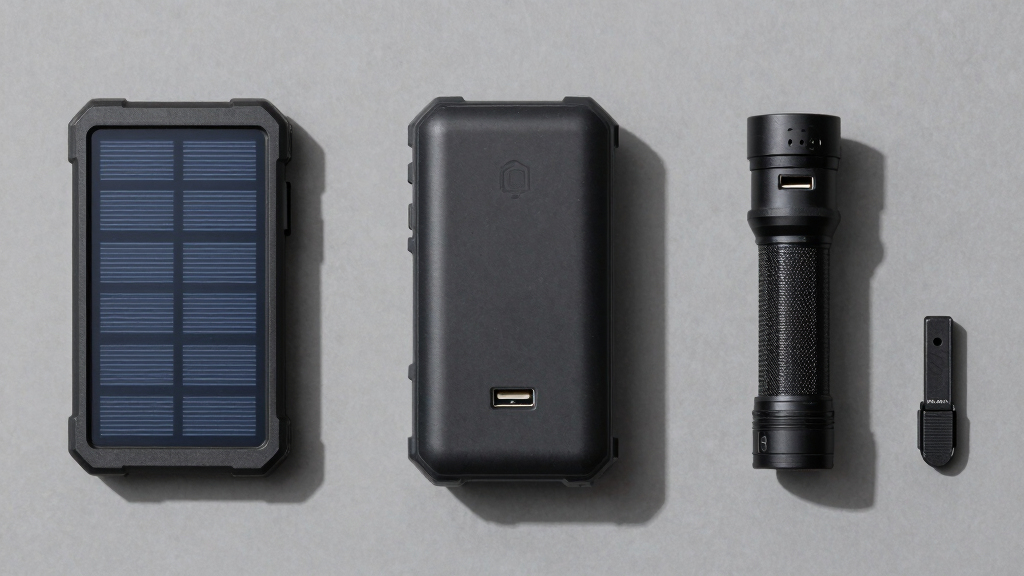
Power Bank Solar Charger 45800mAh Fast Charging with 3 Built-in Cables, LED Flashlight, Portable External Battery Pack
This Power Bank Solar Charger shines in outdoor environments, especially with its rugged, waterproof, and shockproof design. Its massive 45,800mAh capacity supports multiple device charges, and the built-in cables simplify setup. The inclusion of LED and camping lights makes it ideal for camping or extended outdoor adventures, surpassing smaller portable chargers like the Anker PowerCore 10K in capacity and durability. However, its bulk and weight can be a drawback for lightweight backpackers, and solar charging remains slow in low sunlight. For those seeking a reliable outdoor power source, this model offers an unbeatable combination of ruggedness and capacity. It’s best for outdoor enthusiasts needing dependable power in challenging conditions.
Pros:- High-capacity 45,800mAh battery for multiple charges
- Rugged, waterproof, shockproof design for outdoor durability
- Includes LED flashlight and camping lights for convenience
Cons:- Bulkier and heavier than smaller portable banks
- Solar charging can be slow and dependent on sunlight
- Limited to outdoor and adventure use, not ideal for daily urban charging
Best for: Outdoor lovers and campers who need a rugged, high-capacity power source with solar recharging
Not ideal for: Backpackers focused on ultralight travel or urban use, due to its size and weight
- Capacity:45,800mAh
- Built-in Cables:3
- Waterproof:Yes
- Shockproof:Yes
- Dust-proof:Yes
Bottom line: This rugged power bank is perfect for outdoor backpackers who prioritize durability and high capacity over portability.
Goal Zero Venture 35 Portable Power Bank 9600mAh with USB-C Power Delivery and Flashlight
The Goal Zero Venture 35 provides a compact, IP67-rated design with 9,600mAh capacity and integrated 50-lumen flashlight, making it a solid choice for emergency and outdoor adventures. Its rugged construction withstands harsh weather, comparable to the Anker PowerCore 10K in size but with added weatherproofing. While its capacity is limited for extended trips, its support for fast charging via USB-C Power Delivery makes it suitable for quick top-ups during short excursions. The absence of a solar panel or larger capacity means it’s less suited for multi-day, device-heavy backpacking. This model works best for those needing a compact, durable backup with basic lighting.
Pros:- Weatherproof IP67 rating for tough outdoor conditions
- Includes a bright 50-lumen flashlight
- Supports fast charging via USB-C Power Delivery
Cons:- Limited battery capacity for extended use
- No built-in solar panel for recharging in remote areas
- Only 3A charging speed may be slow for some devices
Best for: Backpackers needing a small, durable power source for quick charges and emergencies
Not ideal for: Hikers with high device demands over multiple days, due to limited capacity and no solar charging
- Battery Capacity:9600mAh
- Waterproof Rating:IP67
- Light Output:50 lumens
- Connector Type:USB Type C
- Power Output:3 Amps
Bottom line: This power bank is best suited for backpackers who need a rugged, compact backup for short trips and emergencies.
Anker Power Bank, 20,000mAh Portable Charger with Built-in USB-C Cable, 87W Max Fast Charging for MacBook, iPhone 15/16, Samsung, Switch, and More
The Anker Power Bank 20,000mAh combines high capacity with the convenience of a built-in USB-C cable, making it highly versatile for backpackers who need quick, powerful charges on the move. Its 87W max output supports laptops and fast-charging smartphones, outperforming smaller models like the Anker PowerCore 10K in power delivery. While its weight of 15.5 oz makes it less ideal for ultralight hikers, the built-in cable reduces clutter and setup time. The limited number of ports means you might need to choose carefully which devices to prioritize. This device is perfect for backpackers who want a high-capacity, all-in-one solution for multiple devices.
Pros:- High 20,000mAh capacity for extended use
- 87W max output supports fast charging for laptops and phones
- Built-in USB-C cable simplifies charging setup
Cons:- Relatively heavy at 15.5 oz, less suited for ultralight trips
- Requires a 65W charger for optimal recharging speed
- Limited to three ports, which may restrict multiple device charging simultaneously
Best for: Travelers carrying multiple devices, including laptops and smartphones, who value convenience and fast charging
Not ideal for: Ultralight hikers seeking the lightest possible gear, since it is relatively heavy
- Battery Capacity:20,000mAh
- Power Output:87W Max
- Number of Ports:3
- Built-in Cable:Yes
- Dimensions:6.2 x 2.9 x 1.0 inches
Bottom line: This power bank is best suited for backpackers who need a versatile, high-capacity charging solution for multiple high-power devices on the go.
ELECOM NESTOUT Rugged Power Bank, 15000mAh Outdoor Charger, 32W USB C Fast Charging PD, Waterproof IP67, Shockproof, Tactical Battery Pack for iPhone, Tablet, Hiking, Camping, Survival
The ELECOM NESTOUT Rugged Power Bank stands out for its superior durability, making it ideal for prolonged outdoor adventures. Its IP67 waterproof and shockproof design surpasses many competitors like the Dewalt model, which, while rugged, offers a slightly smaller capacity. The 15000mAh capacity is sufficient for multiple device charges, but may fall short for extended trips without access to power. Its fast USB-C PD charging ensures quick recharging of devices, and the inclusion of a tripod mount adds versatile mounting options for camping or hiking. However, its capacity is less than larger power banks, and the tripod and additional features like auto shut-off are sold separately, adding extra costs. This pick makes the most sense for backpackers who prioritize durability and fast charging in rugged environments, even if they need multiple units for longer trips.
Pros:- Exceptional waterproof and shockproof durability suitable for extreme outdoor conditions
- Supports fast charging with USB-C PD 32W for quick device recharges
- Includes a tripod mount for flexible outdoor mounting options
Cons:- Limited capacity may not suffice for extended multi-day trips without additional power sources
- Charging speed can be slower with non-PD chargers
- Tripod and auxiliary features are sold separately, increasing overall cost
Best for: Backpackers and outdoor enthusiasts needing a durable, waterproof power bank for short to medium trips with fast charging needs.
Not ideal for: Long-term trekkers requiring extensive capacity, as the 15,000mAh may require multiple recharges or supplementary power sources.
- Battery Capacity:15000mAh
- Voltage:3.6V
- Amperage:3A
- Number of Ports:2
- Output Current:3A
- Charge Time:3.58 hours
- Waterproof Rating:IP67
- Fast Charging:Yes (USB-C PD 32W)
- Additional Features:Auto Shut-Off, LED Indicator, Scratch Resistant, Short Circuit Protection
Bottom line: This rugged power bank is perfect for backpackers demanding durability and quick charging in harsh environments, with some tradeoffs in capacity and additional costs for extras.
Dewalt Heavy Duty Portable Charger Power Bank 10,000mAh with USB-C for iPhone and Samsung
The Dewalt Heavy Duty Portable Charger makes a compelling choice for users who need a highly durable and compact power source. Its IP67 rating ensures resistance to dust and water, comparable to the Elecom NESTOUT but with a smaller 10,000mAh capacity. This makes it more suitable for quick, on-the-go recharges rather than extended trips. Its rugged exterior and included carabiner enhance portability and durability on work sites or rugged trails. While its fast-charging USB-C PD and Quick Charge ports are beneficial, the lower capacity means users may need multiple recharges for larger devices or longer adventures. It’s less suited for those who need to charge multiple devices repeatedly or for multi-day backpacking without access to charging. Compared with the Elecom, this device is more portable but offers less overall capacity and fewer extra features. This power bank is best for users prioritizing durability and portability over extended capacity, especially in demanding environments.
Pros:- Rugged exterior with IP67 dust and water resistance for heavy-duty environments
- Lightweight and compact, easily attachable with the included carabiner
- Fast charging via USB-C PD and Quick Charge ports for quick device recharges
Cons:- Limited 10,000mAh capacity may not cover multiple charges for larger devices
- Bulkier rugged design can be less convenient for ultra-light backpacking
- Lacks additional features like solar charging or built-in flashlight
Best for: Hikers, contractors, or outdoor workers needing a tough, portable power source for short-term use and rapid device recharging.
Not ideal for: Backpackers on multi-day trips or those with multiple devices, as its 10,000mAh capacity may require frequent recharging or additional units.
- Battery Capacity:10,000mAh
- Connector Type:USB Type C
- Number of Ports:2
- Voltage:18V
- Battery Cell Type:Lithium Ion
- Color:Black/Yellow
- Water Resistance:IP67
- Reusability:Rechargeable
- Portable:Yes
Bottom line: This power bank excels for rugged, short-term outdoor use where durability and portability outweigh capacity limitations, making it ideal for quick recharges in demanding environments.

How We Picked
Products were evaluated based on their durability, capacity, charging speed, port versatility, and overall build quality. We prioritized models that explicitly cater to outdoor environments with rugged features like waterproofing, shock resistance, and dustproofing. Portability was also a key factor, but it was balanced against power output and capacity to ensure the devices could meet extended backpacking needs. The ranking reflects a mix of real-world utility, robustness, and value, helping outdoor enthusiasts find options that won’t fail in tough conditions while still offering good performance.Factors to Consider When Choosing Best Rugged Power Bank For Backpacking
Choosing the best rugged power bank for backpacking involves understanding several critical factors. Durability features like waterproofing and shock resistance protect your device from harsh conditions but may impact weight and size. Capacity determines how many devices and how long you can charge during your trip, so larger batteries are appealing but less portable. Compatibility with your devices, especially fast-charging or high-wattage requirements, can influence your choice. Additionally, consider portability—weight, size, and carrying options matter. Finally, evaluate the balance between ruggedness and ease of use, ensuring your power bank can withstand the environment without being overly cumbersome.Durability and Rugged Features
For backpacking, a power bank’s ability to resist water, dust, and shocks is vital. Look for IP ratings like IP67 or higher for waterproofing, and shockproof or drop-resistant certifications. Keep in mind, however, that these rugged features often add weight and bulk, so consider your tolerance for carrying extra gear. The most robust options tend to be heavier but can survive drops, splashes, and dirt, making them suitable for extreme outdoor conditions. Assess your typical environment to decide how much ruggedness you need versus portability.
Capacity and Power Output
Capacity directly impacts how many devices you can charge and for how long. For multi-day backpacking, a capacity above 20,000mAh is usually necessary to keep your devices powered without recharging. Higher wattage outputs, especially USB-C Power Delivery, enable faster charging and make it possible to power laptops or tablets. However, larger batteries tend to be heavier and less compact, so balance your power needs with your pack weight limits. Consider what devices you’ll be powering most and choose accordingly.
Port Versatility and Charging Speed
Multiple ports, including USB-C and USB-A, give flexibility to charge various devices simultaneously. Fast charging capabilities can save time, especially when you’re on the move, but require compatible devices and cables. Some rugged models include built-in cables, reducing the need to carry extra accessories, which is a plus for minimalist packing. Be aware that more ports and faster charging often come with increased cost and complexity; prioritize based on your device ecosystem and charging habits.
Portability and Weight
While a rugged power bank needs to withstand tough conditions, it should also be portable enough to carry comfortably. Compact models are easier to pack but might sacrifice capacity or rugged features. Larger, more durable units tend to be heavier, which can impact your overall pack weight and mobility. Think about your typical outdoor activity—if you’re covering long distances or climbing, a lighter option might be better, even if it means fewer features or lower capacity.
Price and Value
Rugged power banks range from budget-friendly to premium models with advanced features. Spending more often secures better durability, faster charging, and higher capacity, but might be unnecessary for casual trips. Conversely, cheaper options may lack essential rugged features or have lower build quality, risking damage or failure. Consider your frequency of backpacking, environment, and device needs to find a model that offers the best value for your specific use case.
Frequently Asked Questions
How much capacity do I need for multi-day backpacking trips?
For multi-day adventures, a power bank with at least 20,000mAh capacity is recommended to keep multiple devices charged without recharging the power bank itself. If you rely heavily on electronics like GPS, cameras, or laptops, consider even larger capacities or models with fast charging to maximize efficiency. Remember, higher capacity often means increased weight, so balance your power needs with portability to avoid overburdening your pack.
Are waterproof and shockproof features worth paying extra for?
Absolutely, rugged features like waterproofing and shock resistance are crucial in challenging outdoor environments. They protect your device from rain, splashes, dust, or accidental drops, which are common during backpacking. While these features add weight and sometimes cost, they can save your electronics from costly damage and ensure your power source remains reliable throughout your trip. Choose a model with the ruggedness level suitable for your typical outdoor conditions.
Should I prioritize fast charging or higher capacity?
This depends on your specific needs. If you need to recharge devices quickly during short stops, fast charging is beneficial, especially for high-demand devices like laptops or tablets. However, higher capacity provides longer-lasting power, reducing the need for frequent recharges. Ideally, look for a model that balances both—large capacity with fast-charging features—so you can keep your devices topped up efficiently and for extended periods.
How important is port selection for outdoor use?
Port selection is key for versatility in the outdoors. Multiple ports allow you to charge several devices simultaneously, which is often necessary during extended trips. USB-C ports with Power Delivery support faster charging and are essential for modern laptops and smartphones. Built-in cables can reduce packing clutter, but check their durability. Overall, choose a power bank with the right mix of ports to match your device ecosystem and charging speed requirements.
Can I rely on solar charging for backpacking?
Solar charging can be a useful backup, especially for long outdoor trips where access to power is limited. However, it is generally slower and less reliable than traditional charging methods, especially in overcast conditions or dense forests. Many solar-powered models also have lower capacity and efficiency. Use solar charging as an auxiliary option rather than your primary power source, and always have a high-capacity rugged power bank as your main backup.