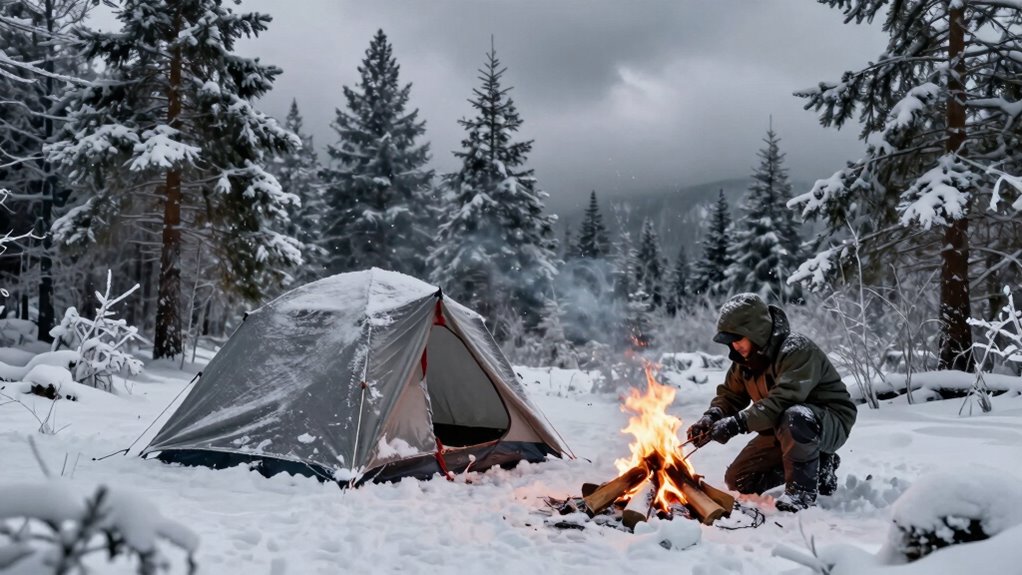

Winter camping pushes every system to its limit because you must rely on gear that withstands extreme cold, while your body faces energy drain and judgment impairments. Environmental conditions threaten safety with snow, ice, and wind, testing your shelter and survival skills. Mentally, you need resilience to handle isolation and surprises. If you want to uncover how to manage these challenges and stay safe, keep exploring what Winter camping demands and how to prepare effectively.

Get emergency and outdoor gear delivered free with Prime
- Fast, free delivery on millions of items
- Prime Video, Amazon Music and more included
- Member-only deals all year
Key Takeaways
- Extreme cold weakens materials, increasing gear failure risks and demanding high durability and proper insulation.
- Harsh weather conditions elevate emergency risks like hypothermia and frostbite, requiring comprehensive preparedness and quick response skills.
- Environmental challenges, such as snow accumulation and wind, necessitate careful shelter placement and landscape management.
- Cold depletes energy and impairs judgment, testing physical endurance and mental resilience during extended exposure.
- The demanding environment requires thorough training, advanced gear, and strategic planning to ensure safety and success.
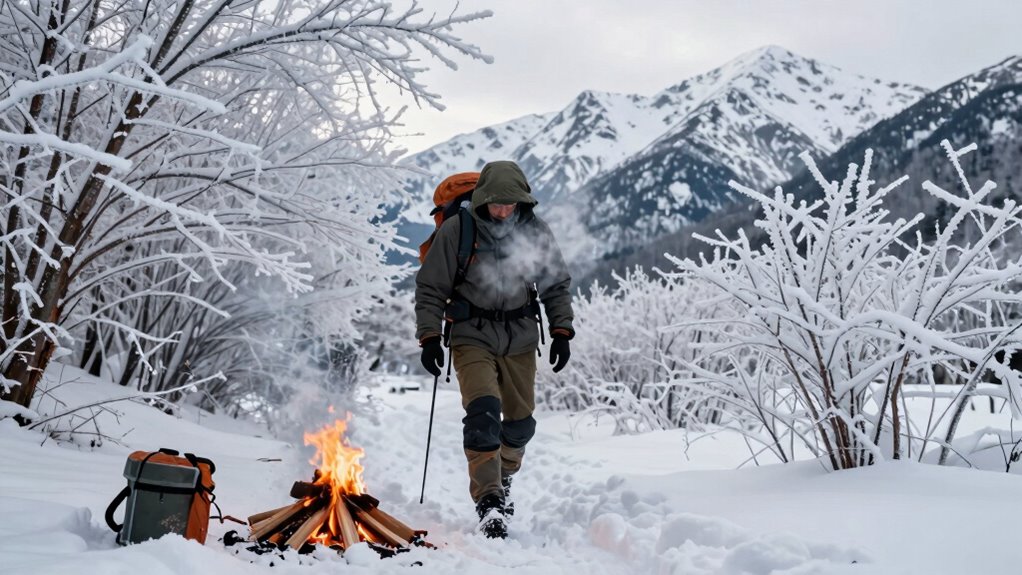
Winter camping offers a unique adventure, but it also presents significant challenges that can test even the most experienced outdoor enthusiasts. When you venture into cold, harsh environments, your gear must withstand extreme conditions. The durability of your equipment becomes essential, as the cold can weaken materials, cause zippers to freeze, and increase the risk of gear failure. Your tent, sleeping bags, and clothing need to be built for winter’s brutality. If your gear isn’t sturdy enough, you risk leaks, tears, or insufficient insulation, which could turn a manageable trip into a life-threatening situation. You must select gear designed specifically for winter conditions, ensuring it can handle snow, ice, and low temperatures without compromising your safety or comfort.
Beyond gear durability, winter camping demands meticulous emergency preparedness. Cold weather increases the risk of hypothermia, frostbite, and other emergencies, so you need to be ready for any situation. Carrying an all-encompassing first aid kit, extra blankets, and reliable communication devices is essential. You should also have a solid plan for emergencies, such as sudden storms or injuries. Knowing how to build a fire in snow, set up your shelter quickly, and navigate in low visibility conditions can make all the difference. It’s not just about having the right gear but also about knowing how to use it effectively when every system is pushed to its limit. Utilizing landscaping can also help protect your shelter from harsh winter winds and snow accumulation. Additionally, understanding the environmental impact of tissue paper when managing waste can help minimize your ecological footprint in pristine winter landscapes.
Your physical and mental resilience are also tested during winter camping. The cold can sap your energy and impair your judgment, so you need to stay alert and prepared at all times. When conditions are extreme, even small mistakes—like underestimating the cold or neglecting to check your gear—can lead to serious consequences. That’s why emergency preparedness isn’t just about having supplies; it’s about understanding how to respond to unexpected situations. Being familiar with emergency procedures can make the difference between a safe return and disaster. Properly training yourself in winter survival skills can greatly increase your chances of staying safe in challenging conditions. Whether it’s a sudden snowstorm or a gear malfunction, being equipped with the knowledge and supplies to handle crises keeps you safe.
In essence, winter camping pushes every aspect of your outdoor capabilities. Your gear must be durable enough to withstand the elements, and your emergency preparedness needs to be extensive and well-practiced. The environment tests your physical limits, your decision-making skills, and your resilience. Success in winter camping comes down to respecting these challenges and preparing thoroughly. When you do, you’ll find that overcoming these hurdles not only keeps you safe but also amplifies the thrill of this demanding, rewarding outdoor adventure.
Popular right now

De'Longhi La Specialista Touch Semi-Automatic Espresso Machine with Grinder

iRobot Roomba 415X Robot Vacuum & Mop Combo

Samsung 65-Inch M70H Series 4K Mini LED Smart TV (2026)
As an affiliate, we earn on qualifying purchases.
Frequently Asked Questions
How Do I Prevent Frostbite During Winter Camping?
To prevent frostbite during winter camping, stay aware of frostbite signs and practice frostbite awareness. Wear proper cold weather clothing, including layered, insulated, and waterproof gear, to keep your extremities warm. Keep moving to promote circulation, and regularly check your fingers, toes, nose, and ears for cold or numbness. Avoid tight clothing, stay dry, and seek shelter if you start feeling unusually cold. Proper precautions can keep you safe in harsh conditions.
What Are the Best Winter Camping Gear Essentials?
Think of winter camping gear as your fortress against the cold. You’ll need insulation layering—think moisture-wicking base layers, insulating mid-layers, and waterproof outer shells—and proper footwear to keep your feet dry and warm. A quality sleeping bag rated for winter temperatures, a four-season tent, and a reliable stove are essential. These essentials work together to protect you from the harsh environment, ensuring you stay safe and comfortable in the cold.
How Do I Stay Warm Overnight Without Power?
To stay warm overnight without power, you should insulate yourself with a high-quality sleeping bag and layered clothing suited for cold weather. Use a sleeping pad to prevent heat loss from the ground. Build a safe fire for extra warmth, but always prioritize fire safety by keeping fires contained and extinguishing them properly before sleeping. Staying dry and well-fed also helps your body generate heat in cold conditions.
What Are Safety Tips for Winter Camping Alone?
For winter camping safety, always inform someone of your plans and expected return. Pack essential gear like a reliable GPS, extra clothing, and a first aid kit. Follow solo camping precautions by staying on marked trails and carrying a communication device. Keep your shelter well-insulated and avoid overexertion. Stay aware of weather conditions, and trust your instincts. Prioritize safety to make certain of a successful, enjoyable winter adventure.
How Can I Prevent My Tent From Collapsing in Snow?
To prevent your tent from collapsing in snow, regularly clear snow accumulation from the roof with a broom or snow rake. Reinforce your tent by staking it securely and using guy lines to stabilize it against wind. Opt for a four-season tent designed for winter conditions, and consider adding extra insulation or snow walls around the base. Staying proactive with snow removal and reinforcement keeps your shelter stable and safe.
Conclusion
As you pack up your gear, the icy wind bites into your skin, and the silent snow-covered landscape whispers its icy secrets. Winter camping pushes every system—your body, mind, and gear—to their limits, testing your resilience with each frosty breath. Yet, amid the frozen silence, a sense of accomplishment warms your heart. You’ve faced the cold’s relentless challenge and emerged stronger, knowing that in the depths of winter’s grasp, you’ve truly found your strength.