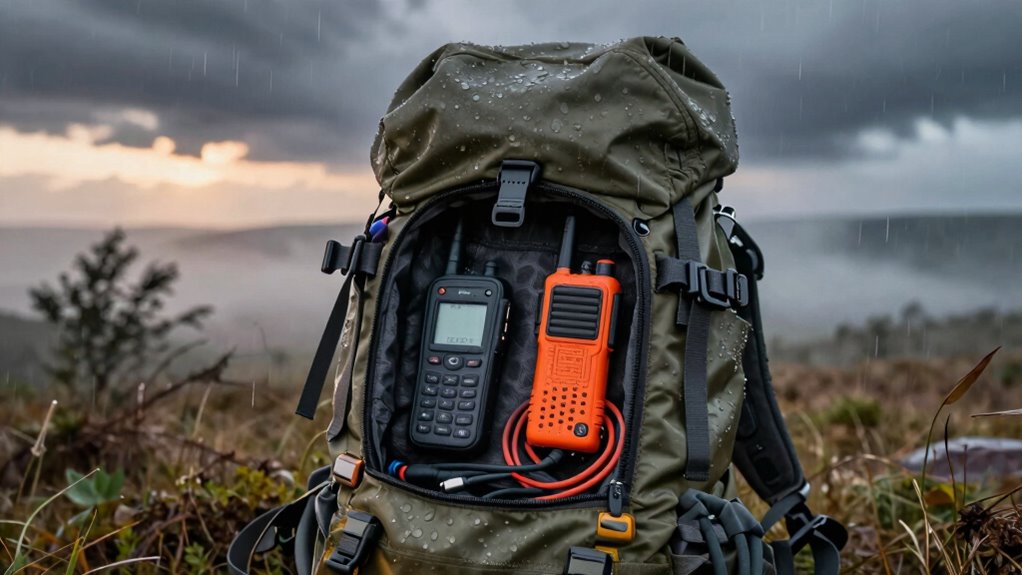

To keep your communication gear ready when conditions turn bad, regularly check and fully charge batteries, and store them in cool, dry places. Use rugged, weatherproof cases and protect gear from water and debris. Enhance signal strength with external antennas and adjust device settings for better reception. Test your setup often and keep backup power sources handy. Proper maintenance and protection are key—continue exploring ways to stay prepared, no matter the environment.
Listen free for 30 days with Audible
Thousands of audiobooks and originals — cancel anytime.
As an affiliate, we earn on qualifying purchases.
Key Takeaways
- Regularly test and practice setup procedures to ensure quick deployment during emergencies.
- Keep spare batteries and backup power sources in a cool, dry, and accessible location.
- Use weatherproof cases and rugged mounts to protect gear from harsh environmental conditions.
- Update firmware and software regularly to maintain optimal device performance and reliability.
- Position antennas in open areas and utilize signal boosters for improved communication in bad conditions.
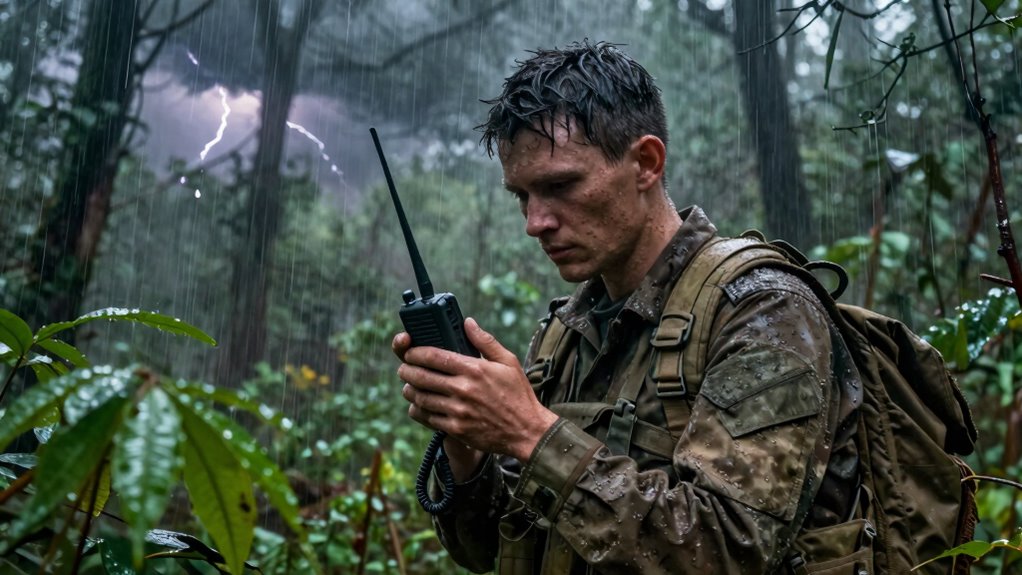
Staying prepared with your communication gear is essential, especially when quick, reliable contact can make all the difference. When conditions turn bad—whether it’s a storm, remote wilderness, or urban blackout—you need your gear to function flawlessly. That means paying close attention to battery maintenance and signal enhancement. Proper battery care ensures your devices won’t die when you need them most, while signal optimization helps you stay connected despite interference or obstacles.
Start by regularly checking your batteries. Never wait until your device shows low power before replacing or recharging them. Keep spare batteries or portable chargers handy, and store them in a cool, dry place to prevent degradation. If you’re using rechargeable batteries, make sure to cycle them fully before long trips or emergencies. Keeping your batteries in good condition extends their life and ensures they deliver reliable power when needed. Also, consider investing in high-capacity or weatherproof batteries for added durability in harsh conditions. Waterproof and weather-resistant features can further protect your gear from the elements and ensure continued operation. Additionally, maintaining a proper inventory of backup power sources can prevent unexpected failures during critical moments. Incorporating outdoor transformation essentials like protective cases or rugged mounts can further safeguard your gear in challenging environments. Effective power management techniques, such as turning off unused features, can also conserve battery life during extended use.
Regularly check and fully cycle rechargeable batteries to ensure reliable power in emergencies. Keep spares in a cool, dry place.
Signal enhancement is just as critical, especially in areas with poor reception or during adverse weather. Use external antennas or signal boosters compatible with your communication gear to improve reception. These devices can significantly increase your ability to send and receive messages, even in challenging environments. Position your antenna or booster in a clear, open space, away from obstructions like buildings or dense trees, which can weaken signals. If you’re in a vehicle, mount antennas on the roof for better coverage.
While signal boosters improve range, you should also understand your device’s settings. Adjust frequency channels or switch to different modes to find the clearest signal. Some devices have built-in features for noise reduction or interference filtering—activate these to improve clarity. Regularly update your device’s firmware or software as manufacturers often release improvements that can enhance signal strength and overall performance. Staying informed about latest technology can help you leverage new features and maintain optimal communication capabilities.
In bad conditions, don’t forget to keep your gear physically protected. Use waterproof cases, protective covers, and secure mounts to prevent damage from rain, snow, or impacts. Proper storage and handling extend your equipment’s lifespan, ensuring it works when needed most. Remember, the key to readiness isn’t just having gear but maintaining and optimizing it. Consistent battery maintenance, signal enhancement techniques, and protective measures form the foundation of reliable communication when conditions turn bad. Stay vigilant, check your gear regularly, and practice your setup so that when emergency strikes, your communication tools are ready to serve you.
weatherproof communication device case
As an affiliate, we earn on qualifying purchases.
As an affiliate, we earn on qualifying purchases.
Frequently Asked Questions
What Are Common Signs That Communication Gear Might Fail?
You should watch for signs like antenna durability issues, such as cracks or corrosion, which can weaken signal strength. Also, pay attention to your power source reliability; if batteries are draining quickly or the charger isn’t working properly, your gear might fail when needed most. Regularly inspect and test your equipment to catch these signs early, ensuring your communication gear remains functional in critical moments.
How Often Should I Test My Communication Equipment?
You should test your communication equipment regularly—at least once a month—to maintain mastery. During these checks, focus on battery maintenance to prevent power problems and signal enhancement to guarantee clarity. Consistent testing helps catch issues early, reducing risks when conditions turn bad. By staying vigilant and proactive, you keep your gear in great shape, guaranteeing reliable communication when it matters most.
What Are Best Storage Practices for Communication Gear?
You should store your communication gear in a cool, dry environment to prevent damage. Regularly check battery maintenance by removing batteries if unused for long periods and charging them periodically. Keep equipment in padded cases to avoid physical damage and guarantee all connections are secure. Avoid exposing gear to extreme temperatures or humidity, which can degrade performance. Proper storage extends the lifespan of your gear and ensures it’s ready when conditions turn bad.
Which Accessories Are Essential for Emergency Communication?
You’ll want essential accessories like alternative power sources, such as portable batteries or solar chargers, to keep your communication gear running in emergencies. Signal boosting techniques, like antennas or repeaters, help you stay connected over longer distances. Don’t overlook compact, durable headsets or spare batteries—they guarantee clear communication when conditions worsen. These accessories make your gear more reliable and ready for any emergency, helping you stay safe and connected.
How Do I Troubleshoot Communication Devices in the Field?
To troubleshoot your communication devices in the field, start by checking the battery maintenance; make sure batteries are fully charged and replace any that are degraded. Next, perform signal troubleshooting by verifying antenna connections and adjusting device orientation for better reception. If problems persist, reset your device or try switching channels. Regularly test your gear before heading into tough conditions to identify issues early and keep communication lines open.
external antenna for radio communication
As an affiliate, we earn on qualifying purchases.
As an affiliate, we earn on qualifying purchases.
Conclusion
When conditions turn bad, think of your communication gear as a trusted lighthouse, guiding you safely through stormy waters. Keep it well-maintained, fully charged, and easily accessible, so you’re never left in the dark. Regular checks and backups guarantee it’s ready to shine when you need it most. Remember, staying prepared is your beacon of safety—keeping your signals clear amidst the chaos, so help and connection are always within reach.
portable backup power bank for radios
As an affiliate, we earn on qualifying purchases.
As an affiliate, we earn on qualifying purchases.
As an affiliate, we earn on qualifying purchases.
Flea & tick season Picks
flea and tick prevention
As an affiliate, we earn on qualifying purchases.